Open AccessPeer ReviewedPublished Monthly Since 2007 Vol. 19, Issue 12 · November 2026Media Kitinfo@guident.net
Specialty

Endodontics

Root canal therapy, retreatment, regenerative endodontics and restoration.

308 articles14 yearsSince 2013

308 articles

Vol. 19, Issue 1 · December 2025

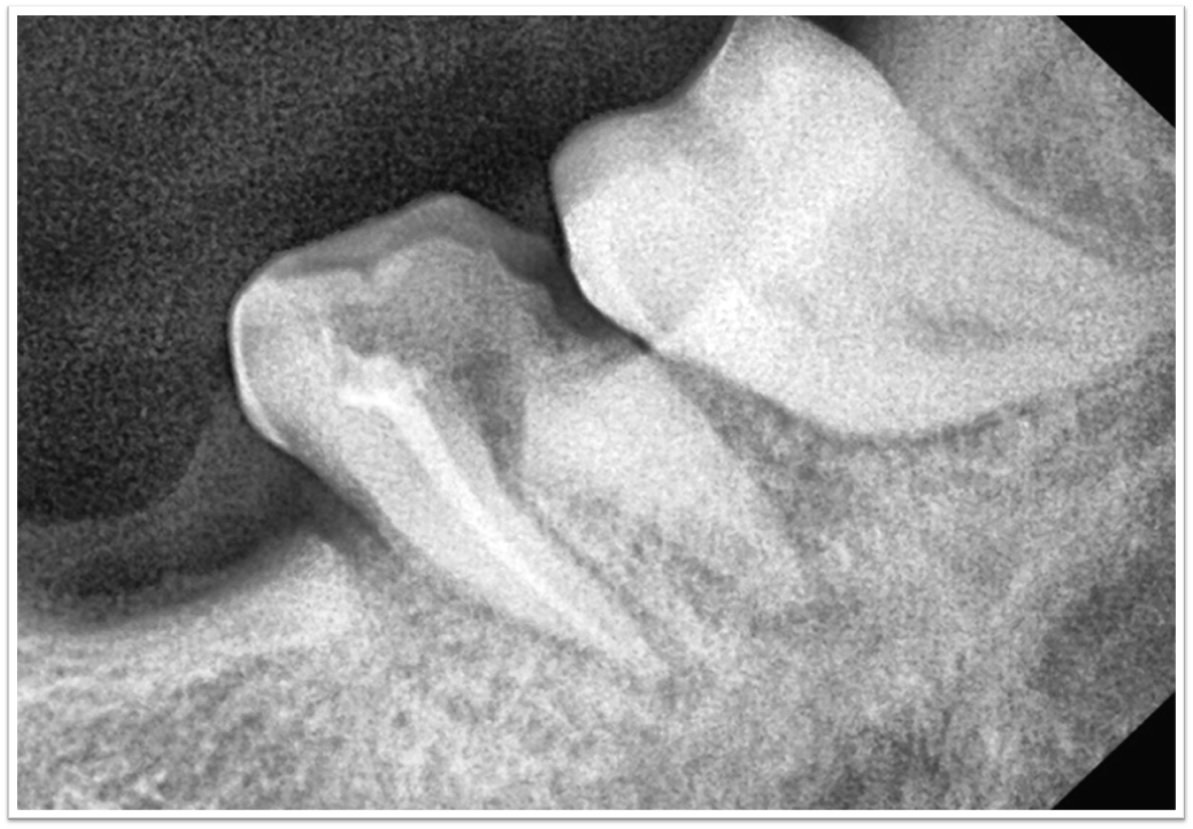
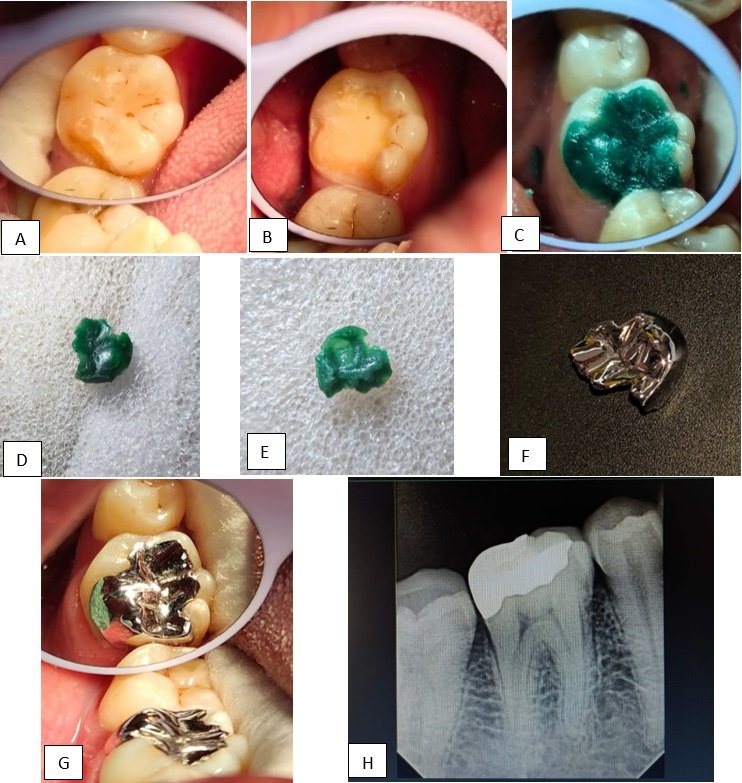
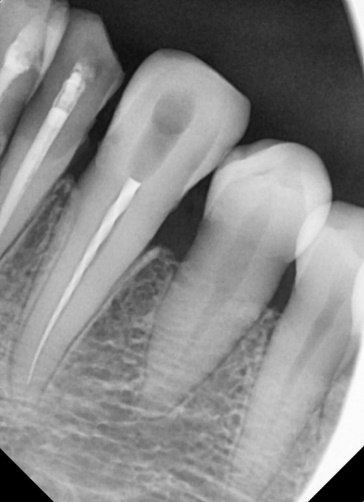
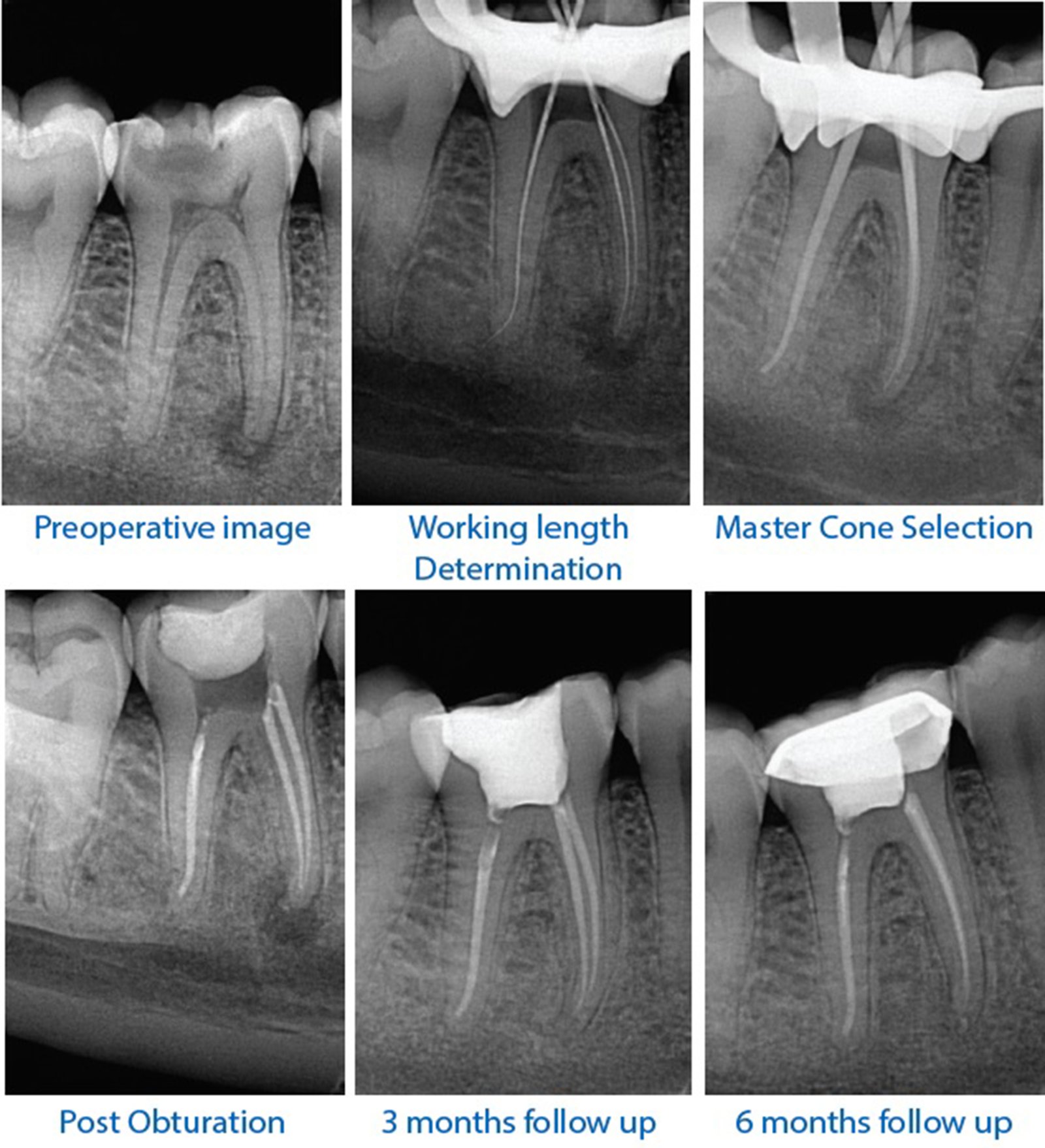
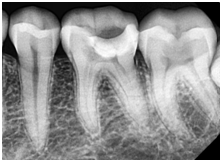
Vital Pulp Therapy: A Case Report

Vital pulp therapy (VPT) has re-emerged as a biologically driven treatment modality aimed at preserving the vitality and regenerative potential of the dental pulp in cases of deep carious…
Dr. Neetu Khajuria

Vol. 18, Issue 11 · October 2025

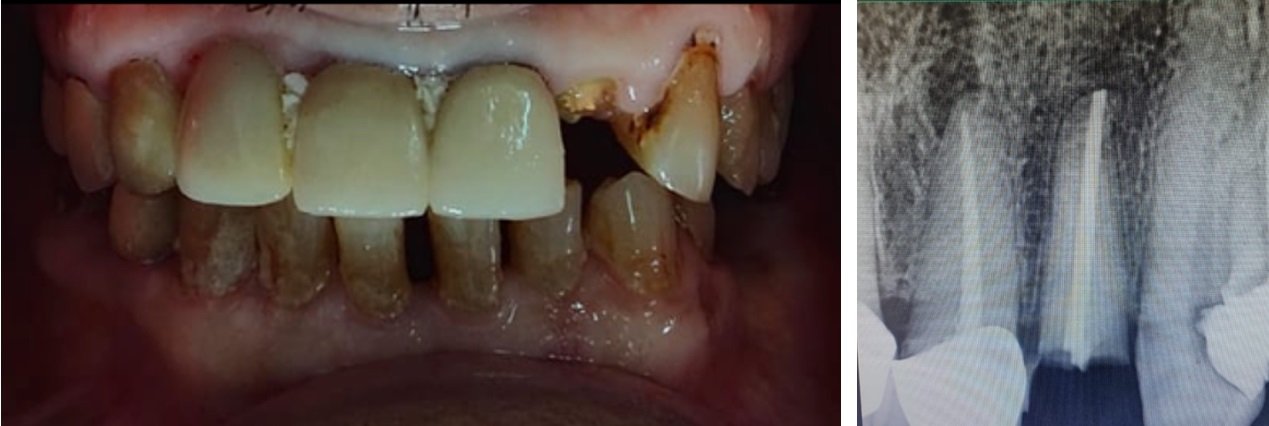
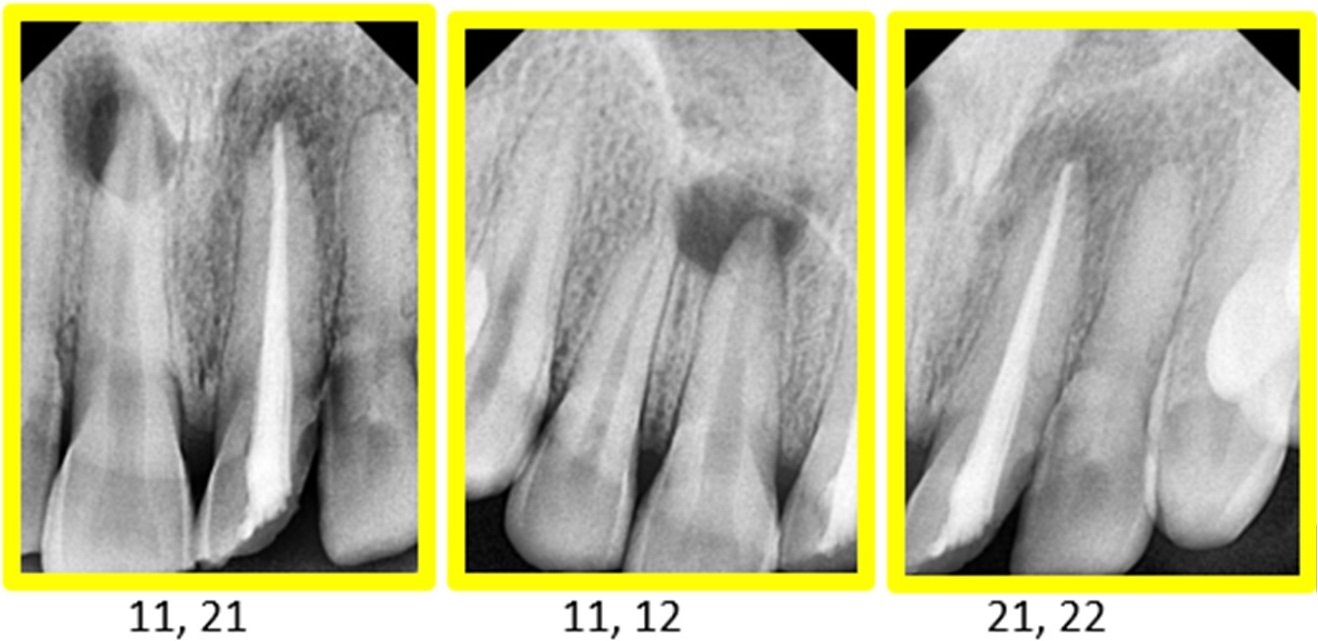
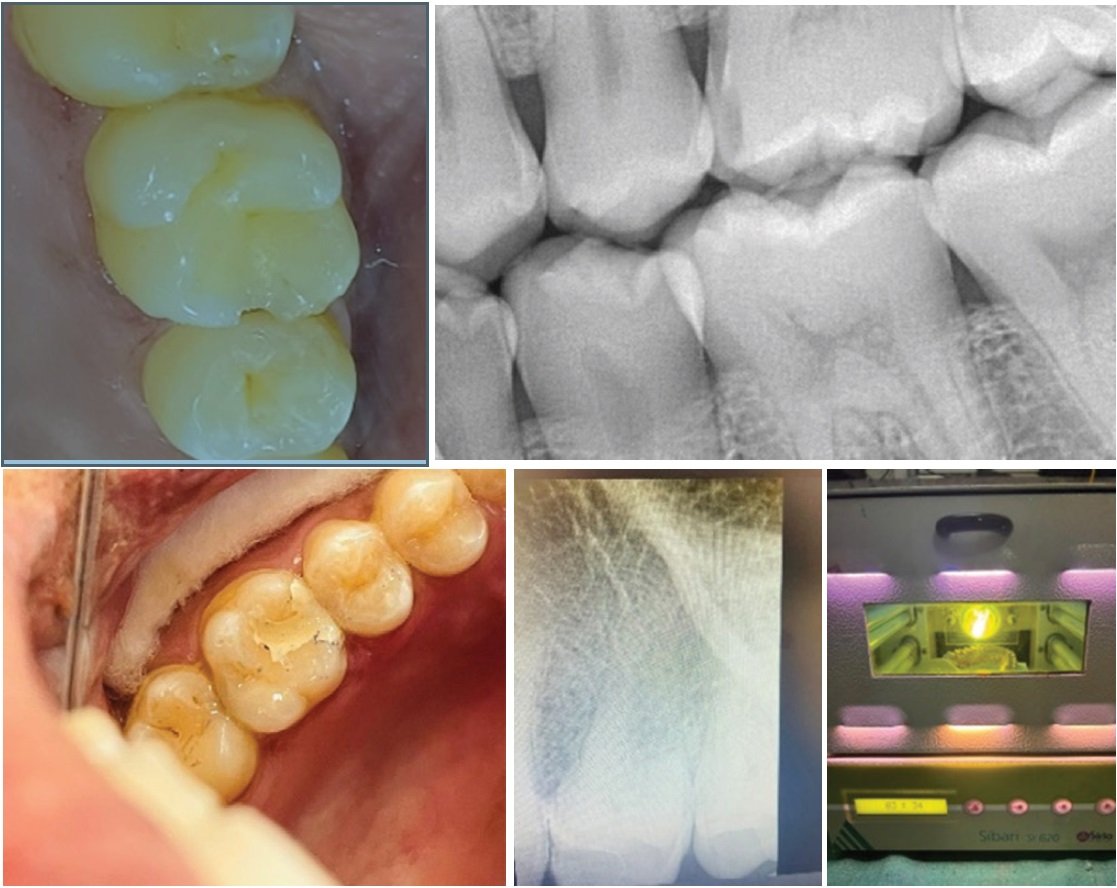
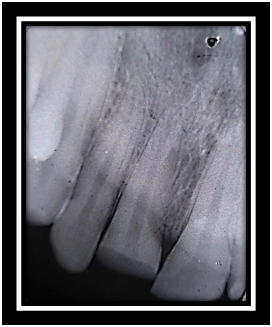
Root End Resection: A Case Series

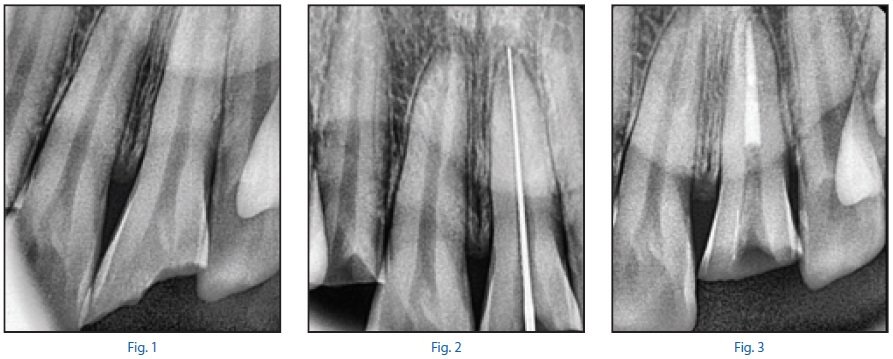
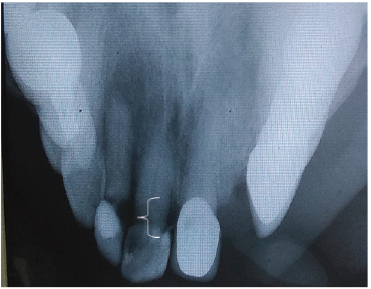
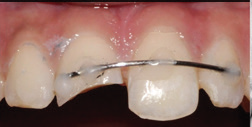
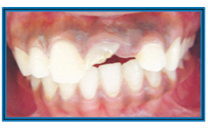
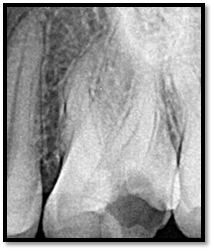
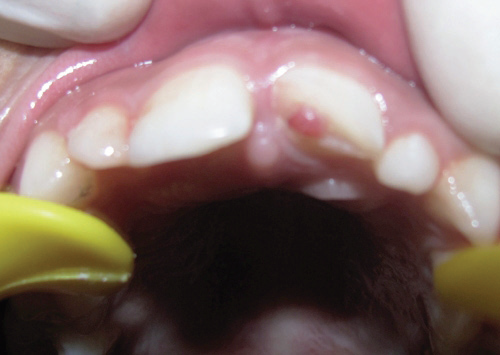
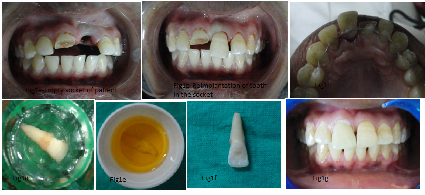
Traumatic dental injuries (TDIs), especially crown fractures and luxations, are prevalent in children and young adults affecting permanent teeth. Successful outcomes hinge on accurate…

Dr. Shalvini Kancha

Vol. 18, Issue 6 · May 2025

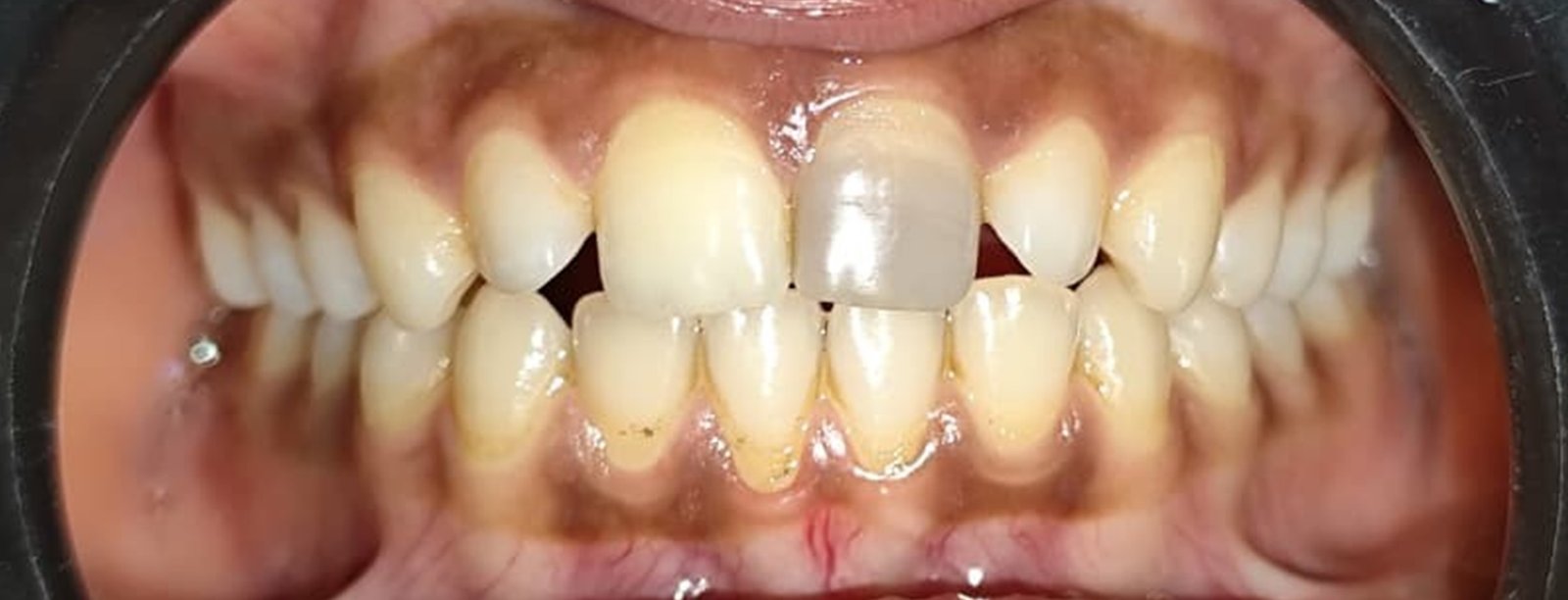
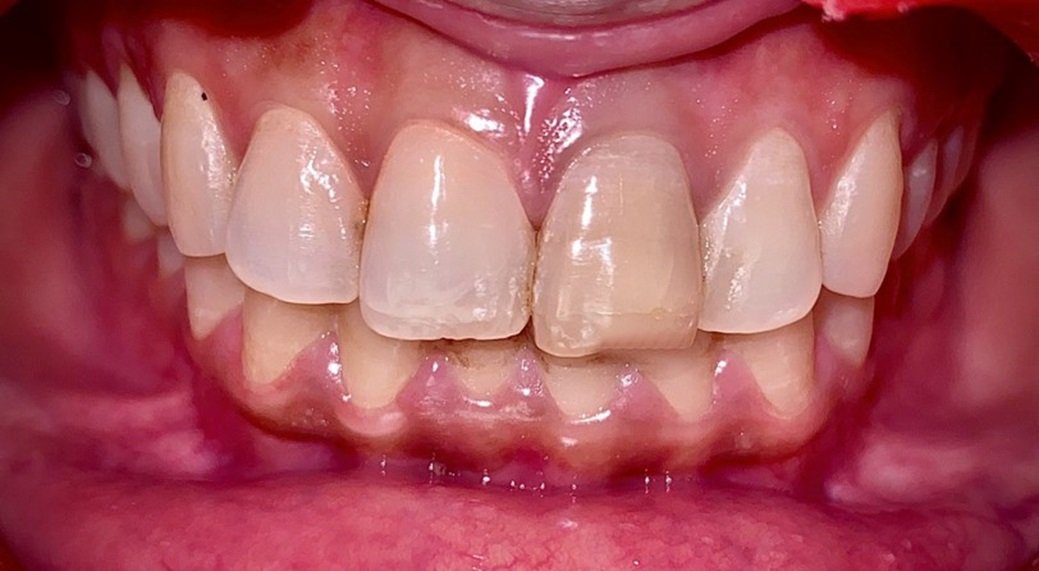
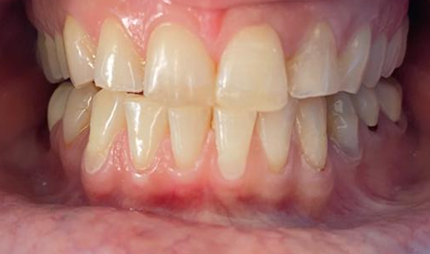
Non Vital Bleaching: A Case Series

Non-vital bleaching, a minimally invasive approach, treats internal tooth staining. Common bleaching agents include hydrogen peroxide and sodium perborate. This case report illustrates this…

Dr. Shubham Dalvi

Vol. 17, Issue 8 · July 2024

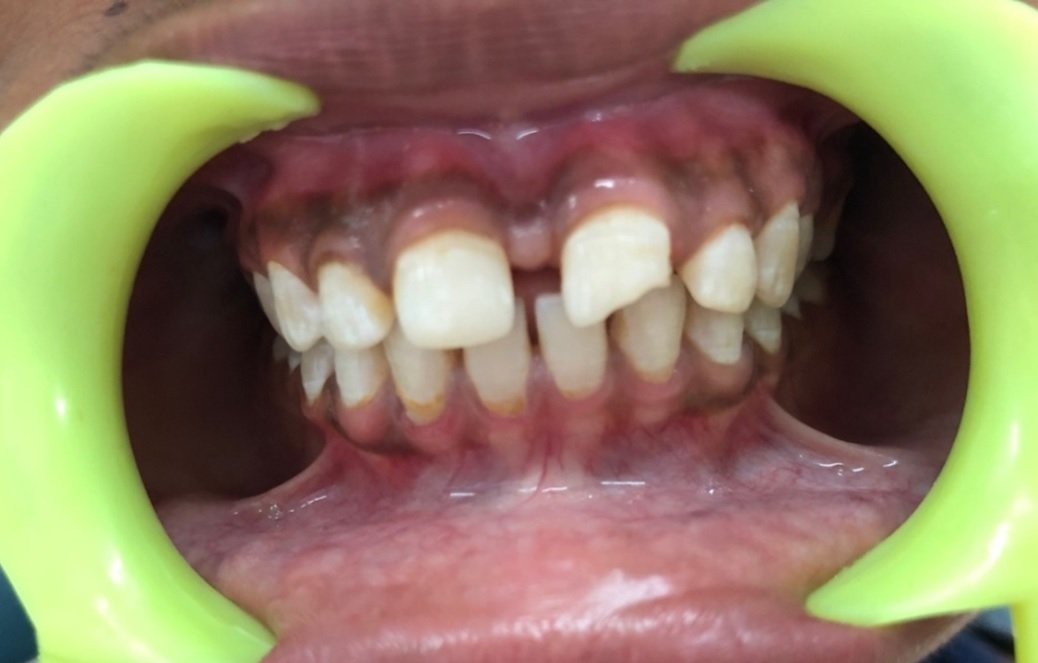
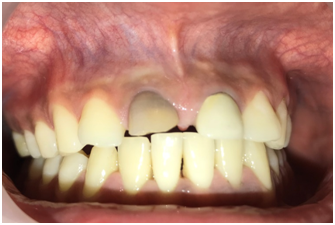
Demystifying Smiles: A Case Report

“Esthetic dentistry is an art of dentistry in its purest form”. The revolution in esthetic dentistry is attributable to evolution in dental materials as well as techniques. Direct composite…

Dr. Manasi Kewlani

Vol. 17, Issue 8 · July 2024

Methacrylate Resin Based Sealers: A Review

Root canal sealers have several important functions which include sealing off of voids and multiple foramina, patent accessory canals create a bond between the core filling material and the…

Dr. Prinaxy Byxyx

Vol. 17, Issue 7 · June 2024

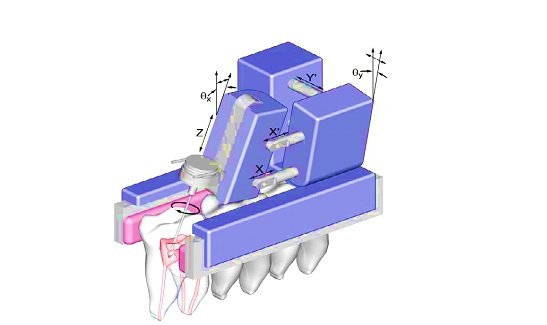
Endo Microrobots: A Narrative Review

Endodontic microrobots are amalgamation of robotics and technology that revolutionized dentistry especially endodontics. These microrobots use artificial intelligence and…

Dr. Arjeet Ghosh

Vol. 17, Issue 2 · January 2024

Non Surgical Healing: A Case Report

This case reports describes the successful non-surgical healing of a periapical lesion and furcal defects in a patient through re-endodontic therapy. The patient presented with a…

Dr. Renu Rajput

Vol. 17, Issue 1 · December 2023

Vital Tooth Bleaching: A Case Series

The purpose of this case report is to analyze the result of in office vital bleaching. Materials and method included In office vital tooth bleaching done using Pola office. Keywords: Office…

Dr. Rohit Babu

Vol. 16, Issue 12 · November 2023

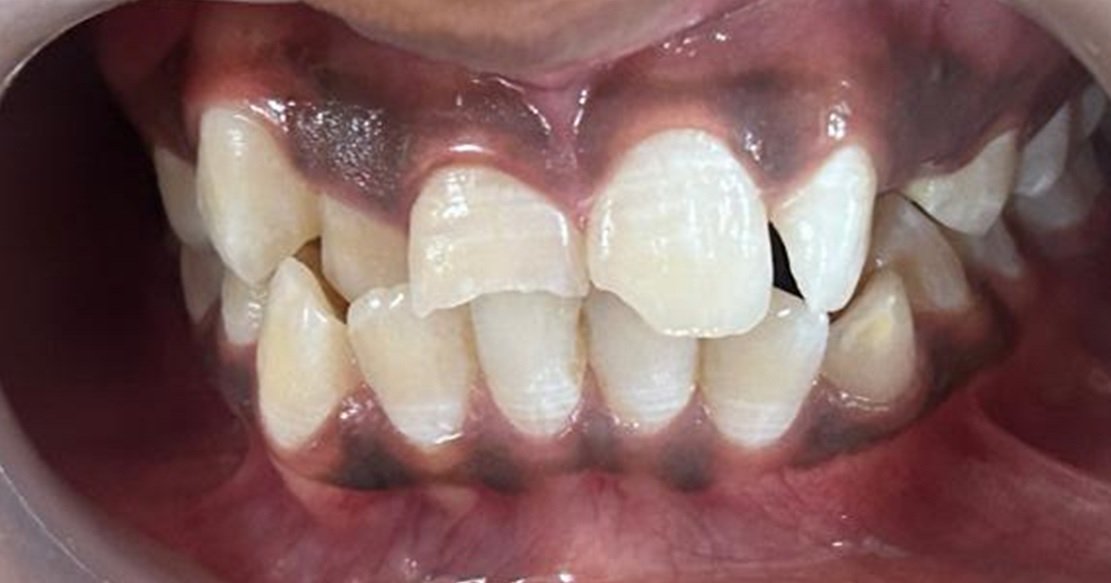
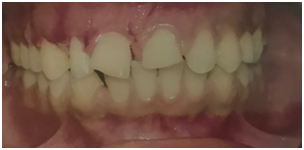
Recreating Smiles: A Case Series

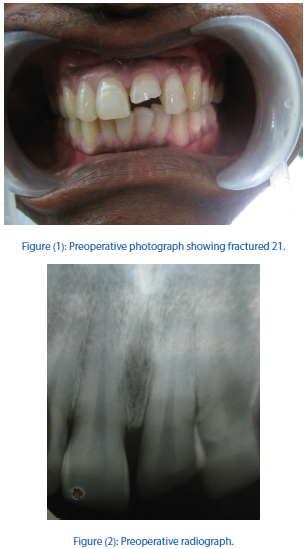
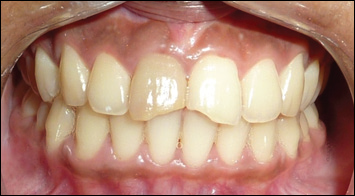
This case report highlights the successful treatment of an Ellis Class II fracture in a young patient's maxillary central incisor using composite resin build-up. The trauma resulted in…

Dr. Siddhi Goyal

Vol. 16, Issue 11 · October 2023

Non Surgical Healing: A Report of Two Cases

This case report describes the successful non-surgical healing of a periapical lesion and furcal defects in a patient through endodontic therapy. The patient presented with a symptomatic…

Dr. Renu Rajput

Vol. 16, Issue 6 · May 2023

Non Vital Tooth Bleaching: A Case Report

Intrinsic discoloration of a non-vital permanent incisor tooth due to trauma may have a significant esthetic and social impact on children and adolescents. Treatment options for discolored…

Dr. Ayushi Bangari

Vol. 16, Issue 1 · December 2022

Nonsurgical Healing of a Large Periapical Lesion

Periapical lesions develop as sequelae to pulp disease. They often occur without any episode of acute pain and are discovered on routine radiographic examination. It is accepted that all…

Dr. Akanksha Bhatt

Vol. 15, Issue 11-12 · October 2022

Anterior Aesthetic Restorations: A Case Series

Accidents involving the anterior teeth in children and young people frequently result in their visit to the dentist. Choosing the best course of therapy when only one tooth is harmed is…

Dr. Ayushi Bangari

Vol. 15, Issue 9-10 · August 2022

Anterior Composite Restorations: A Case Series

Due to the benefits, including immediate aesthetics, minimum invasion, cost effectiveness, adhesion to tooth structure, and chair side treatment options, direct anterior composite…

Dr. Ayushi Bangari

Vol. 15, Issue 7-8 · June 2022

Seal the Split-a Case Series

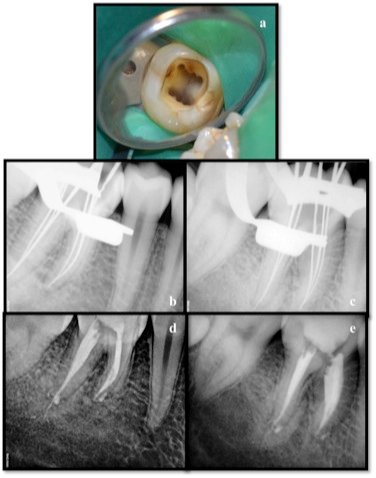
A successful endodontic treatment requires clinician sound knowledge on root canal morphology, cleaning, shaping and obturation of the teeth. Mandibular premolars have complex anatomies…

Dr. Sugandha Sati

Vol. 15, Issue 5-6 · April 2022

Hedp- Controlled Invasion to Effective Irrigation

Irrigation plays a significant role in effective root canal therapy. It has different significant goals, which vary with the type of irrigant being used. The process of irrigation involves…

Dr. Aishwarya Sanjay Awati

Vol. 14, Issue 11 · October 2021

Apexification Using MTA- a Case Series

Traumatic injuries to young permanent teeth affect 30% of children. These injuries often result in pulpal inflammation or necrosis and subsequent incomplete development of dentinal wall and…

Dr. Rishika Luhach

Vol. 14, Issue 9 · August 2021

Periapical Healing: MTA or PRF- a Case Series

Periapical surgical procedures comprise elimination of necrotic and infected tissues, resection of the apical part of the tooth (apicoectomy), and preparation of the apical cavity for the…

Dr. Advaitha Anand

Vol. 14, Issue 8 · July 2021

A Medley of Root Canal Anatomic Variations

The result of successful endodontic treatment depends on knowledge, correct sight and awareness of root canal anatomy and careful, conservative and meticulously performed cleaning and…

Dr. Unnati Nautiyal

Vol. 14, Issue 7 · June 2021

Endodontic Pecularities-a Case Series

Introduction: There are cases in the endodontic treatment which are a real challenge. There are teeth with diferent anatomies of the root canals of diferent teeth and their treatment…

Dr. Rishika Lahuch

Vol. 14, Issue 4 · March 2021

Fourth Dimension of Endodontics- A.I.

Artificial intelligence, the newer dimension in the tech-savvy world is composed of neural network architecture similar to human brains and mimics human intelligence. Artificial…

Dr. Pallabi Sarkar

Vol. 13, Issue 10 · September 2020

Bacteriotherapy-Probiotics and Dental Caries

Dental caries has remained the most immediate problem with no preventable solution as such in dentistry. The oral cavity has a number of microorganisms living in symbiotic harmony. Marked…

Dr. Sakshi Sharma

Vol. 13, Issue 8 · July 2020

Rubberdam Application in the COVID Times

The need to work under dry conditions, free of saliva, has been recognized for centuries, and the idea of using a sheet of rubber to isolate the tooth dates almost 150 years! The…

Dr. Pavana Kamath

Vol. 13, Issue 7 · June 2020

Direct Composite Veneers: A Case Reports Series

Smile is an important feature of face predicting its attractiveness and need for esthetics will motivate patients to seek dental treatment. 1 Color, shape, and structural and position…

Dr. Muhammad Mutiur Rahman

Vol. 13, Issue 7 · June 2020

Systemic Correlations of Pulp Stones

Pulpstones are a group of calcified masses in the dental pulp of healthy, diseased and unerupted teeth. 1 Stones may exist either freely within the pulp tissue or be attached to or embedded…

Dr. Deepika Rawat

Vol. 13, Issue 6 · May 2020

Pink Tooth of Murmmery-Internal Resorption

According to the Glossary of the American Association of Endodontists, resorption is defined as “a condition associated with either a physiologic or a pathologic process resulting in the…

Dr. Annil Dhingra

Vol. 13, Issue 2 · January 2020

Management of Curved Canals

Successful endodontic therapy is largely dependent on a triad of access cavity, canal preparation, and three‑dimensional hermetically sealed obturation of the canals. Canal preparation is…

Dr. Annil Dhingra

Vol. 13, Issue 1 · December 2019

Dental Operating Microscopes and the Eye

The use of dental operating microscope requires the operator to use his/her eyes,hands and maintain a static working posture for extended period of time and the user maintains a rigid body…

Dr. Pavana Kamath

Vol. 13, Issue 1 · December 2019

Surgical Management of Root Fracture

Traumatic injuries to a tooth can vary in severity from a simple enamel infraction to a complete ex-articulation of tooth (avulsion). Among these injuries, tooth fracture (crown fractures…

Dr. Annil Dhingra

Vol. 12, Issue 12 · November 2019

Dental Operating Microscope its Maintenance

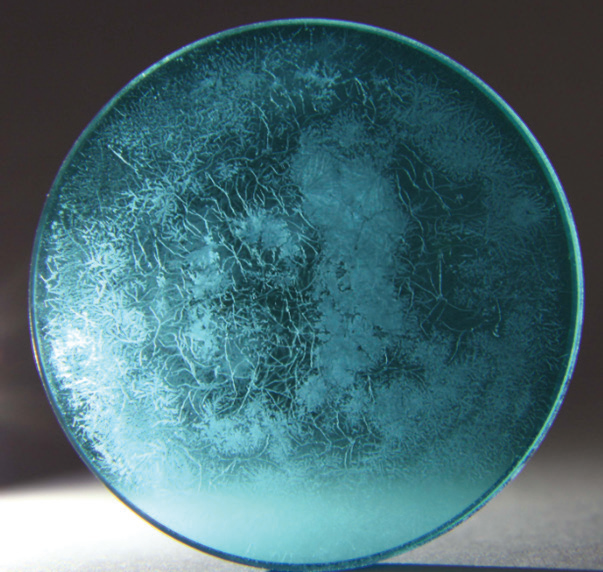
Dental operating microscope is a life time investment. A knowledge of the possible source of damage to lens with due course of time is essential to the operators. One known cause being…

Dr. Pavana Kamath

Vol. 12, Issue 12 · November 2019

Management of Curved Canals: A Dilemma

Successful endodontic therapy is largely dependent on a triad of access cavity, canal preparation, and three‑dimensional hermetically sealed obturation of the canals. Canal preparation is…

Dr. Annil Dhingra

Vol. 12, Issue 11 · October 2019

Basic Steps in Rubberdam Application

Rubber dam application requires a careful study of the clinical situation and planning prior to application of the same. Identify which teeth to include in the operating field for the…

Dr. Pavana Kamath

Vol. 12, Issue 10 · September 2019

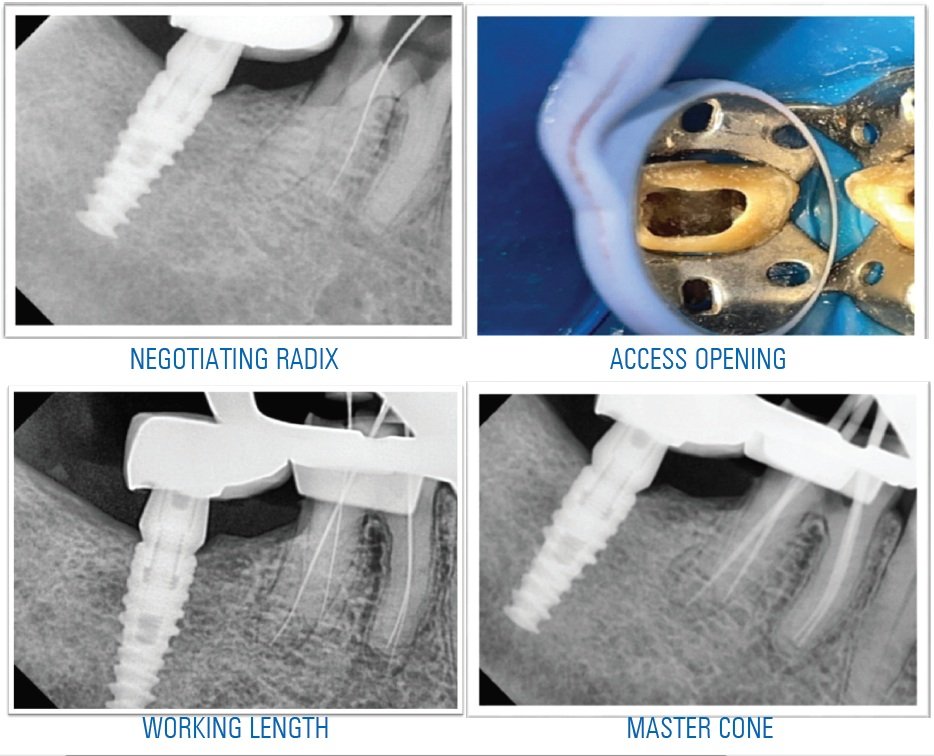
Radix Entomolaris

As stated by Barrett, “of all the phases of anatomic study in the human system, one of the most complex is that of pulp cavity morphology. 1 A complete knowledge and potential variations in…

Dr. Annil Dhingra

Vol. 12, Issue 10 · September 2019

Rubber Dam Frames and Accesories

The rubber dam frame reflects the rubber dam sheet and holds it in place,it stabilises and stretches the dam so that it fits tightly around the teeth and gives operator a clear working…

Dr. Pavana Kamath

Vol. 12, Issue 9 · August 2019

Surgical Management of Large Lesions

An apicoectomy was well defined in 1884 by J. Farrar as “a bold act, which removes the entire cause [of disease] and which will lead to a permanent cure [...] may not be the best in the…

Dr. Annil Dhingra

Vol. 12, Issue 8 · July 2019

Rubber Dam Clamps

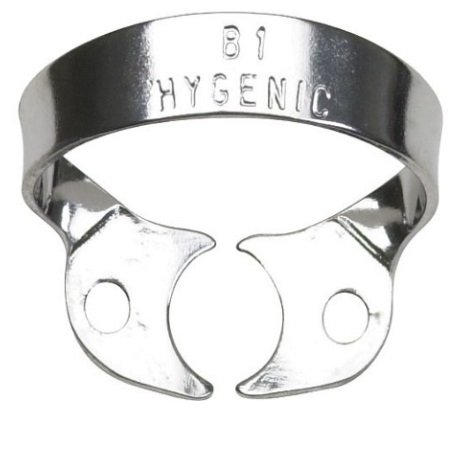
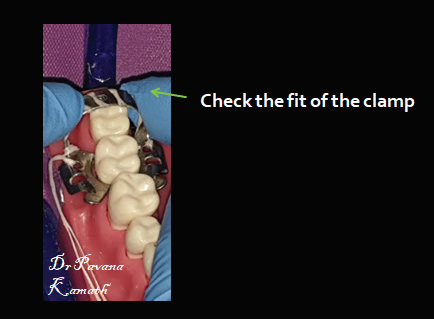
THE RUBBER DAM RETAINER/CLAMP The rubber dam clamp is a part of the kit which is used to anchor the dam to the tooth in order to isolate the field. The rubber dam clamp needs to engage the…

Dr. Pavana Kamath

Vol. 12, Issue 7 · June 2019

Management of a Large Periapical Cyst

Traumatic injuries commonly affect the anterior teeth leading to slow death of the pulp which result to the formation of periapical cyst by the proliferation of cell rests of Malassez…

Dr. Manisha Bhati

Vol. 12, Issue 7 · June 2019

Rubber Dam and Latex Allergy

A review of Rubber dam sheets is not complete without a working knowledge of rubber dam and latex allergies The incidence of hypersensitivity reactions to natural rubber latex(NRL)has risen…

Dr. Pavana Kamath

Vol. 12, Issue 7 · June 2019

Surgical Management of Cystic Lesion

Radicular cysts are the most common cystic lesions which affect the jaw. They are most common among all the jaw cysts and comprise about 52% to 68% of the entire cysts which affect the…

Dr. Annil Dhingra

Vol. 12, Issue 6 · May 2019

The Rubber Dam Armamentarium

The advantages of rubber dam use as was elaborated in the previous article have led to the use of rubber dam being accepted as a standard of care by professional organizations (European…

Dr. Pavana Kamath

Vol. 12, Issue 4 · March 2019

Management of Cystic Lesions in Endodontics

Successful endodontic therapy depends on complete periapical repair and regeneration. In cases where conventional root canal therapy fails to eliminate the lesion, surgery is the last…

Dr. Annil Dhingra

Vol. 12, Issue 4 · March 2019

Rubber Dam and its Application in Endodontics

RUBBER DAM A dental dam or rubber dam (sometimes termed "Kofferdam"—from German), designed in the United States in 1864 by Sanford Christie Barnum, is a thin, 6-inch (150 mm) square sheet…

Dr. Pavana Kamath

Vol. 11, Issue 11 · October 2018

Accesories to the Dental Opearting Microscope

Microscopes are an excellent addition to the dental armamentarium. The accessories when added to the microscopes ,improves their function multifold. Accessories offer you the flexibility to…

Dr. Pavana Kamath

Vol. 11, Issue 10 · September 2018

Anatomy of the Dental Operating Microscope

DENTAL OPERATING MICROSCOPE Pic courtesy: Sanma Medineers Operating microscopes have been used for more than eighty years in various medical specialties as ophthalmology, otolaryngology…

Dr. Pavana Kamath

Vol. 11, Issue 9 · August 2018

Enamel Hypoplasia

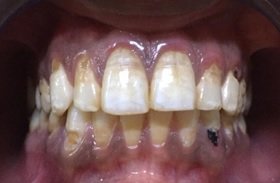
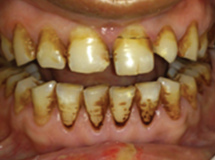
Many times we come across people who have some white, brown or yellow spots on their teeth and may be opaque-looking tooth enamel, dear friends it is a case of HYPOCALCIFICATION. These…

Dr. Kalpana Sinsinbar

Vol. 11, Issue 8 · July 2018

Dental Loupes -1

The role of magnification with good illumination is clear to all of us. PARAMETERS Several parameters influence the successful use of dental loupes. Fixed parameters Adjustable parameters…

Dr. Pavana Kamath

Vol. 11, Issue 8 · July 2018

Dental Loupes -1

The role of magnification with good illumination is clear to all of us. In this article I shall attempt to simplify The Dental Loupes and acquaint with the terminologies used with them…

Dr.Pavana Kamath

Vol. 11, Issue 4 · March 2018

Can We Replace Amalgam with Cention N?

Over the past years esthetic dentistry has shown considerable progress leading to the development of a number of improved restorative materials (1)Numerous direct restorative materials are…

Dr. Annil Dhingra

Vol. 11, Issue 1 · December 2017

Root Amputation of Maxillary Molar Teeth

A case is reported documenting successful treatment of fractured mesiobuccal root of a maxillary left first molar. Surgical endodontic therapy was performed along with root amputation of…

Dr. Suresh Kumar Pandey

Vol. 10, Issue 11 · October 2017

Management of Fratured Teeth

Provision ofinnovative treatment solutions to various problems has always been the motto of medical scientific brains. Dentistry is no exception to this endeavor. The acceptance ofadvances…

Dr. Annil Dhingra

Vol. 10, Issue 10 · September 2017

Why Should I Do Single Visit Root Canal Treatment

Today the face of endodontics has totally changed with the evolution of newer techniques, instruments, materials and better understanding of canal anatomy. In addition to this single visit…

Dr. Annil Dhingra

Vol. 10, Issue 8 · July 2017

Endo Tell a Tale

Q.1- What is smear layer in Endodontics and what is its clinical significance? It is a layer as a result of rasping action of any endodontic file. Any metallic instrument ( rotating or…

Dr. Mandar Pimprikar

Vol. 10, Issue 7 · June 2017

Platelet Rich Fibrin in Endodontics

The primary goal of dental treatment is the maintenance of the natural dentition in health and for optimum comfort , function and esthetic. Periapical infections should be initially treated…

Dr. Annil Dhingra

Vol. 10, Issue 6 · May 2017

Why My Rotary Endodontic Files Break ?

We are in the world of rotary Nickel Titanium instruments. We found all the canals, the cleaning and shaping are going well, and all of a sudden you feel a snap, and your rotary file breaks…

Dr. Annil Dhingra

Vol. 10, Issue 5 · April 2017

Length Determination Length Determination

Cleaning and Shaping of the root canal system are among the most important phases of endodontic treatment because they ease pain and eliminate debris and bacterial pathogens. The most…

Dr. Annil Dhingra

Vol. 10, Issue 2 · January 2017

Time to Change

Have you ever thought about why some people are so resistant to change? Why when faced with change we immediately turn into two-year-olds and say things like, “That’s not how we used to do…

Dr. Anil Dhingra

Vol. 9, Issue 12 · November 2016

"Model Success. Success Leaves Clues."

Dr. Herbert Schilder used the title, "Predictably Successful Endodontics," to describe In the most simple and direct way longterm treatment success that is not only possible, but…

Dr. Anil Dhingra

Vol. 9, Issue 10 · September 2016

Rotary Endo Economics

Successful endodontic treatment depends on a series of sequential procedures including shaping and cleaning of the root canal system. Biggest engima for an endodontist is the separation of…

Dr. Annil Dhingra

Vol. 9, Issue 8 · July 2016

Conventional Imaging Technique in Endodontics

Diagnosis, treatment planning and clinical outcome assessment in endodontics depend to a large extent on radiographic examinations. Conventional periapical radiographs, either captured on…

Dr. Annil Dhingra

Vol. 9, Issue 7 · June 2016

Management of Large Radicular Cyst

Radicular cysts are the most common odontogenic cystic lesions of inflammatory origin and are managed either by surgical enucleation or by marsupialization. This article aims to report a…

Dr. Bharatendu Kawatra

Vol. 9, Issue 7 · June 2016

Importance of Apical Third Management

The minor constriction of the apical foramen should ideally be maintained at its initial size and position after bio mechanical cleaning and shaping procedures. Best endodontic results can…

Dr. Annil Dhingra

Vol. 9, Issue 5 · April 2016

Working Width in Endodontics -1

Root canal shaping is one of the most important steps in canal treatment. It is essential to determine the efficacy of all subsequent procedures, including chemical disinfection and root…

Dr. Anil Dhingra

Vol. 9, Issue 4 · March 2016

Management of Open Apex

Mineral trioxide aggregate (MTA) is a material that has been used successfully in many clinical applications, such as apical barriers in teeth with immature apices, repair of root…

Dr. Panna Mangat

Vol. 9, Issue 3 · February 2016

What Could Be the Possible Reason for the Low Percentage of Success in the Root Canal Treatment of Teeth with Pulp Necrosis with Evident Radiographically Periapical Lesion( Apical Periodontitis) Called by Us as Necropulpectomies II and Cases of Re-Treatme

Root canal treatment of teeth with necrosis (gangrene) and with evident, chronic radiographically visible periapical lesion (apical periodontitis). These cases are considered infectious…

Dr. Annil Dhingra

Vol. 9, Issue 2 · January 2016

Access Is Success

The success of endodontic treatment depends entirely on precise, proper execution of preparation of access cavity. An access cavity that has been prepared improperly in terms of position…

Dr. Ashwini. B.S

Vol. 9, Issue 2 · January 2016

Flexibility and Accuracy…the NITI Era!!!

The metallurgical properties of the commonly used instruments in our clinics are often overlooked and not clearly understood. We buy our instruments according to how efficiently the…

Dr. Shariq Kadri

Vol. 8, Issue 9 · August 2015

Taurodontism

Taurodontism can be defined as a change in tooth shape caused by the failure of the Hertwig’s epithelial sheath diaphragm to invaginate at the proper horizontal level. An enlarged pulp…

Dr. Amit Sashte

Vol. 8, Issue 4 · March 2015

Single Step Apexification with MTA

Immature teeth with necrotic pulp and periapical lesion are difficult to treat via conventional endodontic therapy. Numerous procedures and materials have been utilized to induce root-end…

Dr.Tina Puthen Purayil

Vol. 8, Issue 4 · March 2015

Retrieval of Broken Instrument

During root canal preparation procedures, the potential for instrument breakage is always present. When instrument breakage occurs, it leads to anxiety of the clinician and as well as a…

Dr Annil Dhingra

Vol. 7, Issue 12 · November 2014

Bioceramics in Endodontics

One of the advances in the field of Endodontics in recent years is the introduction of Bioceramic Technology. There are many advantages of Bioceramics in Endodontics and these are…

Dr. Charu Dayal

Vol. 7, Issue 12 · November 2014

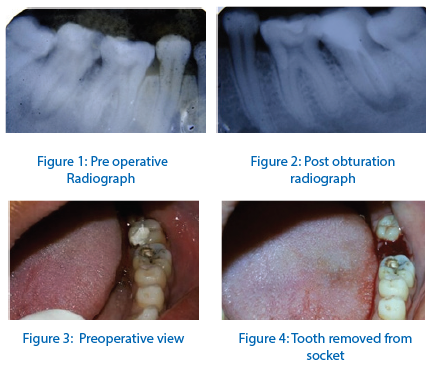
Intentional Reimplantation

Intentional reimplantation is a procedure in which tooth extraction is performed followed by reinsertion of the extracted tooth into its own socket after performing the desired procedure…

Dr. Anil K Tomer

Vol. 7, Issue 11 · October 2014

Single Step Apexification with MTA

Immature teeth with necrotic pulp and periapical lesion are difficult to treat via conventional endodontic therapy. Numerous procedures and materials have been utilized to induce root-end…

Dr.Tina Puthen Purayil

Vol. 7, Issue 10 · September 2014

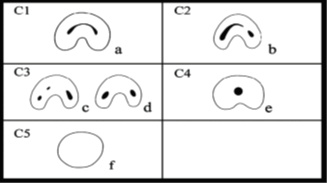
C-Shaped Root Canals- Endodontist,S Challenge

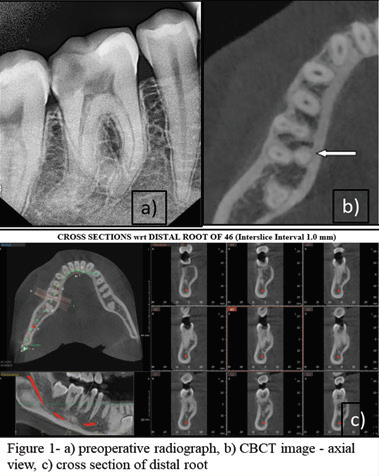
The C-shaped canal is an aberration of root canal morphology having ethnic predilection. The main reason for endodontic failure is inability to detect these unusual variants. The purpose of…

Dr. Isha Tomar

Vol. 7, Issue 4 · March 2014

Peripheral Ossifying Fibroma

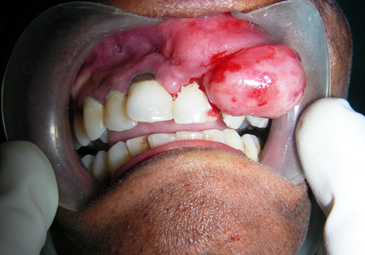
Peripheral ossifying fibroma is defined as a non- neoplastic enlargement of gingiva that is classified as a reactive hyperplastic inflammatory lesion 1. The synonyms of POF are peripheral…

Dr. Sonu Punia

Vol. 7, Issue 4 · March 2014

Electronic Apex Locators - an Insight

Electronic apex locators are considered an accurate tool for determining the working length. Studies have reported that its use resulted in a higher quality of obturation length control and…

Dr. Anil Dhingra

Vol. 7, Issue 2 · January 2014

Microscopes and Endodontics

Use of Microscope in the field of medical science is not new. Introduction of Dental Operating Microscope (DOM) in Endodontics has changed the field completely and started a new era of…

Dr Abhishek Mahajan

Vol. 7, Issue 2 · January 2014

Management of Avulsed Teeth

Clinicians often face challenges related to the replantation of the avulsed teeth. Though the risk of progressive replacement resorption and subsequent tooth loss is high after a long dry…

Dr. Gaurav Bhardwaj

Vol. 7, Issue 1 · December 2013

Revision of Root Canal

Out of every 100 endodontically treated cases, 10% are failures .Every clinician encounters with a retreatment case in their dental practice. They are regularly confronted with different…

Dr. Anil Dhingra

Vol. 6, Issue 13 · November 2013

Sculpt with Optra Pad

Because of the socioeconomic status of the patients, direct resin composite laminate veneers were used to improve the esthetics of their maxillary and mandibular anterior teeth. Laminate…

Dr. Niladri Maiti

Vol. 6, Issue 12 · October 2013

Taurodontism - Engima to Endodontist

Taurodontism is a type of variation in tooth morphology that occurs predominantly in molars and it refers to change in tooth shape caused by the failure of Hertwig’s epithelial sheath…

Dr. Mohita Dhingra

Vol. 6, Issue 12 · October 2013

Radixentomolaris: A Rare Macrostructure

The prevention or healing of endodontic pathology depends on a through chemo-mechanical cleansing and shaping of the root canals before a dense root canal filling with a hermetic seal. An…

Dr. Satyendra Agarwal

Vol. 6, Issue 9 · July 2013

Management of Endodontically Treated Teeth

The clinical decision as to whether an endodontically treated tooth requires a post and a crown poses a challenge to dental practitioners. The longevity of endodontically involved teeth has…

Dr. Ajai Gupta

Vol. 6, Issue 9 · July 2013

Fiber Reinforced Bridge

The development of glass fiber reinforced with composite technology has created a new era in metal-free adhesive dentistry. Conservative chair side bridges can be fabricated by acid etching…

Dr. R. Mensudar

Vol. 6, Issue 7 · May 2013

Caries Prevention

Primary goal of caries prevention program should be to reduce the numbers of cariogenic bacteria. Prevention should start with a consideration of overall resistance of the patient to…

Dr. Gary Ignatius

Vol. 6, Issue 6 · April 2013

Dental Ergonomics: Your Path to Peak Performance

An ounce of prevention is better than pounds of cure. That’s what dental health care workers spend their day telling their patients, but it also applies to working conditions that can cause…

Dr. Satyabrat Banerjee

Vol. 6, Issue 3 · January 2013

Role of Calcium Hydroxide in Pulpotomy Procedures

Conservative treatments like, pulpotomy, is a dental procedure that preserves the vitality of pulpal tissue, and calcium hydroxide has been used for many years as a capping material. It has…

Dr. Sanjay Miglani

Vol. 6, Issue 3 · January 2013

Enterococcus Faecalisa Formidable Foe

Enterococcus faecalis is a micro-organism that can survive extreme challenges. Its pathogenicity ranges from life threatening diseases in compromised individuals to less severe conditions…

Dr. Amarnath Shenoy

Call for papers

Publish your clinical work in Guident

Original research, case reports and review articles are welcomed from clinicians and researchers worldwide. Every submission is assessed by the editorial board.