Turbo Tunnels
Victoria, Australia
In a democracy, enterprises move forward in a competitive environment by improving the quality of the goods or services they deliver and the efficiency in which they are delivered. The professions should be no exception to this.
The statutory franchises the professions have enjoyed have been eroded by deregulation and legislation by succeeding governments as they try to reduce the costs to the community of professional services.
Infection control and regulation has had a substantial effect on the costs of dentistry. Apart from raising fees, one method of countering this effect is to seek ways of improving the efficiency of delivering dental care whilst at the same time improving the quality of the service provided.
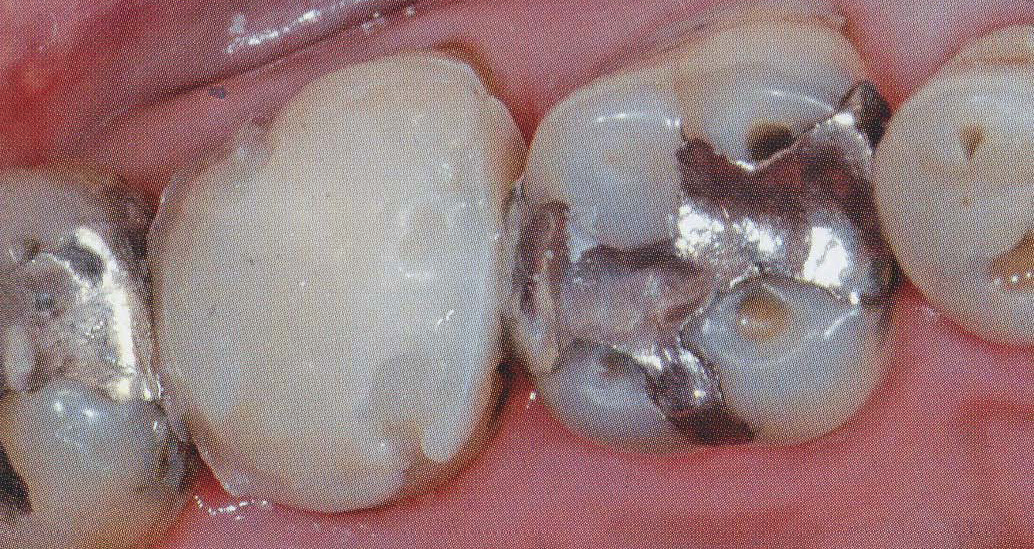
The traditional approach to treating a proximal cavity has been to access the lesion by removal of the proximal ridge. Apart from destroying far more tooth structure than that caused by the lesion, such a procedure seriously damages the structural integrity of the tooth predisposing to future cusp loss or internal fracturing.
The tunnel restoration is an alternative treatment option that still requires removal of sound tooth structure to access the lesion but leaves the peripheral rim of the crown intact preserving the structural integrity of the tooth. While there are dentists who feel that such a cavity preparation prevents visual and mechanical access to a proximal lesion, a “T” shaped access cavity enables a comparable access as a conventional Class II preparation.
As a tunnel preparation rarely involves a centric occlusal stop a glass ionomer cement restoration is adequate resist occlusal wear. One of the challenges of glass ionomer cement is to condense it into a tunnel restoration so that there are no voids, especially in the proximal area, that could compromise the predictability of the finished restoration.
A further challenge facing restorative dentists is the contouring and finishing of a restoration. These are procedures that often exceed the combined time of tooth preparation and restoration placement.
The following clinical technique substantially reduces the time required to place a tunnel restoration and assures adequate condensation of the glass ionomer cement into the prepared cavity.
CLINICAL TECHNIQUE
The patient presented with a proximal lesion on the distal of an upper first premolar.
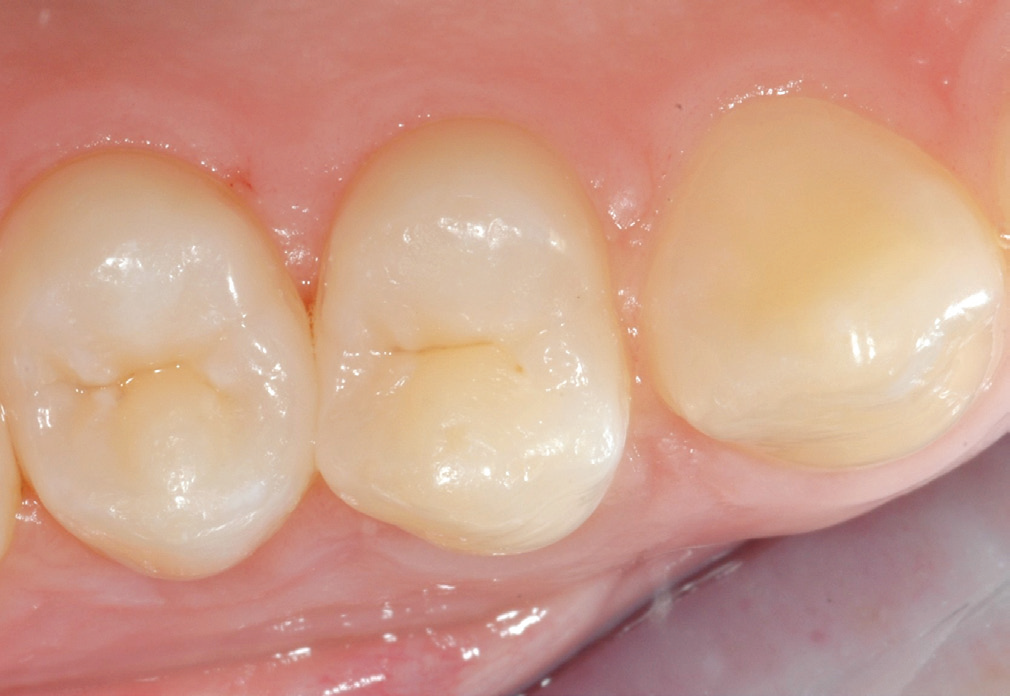
Fig 1. Patient Presented with a distal lesion on an upper first premolar.

Fig 2. A ‘T’ access cavity was created in the enamel and caries removed with #5 round bur.

Fig 3. A short Mylar strip was placed interproximally and wedged against the cavity preparation.
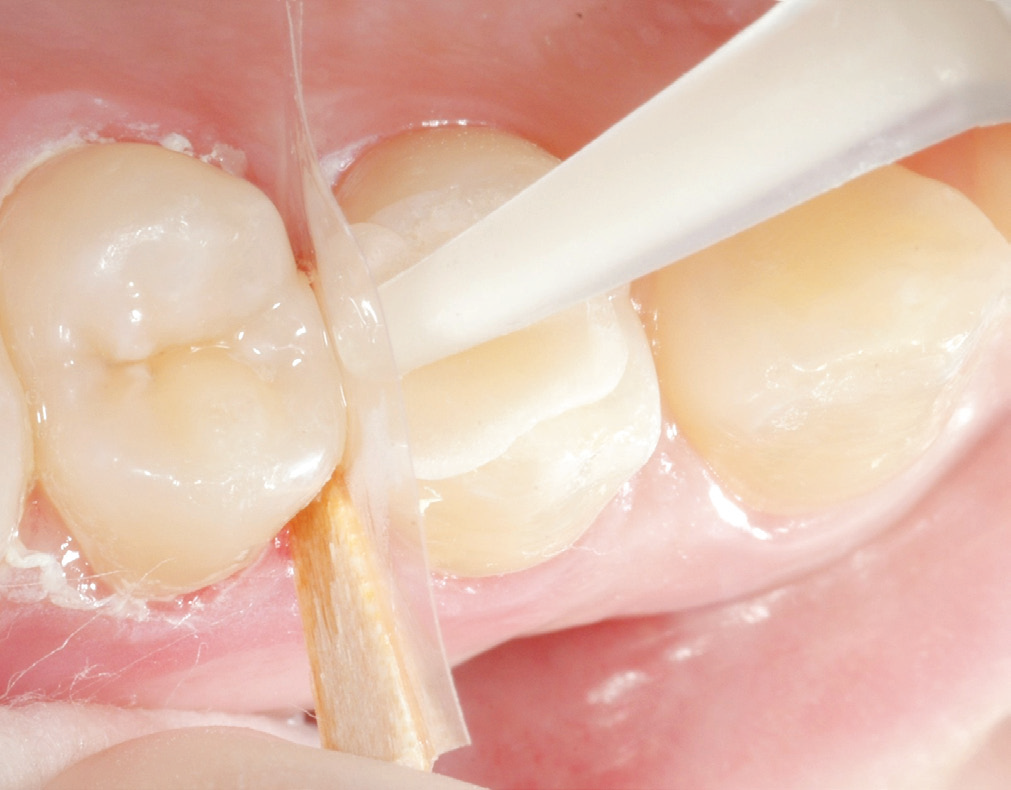
Fig 4. After etching glass ionomer cement was placed to slightly overfill the cavity.
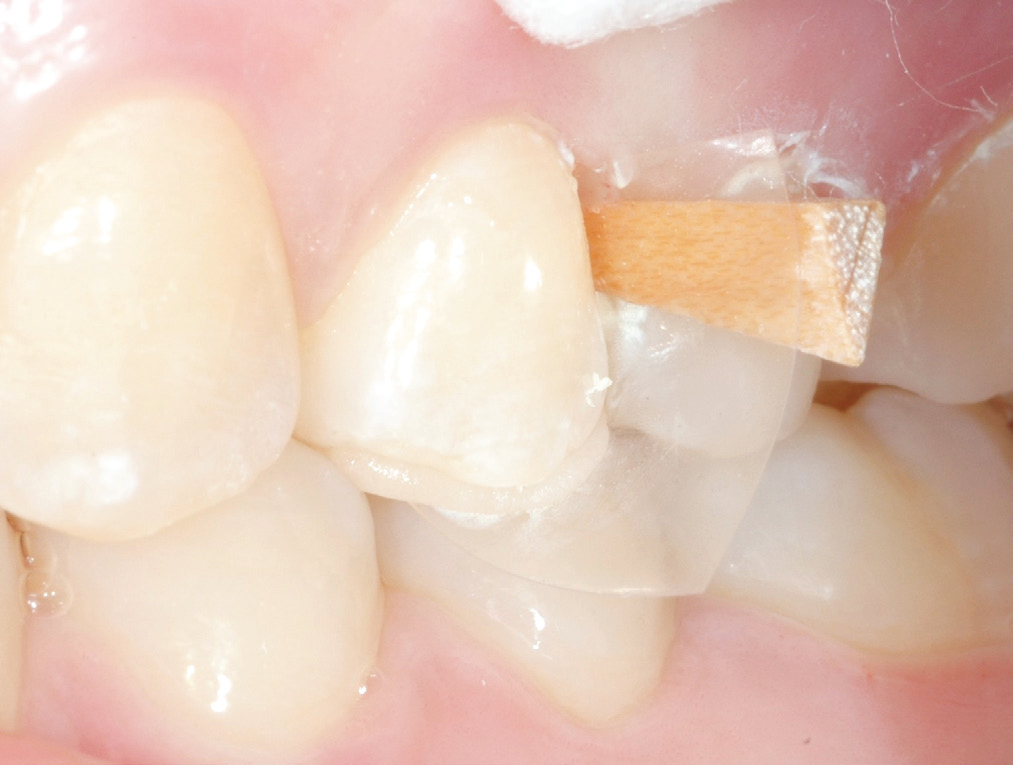
Fig 5. As patients close their mouths the Mylar strip was pushed over the occlusal cavity, eliminating voids in the restoration and reducing the amount of occlusal contouring.
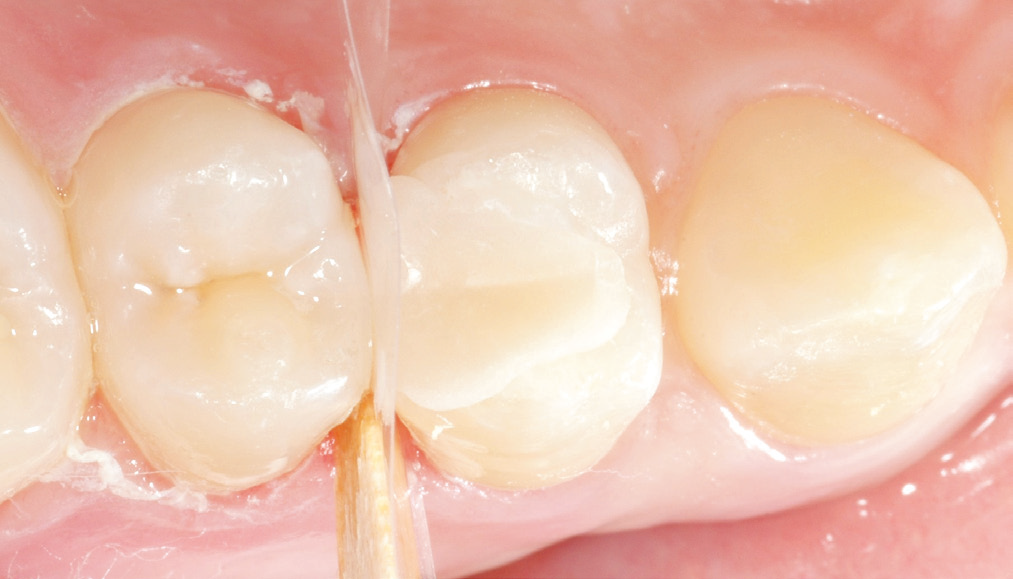
Fig 6. After setting the wedge and Mylar strip were removed and the restoration contoured and finished.

Fig 7. The completed restoration: most conservative and aesthetic option for restoring an initial Class II Cavity.
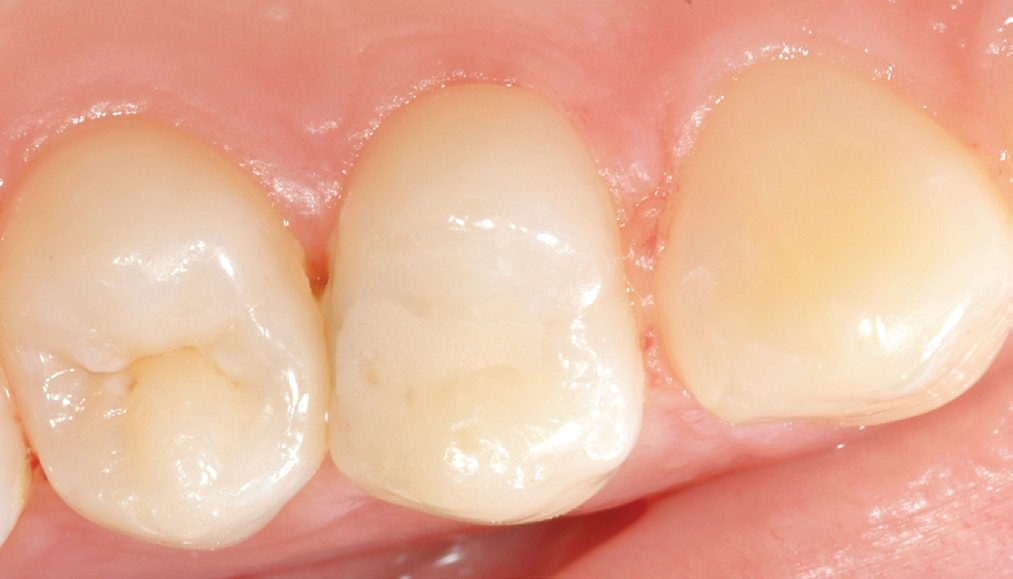
Fig 8. Tunnel restoration 14 months after placement.
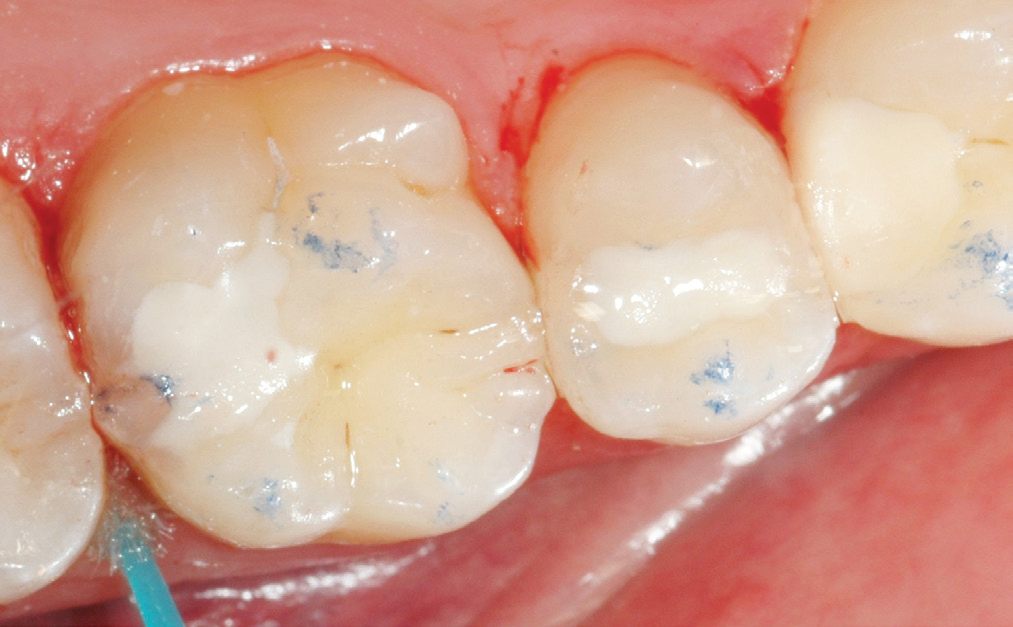
Fig 9. A layer of protective varnish may reduce proximal surface degradation of the glass ionomer cement.
Disclaimer from Guident
The views and opinions expressed in articles published in Guident are solely those of the authors and do not necessarily reflect the views of the editors, the editorial board or the publisher, Ivory India. Guident does not endorse any product, technique or treatment described. Clinical content is intended for qualified dental and medical professionals and is not a substitute for individual clinical judgement. Guident, its editors and the publisher accept no liability for any consequence arising from the use of information published in the journal.
How to cite this article
Dr. Geoffrey M Knight. Turbo Tunnels. Guident. 2014 Dec;8(1). Available from: https://guident.in/articles/aesthetic-dentistry/turbo-tunnels.html