Shade Selection in Prosthodontics
Department of Prosthodontics, Crown & Bridge and Implantology People, s College of Dental Sciences & Research Center Bhopal (M.P), India
ABSTRACT
Patient’s satisfaction with shade matching is important when constructing or replacing a restoration, and the level of satisfaction of patients may differ from that of the clinician. Esthetic expectations have increased significantly over the last few years. Color and shade determination have traditionally been one of the greatest challenges in dentistry. Measurement of tooth color is possible via various methods including visual assessment with shade guides, spectrophotometry, colorimetry, and computer analysis of digital images. Each method has its own advantages and limitations; however, all have been successfully used for shade selection.
INTRODUCTION
Patient satisfaction with shade matching is important when constructing or replacing a restoration. Esthetic expectations have increased exponentially in recent years. Esthetics depends not only on form and translucency but also on color.1
Modern devices can recognize up to 10 million shades, whereas the human brain recognizes approximately one million shades. Human dentition varies significantly, and electronic instruments can distinguish around 100,000 shades, while the human eye can recognize only about 1%.2
Tooth color is mainly determined by dentin, while enamel plays a minor role through light scattering. Three variables define color perception: hue, value, and chroma.3,4
- Hue: Dominant color tone
- Value: Lightness or darkness
- Chroma: Intensity or saturation
Color selection techniques are divided into two categories: visual and instrumental methods.
VISUAL METHODS
Visual color determination is the most commonly used method in clinical dentistry. It depends on clinician experience and environmental conditions. Shade guides and tooth color atlases are commonly used.
Common shade guides include:
Vita 3D-Master, IPS Impulse, Vita Classical, Enamel Plus HFO, Trublend, Filtek Supreme Plus, Chromascop.6
The Vitapan Classical shade guide has been a gold standard for decades. It divides shades into four groups based on hue and chroma.

Fig 1: Tab arrangement of the Vitapan Classical shade guide
The Vitapan 3D Master shade guide consists of 26 tabs grouped by lightness and arranged by chroma and hue.
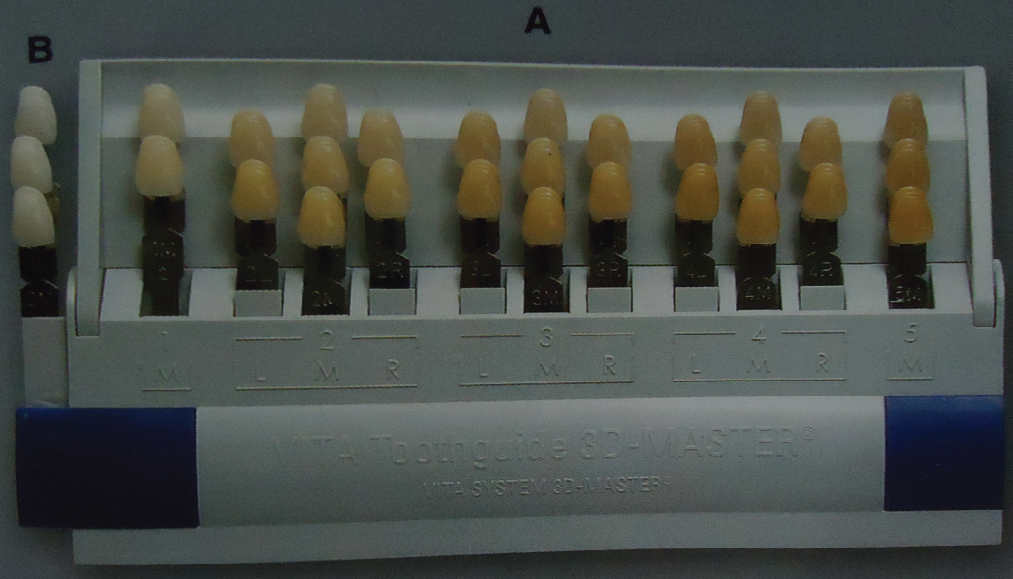
Fig 2: Vitapan 3D Master Shade Guide
Chromascop shade guide includes bleaching shades.

Fig 3: Chromascop Shade Guide
Vintage Halo shade guide consists of multiple sets categorized by lightness.
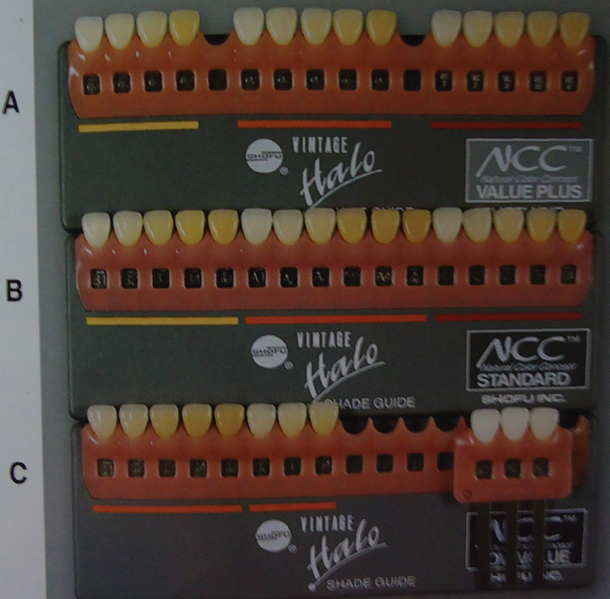
Fig 4: Vintage Halo Shade Guide
INSTRUMENTAL METHODS
Instrumental methods provide objective shade measurement using devices such as colorimeters, spectrophotometers, and digital cameras.
Colorimeters measure color using L*, a*, b* coordinates representing brightness and chromatic values.7
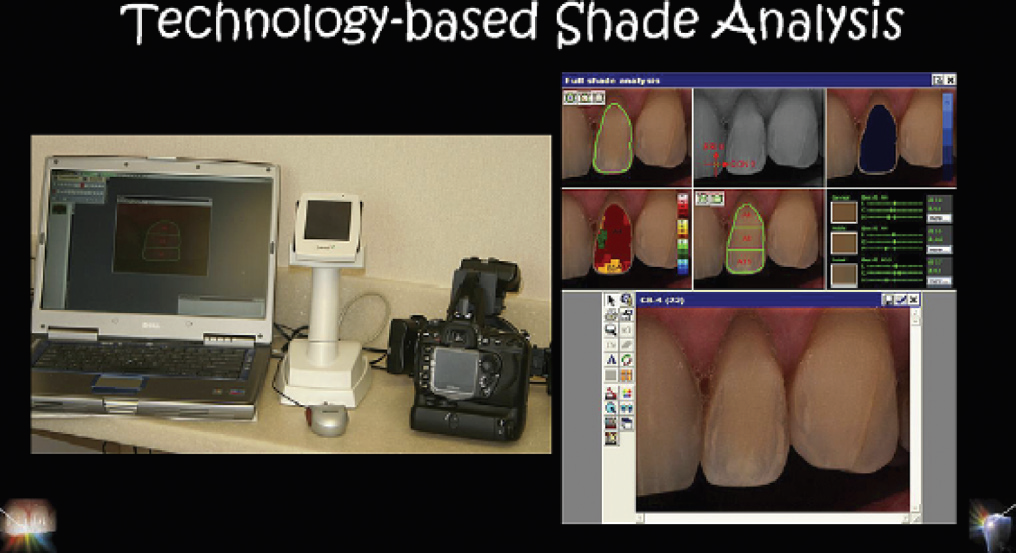
Fig 5: Composite Shade Analysis Map
Spectrophotometers like Vita Easyshade measure tooth color accurately and analyze different regions of the tooth.

Fig 6: Vita Easyshade
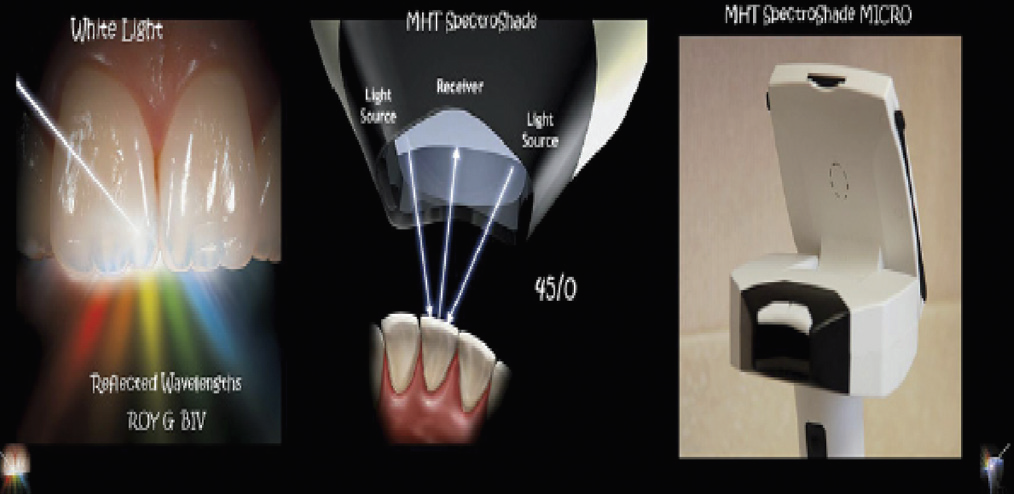
Fig 7: Spectrophotometer Function
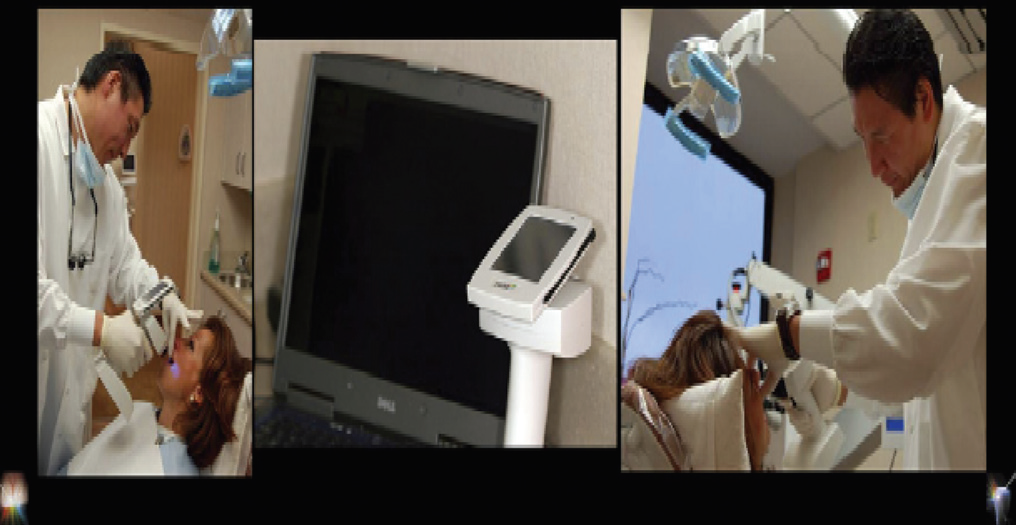
Fig 8: Portable Spectrophotometer
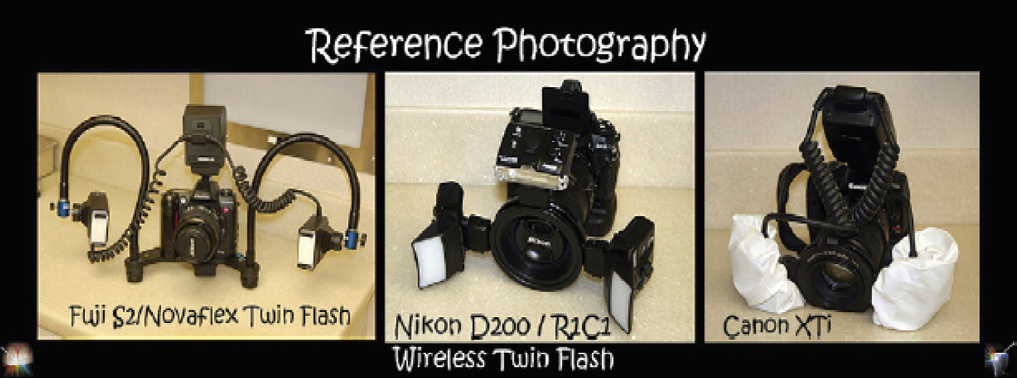
Fig 9: Digital Camera
GUIDELINES FOR SHADE TAKING
- Use proper lighting (5500K, CRI 100).6
- Select shade before dental unit light is turned on.9
- Avoid eye fatigue; observe for less than 5 seconds.6
- Evaluate under natural and reflected light.10
- Maintain correct viewing distance and eye level.11,12
- Place shade tab parallel to the tooth.6
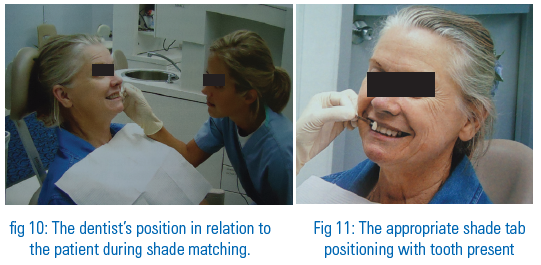
Fig 10: Shade Matching Position
CONCLUSION
Tooth color perception is complex and influenced by multiple factors such as lighting, translucency, and human perception. Various methods exist for shade determination, each with its own strengths and limitations.
Successful shade matching depends not only on color but also on overall esthetics, including shape, symmetry, and harmony. Academic training plays a crucial role in improving shade selection skills.
Shade matching requires patience and precision. While patient preference is important, the final decision should be made by the clinician. Advances in shade guides and technology will further improve accuracy.
REFERENCES
- Dosari AAA. Reliability of tooth shade perception by dental professionals and patients. Pakistan Oral & Dental Journal 2010;30(1):244–249.
- Monetti L. How to Match the Real Thing: Tips on Choosing Shades for Artificial Teeth. Dental Teamwork;6(3):38–39.
- Brodbelt RHW, O’Brien WJ. Translucency of human dental enamel. J Dent Res 1981;60:1749–1753.
Disclaimer from Guident
The views and opinions expressed in articles published in Guident are solely those of the authors and do not necessarily reflect the views of the editors, the editorial board or the publisher, Ivory India. Guident does not endorse any product, technique or treatment described. Clinical content is intended for qualified dental and medical professionals and is not a substitute for individual clinical judgement. Guident, its editors and the publisher accept no liability for any consequence arising from the use of information published in the journal.
How to cite this article
Dr. Surendra Agarwal, Dr. Anjali Bhoyar, Dr. Shilpi K Pandey. Shade Selection in Prosthodontics. Guident. 2013 Mar;6(5). Available from: https://guident.in/articles/prosthodontics/shade-selection-in-prosthodontics.html