Nutritional Considerations in Geriatrics
Department of Prosthodontics Ame Dental College & Hospital, Raichur, India
ABSTRACT
Oral health is a prerequisite for a good chewing function, which may have an impact on food choices and nutritional well-being.1 The relationship between oral health and nutritional health in the elderly is complex and controversial, and current understanding of it is limited4. To lead a healthy and active life, human beings need a broad range of nutrients. Nutritional deficiency, particularly of proteins, is very common in the elderly. A well-proportionate diet is essential from the beginning stages of life for complete growth, development, and maintenance of normal body functioning, physical activity, and health. Dentistry for the elderly must be practiced with increased awareness of the biologic factors, since the adaptive mechanism and tissue regenerative potentials in the elderly patients are usually significantly lowered.
Key words: Balanced diet, Malnutrition, Edentulous, Geriatrics
INTRODUCTION
Oral health is a prerequisite for a good chewing function, which may have an impact on food choice and nutritional well-being2,3. A variety of oral conditions can lead to an inadequate nutritional status, including tooth loss, pain and discomfort associated with caries, periodontal disease and ill-fitted dentures . The absence of teeth in particular can affect the digestive capacity and nutritional status of the individual. Furthermore, the selection of food can be impaired due to the reduced masticatory capacity of the individual, leading to a restricted intake of fiber and protein containing foods.4 Maintaining an adequate nutritional status is important because an inadequate health status can lead to either underweight, which increases the risk of infections and mortality5, or possible overweight, which increases the risk of chronic diseases such as hypertension and diabetes6,7.
WHAT A BALANCED DIET IS?
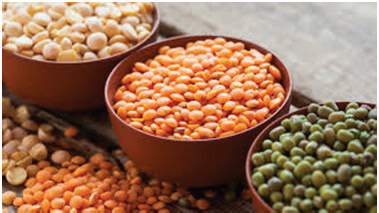
A balanced diet is one that provides all the nutrients in required amounts and proper proportions. It can easily be achieved through a blend of the four basic food groups. The quantities of foods needed to meet the nutrient requirements vary with age, gender, physiological status, and physical activity. A balanced diet should provide around 50 to 60% of the total calories from carbohydrates, preferably from complex carbohydrates, about 10 to 15% from proteins, and 20 to 30% from both visible and invisible fat. In addition, a balanced diet should provide other non-nutrients, such as dietary fibers, antioxidants, and phytochemicals, which bestow positive health benefits. Antioxidants, such as vitamins C and E, beta-carotene, riboflavin, and selenium protect the human body from free radical damage. Other phytochemicals, such as polyphenols, flavones also afford protection against oxidant damage. Spices like turmeric, ginger, garlic, cumin, and cloves are rich in antioxidants.11
WHAT IS MALNUTRITION?
Malnutrition is defined as “a state of nutrition in which a deficiency or excess (or imbalance) of energy, protein and other nutrients causes measurable adverse effects on tissue/body form (body shape, size, and composition) and function, and clinical outcome.” Many nutritional deficiencies show oral manifestations which serve as good soil for many pathologies.
IMPACT OF ORAL HEALTH ON NUTRITION IN DENTURE WEARERS
Oral health status is an important factor for nutrition. The sequelae of treatment with complete denture may have adverse effects on the health of both oral and denture supporting tissues. The effects can be direct or indirect. The direct sequelae include: denture stomatitis, denture irritation, hyperplasia, traumatic ulcer, flabby ridges, residual ridge resorption, mucosal ulcerations, altered taste perception, burning mouth syndrome and gagging. Indirect sequelae are related to reduce chewing ability with an overall reduction in the functional capacity and general health. Further inadequate diet can lead to reduced tolerance of the tissues to normal wear and tear and this reduced resistance, in turn, can result in poor adaptation to dentures.20,21
IMPACT OF EDENTULISM ON GENERAL HEALTH
According to several studies, tooth loss can affect general health in several ways as indicated as follows41.
(a) lower intake of fruits and vegetables, fiber, and carotene and increased cholesterol and saturated fats, in addition to a higher prevalence of obesity, can increase the risk of cardiovascular diseases and gastrointestinal disorders27,28;
(b) increased rates of chronic inflammatory changes of the gastric mucosa, upper gastrointestinal and pancreatic cancer, and higher rates of peptic or duodenal ulcers29,30;
(c) increased risk of noninsulin-dependent diabetes mellitus31,32;
(d) increased risk of electrocardiographic abnormalities, hypertension, heart failure, ischemic heart disease, stroke, and aortic valve sclerosis33-35. A study also demonstrated a possible association betweencomplete edentulism and an increased risk of coronary heart disease .Furthermore, a more recent large prospective study concluded that the number of teeth was a dose-dependent predictor to cardiovascular mortality36
(e) decreased daily function, physical activity, and physical domains of health-related quality of life37,38
(f) increased risk of chronic kidney disease39
(g) association between edentulism and sleep-disordered breathing, including obstructive sleep apnea40.
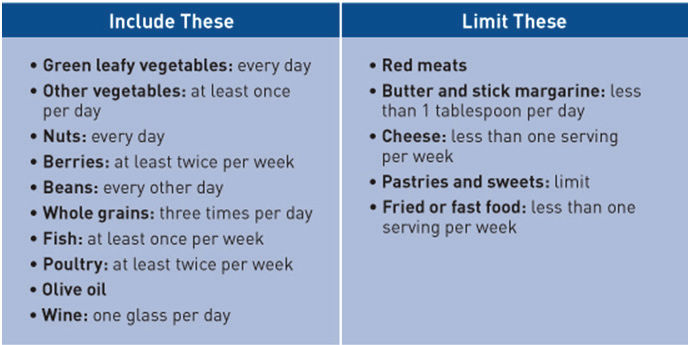
THE MIND DIET
The MIND diet emphasizes foods shown to support a healthy brain and recommends limiting potentially damaging choices. MIND-recommended foods are rich in nutrients such as vitamin E and the omega-3 fatty acid docosahexaenoic acid (DHA). "Dietary vitamin E (tocopherol), which is found in nuts, plant oils, seeds, and leafy greens, is a very potent antioxidant associated strongly with brain health," The more closely the recommendations are followed, the greater the impact on neurological health is likely to be18,19
FACTORS AFFECTING NUTRITIONAL STATUS OF THE ELDERLY
Malnutrition is a common problem in the elderly population throughout the world. Nutritional problems may result from changes associated with the aging process, diseases, or other medical conditions.8,9
Factors are 10 :
- Physiologic factors
- Psychosocial factors
- Functional factors
- Pharmacological factors
Physiological factors
- With a decline in lean body mass in the elderly, caloric needs decrease and risk of falling increases.
- Vitamin D deficiency in turn, is a major cause of metabolic bone disease in the elderly.
- Declines in gastric acidity often occur with age and can cause malabsorption of food-bound vitamin B12.
- Many nutrient deficiencies common in the elderly, including zinc and vitamin B6, seem to result in decreased or modified immune responses.
- Dehydration, caused by declines in kidney function and total body water metabolism, is a major concern in the older population.
- Overt deficiency of several vitamins is associated with neurological and/or behavioural impairment B1 (thiamine), B2, niacin, B6 [pyridoxine], B12, foliate, pantothenic acid, vitamin C and vitamin E).
Psychosocial factors
- A host of life-situational factors increase nutritional risk in elders.
- Elders, particularly at risk, include those living alone, the physically handicapped with insufficient care, the isolated, those with chronic disease and/or restrictive diets, reduced economic status and the oldest old.
Functional factors
- Functional disabilities such as arthritis, stroke, vision, or hearing impairment, can affect nutritional status indirectly.
Pharmacological factors
- Most elders take several prescription and over-the counter medications daily.
- Prescription drugs are the primary cause of anorexia, nausea, vomiting, gastrointestinal disturbances, xerostomia , taste loss and interference with nutrient absorption and utilization. These conditions can lead to nutrient deficiencies, weight loss and ultimate malnutrition.
DIET RECOMMENDED FOR THE ELDERLY
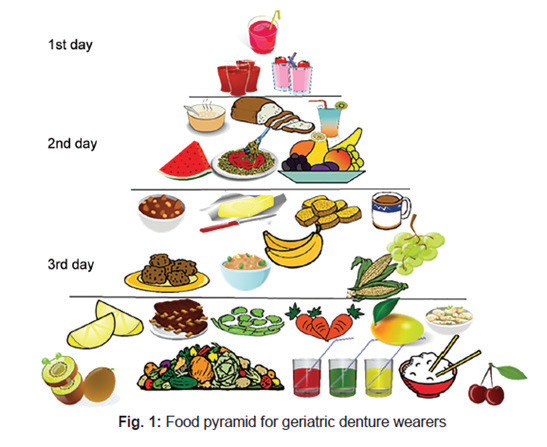
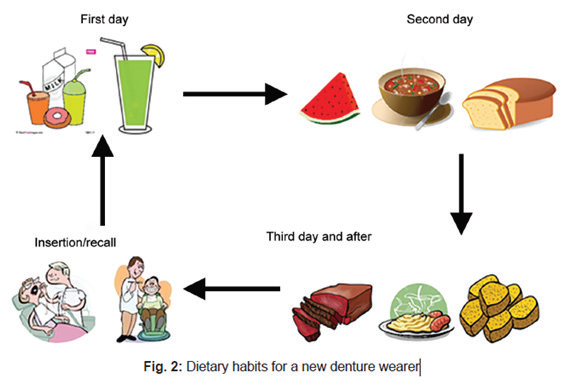
Dietary guidance, based on the assessment of the edentulouspatient’s nutrition history and diet, should be an integralpart of comprehensive prosthodontic treatment. The great majority (70–80%) of edentulous patients have also acknowledged the benefit of complete denture treatment and declared themselves satisfied with their dentures.15 All the nutrients necessary for optimal health in the desirable amounts can be obtained by eating a variety of foods in adequate amounts from the following five food groups:
- Serving of potatoes and other vegetables and fruits.
- Four servings of enriched breads, cereals, and flour products.
- Two servings of milk and milk-based foods, such as cheese.
- Two servings of dried beans, peas, nuts.
- Additional miscellaneous foods including fats, oils, and sugars, as well as alcohol; the only serving recommendation is for about 2 to 4 tablespoons of polyunsaturated fats, which supply essential fatty acids.15
FACTORS THAT AFFECT DIET AND NUTRITIONAL STATUS
The effect of dentures on nutritional status varies greatly among individuals.7-9 Oral impairments affect diet and nutrition due to changes in the ability to taste, bite, chew and swallow foods. Dentures affect the chewing performance adversely. The elderly people tend to use more strokes and chew longer to prepare food for swallowing. According to a recent study, masticatory efficiency in complete denture wearers was approximately 80% lower than in people with intact natural dentition.10
Rhodus and Brown in a study of 67 older adults from institutionalized and free living geriatric population having xerostomia on sialometry reported that statistically significant inadequacies in the nutritional intake patterns. Subjects with xerostomia had significant deficiencies of fiber, potassium, vitamin B-6, iron, calcium and zinc. Taste and food perception were significantly reduced in elders with xerostomia22.,26
Papas et al reported that people with full dentures consumed fewer calories and lower levels of several specific nutrients than did those who had partial dentures or natural dentition.23
Greksa et al concluded that full-denture wearers consumed significantly lower levels of vitamin A and C than did dentate people.24
Norlen et al stated that edentulous women had higher intake of fat and higher coffee consumption than dentate ones.25
ROLE OF PROSTHODONTIST

Apart from masticatory efficiency several other oral conditions such as painful mucosal disorders, oral dryness may also lead to nutritional problems12. Adequate nutrition plays a vital role in maintaining the health of aging oral tissues which in turn is going to influence the prognosis of the prosthesis13. An adequate dentition either natural or artificial is not always essential for sufficient food intake for maintaining balanced nutrition in normal health, but is necessary to support extra demands of illness and aging.
A careful screening, diet evaluation and regular follow-ups will help to identify nutritional risk and deal with it. The objective of diet counselling was to correct the imbalance in nutrition that interfere with the body, as well as oral health.14
CONCLUSION
Complete denture wearers are always at a greater risk of malnutrition than normal population. Regular monitoring of nutritional status of complete denture wearers is important to prevent morbidities and complications associated with malnutrition. Hazards of imbalanced diet, consumption of excessive amount of cariogenic food should be clearly elucidated by the dentist and dietary advice must be given accordingly. Thus, dietary counselling and analysis should be incorporated into the treatment sequence of fabrication of denture prosthesis.
REFERENCES
- Rodrigues Junior, H. L., Scelza, M. F. Z., Boaventura, G. T., Custódio, S. M., Moreira, E. A. M., & Oliveira, D. de L. (2012). Relation between oral health and nutritional condition in the elderly. Journal of Applied Oral Science, 20(1), 38–44.doi:10.1590/s1678-77572012000100008
- Rauen MS, Moreira EAM, Calvo MCC, Lobo AS. Oral condition and its relationship to nutritional status in the institutionalized elderly population. J Am Diet Assoc. 2006;106:1112-4.
- Touger-Decker R, Mobley CC, American Dietetic Association. Position of the American dietetic association: oral health and nutrition. J Am Diet Assoc. 2007;107:1418-28.
- Sheiham A, Steele J. Does the condition of the mouth and teeth affect the ability to eat certain foods, nutrient and nutrition status amongst older people? Public Health Nutr. 2001;4:797-803.
- World Health Organization. Physical status: the use and interpretation of anthtopometry. WHO Technical Report Series.
- Moynihan PJ. The relationship between nutrition and systemic and oral well-being in older people. J Am Dent Assoc. 2007;138:493-7.
- World Health Organization. Obesity: preventing and managingthe global epidemic. Report of a WHO Consultation. WHO Technical.
- Rathee M, Hooda A. Nutritional status in denture wearers: a review. Internet J Nutr Wellness 2011;10(2):1-5.
- Madan N, Bajaj P, Gupta S, Madan N. Nutritional considerations for geriatric edentulous patients. Internet J Geriatr Gerontol 2011;6(1):1-4.
- International Journal of Oral Health Dentistry; July-September 2017;3(3):127-132
- Manual A. Dietary guidelines for Indians. Nat Inst Nutrition 2011;2:89-117.
- Mojon P, Budtz-Jorgensen E, Rapin CH. Relationship between oral health and nutrition in very old people. Age Ageing 1999;28:463-8.
- Winkler S. Essentials of Complete Denture Prosthodontics.2nd ed. New Delhi: AITBS Publishers; 2012. p. 15-20.
- Zarb GA, Hobkirk J, Eckert S, Jacob R. Prosthodontic Treatment for Edentulous Patients. 13th ed. New Delhi: Mosby, Elsevier; 2013. p. 28-33.
- Madan N, Bajaj P, Gupta S, Madan N. Nutritional considerations for geriatric edentulous patients. Internet J Geriatr Gerontol 2011;6(1):1-4.
- International Journal of Preventive and Clinical Dental Research, January-March 2017;4(1):59-63 .
- Lochs H, Allison SP, Meier R, Pirlich M, Kondrup J, Schneider S, van den Berghe G, Pichard C. Introductory to the ESPEN Guidelines on enteral nutrition: terminology, definitions and general topics. Clin Nutr 2006 Apr;25(2):180-186.
- Di Fiore N. Diet may help prevent Alzheimer's: MIND diet rich in vegetables, berries, whole grains, nuts. Rush University Medical Center website. www.rush.edu/news/diet-may-help-prevent-alzheimers
- The MIND Diet — Fighting Dementia With Food By Judith C. Thalheimer, RD, LDNToday's Geriatric Medicine Vol. 8 No. 4 P. 10
- Gilbert GH, Heft MW, Duncan RP. Mouth dryness as reported by older Floridians. Community Dent Oral Epidemiol. 1993; 21: 390-7.
- Norlen P, Steen B, Birkhed D, Bjorn AL. On the relations between dietary habits, nutrients and oral health in women at the age of retirement. Acta Odontol Scand 1993; 51: 277-84.
- Rhodus NL, Brown J. The association of xerostomia andinadequate intake in older adults. J Am Diet Assoc 1990; 90: 1688-92.
- Papas AS, Palmer CA, Rounds MC, Herman J, McGandy RB, Hartz SC et al. Longitudinal relationships between nutrition and oral health. Ann NY Acad Sci 1989;561:124-42.
- Greksa LP, Parraga IM, Clark CA. The dietary adequacy of edentulous older adults. J Prosthet Dent 1995; 73: 142-5.
- Norlen P, Steen B, Birkhed D, Bjorn AL. On the relations between dietary habits, nutrients and oral health in women at the age of retirement. Acta Odontol Scand 1993; 51: 277-84.
- M Rathee, A Hooda. Nutritional Status In Denture Wearers: A Review. The Internet Journal of Nutrition and Wellness. 2009 Volume 10 Number 2.
- T. ¨Osterberg,D.K.Dey,V. Sundh,G. E.Carlsson, J. O. Jansson, and D.Mellstr¨om, “Edentulism associated with obesity: a study of four national surveys of 16 416 Swedes aged 55–84 years,” Acta Odontologica Scandinavica, vol. 68, no. 6, pp. 360–367, 2010.
- H. C. Hung, G. Colditz, and K. J. Joshipura, “The association between tooth loss and the self-reported intake of selected CVD-related nutrients and foods among US women,” Community Dentistry and Oral Epidemiology, vol. 33, no. 3, pp. 167–173,2005.
- C. C.Abnet, Y. L.Qiao, S. M. Dawsey, Z.W.Dong, P. R. Taylor, and S. D. Mark, “Tooth loss is associated with increased risk of total death and death from upper gastrointestinal cancer, heart disease, and stroke in aChinese population-based cohort,” International Journal of Epidemiology, vol. 34, no. 2, pp. 467– 474, 2005.
- R.Z. Stolzenberg-Solomon, K.W. Dodd,M. J.Blaser, J. Virtamo, P. R. Taylor, and D. Albanes, “Tooth loss, pancreatic cancer, and Helicobacter pylori,”The American Journal of Clinical Nutrition, vol. 78, no. 1, pp. 176–181, 2003.
- T. J. Cleary and J. E. Hutton, “An assessment of the association between functional edentulism, obesity, and NIDDM,” Diabetes Care, vol. 18, no. 7, pp. 1007–1009, 1995.
- C. E. Medina-Solis, R. Perez-Nunez, G. Maupome, and J. F. Casanova-Rosado, “Edentulism amongMexican adults aged 35 years and older and associated factors,” American Journal of Public Health, vol. 96, no. 9, pp. 1578–1581, 2006.
- H. V¨olzke, C. Schwahn, A. Hummel et al., “Tooth loss is independently associated with the risk of acquired aortic valve sclerosis,” American Heart Journal, vol. 150, no. 6, pp. 1198–1203, 2005.
- Y. Takata, T. Ansai, K. Matsumura et al., “Relationship between tooth loss and electrocardiographic abnormalities in octogenarians,” Journal of Dental Research, vol. 80, no. 7, pp. 1648–1652, 2001.
- C. A. Okoro, L. S. Balluz, P. I. Eke et al., “Tooth loss and heart disease: findings from the Behavioral Risk Factor Surveillance System,” American Journal of Preventive Medicine, vol. 29, pp. 50–56, 2005.
- A. Holmlund, G. Holm, and L. Lind, “Number of teeth as a predictor of cardiovascular mortality in a cohort of 7,674 subjects followed for 12 years,” Journal of Periodontology, vol. 81, no. 6, pp. 870–876, 2010.
- M. N. Mollaoglu and R. Alpar, “The effect of dental profile on daily functions of the elderly,” Clinical Oral Investigations, vol. 9, no. 3, pp. 137–140, 2005.
- F. Mack, C. Schwahn, J. S. Feine et al., “The impact of tooth loss on general health related to quality of life among elderly Pomeranians: results from the study of health in Pomerania (SHIP-0),” International Journal of Prosthodontics, vol. 18, no. 5, pp. 414–419, 2005.
- M. A. Fisher, G. W. Taylor, B. J. Shelton et al., “Periodontal disease and other nontraditional risk factors for CKD,” American Journal of Kidney Diseases, vol. 51, no. 1, pp. 45–52, 2008.
- C. Bucca, A. Cicolin, L. Brussino et al., “Tooth loss and obstructive sleep apnoea,” Respiratory Research, vol. 7, p. 8, 2006.
- Review Article The Impact of Edentulism on Oral and General Health Elham Emami,1 Raphael Freitas de Souza,2 Marla Kabawat,1 and Jocelyne S. Feine3,4 International Journal of Dentistry Volume 2013, Article ID 498305, 7 pages http://dx.doi.org/10.1155/2013/498305
Disclaimer from Guident
The views and opinions expressed in articles published in Guident are solely those of the authors and do not necessarily reflect the views of the editors, the editorial board or the publisher, Ivory India. Guident does not endorse any product, technique or treatment described. Clinical content is intended for qualified dental and medical professionals and is not a substitute for individual clinical judgement. Guident, its editors and the publisher accept no liability for any consequence arising from the use of information published in the journal.
How to cite this article
Dr. Soni Kumari, Dr. Sunil Dhaded. Nutritional Considerations in Geriatrics. Guident. 2019 May;12(6). Available from: https://guident.in/articles/prosthodontics/nutritional-considerations-in-geriatrics.html