Full Mouth Rehabilitation for Adult Rampant Caries: A Case Report
Department of Prosthodontics, Yenepoya Dental College, Mangalore, KAR. India
ABSTRACT
Dentistry has evolved continuously from treating pain and function to improve esthetics while maintaining adequate function in recent years. Full mouth rehabilitation is challenging for a clinician to restore rampant carious lesions while maintaining adequate function and esthetics. The objective of full mouth rehabilitation is to restore the teeth with fixed or removable prosthesis while maintaining the stomatognathic system. This case report describes the prosthodontic management of a 35-year-old female patient with an adult rampant caries using Pankey Mann Schuyler's philosophy.
INTRODUCTION
Dental caries is an infectious multifactorial disease on teeth that causes discoloration and burrowing of enamel, dentin, and pulp. Caries involving all the teeth in the maxillary and the mandibular arch are called rampant caries. Therefore, the aggressive form of dental caries is rampant caries.1,2 This type of caries is more commonly seen in children than in adults. However, in cases of adults, it is known as adult severe caries. This is a nightmare for both individual and clinician as it involves restorative skills and the patient's motivation to achieve a successful outcome. The major cause of caries involves reduced salivary flow, reduced tooth remineralization, poor oral hygiene, emotional imbalance, etc. These lesions have to be examined thoroughly and restored on time to prevent their exfoliation.3,4
The objective for full mouth rehabilitation involves restoration and reconstruction of worn-out dentition along with maintenance of the stomatognathic system. The stomatognathic system involves muscles of mastication, temporomandibular joint, and periodontal structures. All these should function in synchronous harmony. Therefore, careful evaluation, diagnosis, and treatment planning are crucial to achieving a successful outcome. There are various classifications proposed to classify full mouth rehabilitation. Turner and Missirlian classification is most widely accepted. They are broadly classified as category 1 is excessive wear with loss of vertical dimension of occlusion (VDO), category 2 is excessive wear without loss of VDO but with space available, and category 3 is excessive wear without loss of VDO but with limited space.5
The occlusal approach for restoration can be either a confirmative or reorganized approach. The confirmative approach is established based on patients existing occlusion and the reorganized approach is establishing a new occlusal scheme based on patients' condylar position in centric relation. There are several techniques for full mouth rehabilitation which include Hobo’s twin table, Hobo’s twin stage, Pankey Mann Schuyler techniques, etc.5
This case report describes the Prosthetic rehabilitation of severe adult caries for both maxillary and mandibular teeth using the Pankey Mann Schuyler technique with full coverage metal-ceramic crowns with adequate function and esthetics because this technique is a simple, organized procedure to follow for full-mouth rehabilitation cases.
CASE REPORT
A 35-year-old female patient reported to the Department of Prosthodontic, Yenepoya Dental College & Hospital, Mangalore, with a chief complaint of decayed and discoloured teeth in both upper and lower arch since 3 years. Extra-oral examination revealed no gross facial asymmetry. The temporomandibular joint and muscles of mastication were asymptomatic without any deviation or deflection on mandibular movements (Figure 1). Past dental history revealed that the patient had undergone restoration wrt upper and lower anterior.
Intraoral examination- Soft tissue examination revealed generalized inflamed marginal gingiva with physiologic melanin pigmentation with blunt interdental papilla, bleeding on probing without exudation of fluid (Figure 2, 5 &6). Hard tissue examination showed deep dental caries wrt 13,15,16,17,23,26,27,34,35,36,37,45,46,47 and grossly decayed teeth wrt 44. The maxillary and mandibular anterior teeth showed defective restoration wrt 12,13,22,31,32,41,42. Upon crown removal, it showed secondary caries involving the pulp. The pre-op clinical images show caries pattern only in the buccal surface in the maxillary and mandibular posterior region (Figure 2, 3, 4, 5 &6). There was no loss of vertical dimension due to adequate vertical stops in the maxillary palatal and mandibular lingual region. Radiographic examination using OPG showed multiple carious lesions involving the pulp. Cast post in relation to 21 and root canal treated teeth wrt 22 and 45. PFM crowns seen wrt 13,12,11,21,22,31,32,33,41,42,43 (Figure 7).

Figure 1: Extraoral View
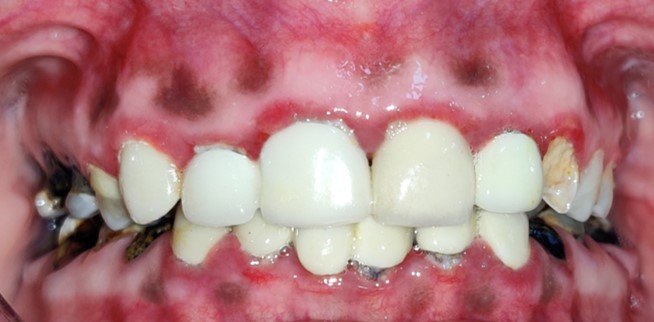
Figure 2: Frontal view

Figure 3: Maxillary Occlusal View
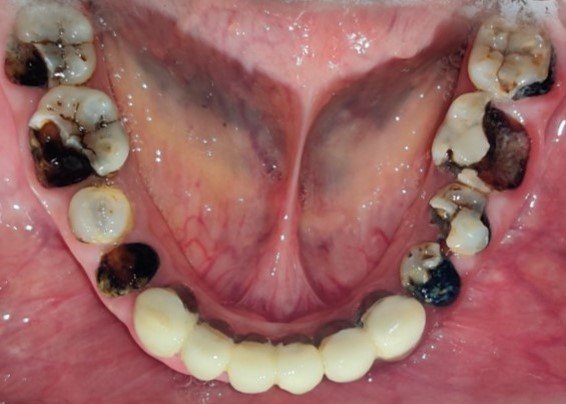
Figure 4: Mandibular Occlusal View
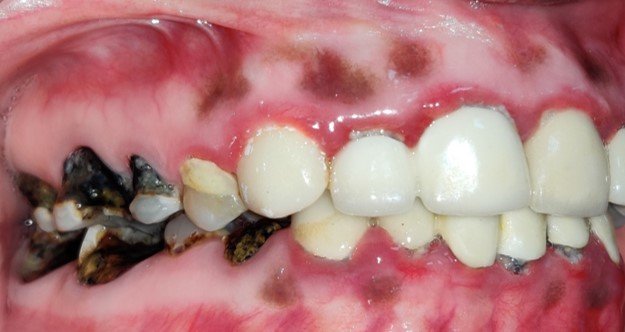
Figure 5: Right Lateral View
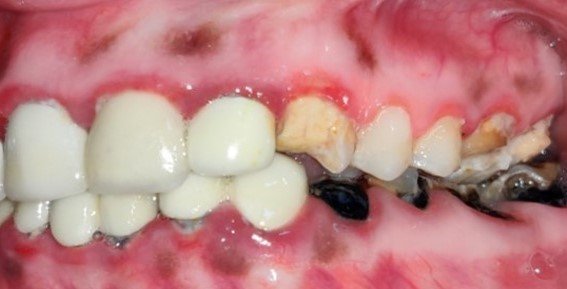
Figure 6: Left Lateral View

Figure 7: Preoperative OPG
The treatment plan was formulated with an endodontic opinion. Initially grossly decayed tooth wrt 44 was extracted followed by root can treatment was carried out wrt 15,16,17,23,26,27,34,35,36,37,46 and 47. Later, anterior crowns were removed and evaluated for the condition. Due to secondary caries involving pulp root canal was done wrt 11,12,13,41,31,32,33.
Followed by endodontic treatment the patient was referred to the Department of Periodontology for through scaling and oral hygiene instructions were given, followed by which prosthodontic treatment was started. Alginate impressions were made for both maxillary and mandibular arch, Casts were poured and face bow transfer was done and casts were mounted in centric relation using Hanau articulator. Since there was no loss of vertical dimension, a confirmative approach was chosen for occlusal rehabilitation. The plane was analyzed using Broadrick's occlusal plane analyzer and wax-up was done (Figure 8 & 9). Wax-up was done in the following sequence lower anterior, upper anterior, lower posteriors, and upper posteriors. Mutually protected occlusion was given on the wax-up. Any interferences were corrected and putty index was made using the wax-up to deliver provisional crowns for 2 weeks (Figure 10, 11, 12, 13, & 14).
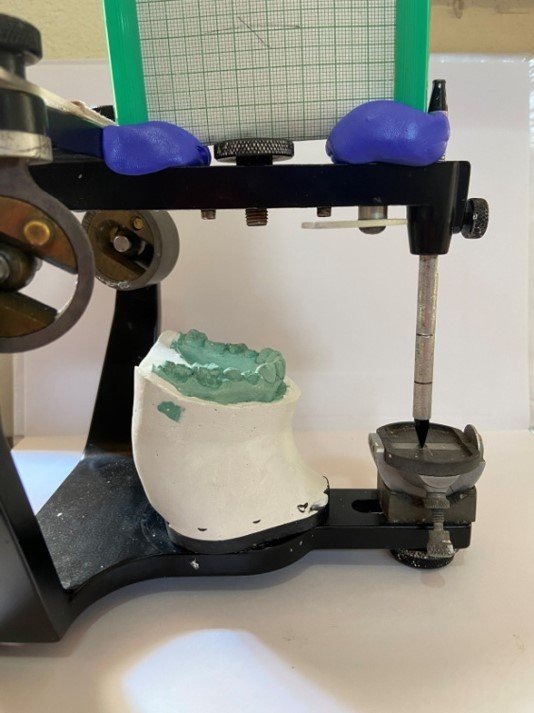
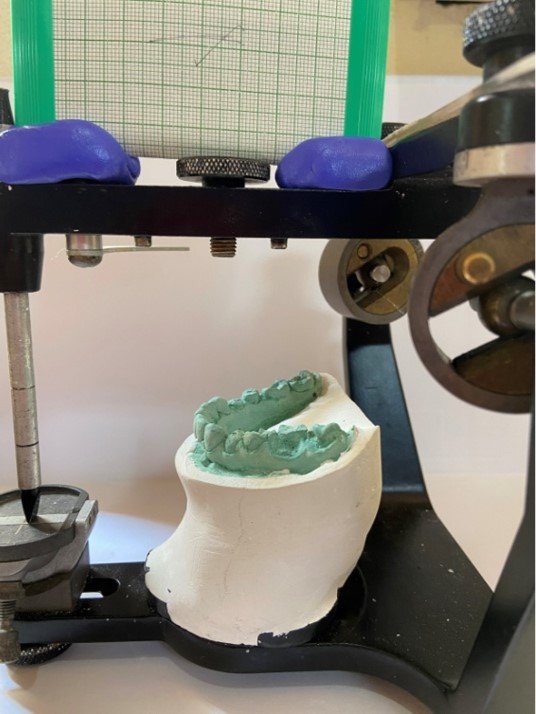
Figure 8 & 9: Broadricks occlusal plane analysis
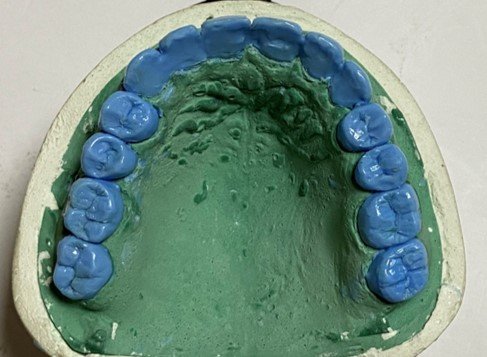
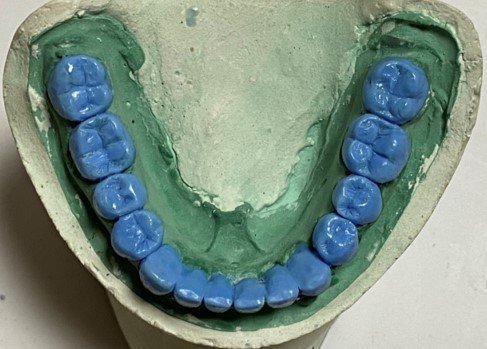

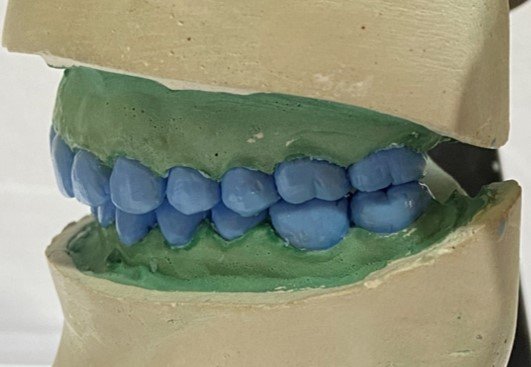
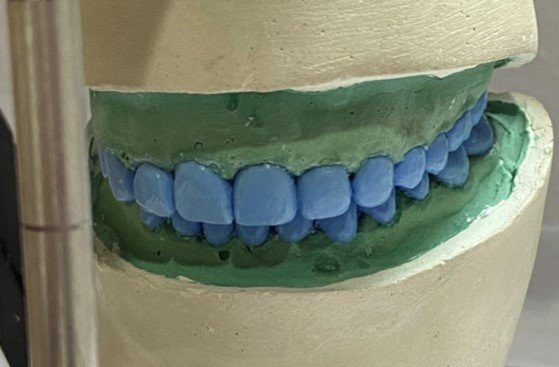
Figure 10, 11, 12, 13, &14: Wax up (Occlusal, Lateral and Anterior View)
Tooth preparation was started using the Pankey Mann Schuyler technique. First, lower anteriors were prepared to receive full coverage PFM crowns (Figure 15), Impression was made using Addition silicone elastomeric impression material, and provisional crowns were cemented using temporary cement. The casts were mounted in centric relation using Hanau articulator and metal copings were fabricated (Figure 16). In the next appointment, a metal trial was done followed by cementation of definitive crowns using glass ionomer cement (Figure 17).
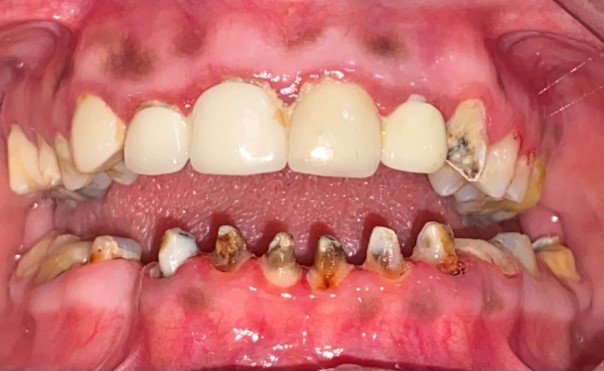
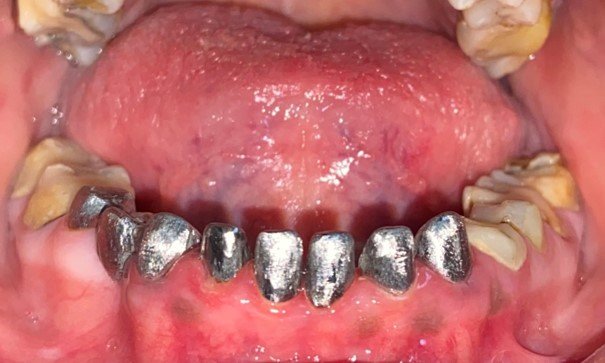
Figure 15: Lower Anteriors Prepared & Figure 16: Metal Try-in
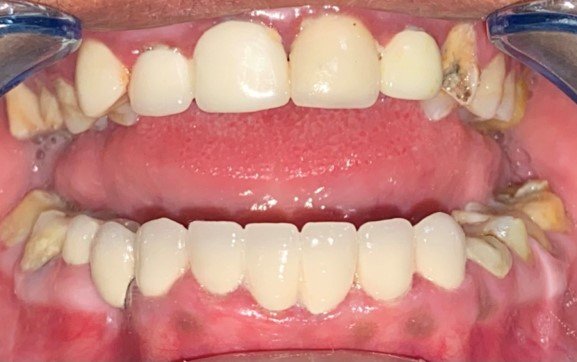
Figure 17: Lower PFM Crowns Cemented
In the next appointment maxillary anterior were prepared to receive full coverage PFM crowns (Figure 18), Impression was made and provisional crowns were cemented using temporary cement. In the next appointment, a metal try was done followed by cementation of definitive crowns using glass ionomer cement (Figure 19 & 20). Anterior guidance was established while maintaining esthetics and phonetics with posterior disclusion.
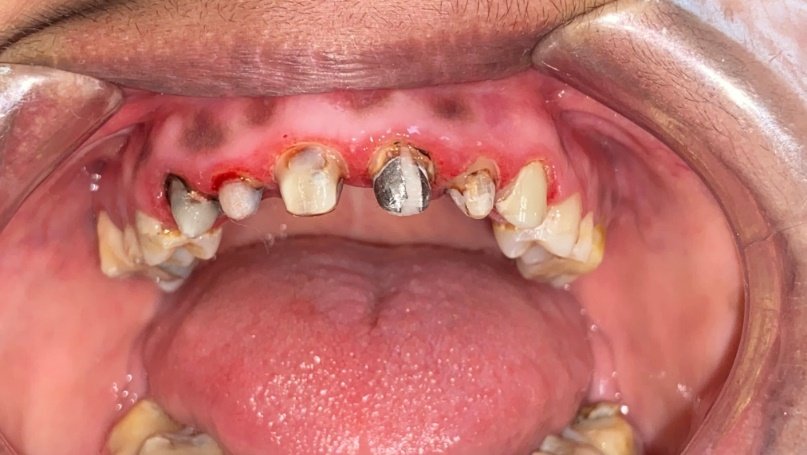
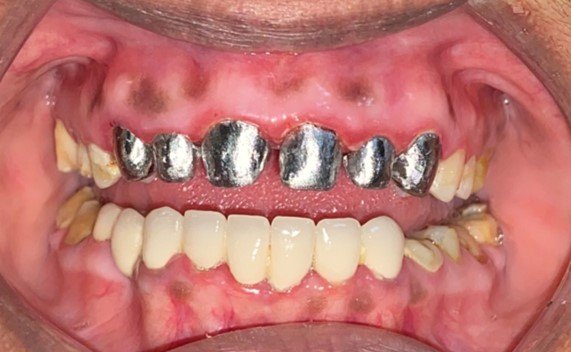
Figure 18: Upper Anteriors Prepared & Figure 19: Metal Try-in
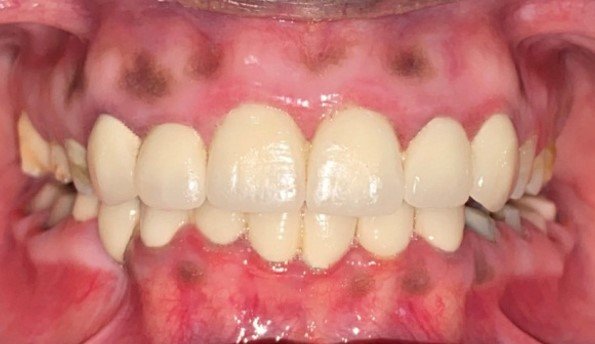
Figure 20: Upper PFM Crowns Cemented
Later, lower posterior teeth were prepared on both the side of the arch and restored using PFM crowns (Figure 21, 22 &23) followed by upper posteriors (Figure 24, 25, 26, 27, 28 &29). Mutually protected occlusion was given in this technique. Upon protrusion only the anteriors came in contact with posterior disclusion and on lateral excursive movements, there was canine guided occlusion (Figure 30, 31 & 32). Postoperative OPG was taken to evaluate the treatment (Figure 33). Both pre-op and post-op smiles were compared to check esthetics (Figure 34 &35).
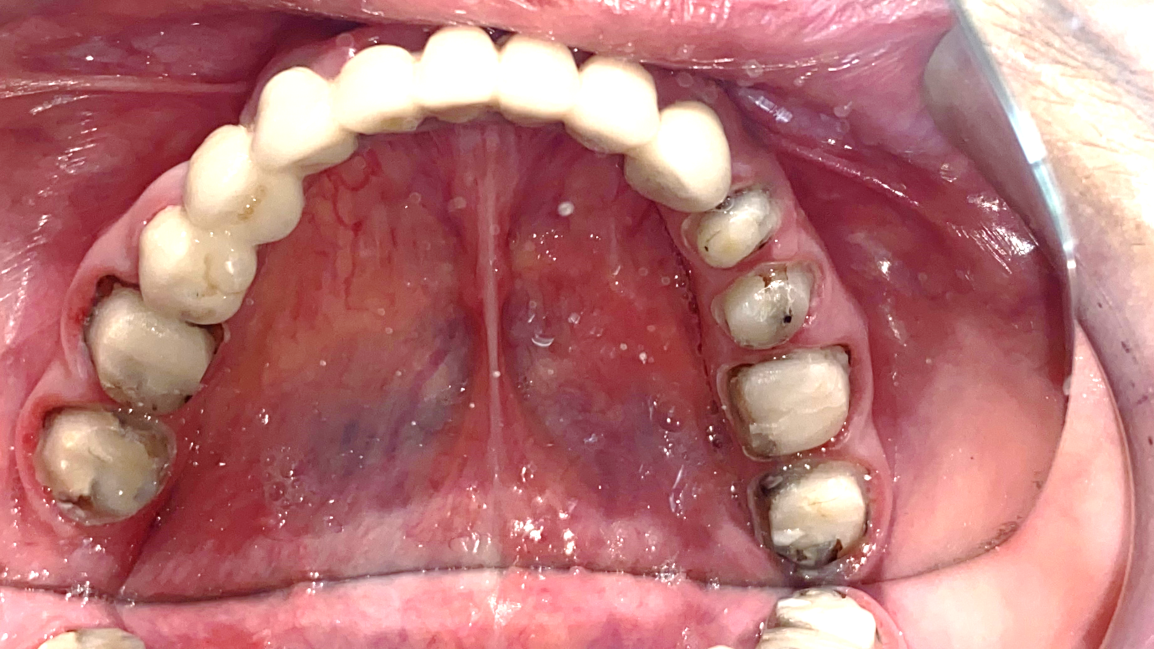
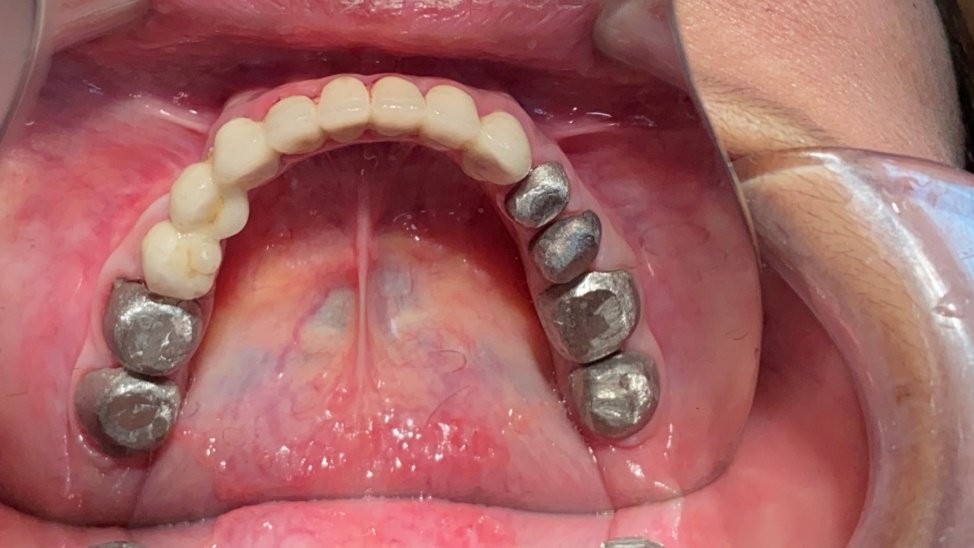
Figure 21: Lower Posteriors Prepared & Figure 22: Metal Try-in

Figure 23: Lower PFM Crowns Cemented


Figure 24: Upper Posteriors Prepared & Figure 25: Metal Try-in
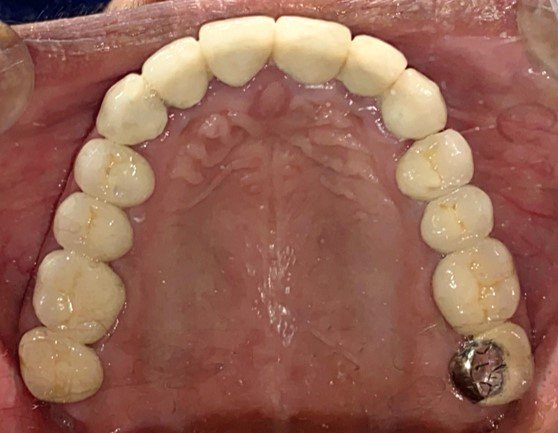
Figure 26: Upper PFM Crowns Cemented

Figure 27: Postoperative Frontal view
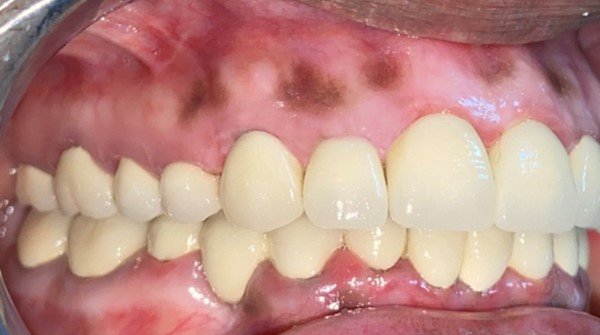
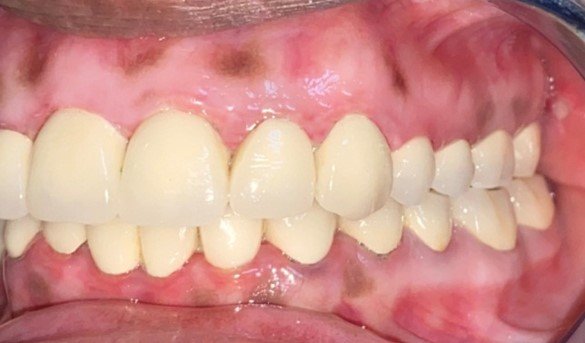
Figure 28 & 29: Postoperative Right and Left Lateral View
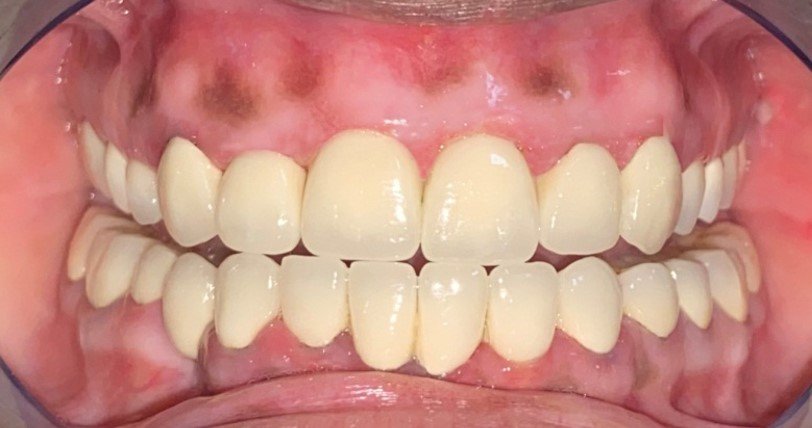
Figure 30: Protrusive view

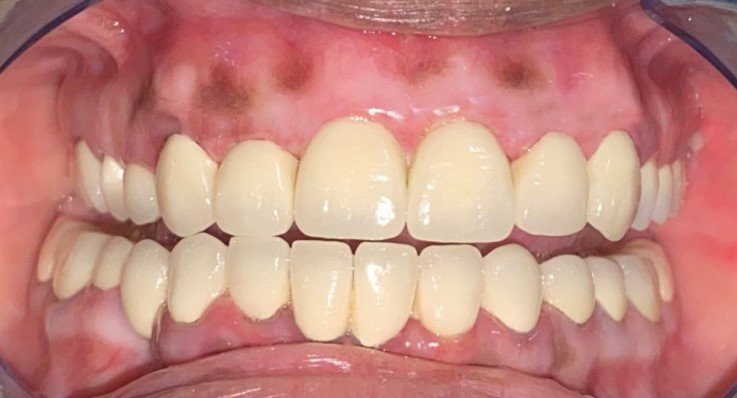
Figure 31 & 32: Mutually Protected Occlusion (Lateral View)
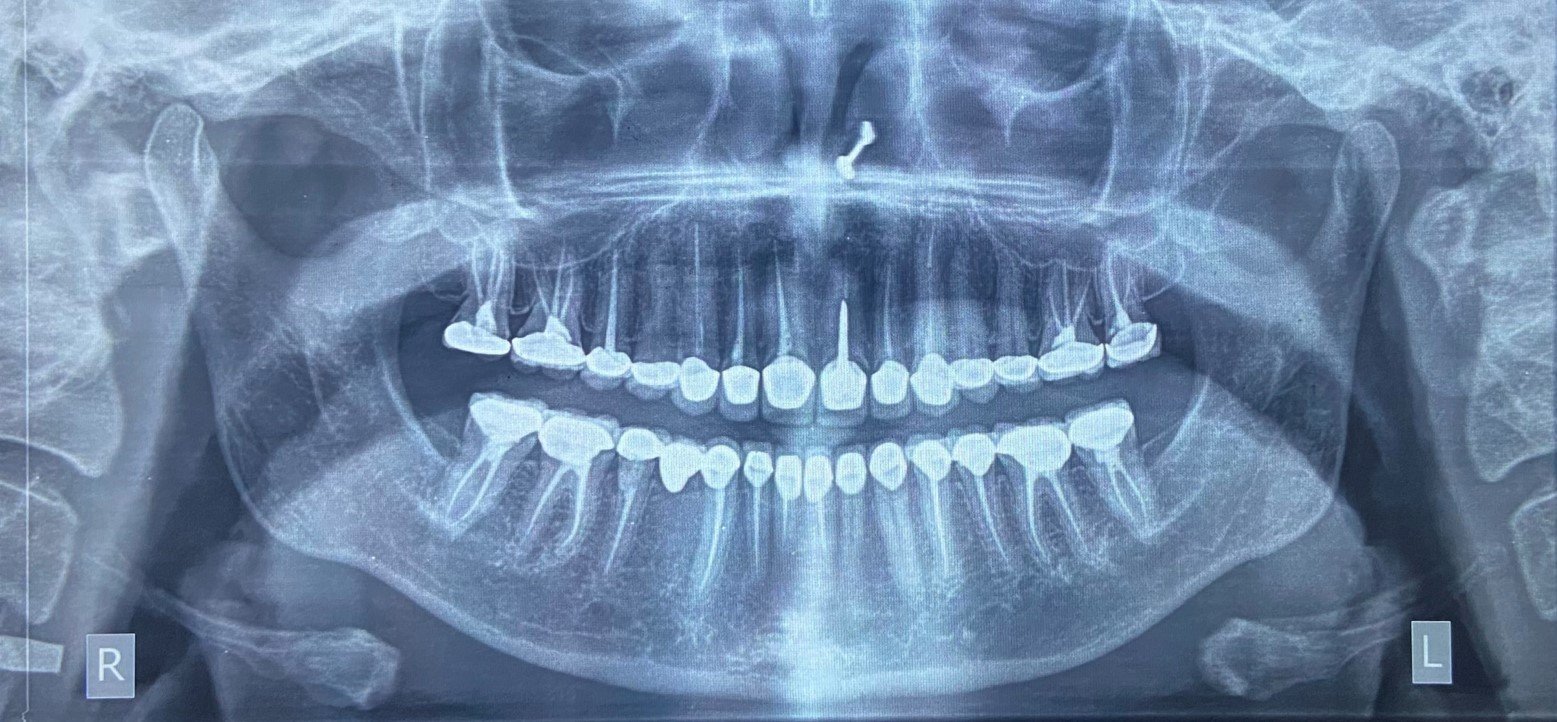
Figure 33: Postoperative OPG
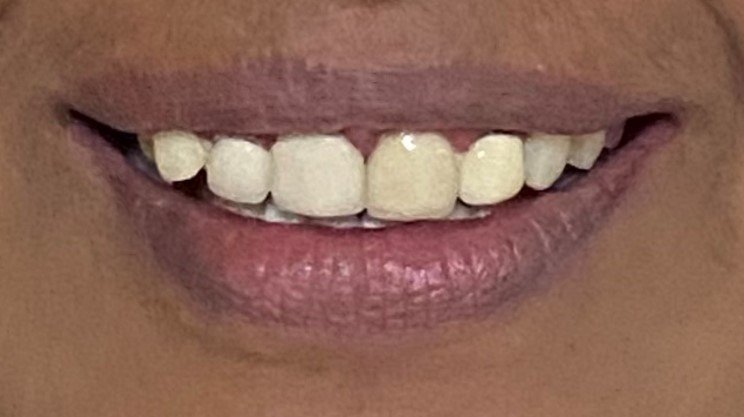
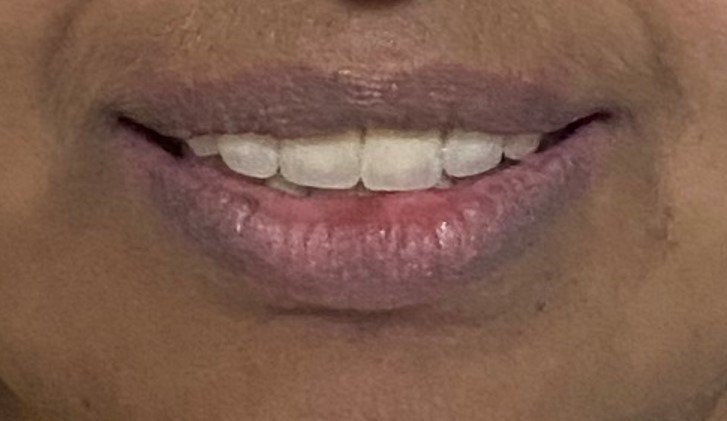
Figure 34 &35: Pre-Op and Post-Op View
DISCUSSION
According to massler, adult rampant caries suddenly appearing, progressive and rapidly burrowing type of dental caries involving the pulp.6 The rapid onset involves the complete destruction of crowns. Although the prevalence of rampant caries is high in children and young adults, it is uncommon in older adults. Therefore, early diagnosis and treatment of caries are necessary to maintain the stomatognathic system in harmony.7,8,9 This case demonstrates full mouth rehabilitation to prevent exfoliation of teeth. There are numerous factors associated with the manifestation of rampant caries, but this patient presented with rampant caries with inflamed gingival tissue suggestive of poor oral hygiene. There was no family history with this type of manifestation.
Before starting the procedure the patient was motivated about of the importance of oral hygiene and underwent adequate oral prophylaxis. As there was no loss of vertical dimension we treated this case with the confirmative approach which is based on existing occlusion. A treatment plan was formulated with the extraction of grossly decayed tooth wrt 44 as the caries was involving cementum indicating poor prognosis of the tooth. This was followed by root canal treatment. The prosthetic management involved the restoration of the entire dentition with a PFM crown using the Pankey Mann Schuyler technique. Although there are various techniques for full mouth rehabilitation this technique was selected because it is a simple, organized logical procedure and also less fatigue for the operator. This philosophy advocated harmonization of anterior guidance first with best possible esthetics, function, phonetics, and comfort followed by restoration of mandibular posterior teeth with an acceptable occlusal plane so that there is no interference with condylar guidance with anterior guidance and final restoration of maxillary posteriors. If the anterior guidance is not in harmony then various problems like TMJ pain, click, and muscle tenderness can occur.10,11,12
The diagnostic wax-up always gives a clear idea for the clinician of the outcome of the planned prosthesis with desired esthetics and occlusal plane. It also makes fabrication of provisional restoration with ease. The wax-up was done mounted on Hanau articulator at centric relation. Before wax-up, the occlusal plane was analyzed using Broadrick's occlusal plane analyzer to locate the cusp tip following the curve of spee. It also gives an idea about the amount of tooth reduction required during preparation. Once the wax-up was completed it was checked for any occlusal interferences and corrected and the putty index was kept ready for provisional restorations. Tooth preparations were done following the Pankey Mann Schuyler technique. Impressions were made using elastomeric impression material using the double mix double step technique for each preparation. Provisional restorations were given till the cementation of definitive crowns. PFM crowns were cemented and the patient was scheduled for regular follow-up appointments. The prognosis of this case was fair.
CONCLUSION
This case report demonstrates the rehabilitation of adult rampant caries using Pankey Mann Schuyler's philosophy. The clinician should have sufficient knowledge and skills to rehabilitate rather than extraction of teeth. Proper treatment planning provides a faster way to complete the treatment which will offer the patient to appreciate the skills of the clinician who has provided good esthetics while maintaining harmony with the stomatognathic system.
REFERENCES
- Maj AK, Sahoo N, HS CS, Vijayanathan CR. Full Mouth Rehabilitation of a case of rampant caries using a twin-Stage procedure. Indian J Dent Adv. 2012;4(3):941-7.
- Padmanabha PS, Arul PT, Geeta IB. Full Mouth Rehabilitation of Adult Rampant Caries with Pragmatic Approach. J Oper Dent Endod 2017;2(2):88-92.
- Priest G, Priest J. Promoting esthetic procedures in the prosthodontic practice. Journal of Prosthodontics: Implant, Esthetic and Reconstructive Dentistry. 2004 Jun;13(2):111-7.
- Golub-Evans J. Unity and variety: essential ingredients of a smile design. Current Opinion in Cosmetic Dentistry. 1994 Jan 1:1-5.
- Tiwari B, Ladha K, Lalit A, Naik BD. Occlusal concepts in full mouth rehabilitation: an overview. The Journal of Indian Prosthodontic Society. 2014 Dec 1;14(4):344-51.
- Massler JN. Teenage caries. J Dent Child 1945;12;57-64.
- Winter GB, Hamilton MC, James PM. Role of the comforter as an aetiological factor in rampant caries of the deciduous dentition. Archives of Disease in Childhood. 1966 Apr;41(216):207.
- Varghese S, Bhat V, Devi L. Adult rampant caries: a clinical report. Indian Journal of Oral Sciences. 2016 Jan 1;7(1):42..
- Christensen GJ. Are prosthodontics a vital part of dentistry?. Journal of the American Dental Association (1939). 2002 May 1;133(5):647-8.
- Burke FT, Kelleher MG, Wilson N, Bishop K. Introducing the concept of pragmatic esthetics, with special reference to the treatment of tooth wear. Journal of Esthetic and Restorative Dentistry. 2011 Oct;23(5):277-93.
- Kaushik K, Dhawan P, Madhukar P, Tandan P, Tomar SS, Mehta D. Full mouth rehabilitation of worn dentition using Pankey Mann Schuyler technique & Broadrick flag method A case report. Int J Adv Res. 2018;6:935-44.
- Devassy JP, Sivadas A, Muhammed S. Full mouth occlusal rehabilitation; by Pankey Mann Schuyler philosophy. IP Annals of Prosthodontics and Restorative Dentistry. 2021 Feb 15;3(1):29-33.
Disclaimer from Guident
The views and opinions expressed in articles published in Guident are solely those of the authors and do not necessarily reflect the views of the editors, the editorial board or the publisher, Ivory India. Guident does not endorse any product, technique or treatment described. Clinical content is intended for qualified dental and medical professionals and is not a substitute for individual clinical judgement. Guident, its editors and the publisher accept no liability for any consequence arising from the use of information published in the journal.
How to cite this article
Dr. Syed Ghouse Ahmed, Dr. Hasan Sarfaraz, Dr. Sanath Shetty. Full Mouth Rehabilitation for Adult Rampant Caries: A Case Report. Guident. 2021 Dec;15(1-2). Available from: https://guident.in/articles/implantology/full-mouth-rehabilitation-for-adult-rampant-caries-a-case-report.html