Propolis in Pediatric Dentistry: A Review
Department of Pediatric and Preventive Dentistry K.D. Dental College and Hospital, Mathura, U.P. India
ABSTRACT
Propolis is a natural resinous substance which is made by bees from the bud of poplar and conifer trees. It has been used in dentistry due to its various beneficial properties which include antimicrobial, anti-fungal, anti-inflammatory and immune-modulating effects. As the use of man-made products can have side effects or complications in pediatric age groups, the use of propolis is indicated where it is applicable. Thus, the aim of this review is to highlight the role of propolis in Pediatric Dentistry.
Keywords: Propolis, Flavonoids
INTRODUCTION
Propolis(also called as ‘bee glue’) is a resinous natural substance which is derived by honey bees from the buds and barks of trees specially poplar and conifers. Propolis is derived from the Greek word pro – ‘in defense of’ and polis – ‘the city’, hence, propolis-protector of the city/hive’.1 It is usually obtained from beehives and rarely available in its pure form. The saliva of bees containing wax and exudates that are collected from trees acts as an adhesive to seal the gaps in the hive and protect it against the external environment. It is also used to disinfect its internal environment and accommodate internal temperature of the hive.2
It has various beneficial biologic properties which include anti-oxidative, antibacterial, antiviral, antifungal, anti-tumor, anti-ulcer, anti-inflammatory and immune-modulatory properties.3 Because of these properties it can be used in various procedures performed in Pediatric Dentistry. It can be used as a mouth rinse, anti-cariogenic agent, intra-canal irrigant, pulp capping agent, storage medium for avulsed tooth or as an intracanal medicament. It is also incorporated in various toothpastes, mouthwashes, lozenges, drinks, tablets etc. Thus, the used of propolis has expanded greatly in pediatric dentistry. Hence, the purpose of this review is to highlight the various use of propolis for different operative procedures in Pediatric Dentistry.
COMPOSITION 4
Propolis consist of plant exudates and by-products of bees during their metabolism. Its chemical composition greatly varies according to the climate, geographical place, site of collection, different bee species and plant species.
Chemical composition of crude propolis-
- Resin and vegetable balsam - 50%,
- Waxes - 35%,
- Aromatic oils - 5%to10% ,
- Pollen - 5%, and
- Other minor substances (minerals, vitamins and flavonoids) including organic debris.
Characteristics:
Colour of propolis differs according to its source and age. It has fragrant pleasing and distinguishing smell where it can be easily differentiated.5 It is lipophilic in nature and can be dissolved in various solvents for use in different therapeutic purposes. The main disadvantage is that it cannot be used raw because of its complex in nature.6 Its form changes according to temperature change which is hard to brittle at freezing temperature; sticky or gummy at 20-30°C and liquid at 60-70°C.7
Properties:
- Antibacterial
- Antifungal
- Anti-viral
- Anti-inflammatory
- Immune-modulatory
- Anti-Cancer
- Antiulcer
- Antitumor
- Apoptosis inducing
USE OF PROPOLIS IN PEDIATRIC DENTISTRY
- Anti-cariogenic
- Mouthrinse
- Direct pulp capping
- Pulpotomy
- Root canal irrigant
- Intracanal medicament
- As storage media for avulsed teeth
- Wound healing
- New bone formation
- Dentin hypersensitivity treatment
As an Anti-cariogenic agent
Several methods are available for the prevention of dental caries. Dietary counselling, oral hygiene maintenance, application of fluorides, pit and fissure sealants, probiotics etc. are the common ones which are regularly practiced in pediatric dentistry. Among these, propolis is another material which is newly added to the list. Propolis influences acid production and acid tolerance of the micro-organism by obstructing water insoluble glucan synthesis.8 Two mechanism of action has been involved: i) due to its antimicrobial activity, ii) inhibiting glucosyltransferase enzyme activity.9,10 Evidences from different studies evaluated the effect of propolis on susceptibility of Streptococcus mutans, development of dental caries and glycosyl transferase activity on rats and they found out that the extract of propolis has caries inhibiting effects.11 Nam et al12 stated that a significant antimicrobial effect can be seen against Sreptococcus mutans by obstructing cell division and enzyme activity in Brazilian propolis. Although the inhibitory action against Streptococcus mutans and Lactobacillus has been shown in many invitro studies, long term follow-up clinical studies are still lacking.
As a Mouthrinse
Propolis might decrease plaque development and gingival diseases due to its antibacterial property. Saxena S 13 in a systemic review assessed the evidences with regards to the effectiveness of propolis based mouthwash on dental plaque and gingival inflammation and found out good efficacy on plaque and gingivitis after using propolis mouthwashes. However, Ozan et al14 and Arslan et al15 reported that propolis mouthwashes were not as effective as chlorohexidine mouthwashes in caries prevention. But in some other studies it is stated that propolis can be used as an alternative to chlorhexidine. Rajoo M et al16 stated that propolis containing mouthrinse in an aqueous solution heals intrabuccal surgical wounds thereby playing an important role in epithelial repair after tooth extraction and also exhibits anti-inflammatory action on orofacial pain.
Direct pulp capping
Traumatic injuries to anterior teeth are commonly observed in children population. Propolis has been used as a direct pulp capping agent in permanent teeth to preserve the vitality of the remaining pulp. It was found that a hard tissue barrier was formed next to the pulp after using propolis as a pulp capping agent. The presence of Flavonoids in propolis may be the possible component for this as they show lesser inflammation and hard tissue formation as compared to the non-flavonoids. Flavonoids increased the immune system by enhancing the phagocytic activities.17 Bretz et al. reported that there is no significant difference between propolis and calcium hydroxide in direct pulp capping as they have similar effectiveness in dentine bridge formation, pathologic microbes reducing capability and inflamed pulp healing capacity.18
Pulpotomy
The success of pulpotomy lies in hard tissue barrier formation beneath the medicament and maintenance of vitality of the pulpal tissue. A proper selection of medicament is necessary for its hard tissue barrier formation. Madan et al.19 in a study, compared MTA and propolis as a pulpotomy agent for primary molars and found out that propolis is comparable to MTA clinically in a follow-up period of 6 and 12 months. Thus, propolis seems to be good medicament for pulpotomy.
Root canal irrigant
The main aim of endodontic treatment is to eliminate infection of the periapical portion of the tooth. In this, a root canal irrigant plays a very important role as a proper root canal irrigant will remove the infection or prevent reinfection by killing the microorganisms inside the root canal system. Kayaoglu G et al20 in an in vitro study compared ethanol-based propolis to chlorohexidine and calcium hydroxide against gram-positive facultative anaerobe Enterococcus raecalis (E. faecalis) and found out the antimicrobial efficacy of propolis to be between chlorohexidine and calcium hydroxide. Propolis samples showed evidence of antimicrobial effects but not as effective as chlorohexidine. More human trials studies are needed for using propolis as a root canal irrigant to find out its cytotoxicity and tissue response.
Intra-canal medicament
The purpose of intra-canal medicament is to lessen inflammation, disinfect the root canal system, prevent root resorption and also function as analgesics. Besides the antimicrobial property, a good intra-canal medicament should not affect the peri-apical tissues. Calcium hydroxide remained to be a standard material which is used frequently as an intra-canal medicament in endodontic therapy. However, it also has certain disadvantages and also its use in primary teeth is still a questionable one. Awawdeh L et al21 assessed the effectiveness of propolis and calcium hydroxide as a short-term intracanal medicament against Enterococcus faecalis and found that propolis has greater inhibitory effect against E faecalis. Rezende GP22 et al evaluated in vitro antimicrobial activity of endodontic pastes with propolis extracts and calcium hydroxide and they concluded that Ca(OH)2 paste containing propolis extract was better than Ca(OH)2 alone against polymicrobial cultures. Besides the antimicrobial properties, long term peri-apical tissue response study is still lacking.
Storage media for avulsed teeth
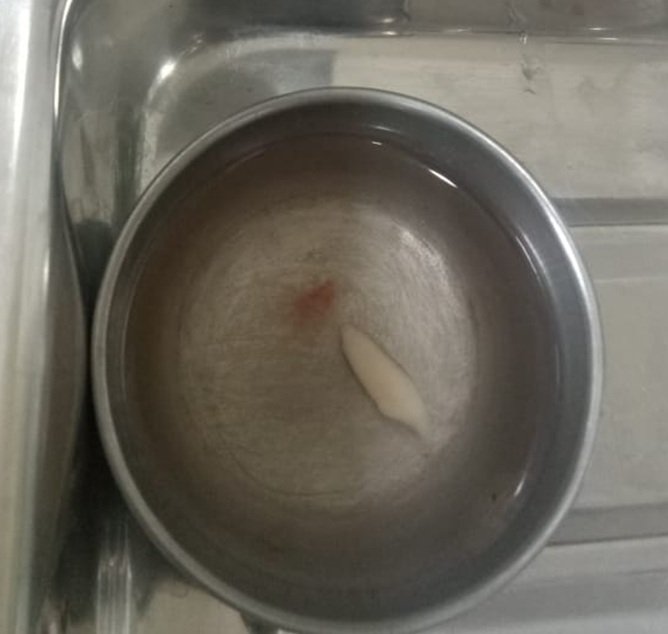
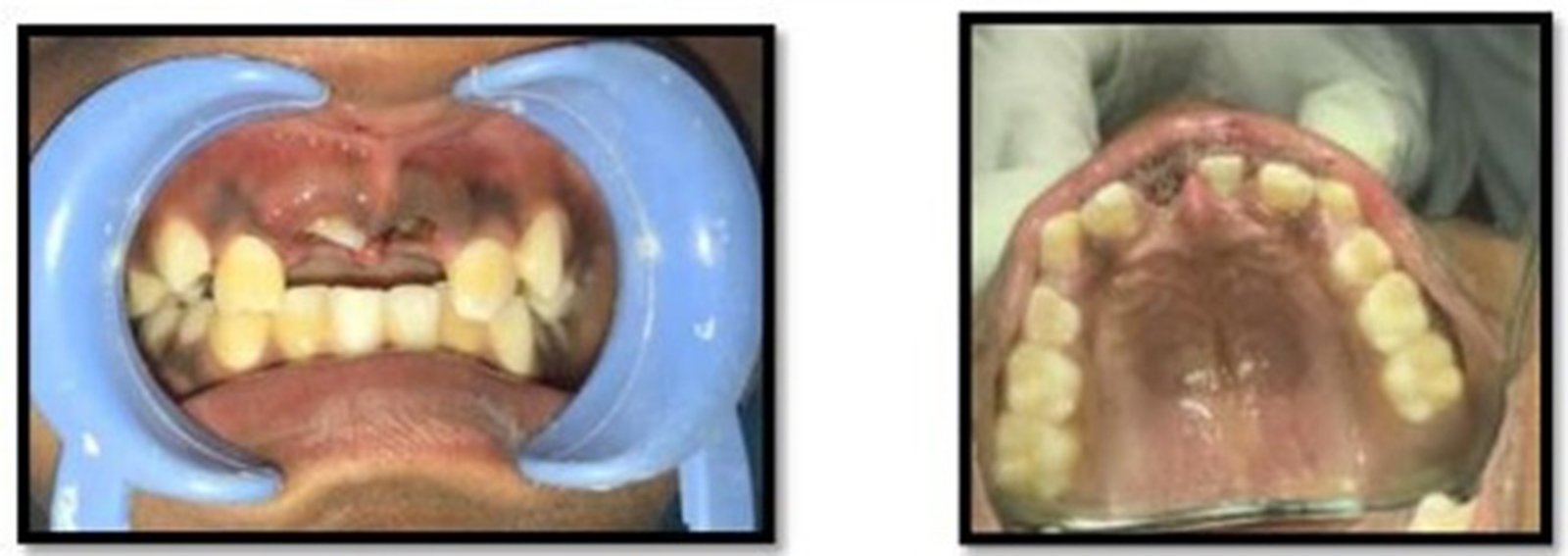
Dental avulsion is the complete displacement of a tooth from its socket in alveolar bone due to trauma. Maxillary anterior teeth are most commonly affected. While managing such avulsed tooth, the main aim is to preserve the viability of cells in order to stop root resorption after reimplanting.4 There are various interim transport media for transporting avulsed tooth and propolis is one among them. Propolis is an effective storage media where the tooth can be stored for a time period of 6 hours and above.23 When propolis is used as an interim storage media, it increases the metabolic activity and proliferation of PDL cells and decreases apoptosis.24 Babaji et al compared the efficacy of hank’s balanced salt solution (HBSS), propolis, Aloe vera, and pomegranate juice (PJ) in preserving the vitality of periodontal ligament (PDL) cells of avulsed teeth and concluded that Propolis showed more viable PDL cells followed by HBSS, A. vera, and PJ.25 Propolis also inhibits osteoclastogenesis and osteoclast activation in tissue culture and may prove useful in future as a medicament to reduce resorption associated with traumatic injuries to the teeth.26
Wound healing
Barroso PR et al27 compared the effect of 30% propolis alcoholic extract on mast cells in wound healing in oral surgical wounds of hamsters with 0.1% dexamethasone in orabase cream and found propolis to be more effective than dexamethasone. When hydro-alcoholic solution of propolis is applied topically after tooth extraction, there is acceleration of epithelial repair but no effect on socket healing.28
New bone formation
Altan BA et al[29] investigated the effects of systemically given propolis on the expanded premaxillary suture in a rat study model and concluded that Systemic use of propolis may speed up new bone formation at the expanded suture in rats. Thus, propolis may help in new bone formation, however further studies are needed.
Dentin hypersensitivity
Dentin hypersensitivity is defined as a sudden sharp short pain arising from tactile, osmotic, thermal or other stimuli from exposed dentin.[30] Various materials are available to reduce the dentinal sensitivity and propolis is one of them. Hussain et al[31] stated that propolis when used after bleaching at chair side reduce dentinal hypersensitivity. Also, Madhavan S32 compared CPP-ACP F, sodium fluoride, propolis and placebo to check the reduction of dentin hypersensitivity and concluded that the topical application of propolis was found to be most effective after using for a period of 90 days. It is proposed that dentin hypersensitivity is reduced by decreasing hydraulic conductance of dentin.33
Side-effects of propolis
The most common side effect of propolis is allergic reaction to the resinous wax cum material. Thus, patch test should be done before prescribing to a patient. Sometimes when propolis is taken as an adjunct to metronidazole, it may results in nausea as the prepared propolis may contain high levels of alcohol. Propolis contents may also interact with other drugs which may be antiviral, anticancer, antibiotic or anti-inflammatory and might cause allergic reactions such as eczema, cheilitis, oral pain, labial edema and peeling of lips.34
CONCLUSION
Even though there are many studies encouraging the use of numerous products of propolis, further long term researches are needed to evaluate its effectiveness according to composition, type of intake, method of preparation, time of application etc.
- Jain S, Rai R, Sharma V, Batra M (2014) Propolis in oral health: a natural remedy. World J Pharm Sci 2(1): 90-94.
- Wander P. Taking the sting out of dentistry. Dental Practice. 1995;25(1995):3–4.
- Mello BC, Hubinger MD (2012) Antioxidant activity and polyphenol contents in Brazilian green propolis extracts prepared with the use of ethanol and water as solvents in different pH values. International Journal of Food Science & Technology 47(12): 2510-2518.
- Malhotra S, Gupta VK (2014) Use of propolis in pediatric dentistry. Journal of dental and allied sciences 3(2): 93.
- Bankova V, Castro SL, Marcucci MC. Propolis: Recent advances in chemistry and plant origin. Apidologie 2000;31:3-15
- Marcucci MC. Propolis: Chemical composition, biological properties and therapeutic activity. Apidologie 1995;26:83-99.
- Wagh VD, Borkar RD. Indian propolis: A potential natural antimicrobial and antifungal agent. Int J Pharm Pharm Sci 2012;4:12-7.
- Duarte S, Rosalen PL, Hayacibara MF et al. The influence of a novel propolis on mutans streptococci biofilms and caries development in rats. Arch Oral Biol 2006; 51: 15–22.
- Ikeno K, Ikeno T, Miyazawa C. Effects of propolis on dental caries in rats. Caries Res 1991; 25: 347– 51.
- Park YK, Koo MH, Abreu JA. Antimicrobial activity of propolis on oral microorganisms. Curr Microbiol 1998; 36: 24–8.
- Hayacibara MF, Koo H, Rosalen PL, Duarte S, Franco EM, Bowen WH, Ikegaki M, Cury JA. In vitro and in vivo effects of isolated fractions of brazilian propolis on caries development. J Ethnopharmacol. 2005;101:110–5.
- Nam S, Choi Y, Jang S, Shim Y, Han G. Antimicrobial activity of propolis on different oral bacteria. Indian Journal of Science and Technology. 2016;9:1–4
- Saxena S (2020) Propolis: The Natural Healer-A Clinical Study. International Journal of Medical Science and Education 7(5).
- Ozan F, Sümer Z, Polat Z, Er K, Ozan U, Deger O. Effect of mouthrinse containing propolis on oral microorganisms and human gingival fibroblasts. Eur J Dent. 2007;1:195–201.
- Arslan S, Silici S, Percin D, Ko AN, Er Ö. Antimicrobial activity of poplar propolis on mutans streptococci and caries development in rats. Turkish Journal of Biology. 2012;36:65–73.
- Rajoo M, Parolia A, Pau A, Amalraj FD. The role of propolis in inflammation and orofacial pain: A review. Annual Research & Review in Biology. 2014;4:651.
- Sabir A, Tabbu CR, Agustiono P, Sosroseno W. Histological analysis of rat dental pulp tissue capped with propolis. J Oral Sci 2005; 47: 135–8.
- Bretz WA, Chiego DJ, Marcucci MC, Cunha I, Custódio A, et al. (1998) Preliminary report on the effects of propolis on wound healing in the dental pulp. Zeitschrift für Naturforschung Cec 53(11-12): 1045-1048.
- Madan K, Baliga S, Deulkar P, Thosar N, Rathi N, et al. (2020) A Comparative Evaluation between Propolis and Mineral Trioxide Aggregate as Pulpotomy Medicaments in Primary Molars. Journal of Evolution of Medical and Dental Sciences 9(15): 1256-1261.
- Kayaoglu G, Ömürlü H, Akca G, Mügem Mügem, Gürel Ö, Sorkun K, Salih B. Antibacterial activity of propolis versus conventional endodontic disinfectants against enterococcus faecalis in infected dentinal tubules. J Endod. 2011;37:376–81.
- Awawdeh L, Al-Beitawi M, Hammad M. Effectiveness of propolis and calcium hydroxide as a short-term intracanal medicament against Enterococcus faecalis: a laboratory study. Aust Endod J 2009; 35: 52–8.
- de Rezende GP, da Costa LR, Pimenta FC, Baroni DA. In vitro antimicrobial activity of endodontic pastes with propolis extracts and calcium hydroxide: a preliminary study. Braz Dent J 2008; 19: 301–5.
- Mori GG, Nunes DC, Castilho LR et al. Propolis as storage media for avulsed teeth: microscopic and morphometric analysis in rats. Dent Traumatol 2010; 26: 80–5.
- Gjertsen AW, Stothz KA, Neiva KG, Pileggi R. Effect of propolis on proliferation and apoptosis of periodontal ligament fibroblasts. Oral Surg Oral Med Oral Pathol Oral Radiol Endod 2011; 112: 843–8.
- Babaji P, Melkundi M, Devanna R, Suresh BS, Chaurasia VR, et al. (2017) In vitro comparative evaluation of different storage media (hank’s balanced salt solution, propolis, Aloe vera, and pomegranate juice) for preservation of avulsed tooth. European journal of dentistry 11(1): 71.
- Pileggi R, Antony K, Johnson K et al. Propolis inhibits osteoclast maturation. Dent Traumatol 2009; 25: 584–8.
- Barroso PR, Lopes-Rocha R, Pereira EM, Marinho SA, de Miranda JL, Lima NL, et al. Effect of propolis on mast cells in wound healing. Inflammopharmacology 2012;20:289-94.
- Magro-Filho O, de Carvalho AC. Application of propolis to dental sockets and skin wounds. J Nihon Univ Sch Dent 1990; 32: 4–13.
- Altan BA, Kara IM, Nalcaci R, Ozan F, Erdogan SM, Ozkut MM, et al. Systemic propolis stimulates new bone formation at the expanded suture: A histomorphometric study. Angle Orthod 2013; 83:286-91.
- Blaggana A, Vohra P, Nagpal A. Diagnosis and treatment of dentinal hypersensitivity. J Innov Dent. 2011;1:1–4.
- Hussain RA, Dannan A, Al-Ahmad M. Propolis treatment for dental sensitivity after tooth bleaching. Imperial Journal of Interdisciplinary Research. 2017;2:1436–9.
- Madhavan S, Nayak M, Shenoy A et al. Dentinal hypersensitivity: a comparative clinical evaluation of CPPACP F, sodium fluoride, propolis and placebo. J Conserv Dent 2012; 15: 315–8.
- Lin PY, Cheng YW, Chu CY, Chien KL, Lin CP, Tu YK In-office treatment for dentin hypersensitivity: a systematic review and network meta-analysis. J Clin Periodontol. 2013 Jan; 40(1):53-64.
- Basavaiah ND, Suryakanth DB Propolis and allergic reactions. J Pharm Bioallied Sci. 2012 Oct; 4(4):345.
Disclaimer from Guident
The views and opinions expressed in articles published in Guident are solely those of the authors and do not necessarily reflect the views of the editors, the editorial board or the publisher, Ivory India. Guident does not endorse any product, technique or treatment described. Clinical content is intended for qualified dental and medical professionals and is not a substitute for individual clinical judgement. Guident, its editors and the publisher accept no liability for any consequence arising from the use of information published in the journal.
How to cite this article
Dr. Toijam Khema Devi, Dr. Sonal Gupta. Propolis in Pediatric Dentistry: A Review. Guident. 2021 Dec;15(1-2). Available from: https://guident.in/articles/pedodontics/propolis-in-pediatric-dentistry-a-review.html