Technique for Rehabilitation of Resorbed Mandibular Ridge: Neutral Zone-a Case Report
Department of Prosthodontics and Crown & Bridge, Goenka Research Institute of Dental Sciences, Gandhinagar, GUJ. India
ABSTRACT
The neutral zone technique represents an alternative approach to the fabrication of complete dentures, particularly beneficial in patients with highly atrophic residual ridges. This technique focuses on developing dentures that are molded by the functional movements of the oral musculature, ensuring harmony between the prosthesis and the surrounding oral tissues. The present clinical report describes the fabrication of complete dentures for a patient with severely resorbed mandibular ridges using the neutral zone concept.
Keywords: Denture stability, Neutral zone, Resorbed ridge.
INTRODUCTION
To increase the stability and retention of mandibular dentures, previous reports1,2 have recommended that posterior denture teeth be positioned directly over the crest of the edentulous ridge. This relationship of the teeth and alveolar ridge is important for the stability of the denture in function.1,2 Although this tooth position may be desirable when adequate alveolar ridge height is available, such a position may not be suitable for severely resorbed ridges because of a lateral shift in the orientation of the ridge crest. This horizontal discrepancy between original tooth position and resorbed ridge crest, coupled with an increased vertical distance between occlusal table and tissue support, can lead to denture instability. Successful denture treatment in situations like this can become increasingly dependent on the position of the denture teeth and the external contours of the dentures.
It is for these patients that the neutral zone concept3-7 becomes increasingly significant. The lower denture commonly presents the most difficulties with pain and looseness being the most common complaint.8 This is because the mandible atrophies at a greater rate than the maxilla and has less residual ridge for retention and support.9 The neutral zone technique is most effective for patients who have had numerous unstable, unretentive lower complete dentures. These patients usually have a highly atrophic mandible and there has been difficulty in positioning the teeth to produce a stable denture.10 Fish, in 1931, first described the influence of the polished surfaces on retention and stability.11 He also described how dentures should be constructed in the ‘dead space’, which later came to be known as the neutral zone.3
The neutral zone has been defined as the potential space between the lips and cheeks on one side and the tongue on the other; that area or position where the forces between the tongue and cheeks or lips are equal.12 Two clinical studies have described the advantages of using the neutral zone technique. Cinefluorographic studies by Sheppard13 have shown that the muscles reseat the complete denture during function. In another clinical study, Fahmy and Kharat4 evaluated patients’ chewing efficiency and satisfaction for complete dentures made with either a conventional or neutral zone technique. Patients had a better chewing efficiency when wearing conventional dentures, however, patients could not detect any difference in masticatory performance between their conventionally fabricated dentures and neutral zone dentures. Patients did report greater comfort and improved speech clarity with the dentures fabricated using the neutral zone technique compared with their conventional prepared dentures. These studies suggest that the neutral zone strategy for denture fabrication may be helpful in certain edentulous situations.
CASE REPORT
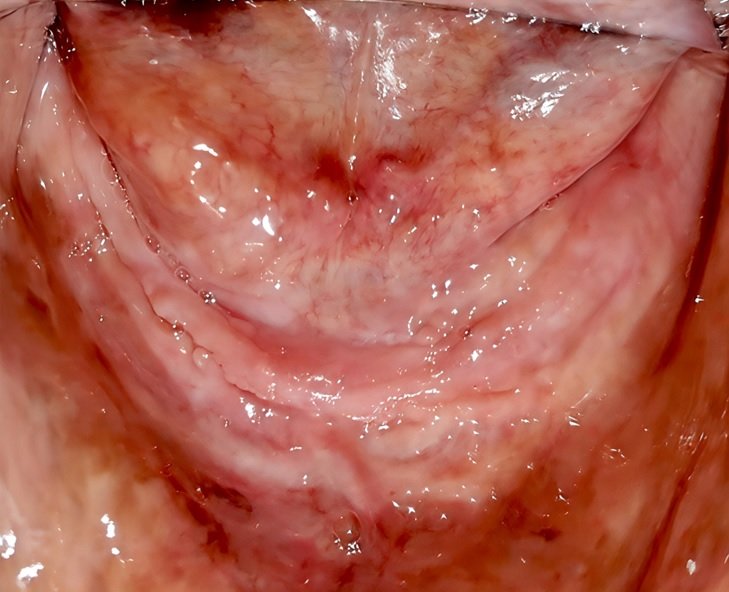
A 68 year old male patient reported to the Department of Prosthodontics at Goenka dental institute of dental science, Gandhinagar with a chief complaint of old unstable maxillary and mandibular complete denture. The patient was advised for the fabrication of complete denture with neutral zone technique as other treatment options like implant-supported complete dentures was not feasible due to the age and cost factors (Fig. 1).

Fig. 1: Preoperative view
PROCEDURE
A detailed examination was completed and his previous dentures were evaluated for retention and stability. The old denture was found to be unstable and was not retentive. Also, the old denture could not be relined. The lower ridge was highly resorbed whereas maxillary ridge was slightly resorbed posteriorly on the both sides (Figs 2A and B).
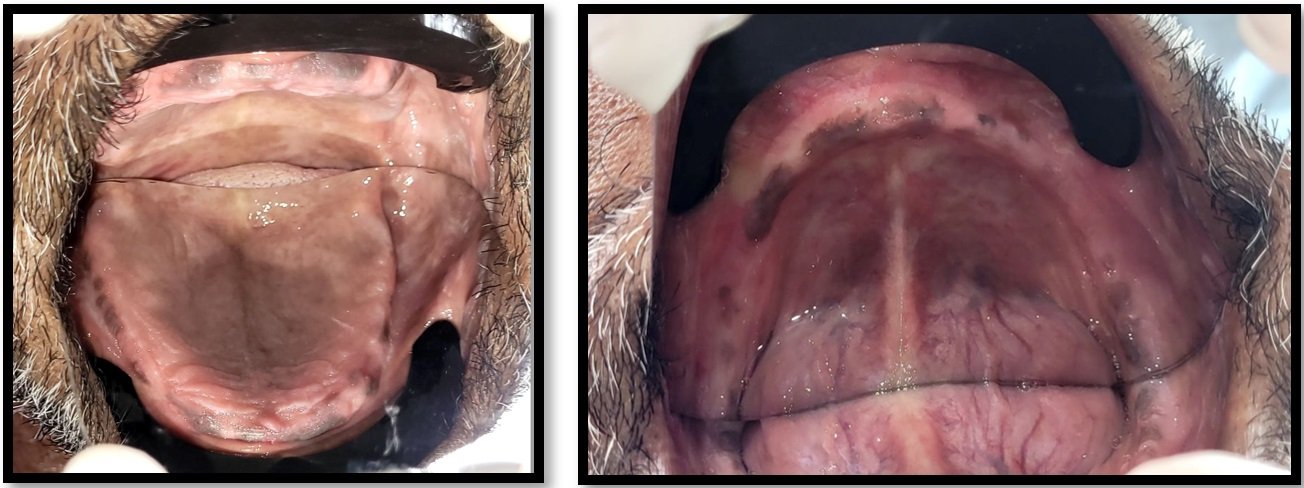
Figs 2A and B: Resorbed maxillary and mandibular ridges
- The primary impression was made using impression compound material with a non-perforated edentulous stock tray. (Fig. 3A & B).
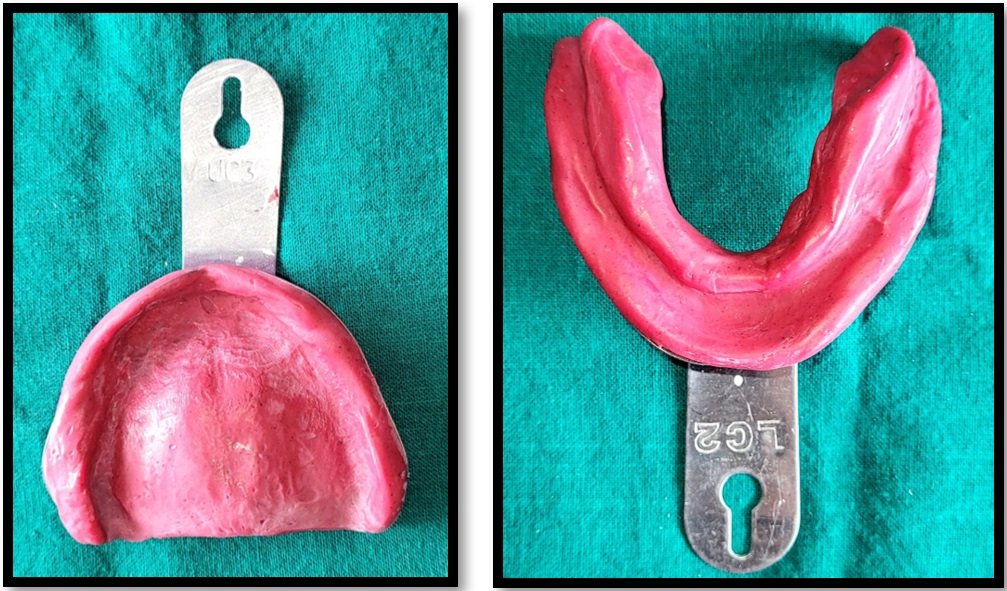
Figs 3A & B: Primary impression
- Closely fitting custom tray was fabricated and the border molding was performed with low fusing impression compound (green stick) to represent muscle activity, recording functional depth and width of the sulcus.
- The final wash impressions were made with Zinc-oxide Eugenol impression paste. (Fig. 4A & B).

Fig. 4A & B: Maxillary and mandibular wash impressions
- Impressions were evaluated for accuracy and master cast was poured with dental stone. Both the casts were then duplicated.
- The wax record rims were then constructed and assessed for extension, comfort, and stability.
- Jaw relation was carried out conventionally to record vertical and centric relation and the cast was articulated on mean value articulator.
- Then the other set of record rims were fabricated on the new denture bases on duplicate master cast. These rims were made up with admix technique. (Figs: 5A & B)
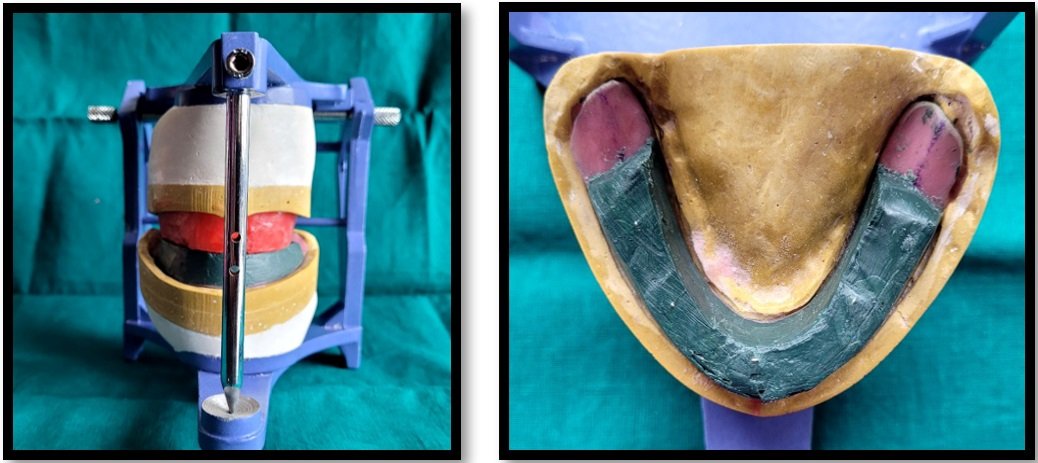
Fig. 5A & B: Occlusal rim made using admix technique
- First the mandibular rim was adjusted at the same vertical height with maxillary rim maintaining the vertical stop.
- Before recording the neutral zone the patient was made to sit in a comfortable, upright position with the head unsupported.
- The mandibular compound rim was then inserted into patient’s mouth and he was asked to perform a series of actions designed to simulate the physiological functioning, such as asking the patient to smile, grin, pout/purse lips, count from 60 to 70, talk aloud, pronounce the vowels, sip water, swallow, slightly protrude the tongue and lick the lips. These actions were repeated for 10 minutes until the compound became hard. (Figs: 6A, B & C)
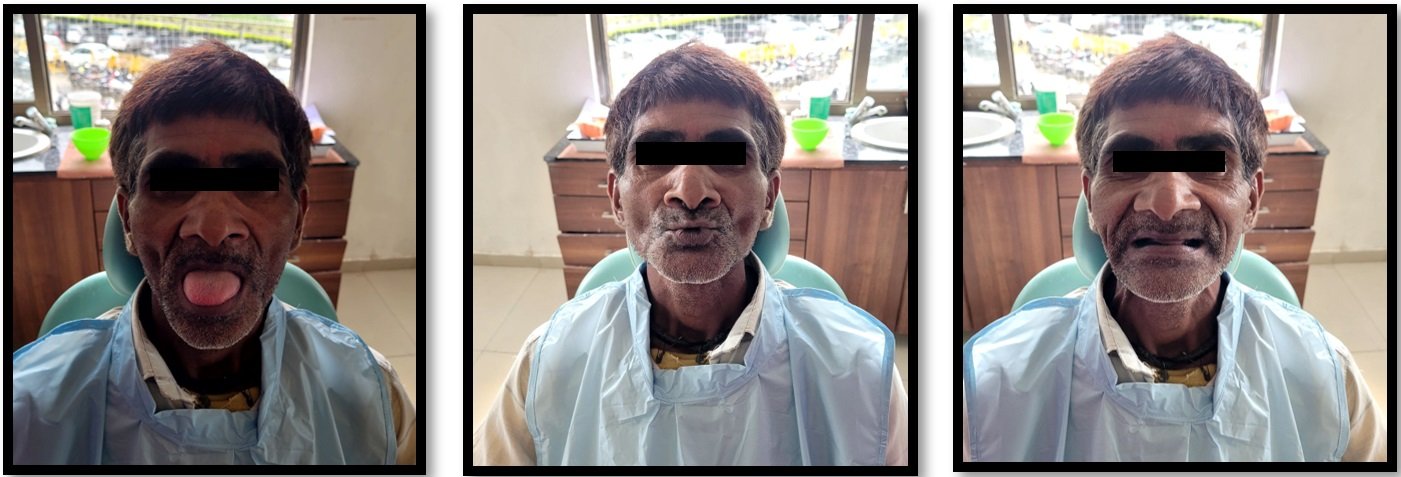
Figs: 6A, B & C: Functional moment recorded
- Both the compound rims were then replaced on the articulator to evaluate the vertical relation again. (Figs 7A and B).
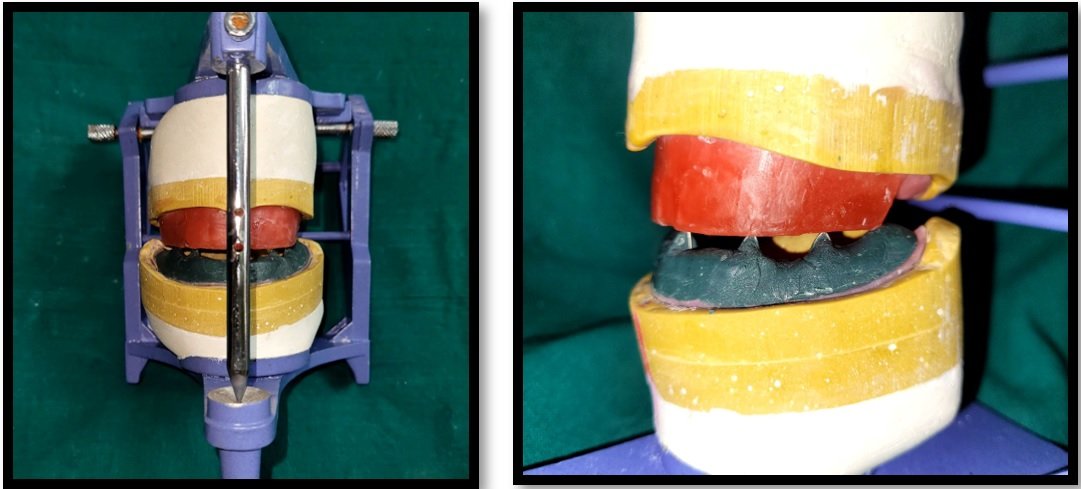
Figs 7A and B: Record rims after functional molding
LABORATORY STAGES
- The compound rims were placed on the duplicate master cast. The putty index was made around the molded impression compound rim (Fig. 8A & B).
- Then the molded impression compound rims were removed from the base plate and the index was replaced. The index preserve the space of the neutral zone.
- Wax was then poured into the space giving an exact representation of the neutral zone.
- The newly formed wax rims were then replaced on the articulator.

Figs 8A and B: Putty indices around molded impression compound
- Teeth arrangement was done exactly following the indices. During the setting up of the teeth their position was checked by putting the indices together around the wax try-in (Fig. 9).
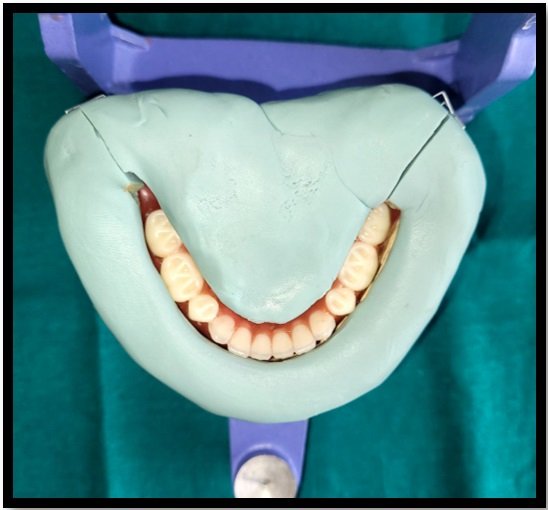
Figs 9: Teeth arrangement according to putty indice
- Modification of the artificial posterior teeth had to be done to accommodate it on the narrow space of neutral zone.
- Wax try-in was done.
- Dentures were processed and finished in a routine manner. Polishing was done lightly so as to preserve the contour of the flanges.
- Dentures were finally inspected and clinical remounting was done to eliminate minor occlusal errors.
- Insertion of finished maxillary and mandibular dentures were done (Fig. 10).

Fig. 10: Finished complete intraoral dentures
DISCUSSION
The ultimate goal of prosthodontic rehabilitation is to restore form, function, and esthetics. As noted by Pound, in cases of advanced residual ridge resorption, the maxillary ridge tends to move lingually while the mandibular ridge shifts buccally. Atwood categorized the factors influencing the rate of alveolar resorption into anatomic, metabolic, functional, and prosthetic factors. Although our understanding of these variables remains incomplete, residual ridge resorption may continue despite preventive efforts.
In such cases, the neutral zone technique serves as a valuable method to determine the optimal placement of teeth relative to the surrounding musculature after resorption has occurred. The maxillary anterior teeth should ideally be positioned close to their natural location to maintain esthetics and phonetics. Patient preference and esthetic considerations should also be respected in determining tooth position. The neutral zone registration often indicates a more lingual placement of the mandibular anterior teeth, which can usually be achieved without compromising appearance. When the maxillary and mandibular rims are functionally molded within the neutral zone, the resultant denture demonstrates enhanced stability and patient comfort.
CONCLUSION
The neutral zone concept has been advocated for complete denture fabrication since the 1930s. It provides an effective alternative technique for the construction of complete dentures in patients with severely atrophic residual ridges, particularly when dental implants are contraindicated or not feasible. The primary objective of the neutral zone approach is to construct a denture in harmony with the surrounding oral musculature, ensuring that muscle balance and control contribute significantly to the stability and retention of the prosthesis during function.
Although the technique is relatively straightforward, it requires additional clinical appointments and increased laboratory involvement, which may result in longer chairside time and higher cost. However, the improved denture stability, comfort, and patient satisfaction often justify these additional efforts, especially in challenging ridge conditions.
REFERENCES
- Weinberg LA. Tooth position in relation to the denture base foundation. J Prosthet Dent 1958;8:398-405.
- Bolender CL, Smith DE. Diagnosis and management of inadequate denture prostheses. In: Laney WR, Gibilisco JA, editors. Diagnosis and treatment in prosthodontics. Philadelphia, PA, Lea and Febiger 1983:279-282.
- Wright CR. Evaluation of the factors necessary to develop stability in mandibular dentures. J Prosthet Dent 2004;92:509- 518.
- Fahmy FM, Kharat DU. A study of the importance of the neutral zone in complete dentures. J Prosthet Dent 1990;64:459-462.
- Beresin VE, Schiesser FJ. The neutral zone in complete dentures. J Prosthet Dent 2006;95:93-100.
- Schiesser FJ. The neutral zone and polished surfaces in complete dentures. J Prosthet Dent 1964;14:854-865.
- Raybin NH. The polished surface of complete dentures. J Prosthet Dent 1963;13:236-239.
- Basker RM, Harrison A, Ralph JP. A survey of patients referred to restorative dentistry clinics. Br Dent J 1988;164:105-108.
- Atwood DA. Postextraction changes in the adult mandible as illustrated by micrographs of midsagittal sections and serial cephalometric roentgenograms. J Prosthet Dent 1963;13:810-824.
- Ohukubo C, Hantani S, Hosoi T, Mizuno Y. Neutral zone approach for denture fabrication for a partial glossectomy patient: a clinical report. J Prosthet Dent 2000;84:390-393.
- Fish EW. An analysis of the stabilising factors in full denture construction. Br Dent J 1931;52:559-570.
- The glossary of prosthodontic terms. J Prosthet Dent 2005;94:10-92.
- Sheppard IM. Denture base dislodgment during mastication. J Prosthet Dent 1963;13:462-468.
- Pound E. Lost—Fine arts in the fallacy of the ridges. J Prosthet Dent 1954;4:6-16.
Disclaimer from Guident
The views and opinions expressed in articles published in Guident are solely those of the authors and do not necessarily reflect the views of the editors, the editorial board or the publisher, Ivory India. Guident does not endorse any product, technique or treatment described. Clinical content is intended for qualified dental and medical professionals and is not a substitute for individual clinical judgement. Guident, its editors and the publisher accept no liability for any consequence arising from the use of information published in the journal.
How to cite this article
Dr. Yash Gevariya, Dr. Manish Parmar, Dr. Pranav Solanki. Technique for Rehabilitation of Resorbed Mandibular Ridge: Neutral Zone-a Case Report. Guident. 2025 Dec;19(1). Available from: https://guident.in/articles/prosthodontics/technique-for-rehabilitation-of-resorbed-mandibular-ridge-neutral-zone-a-case-report.html