Digital Smile Design Unveiled: Aesthetic Rehabilitation of Missing Maxillary Lateral Incisors: A Case Report
Department of Prosthodontics and Crown & Bridge Seema Dental College & Hospital, Rishikesh, Uttarakhand, India.
Abstract
Congenital absence of maxillary lateral incisors poses both esthetic and functional challenges, necessitating a multidisciplinary treatment approach. This case report highlights the digital workflow of smile design using CEREC SW software for the rehabilitation of a patient with missing maxillary lateral incisors. Orthodontic treatment was initially performed to create the necessary space for prosthetic replacement. Following this, intentional root canal treatment (RCT) and tooth preparation were carried out on the central incisors and canines to support a fixed partial denture (FPD).
A digital impression was acquired using CEREC Primescan, followed by smile design initiation in CEREC SW software. The software enabled precise jaw alignment, occlusal plane adjustment, tooth morphology selection, and smile simulation, ensuring optimal esthetics and function. The finalized design was then milled in all-ceramic zirconia, followed by post-processing, occlusal verification, and cementation.
This case underscores the efficacy of digital smile design in achieving a predictable and patient-centered outcome. The use of CAD/CAM technology not only enhanced treatment precision but also reduced clinical chair time, making it a time-efficient and minimally invasive solution for congenital tooth agenesis. The integration of orthodontics, prosthodontics, and digital dentistry in a structured workflow ensures functional stability, esthetic excellence, and long-term success.
Key words:
Digital Smile Design (DSD); CEREC SW Software; Congenitally Missing Lateral Incisors; Fixed Partial Denture (FPD); CAD/CAM Dentistry; Aesthetic Rehabilitation; Digital Impressions; Zirconia Restorations.
Introduction
Esthetic dentistry has evolved into a specialized field aimed at enhancing smiles and overall facial aesthetics.¹ Modern dentistry emphasizes not just the restoration of damaged teeth but also achieving visually appealing results. With increasing patient awareness, esthetic outcomes have become a priority in restorative treatments.²
Technological advancements have introduced materials like silicate cement, acrylics, and composite resins that aid in treatments such as teeth whitening, bonding, and veneers—procedures that not only restore function but also improve smile aesthetics.² A beautiful and healthy smile is essential for emotional expression and can significantly boost an individual’s self-confidence and social interactions. The alignment of teeth and soft tissues contributes to facial harmony, directly impacting a person’s appearance and sense of well being.³ Esthetic smile design or smile makeovers aim to enhance the smile while maintaining the functional integrity of the stomatognathic system, ensuring both esthetics and orofacial balance are achieved.?
Facial symmetry, profile, and structural proportions play a key role in esthetic smile design. Ideal facial features include balanced vertical proportions and symmetry along the intercanthal and Frankfort horizontal planes.5 A well-proportioned lip framework is crucial, ensuring optimal maxillary incisor display—too much exposure results in a gummy smile, while insufficient exposure creates a flattened appearance.
Case Review
Patient Profile: Ms. Shubhangi Rawat, 20 years old, presented with dissatisfaction regarding smile aesthetics due to congenitally missing maxillary lateral incisors. The patient was referred from the Department of Orthodontics after undergoing orthodontic treatment aimed at closing generalized spacing and creating sufficient space for prosthetic replacement of the lateral incisors.
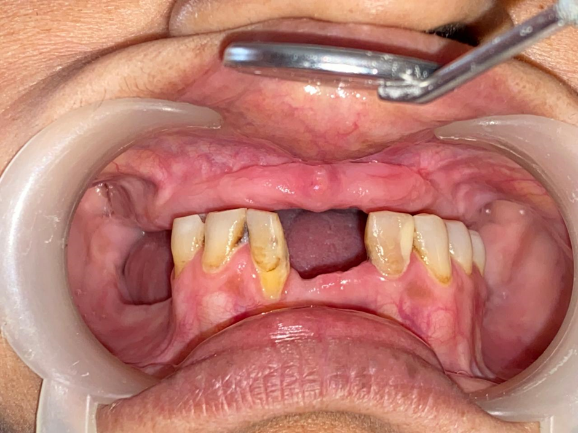
The intraoral examination (Figure 1) revealed a partially edentulous maxilla with missing teeth #12 and #22. Periodontal health was well-maintained, and the occlusion exhibited bilateral canine guidance. Evaluation determined that an implant was not a suitable option due to space constraints; therefore, a fixed partial denture (FPD) with zirconia and digital smile design was selected as the optimal treatment modality.

Figure 1: Preoperative Image: A-extraoral image
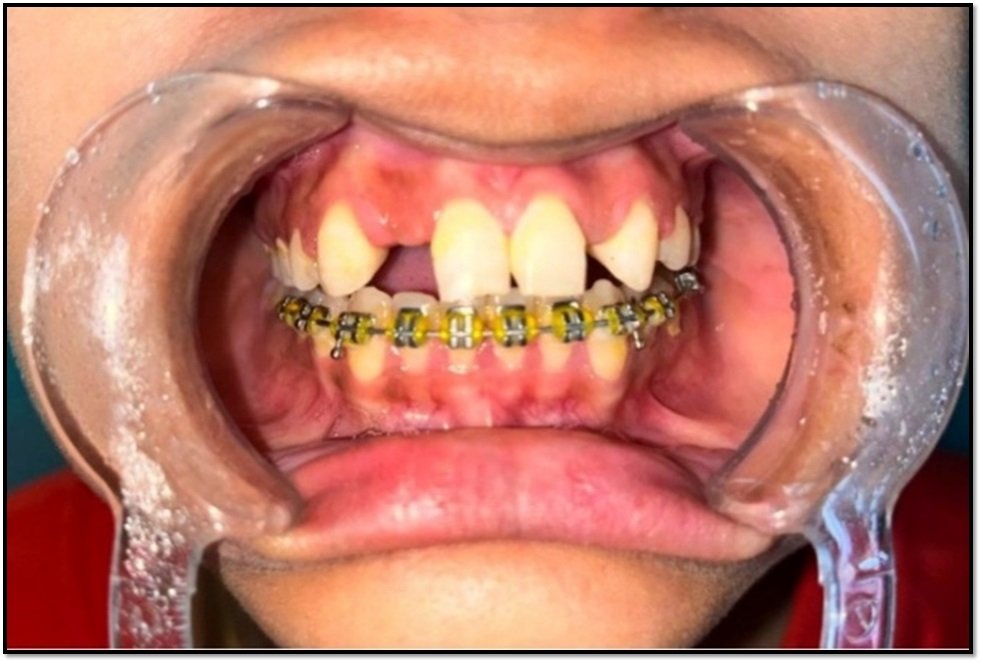
Figure 1: B- intraoral image
Requirements for Digital Smile Design
Key software for smile design includes Photoshop (Adobe), Smile Designer Pro (Tasty Tech Ltd), DSD App (Coachman), and Exocad DentalCAD. Digital impressions, captured using intraoral scanners, are processed via CAD/CAM systems for precise 3D modeling. Essential photographic documentation includes:
1. A full-face natural smile
2. A resting facial view
3. An occlusal view of both arches
Leading DSD software includes CEREC Smile Design (SIRONA), Digital Smile System (DSS), Romexis Smile Design (PLANMECA), and Smile Composer (3Shape), enhancing treatment predictability and efficiency.
Treatment Workflow
The treatment began with orthodontic repositioning to create the appropriate space for the lateral incisors. Once the ideal alignment was achieved, intentional root canal treatment (RCT) was performed on teeth 11, 13, 21, and 23 to facilitate prosthetic rehabilitation. After achieving the necessary space, tooth preparation was performed on the central incisors and canines following the principles of preserving tooth structure, retention, resistance, marginal integrity, and structural durability. (Figure 2)
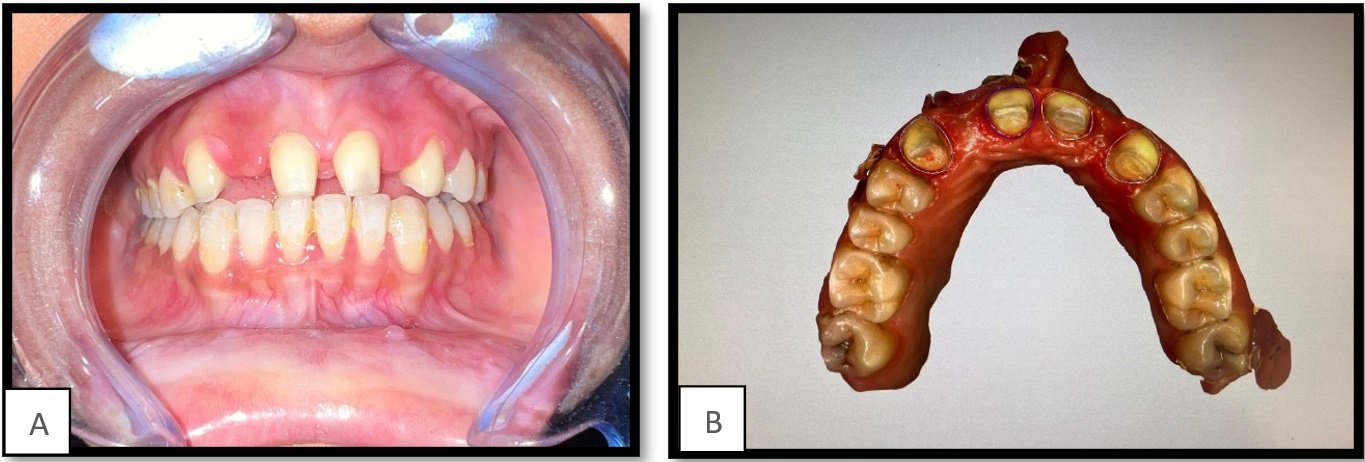
Figure 2: Image after tooth preparation: A- intraoral image, B- image after 3D Scanning.
A digital impression of the maxillary and mandibular arches was taken using CEREC Primescan, ensuring precise data acquisition for the smile design process. Once the digital impressions were obtained, smile design was initiated using CEREC SW software.
Steps in Smile Design Using CEREC SW Software
1. Jaw Alignment and Model Analysis: The software first aligned the upper and lower jaw scans to ensure a precise occlusal relationship. This step was essential for designing a functionally and aesthetically balanced smile.
2. Midline and Occlusal Plane Adjustment: The digital scan was analyzed to align the dental midline with the facial midline and adjust the occlusal plane accordingly. (Figure 3)
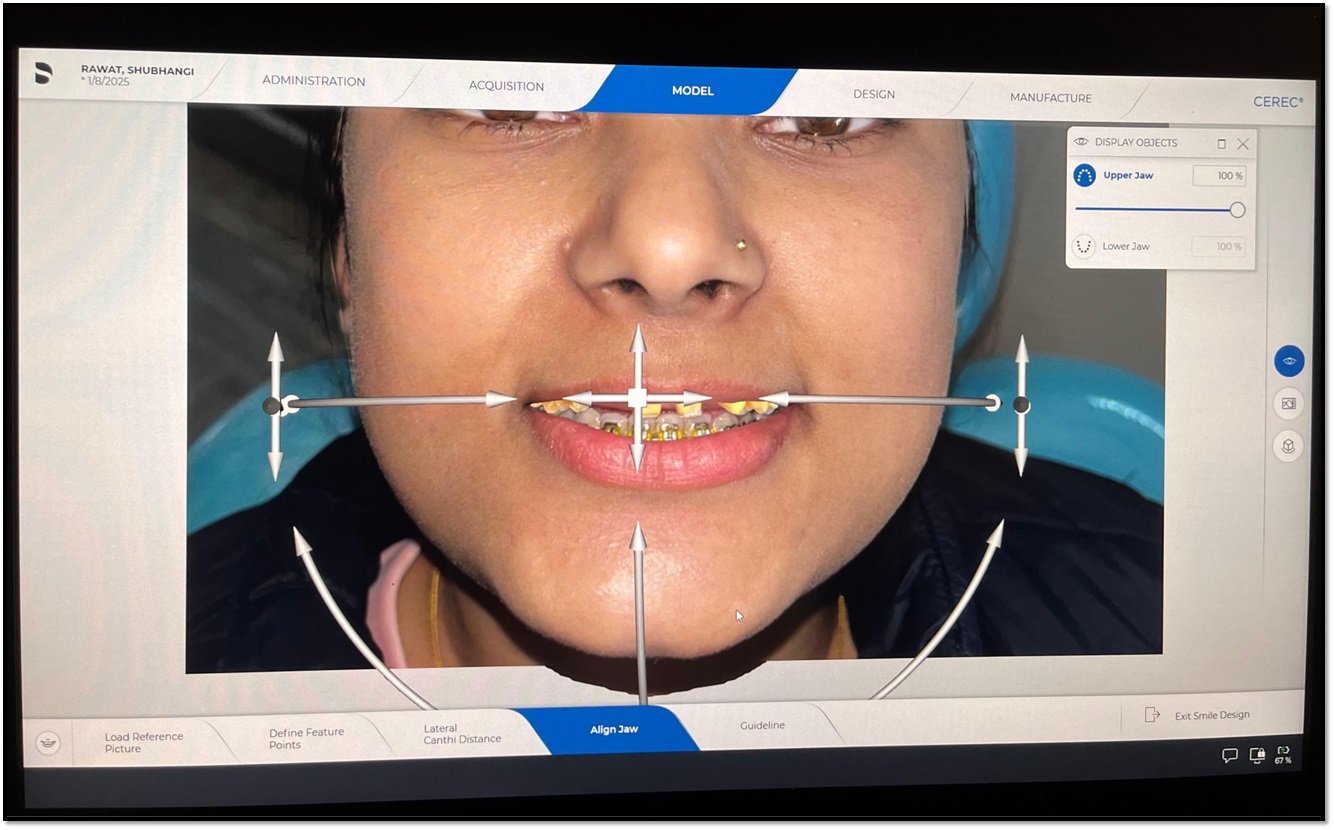
Figure 3: Aligning the dental midline with the facial midline
3. Tooth Shape and Proportion Selection: The software offered various tooth morphology options, allowing the clinician to select the most suitable shape and size that complemented the patient’s facial aesthetics.
4. Smile Simulation and Mock-up Creation: A digital smile simulation was generated, allowing both the clinician and patient to preview the potential outcome. Adjustments in length, width, and angulation were made to achieve the desired look. (Figure 4)
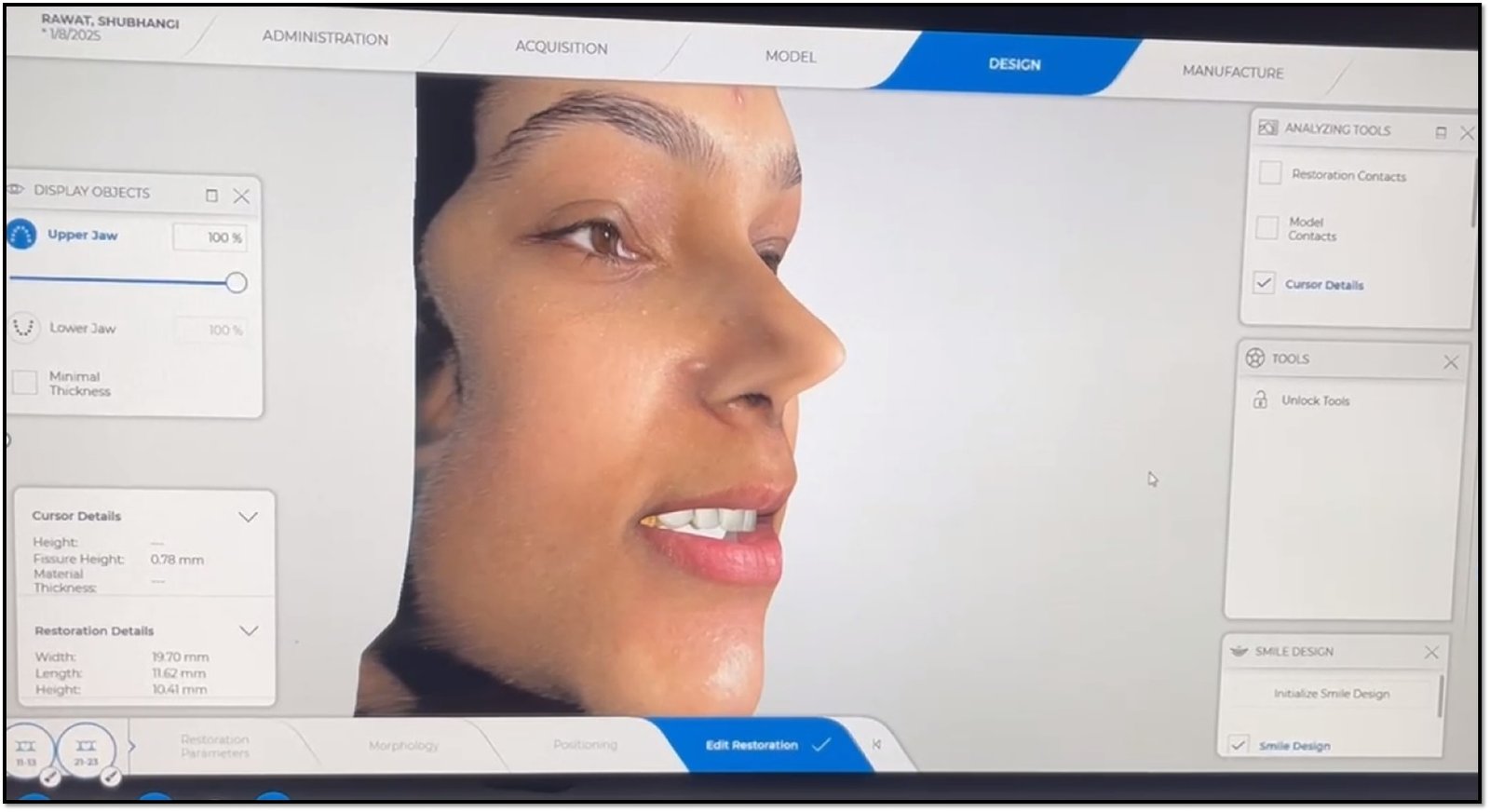
Figure 4: Smile Simulation in 3D view
5. Occlusion and Function Verification: The software analyzed contact points and occlusion, ensuring a balanced bite and preventing future wear or functional issues.
6. Final Design Approval: After all adjustments, the final digital smile design was reviewed and approved before proceeding with fabrication.
Following the smile design phase, the all-ceramic zirconia FPD was milled using CEREC’s CAD/CAM system (Figure 5). Post-processing steps, including sintering, polishing, staining, and glazing, were completed to achieve a natural appearance. The final restorations were tried in the patient’s mouth, ensuring proper fit and occlusion. After minor adjustments, the FPD was permanently cemented using resin cement, restoring both function and esthetics. (Figure 6)
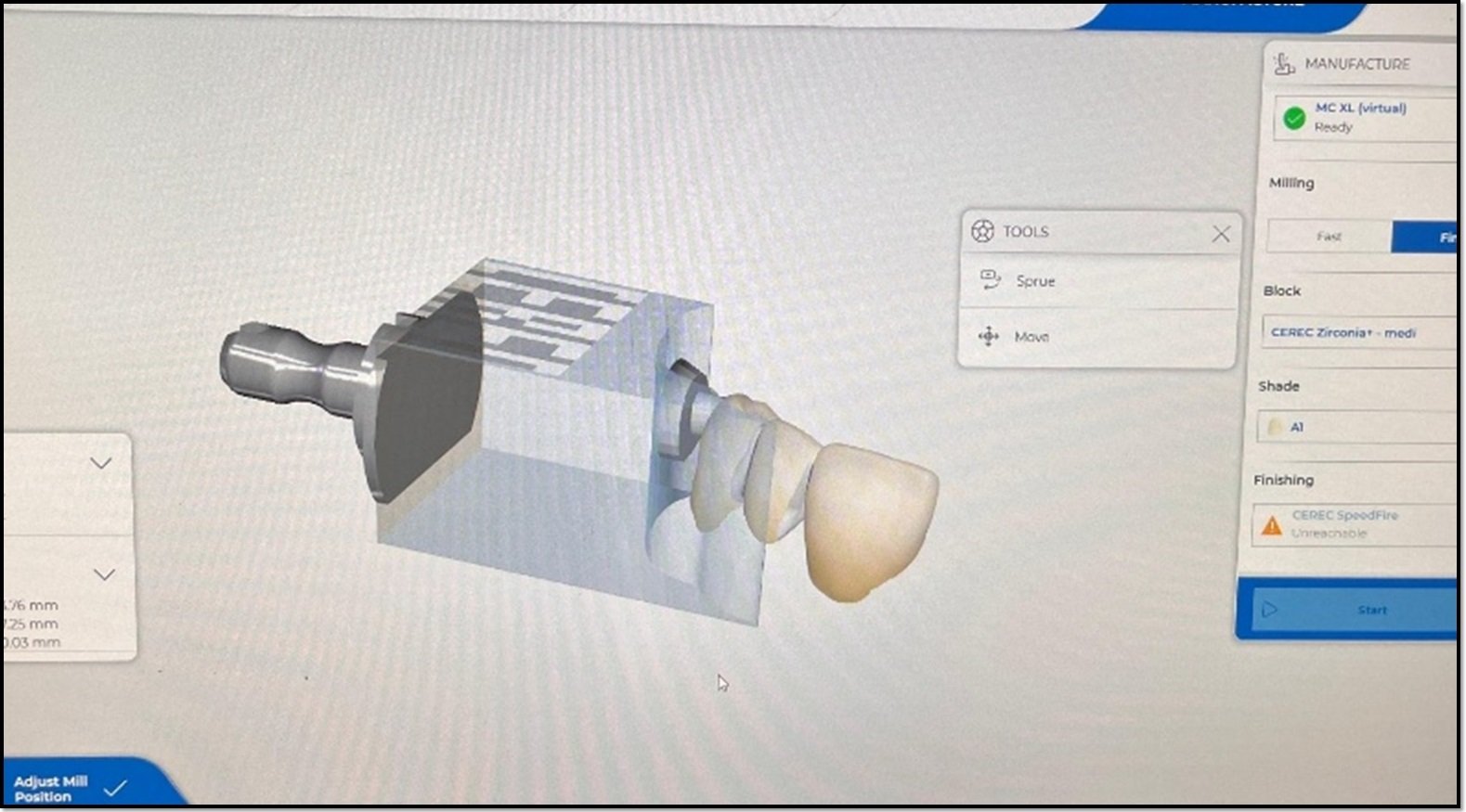
Figure 5: Prosthesis before mill
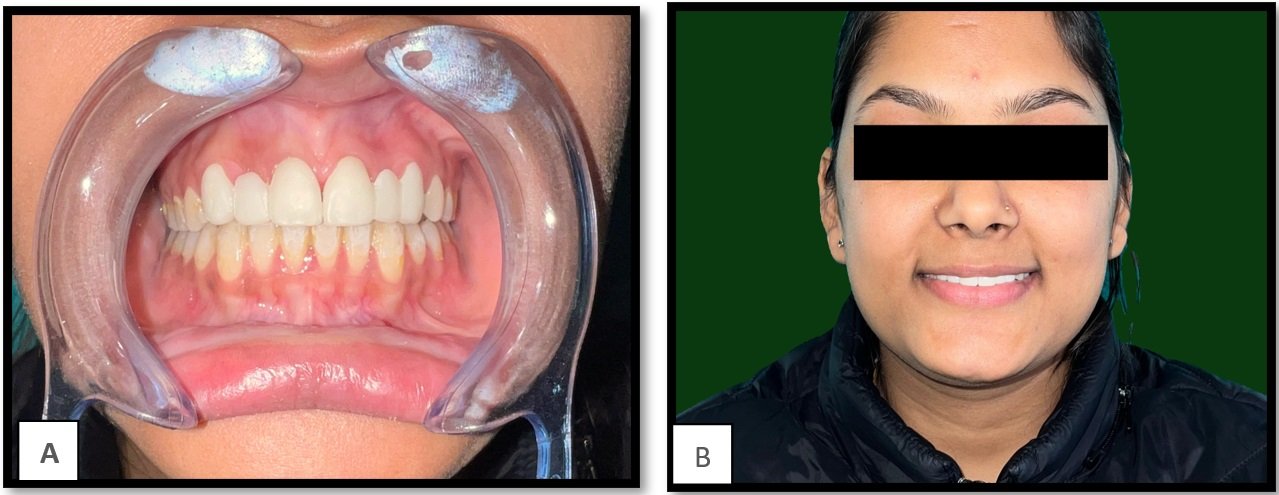
Figure 6: Postoperative intraoral and extraoral images
Discussion
Congenitally missing maxillary lateral incisors present a unique challenge in aesthetic and functional rehabilitation. This condition, known as maxillary lateral incisor agenesis, is the second most common dental agenesis after third molars.6 The absence of these teeth can lead to esthetic concerns, functional disturbances, and orthodontic issues such as midline discrepancies and arch asymmetry. Treatment planning for such cases requires a multidisciplinary approach, involving orthodontics, prosthodontics, and endodontics to achieve optimal results.
In this case, orthodontic repositioning was performed prior to prosthetic rehabilitation to create the necessary space for lateral incisor replacement. Orthodontic intervention is crucial in such scenarios as it helps establish proper spacing, correct bite alignment, and improve the overall esthetics of the smile. Following space creation, intentional root canal treatment (RCT) was performed on the central incisors and canines to facilitate their use as abutments for a fixed partial denture (FPD).
Digital dentistry, particularly the use of CEREC SW software, played a pivotal role in achieving a predictable and highly esthetic outcome. Traditional treatment approaches often involve wax-ups and manual mock-ups, which can be time-consuming and less precise.7 In contrast, digital smile design (DSD) with CEREC SW allowed for real-time visualization, precise modifications, and patient involvement in treatment planning.8 The software enabled accurate tooth morphology selection, occlusion verification, and a natural transition between restorations and existing dentition.
In 2017, Christian Coachman outlined the evolution of smile design in different generations:9
Generation 1: Analogue Sketches
Manual drawings on printed photos with no link to study models.
Generation 2: Digital 2D Sketches (No Physical Link)
Use of tools like PowerPoint for 2D designs, visually matched with models but no physical integration.
Generation 3: Digital 2D with Physical Link
Introduction of software connecting 2D designs to 3D wax-ups and incorporating facial features.
Generation 4: 2D to 3D Integration
Digital workflows with 3D wax-ups, facial integration, and esthetic parameters fully connected.
Generation 5: Fully Digital 3D Workflow
Complete digital planning, simulation, and execution of esthetic treatments.
Generation 6: 4D Smile Design
Dynamic, motion-based smile analysis replacing static images.
One of the key advantages of using CEREC CAD/CAM technology is its ability to deliver same-day restorations, reducing the number of appointments and improving patient experience.10 In this case, an all-ceramic zirconia FPD was chosen for its superior esthetic and mechanical properties, offering excellent strength and translucency that closely mimicked natural teeth. The ability to fine-tune shade, shape, and occlusal dynamics digitally ensured a seamless integration with the patient’s natural dentition.
Another critical factor in this case was proper occlusal planning. The CEREC SW occlusion tool facilitated a balanced bite, preventing excessive wear and ensuring long-term stability.11 Studies suggest that poor occlusion in prosthetic rehabilitation can lead to functional complications such as TMJ disorders and uneven stress distribution. By incorporating digital occlusal analysis, the risk of such complications was minimized.
In smile designing, the dental components that contribute to an ideal smile are carefully evaluated for harmony and proportion. One of the key aspects is the width-to-length ratio of the maxillary central incisors, which should ideally fall between 4:5 or approximately 75%–80% of their width to ensure balanced proportions.12 Several esthetic theories guide this assessment, including the Golden Proportion by Lombardi, Recurring Esthetic Dental Proportions by Ward, M Proportions by Méthot, and Chu’s Esthetic Gauges.13 These concepts help achieve visual harmony between the teeth and facial structures. Additional crucial factors include correct midline alignment with the facial midline, appropriate crown length and contour, accurate positioning of gingival zenith points, and proper exposure of the interdental papilla to avoid unsightly gaps.14 The axial inclination of teeth also plays a significant role in creating a natural and symmetrical smile. Together, these elements form the foundation for designing a well-balanced and esthetically pleasing smile.
Overall, this case highlights the effectiveness of a digital, interdisciplinary approach to smile design and prosthetic rehabilitation. The integration of orthodontic treatment, endodontic preparation, and CAD/CAM prosthodontics ensured both functional and esthetic success. The use of CEREC SW software provided efficiency, accuracy, and patient satisfaction, demonstrating its value in modern prosthetic dentistry.
Future advancements in AI-driven smile design and improved material technology will further enhance digital dentistry, making treatments even more predictable and patient-friendly.15 This case serves as a benchmark for utilizing digital workflow in managing congenital tooth agenesis, emphasizing the importance of precision-driven, minimally invasive, and esthetically superior solutions.
Conclusion
CEREC SW software offered a precise, efficient, and patient-friendly solution for digital smile design. The ability to visualize and customize the outcome before fabrication enhanced patient satisfaction and clinical predictability. This case review demonstrated the power of CAD/CAM technology in modern dentistry, making same-day smile makeovers a reality. The use of digital smile design and all-ceramic FPDs provided a minimally invasive, highly aesthetic solution for patients with congenitally missing lateral incisors.
References
- Blatz MB, Chiche G, Bahat O, Roblee R, Coachman C, Heymann HO. Evolution of aesthetic dentistry. Journal of dental research. 2019 Nov;98(12):1294-304.
- Araujo E, Perdigão J. Anterior Veneer Restorations-An Evidence-based Minimal-Intervention Perspective. Journal of Adhesive Dentistry. 2021 Mar 1;23(2).
- Ackerman JL, Proffit WR. Soft tissue limitations in orthodontics: treatment planning guidelines. The Angle Orthodontist. 1997 Oct 1;67(5):327-36.
- Coppelson KB. Adjustments to the Maxillofacial Skeleton to Improve Facial Harmony. Advances in Cosmetic Surgery. 2025 Feb 21.
- Becker MJ, Turfa JM. The Etruscans and the history of dentistry: the golden smile through the ages. Routledge; 2017 Feb 17.
- Zimbler MS, Ham J. Aesthetic facial analysis. Cummings Otolaryngology: Head and Neck Surgery. Philadelphia, PA: Mosby, Inc. 2005:517-8.
- Sancho-Puchades M, Fehmer V, Hämmerle C, Sailer I. Advanced smile diagnostics using CAD/CAM mock-ups. Int J Esthet Dent. 2015 Jan 1;10(3):374-91.
- Buchholz VS. Facial harmony: dental aesthetics and digital smile analysis. A systematic review [undergraduate thesis]. Valencia: Universidad Europea de Valencia; 2022.
- Coachman C, Calamita MA, Sesma N. Dynamic documentation of the smile and the 2D/3D digital smile design process. Int J Periodontics Restorative Dent. 2017 Mar 1;37(2):183-93.
- Ijaz MH. Advances in CAD/CAM technology for chairside Restorative Dentistry: A workflow analysis. Journal of dental care. 2024 Dec 10;1(2):86-99.
- Muianga MI. Data capture stabilising device for the CEREC Cad/Cam chairside camera (Doctoral dissertation).
- Wang Y, Song Y, Zhong Q, Xu C. Evaluation of influence factors on the width, length, and width to length ratio of the maxillary central incisor: A systematic review and meta?analysis. Journal of Esthetic and Restorative Dentistry. 2021 Mar;33(2):351-63.
- Mosomi MN. Evaluation of the Golden Proportion, Recurring Esthetic Dental Proportion and the Golden Percentage in a Kenyan Population. Nairobi: University of Nairobi; 2023.
- Sharma AA, Park JH. Esthetic considerations in interdental papilla: remediation and regeneration. Journal of esthetic and restorative dentistry. 2010 Feb;22(1):18-28.
- Dhopte A, Bagde H. Smart smile: revolutionizing dentistry with artificial intelligence. Cureus. 2023 Jun 30;15(6).
Disclaimer from Guident
The views and opinions expressed in articles published in Guident are solely those of the authors and do not necessarily reflect the views of the editors, the editorial board or the publisher, Ivory India. Guident does not endorse any product, technique or treatment described. Clinical content is intended for qualified dental and medical professionals and is not a substitute for individual clinical judgement. Guident, its editors and the publisher accept no liability for any consequence arising from the use of information published in the journal.
How to cite this article
Dr. Varun Kumar, Dr. Arvind Sahu, Dr. Geeta Arya. Digital Smile Design Unveiled: Aesthetic Rehabilitation of Missing Maxillary Lateral Incisors: A Case Report. Guident. 2025 Jun;18(7). Available from: https://guident.in/articles/prosthodontics/digital-smile-design-unveiled-aesthetic-rehabilitation-of-missing-maxillary-lateral-incisors-a-case-report.html