Probiotics: A Step Ahead Towards Periodontal Health
Department of Periodontology and Implantology, Jodhpur Dental College General Hospital, Jodhpur National University
Abstract
Background: Most frequent cause of tooth loss in adults is periodontal disease and much of the treatment is focused on destruction of the disease, and not doing enough to prevent the disease. The probiotic bacteria either interact directly with the disease causing bacteria, making it tough for them to cause the disease or compete with bacterial adhesion sites and also to boost the immune system which further helps in disease prevention.
Aims and Objectives: The present review article aims at summarizing the literature published in the past few years giving special focus on possible role of probiotics on periodontal health and on the ideal treatment protocol for patients with periodontal disease
Material and Method: Articles were selected for this review from multiple Medline (PubMed) searches.
Conclusion: The focus of periodontal therapy in future should not be on specific bacterial elimination but to alter their ecology using probiotics. Incorporating probiotics in our treatment plan will increase the effectiveness of periodontal treatment regimen.
Keywords: Probiotics, Periodontal diseases, Health.
INTRODUCTION
Development of antibiotic resistance has encouraged scientists to build up alternative antimicrobial approaches for fighting against infectious diseases. In this era of modern medicine, application of ‘health promoting bacteria’ or ‘probiotics’ has emerged as a boon and has widened the field further. In early 19th century Elie Metchnikoff, a Nobel laureate and professor at the Pasteur Institute in Paris, introduced the concept of probiotics. He proposed that the aging process results from the toxic substances produced by proteolytic microorganisms in the large intestine and consumption of fermented milk would cause intestinal auto-intoxication which can restrain the growth of proteolytic species, thus limiting the aging process.1 Till then scientists continued to explore the concept, and the term “probiotics”—meaning “for life”—eventually came into use. This term was first used in 1965 by Lilly and Stillwell to describe substances secreted by one microorganism which stimulate the growth of another. 2>]In 1989, Roy Fuller defined them as “A live microbial feed supplement which beneficially affects the host animal by improving its intestinal microbial balance."3
According to WHO (2002) probiotics are live microorganisms present in digestible food ingredients, when administered in adequate amounts, beneficially affects the host by selectively stimulating the growth or activity of one or a limited number of bacterial species already established in the colon, thus in effect improve host health and confer a health benefit on the host.[4] Much of the research work done till date elaborates the functional capacity of these micro-organisms, which suggest that probiotics may develop as the beneficial therapeutic tool in the future. The probiotic bacteria either interact directly with disease causing bacteria making it tough for them to cause the disease or compete with bacterial adhesion sites and finally also boosts the immune system which further helps in
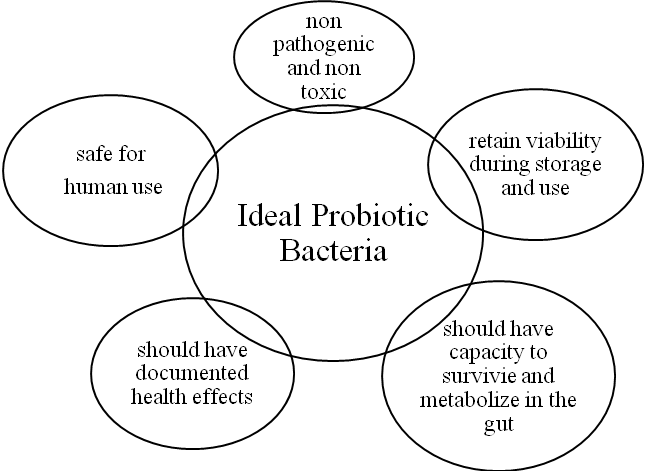
Figure 1: Characteristics of ideal probiotic bacteria.
disease prevention. Probiotics are available as sour cream, yoghurt, powdered milk, buttermilk, frozen desserts or in capsules, tablets and lozenges.
The present review article aims at summarizing the literature published in the past few years giving special focus on possible role of probiotics on periodontal health and what should be the ideal treatment protocol for patients with periodontal disease.
IDEAL PROBIOTIC PROPERTIES
Fuller in 1989[3] listed the following as features of a good probiotic: 1) It should be able to exert a beneficial effect on host tissues for example, increased growth or increased resistance to disease.2) It should be nonpathogenic and non-toxic.3) It should retain viability during storage and use.>4) It should be capable of resisting against acidic pH, organic acids and bile in the gastrointestinal tract.
In addition to the above mentioned criteria probiotic microorganism also has to be microbiologically characterized and subjected to randomized clinical trials. Principally, it has to be of human origin, scientifically demonstrating beneficial physiological effects and prove being safe for human use. (Figure 1).
CURRENTLY USED PROBIOTICS:
The vast majority of probiotic bacteria belong to the genera Lactobacilli (L), Bifidobacterium (B), Propionibacterium (P) and Streptococcus (S). Table 1 depicts the list of micro-organisms used as probiotics.
METHODOLOGY:
Peer-reviewed manuscripts published with full-texts in English were considered in this manuscript. Articles were selected for this
Table 1:List of microorganisms used as Probiotics.
|
Bacteria |
|
Lactobacillus: acidophilus, sporogenes, plantarum, rhamnosum, delbrueck, reuteri, fermentum, lactus, cellobiosus, brevis. |
|
Bifidobacterium: bifidum, infantis, longum, thermophilum, animalis |
|
Streptococcus: oralis, uberis, salivarius, sanguis |
|
Leuconostoc |
|
Pediococcus |
|
Propionibacterium |
|
Bacillus |
|
Enterococcus |
|
E. faecium |
|
Yeast & Moulds |
|
A. cerevisiae, A. niger, A. Oryzue |
|
C. Pintolopesii |
|
Sacharomyces boulardii |
review from multiple Medline (PubMed) searches, many of which combined the phrases probiotics, probiotics in periodontal disease, periodontal diseases and probiotics or with other such descriptive terms. Some of the manuscripts that substituted specific bacterial names associated with probiotic use and periodontal pathogens were also included in order to maximize the yield of related literature research. Some manuscripts were selected from the bibliography of clinical trials (with humans or animal models). Other published reviews are not reviewed, but in some cases are referenced for summarizing and supporting the literature.
NEED OF PROBIOTIC IN PERIODONTAL DISEASE:
The current concept on etiology of periodontitis considers three groups of factors that determine whether active periodontitis will occur in a subject: a susceptible host, the presence of pathogenic species and lastly the absence, or a small proportion of beneficial bacteria. It has been established that over 1000 bacterial species are present in the oral cavity. The bacteria associated with periodontal health are mainly gram positive facultative species and a small proportion of gram negative species may also be found. The key pathogens associated with Periodontitis are Prevotella intermedia, Porphyromonas gingivalis, Treponema denticola, Tannerella forsythia and Aggregatibacter actinomycetemcomitans.[5] They are strongly associated with periodontal disease progression and unsuccessful therapy. These bacteria have a variety of virulent characteristics allowing them to colonize the subgingival sites, fight with host’s immune system and cause tissue damage.
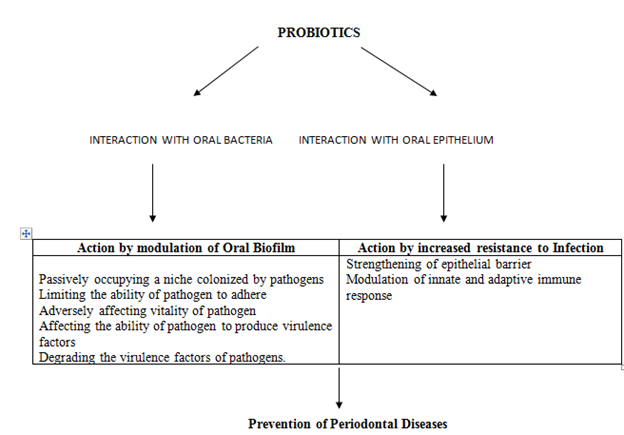
Figure 2: Mode of action of a probiotic.
The recovery of microorganisms from periodontally healthy sites is insufficient compared with that from diseased sites. The clinical manifestations of periodontal destruction results from a complex interplay between the etiological agents. For the management of periodontal diseases, conventional approaches were mainly mechanical in nature including scaling and root planing and periodontal surgery. Despite the best efforts of dental professionals to clean the periodontal pockets thoroughly and remove every source of localized inflammation, the pockets are inevitably repopulated with oral bacteria.[6] The cause of this repopulation is multifactorial depending on the level of oral hygiene, the efficacy of the subgingival debridement and the residual probing depth.[7] Chemotherapeutic agents either locally applied or systemically delivered antimicrobials and host modulatory therapies have also been used as an adjunct, but they have fewer roles on long term effect of periodontal therapy[8] Therefore, some authors, spotlight on the third etiological factor for plaque-related periodontal inflammation, namely the reduction or absence of so-called beneficial bacteria. Restoring these reduced numbers of beneficial bacteria via probiotics might be of considerable interest in the treatment of plaque-induced periodontal diseases, from a theoretical point of view. These beneficial bacteria not only suppress the emergence of endogenous pathogens or prevent the superinfection with exogenous pathogens; they might also protect us through the promotion of a beneficial host response. (Figure 2).
PROBIOTICS AND PERIODONTAL DISEASE:
Resident lactobacilli flora inhibits the growth of 88%Aggregator actinomycetemcomitans, 82% of Prevotella gingivalis and 65% of Prevotella intermedia. The prevalence of lactobacilli, particularly Lactobacillus gasseri and Lactobacillus fermentum, in the oral cavity was greater among controls than among patients with chronic periodontitis in which Lactobacillus plantarum was predominant. This suggests that antimicrobial properties are strain, species and origin specific.[9] Shimauchi and colleagues found that upon administration of Lactobacillus salivarius in tablet form orally there was reduction in the plaque index and probing pocket depth in smoker patients as compared to the placebo group[10]. In another study it was inferred that inhibitory activity of lactobacillus against periodontal pathogens was primarily related to their production of acid, not hydrogen peroxide or bacteriocin.[11] These observations suggest that Lactobacilli residing in the oral cavity could prevent disease progression and play beneficial role in maintaining oral ecological balance. Teughels et al introduced a concept of Guided Pocket Recolonization (GPR). He also concluded that applying mixture of beneficial bacteria after scaling and root planing there was a decrease in growth of repopulated bacteria leading to further delay in recurrence in clinical symptoms of gingival and periodontal diseases.[12]
Krasse and colleagues[13] assessed the beneficial effect of L. reuteri, in the form of chewing gum against gingivitis. This is the first specially formulated probiotic containing 2x10⁸ living cells of L. reutri Prodentis to fight against periodontal pathogens. L. reuteri Prodentis has been recommended during non surgical and maintenance phase of periodontal treatment.
In another study[14] L. casei containing milk drink was given to 50 students having plaque induced gingivitis for 8 weeks, following which there was a reduction in level of MMP-3 and elastase activity.
Riccia and colleagues[15] studied the anti-inflammatory effects of Lactobacillus brevis in a group of patients with chronic periodontitis. The authors recommended that the anti-inflammatory effects of L. brevis could be attributed to its capacity to prevent the production of nitric oxide which is further responsible for release of PGE2 and activation of MMPs. At the same time L. brevis may also be antagonistic, causing reduction in the quantity of plaque leading to improvement in the gingival index. A cross-sectional study conducted by Amanda R et al in older Danish adult suggested that higher daily intakes of milk and fermented foods may be protective against periodontitis.[16] During the fermentation process in milk, Lactobacillus helveticus produces bioactive peptides that act on osteoblasts which stimulates bone formation thereby reducing bone resorption associated with periodontitis.[17]
In an another study from Japan relationship between the intake of dairy products, such as milk, cheese, and lactic acid food upon periodontal condition was studied.[18] Dietary survey was conducted using a semi quantitative food frequency method. Lactic acid producing bacteria present in yoghurt would resists the growth of the pathogens responsible for periodontitis, However, longitudinal studies are required, to illuminate the observed relationship between regular consumption of products containing probiotics and periodontal health.
Grudianov et al also carried out a clinical study where they obtained a probiotic mix in the tablet forms, viz Acilact and Bifidumbacterin and found normalization of micro flora and reduction of signs of gingivitis and mild periodontitis.[19] Volozhin et al have also revealed that a periodontal dressing containing L. Casei 37 can reduce the number of most common periodontal pathogens and extend diminution up to 10–12 months.[20]
Probiotics have also a role in controlling halitosis. Strains of Weisella Cibaria co-aggregate with F. nucleatum forming a complex which is than easily removed from the oral cavity by salivary flow. Kang et al showed that W cibaria isolates used as mouthrinse inhibits Volatile Sulfor Compounds (VSC) production under both in vitro & in vivo conditions signifying that they bear the potential for development into novel probiotics for use in the oral cavity.[21]
STRESS, PERIODONTIUM AND PROBIOTICS:
Dental plaque is considered as a primary etiological factor for periodontal disease. Several clinical studies have investigated the possible relationship between stress, distress, anxiety, depression, loneliness and periodontitis.[22,23,24] .All these studies show that chronic stress has a negative effect on immune system leading to imbalance between host and parasite resulting in periodontal breakdown. Individuals with high stress levels are less attentive towards oral hygiene and tend to increase bad habits, leading to poor periodontal health, said Preston Miller Jr., president of the American Academy of Periodontology, in a release.
Chronic Fatigue Syndrome (CFS) patients were administered three doses of lactobacillus casei shirota for two months in a research led by A. V. Rao at the University of Toronto.[25] More than 70% of subjects taking probiotics found increase in level of lactobacillus and bifidobacterium in gut, resulting in relief of anxiety symptoms. The possible mechanism explained was that bifidobacterium increases levels of tryptophan, a chemical that helps feel better. Good bacteria produce compounds that help the brain to manage problems associated with behavior and mood.
Jevier Bravo fed mice with L rhamnosus found in yoghurts and dairy products, following which there was change in signaling chemicals in brain resulting in reduction in stress, anxiety and depression.[26] The bacteria boosted the role of GABA, a chemical involved in several stress related mental conditions which downplays the buzzing of excitable neurons.
John Cryan in a scientific American magazine, quoted that “It is highly plausible that probiotic agents in the future could be used to treat mood and anxiety disorders,” as their study has shown that these bacteria play around with the same brain chemicals that the antidepressants and anti-anxiety drugs do.[27] More in vivo studies are required however to explore the role of probiotic in stress induced periodontal disease.
MODES OF DELIVERY:
A particular concern when evaluating probiotic effects on periodontal disease relates to the means of administration of these bacteria. Generally probiotics are delivered in dairy products (mainly fermented milks), as food supplements in tablet forms or in soft drinks. However these routes of administration cannot provide prolonged contact with oral tissues, facilitating probiotic adhesion to saliva coated surfaces. A lozenge form or chewing gum or tablet might serve the need for periodontal health prophylaxis. Controlled clinical trials and long term studies are however required to investigate the concentration of probiotic bacteria in the specific means of administration.
WHAT SHOULD BE IDEAL TREATMENT PROTOCOL??
Management of patients with periodontitis should involve following complementary treatment strategies: 1) Patient education and motivation, including oral hygiene instructions. Explanations of rationale for any adjunctive treatment like use of antiseptic mouth rinses or floss to clean the gingival pockets and prevent their colonization with pathogenic periodontal bacteria. 2) Reduction of bacterial burden by meticulous Scaling and root planing. 3) Site- specific antibacterial treatment with local delivery systems. 4) Host response modulation by Host Modulation Therapies (HMT).5) Risk factor modification and risk reduction. 6) Periodontal surgery if required. And finally taking a dose of Oral Probiotics to down regulate any cytokine release occurring from bacteria and toxins that form in plaque and calculus, we failed to clean away. This will finally increase the effectiveness of complete periodontal treatment.
CONCLUSION
In conclusion, probiotics are emerging as an interesting field in oral medicine. This will prompts new prospect on the relationship between diet and oral health. Preliminary data obtained by various research laboratories have been encouraging, but numerous randomized clinical studies will be required to assess the methods of probiotic administration in oral cavity, dosages for different therapeutic uses and towards the action of probiotics on various oral pathological states. Finally incorporating probiotics in our treatment plan will increase the effectiveness of periodontal treatment regimen.
REFERENCES
- Anukam KC, Reid G. Probiotics: 100 years (1907-2007) after Elie Metchnikoff’s Observation. Communicating Current Research and Educational Topics and Trends in Applied Microbiology.2007;466-74.
- Lilly DM, Stillwell RH. Probiotics: Growth Promoting Factor Produced by Microorganisms. Science1965;147:747-48.
- Fuller R. Probiotics in man and animals. J Appl Bacteriol.1989;66:365-78
- Food and Health Agricultural Organization of the United Nations and World Health Organization Guidelines for the evaluation of Probiotics in food. Joint FAO/WHO Working Group Report on Drafting Guidelines for the Evaluation of Probiotics in Food. 2002.Available from:ftp://fao.org/es/esn/food/wgreport2.pdf.
- Quirynen M, Teughels W, Haake SK, Newmann MG. Microbiology of Periodontal Diseases. In: Newman MG, Takei HH, Klokkevold PR, Carranza FA, editors. Carranza’s Clinical Periodontology.10thed. St Louis, Missouri: Saunders Elsevier; 2007.p.134-69.
- Magnusson I, Lindhe J, Yoneyama T, Liljenberg, B. Recolonization of a subgingival microbiota following scaling in deep pockets. J Clin Periodontol.1984; 11:193–207.
- Pedrazzoli V, Kilian M, Karring T, Kirkegaard E. Effect of surgical and non-surgical periodontal treatment on periodontal status and subgingival microbiota. J Clin Period- ontol. 1991: 18: 598–604.
- Quirynen M, Teughels W, De Soete M, van Steenberghe D. Topical antiseptics and antibiotics in the initial therapy of chronic adult periodontitis: microbiological aspects. Periodontol 2000.2002: 28 : 72–90
- Koll-Klais P, Mandar R, Leibur E, Marcotte H, Hammarstrom L, Mikelsaar M. Oral lactobacilli in chronic periodontitis and periodontal health: species composition and antimicrobial activity. Oral Microbiol and Immunol 2005;20:354–61.
- Shimauchi H, Mayanagi G, Nakaya S, Minamibuchi M, Ito Y, Yamaki K, et al. Improvement of periodontal condition by probiotics with Lactobacillus salivarius WB21: A randomized, double-blind, placebo controlled study. J Clin Periodontol 2008;35:897-905.
- Ishikawa H, AibaY, Nakanishi M, Oh-Hashi Y, KogaY. Suppression of periodontal pathogenic bacteria by the administration of Lactobacillus salivarius T12711. J Jap Soc Periodontol 2003; 45:105-12.
- Teughels W, Newman MG, Coucke W, Haffajee AD, Van der Mei HC, Kaake SK, et al. Guiding periodontal pocket recolonization: a proof of concept. J Dent Res. 2007;86:1078–82.
- Krasse P, Carlsson B, Dahl C, Paulsson A, Nilsson A, Sinkiewicz G. Decreased gum bleeding and reduced gingivitis by the probiotic Lactobacillus reuteri. Swed Dental Journal 2006;30: 55–60.
- Staab B, Eick S, Knöfler G, Jentsch H. The influence of a probiotic milk drink on the development of gingivitis: a pilot study. J Clin Periodontol 2009;36:850-6.
- Riccia DN, Bizzini F, Perilli MG, Polimeni A, Trincheri V, Amicosonate G, et al. Anti inflammatory effects of L brevis (CD 2) on periodontal disease. Oral dis 2007;13:376-85.
- Amanda RA, Christensen LB, Holm-Pedersen P, Avbyblund K, Boucher BJ. Intake of Dairy Products in Relation to Periodontitis in Older Danish Adults. Nutrients 2012;4:1219–29.
- Narva M, Halleen J, Väänänen K, Korpela R. Effects of Lactobacillus helveticus fermented milk on bone cells in vitro. Life Sci. 2004;75:1727-34.
- Shimazaki Y, Shirota T, Uchida K, Yonemoto K, Kiyohara Y, Iida M et al. Intake of dairy products and periodontal disease: the Hisayama Study. J Periodontol. 2008;79:131-7.
- Grudianov AI, Dmitrieva NA, Fomenko EV. Use of probiotics Bifidumbacterin and Acilact in tablets in therapy of periodontal inflammations. Stomatologiia (Mosk) 2002;81:39–43.
- Volozhin A.I, Il‘in V.K, Maksimovskii I.M. Development and use of periodontal dressing of collagen and Lactobacillus casei 37 cell suspension in combined treatment of periodontal disease of inflammatory origin (a microbiological study). Stomatologiia (Mosk) 2004;83:6–8.
- Kang MS, Na HS, Oh LS. Coaggregation ability of Weissella cibaria isolates with Fusobacterium nucleatum and their adhesiveness to epithelial cells. FEMS Microbiol Lett 2005;253:323–29.
- Freeman R, Goss S. Stress measures as predictors of periodontal disease a preliminary communication. Community Dent Oral Epidemiol 1993;21:176–77.
- Genco RJ. Relationship of stress, distress and inadequate coping behaviors to periodontal disease. J Periodontol 1999;70:711–23.
- Ng SKS, Leung WK. A community study on the relationship between stress, coping, affective dispositions and periodontal attachment loss. Community Dent Oral Epidemiol 2006;34:252–66.
- Rao AV, Bested AC, Beaulne TM, Katzman MA, Iorio C,Berardi JM, et al. A randomized, double-blind, placebo-controlled pilot study of a probiotic in emotional symptoms of chronic fatigue syndrome. Gut Pathog 2009;1:6
- Bravo JA, Forsythe P, Chew MV, Escaravage E, Savignac HM, Dinan TG, et al. Ingestion of Lactobacillus strain regulates emotional behavior and central GABA receptor expression in a mouse via the vagus nerve. PNAS.2011;108:16050-5
- Cryan JF, O’Mahony SM. The microbiome gut brain axis: from bowel to behavior. Neurogastroenterol 2001;23:187-92.
Disclaimer from Guident
The views and opinions expressed in articles published in Guident are solely those of the authors and do not necessarily reflect the views of the editors, the editorial board or the publisher, Ivory India. Guident does not endorse any product, technique or treatment described. Clinical content is intended for qualified dental and medical professionals and is not a substitute for individual clinical judgement. Guident, its editors and the publisher accept no liability for any consequence arising from the use of information published in the journal.
How to cite this article
Dr.Divya Kothari. Probiotics: A Step Ahead Towards Periodontal Health. Guident. 2014 Jun;7(7). Available from: https://guident.in/articles/periodontics/probiotics-a-step-ahead-towards-periodontal-health.html