Understanding Autism: A View from Within
Department of Pedodontics and Preventive Dentistry K.D. Dental College & Hospital Mathura, U.P. India
INTRODUCTION
Autism is a lifelong disorder with social & language deficits. The brain of an autistic child is found to affected anatomically, structurally due to which the formed neurons have connectivity and synaptic issues that in turn affects the processing of information. This also makes them a very sensory defensive child and converts all their energy in to stress
As they have more information that they can handle. This sensory overload is manifested as anxious, disconnected and stressed child in every situation of life and dentistry is no exception
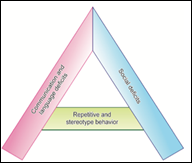
Therefore autism can be described as a lifelong neurodevelopmental disorder characterized by:
- Severe abnormality in social interaction
- Severe abnormality in communication skills
- Very confined, monotonous and stereotyped behaviour;
- Starts very early (before the age of 3 years).
ETIOLOGY
- Genetic and environmental factors.
- CNTNAP2 gene, de novo mutations, mitochondrial defects
- Cytokine dysregulation,
- High maternally derived intrauterine androgen concentrations
- Advancing maternal age
- Infections and toxins
SYMTOMATOLOGY
- The child has trouble in focussing or concentrating
- Do not respond to their name
- Poor eye contact
- Repetative movements such as hand flapping
- High threshold for pain
- Hate brushing and don’t like foamy toothpaste
- Picky eaters and resists new food and textures
- Don’t like getting haircuts, washed or brushed
- Difficulty in listening or selective hearing
- Poor fine motor skills such as handwriting or cutting
- Sensitive towards loud sounds such as vacuums, blenders
- Hate bright lights or bright colours and cannot adapt hence cries or shy away
- Don’t like being cuddled or hugged
- Hyperactive chewing patterns, will almost chew on everything
- Always smelling peoples food and objects
- Sit with legs in “W” position
- Walk on tiptoes and don’t like to be barefoot
- Poor gross motor skills
AFFECTED AREAS OF BRAIN
- Cerebral Cortex – maintains higher mental functions, general movement, perception & behavioral reactions
- Caudate Nucleus – responsible for stereotyped and repetitive behaviours
- Basal Ganglia - regulates automatic movement
- Corpus callosum – connects hemispheres
- Hippocampus – remembers new and recent information
- Amygdala – responsible for emotional responses and aggressive behaviour
- Cerebellum - fine tunes the motor activity, regulates balance, movements, coordination, speech muscles
- Brain stem - works as a relay station, controls breathing and heart rate
ALTERED NEUROANATOMY
Neuroimaging and neuropathological studies have shown structural and morphological brain abnormalities
- Altered Brain Growth in frontal lobe, cerebellum and limbic structure
- These areas are closely involved in development of social communication and motor abilities
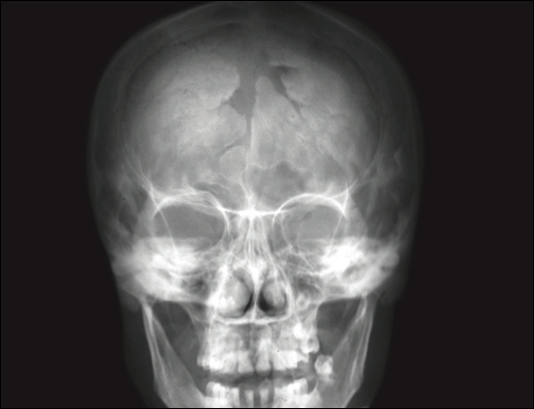
- Head circumference more than 75 percentile is associated with impaired adaptive behaviour
- Overall enlargement of the brain volume
- Increased subcortical white matter in the frontal lobe.
- Abnormal patterns of growth - CC, amygdala and hippocampal formations
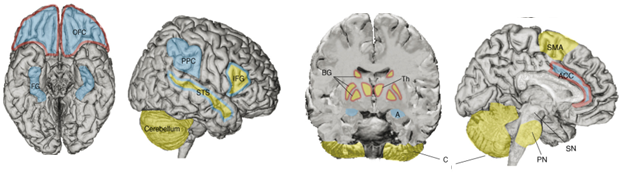
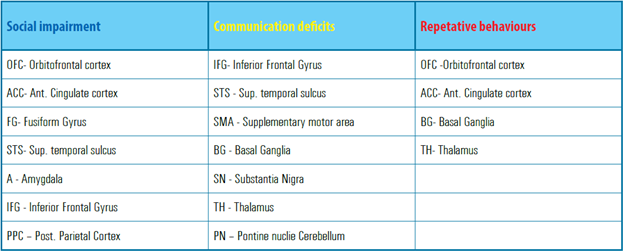
- Increased volume of the subcortical white matter in all lobes, especially frontal lobe
- Overgrowth of intra hemispheric connections causing language disorders .
- Brain volume : Most prominent theories is that the brain undergoes a period of precocious growth during early postnatal life followed by a deceleration in age-related growth
- DTI shows disruption of white matter that hampers social functioning
- fMRI shows disconnections between the brain regions that leads to reduced functional connectivity that hampers language, working memory, problem solving and social cognition
- Cortical and cerebral white matter volumes are indicative of inter-regional disconnectivity, potentially resulting in poor integration within and across neurobehavioral developmental domains
- Caudate nucleus, an area of the brain associated with repetitive behavior, is enlarged in children with autism
NEUROPATHOLOGY
- Pathological abnormalities in autism (Kemper and Bauman) :
- Reduction of the normal development of neurons in the forebrain limbic system with the abnormal growth pattern
- An apparent decrease in the cerebellar Purkinje cell population,
- Age-related changes in neuronal size and number in the nucleus of the diagonal band of Broca
- Cytoarchitectural abnormalities of the MINI COLUMNS
- They form the anatomic and functional units
- More numerous, smaller, and less compact in their cellular configuration
- They are the narrow chains of neurons that extend vertically across layers 2–6
SENSORY EXPERIENCES
- These children can be very sensory defensive, meaning they are easily upset by and thus avoid certain sensory experiences.
- They may hate bright lights or loud noise.
- They may also avoid strong smells and certain tactile experiences.
- Certain foods have strong smells and tastes; others have specific textures that may be appealing or disgusting to individual children.
- Some authors suggest deep pressure input technique has a calming effect on child such as brushing the inside of his cheeks with an electric toothbrush if non nutritive sucking is due to anxiety
STRESS
- The dental clinic per se represents an anxiety-provoking environment with
- bright fluorescent lights, devices generating sharp noises like dental drill
- materials of unfamiliar texture, taste, and smell.
- Noise disturbances in busy dental facilities with multiple operating units
- The experimental introduction of re- laxing light conditions, rhythmic music, and deep pressure in the dental setting diminished adverse patient reactions
- It can be asked from parents to bring the child’s favourite music video or music CD. Duration of the dental visit, and sensory sensitization should be kept to a minimum
ORAL MANIFESTATION
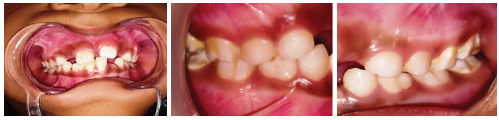
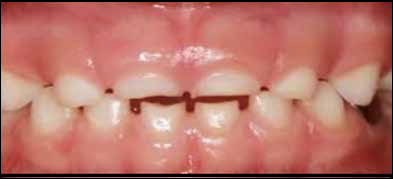
Bruxism
- Multiple reasons for bruxism are anxiety, stimming, habitual, side-effects of antidepressants, misaligned teeth or abnormal bite, sleep disorders and limited diet or combination
- Ultimately the underlying fundamental trigger for teeth grinding in autism is – STRESS that could be physical, mental & emotional
- High energy-sensitive beings and so any disturbances or new envoirnment, people or situation affects the entire neurobiology of the autistic individual
- Hypersensitive in nature and the fear of unknown is of greater magnitude.
- Morning headaches radiating to temples and are irritable upon awakening due to soreness of jaw muscles
- Generalized attrition of teeth leading to pulp exposure and periapical abcess
- Thermal hypersensitivity, hypermobility, injury to the periodontal ligament, fractures and pulpal pathology are few of the issues
- Loss of vertical dimension also leads to shortening of face

Dental Decay/Cavities
- Occurs secondary to carbohydrate or sugar rich diet received to pacify children
- Overlooked by family members as the child does not complain of pain
- Pain response comes after the 40 percent of tooth destruction
- Food preferences such as pureed food or carbohydrate based diet
- Due to rejection of physical contact, the execution of brushing and flossing by caregivers is difficult.
- Medicines laced with syrups to make them more palatable
- Medicines induced xerostomia which leads to higher incidences of caries
Other Oral health Concerns
- Non-nutritive chewing
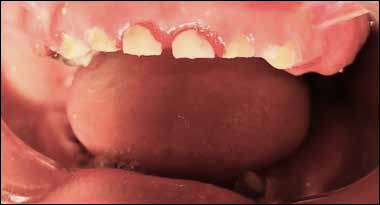
- Tongue thrusting
- Drooling of saliva
- Self-injurious habits (picking at gingiva, biting lips) creating ulcerations.
- Erosion (many parents report regurgitation)
- Poor oral hygiene - Home care measures are exceedingly difficult for many children/parents
- Many patients have very limited dietary preferences (exclusively pureed foods, no fruits/vegetables, etc.)
MANAGEMENT
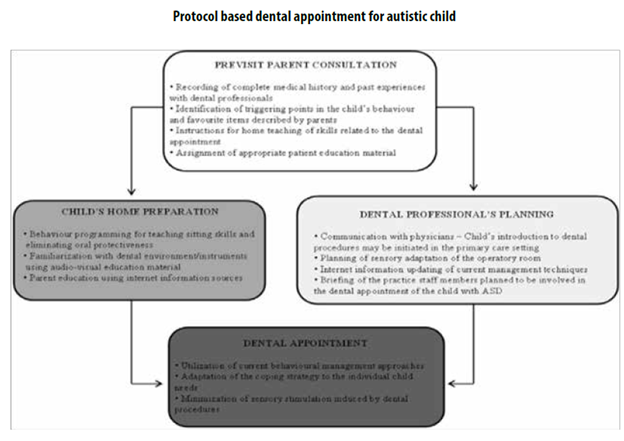
Protocol based dental appointment for autistic child
- Prescriptions without sugar to help prevent tooth decay.
- Explain parents the harmful effects of cariogenic foods and beverages.
- Advise them to swish after meals and medication to avoid xerostomia
- Teach self examination to parents- Lift the lips away
- Advice brushing twice a day with fluoride toothpaste.
- Explain them the benefits of preventive treatment
- Be cautious with prescription of power toothbrushes which can be too stimulating for some children.
- Ask them to avoid “Sodium Laurel Sulfate.” in toothpaste
- Suggest frequent water intake for children taking xerostomic medications.
- Ask them to look at labels on food products for words ending in “ose” such as “fructose” and “sucrose” .
- Ask the parents to not share utensils, cups, and toothbrushes with your child
- Ask the parents - not to dip the pacifier in honey or sugar and clean with water only.
- Warn the parents about side effects of prolonged breast or bottle feeding
- If you need to put a child to bed with a bottle, fill it with water only.
- Explain the parents about management of emergency trauma.
- Line them up for follow up preventive visits based on risk assesment
- Advise them for dental “sealants” and fluoride treatment to protect your child’s teeth from tooth decay
Bruxism – Management
- Injections of botulinum toxin into the masseter muscle (Monroy et al) reduces severity of bruxism
- A combination of vocal and physical cueing can effectively treat bruxism (Bebko and Lennox, 1988).
- Home-based ABA therapy to implement a vocal prompt (e.g., saying “Ahhh”) whenever the child grinds his/her teeth as the vocal prompt is incompatible with teeth grinding.
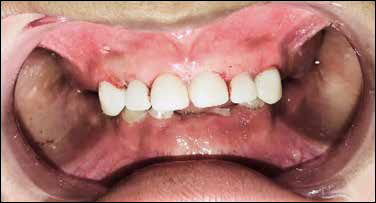
- Placement of crowns on all the teeth has shown the reduction in severity of bruxism
CONCLUSION
The understanding of structural and morphological changes in the neurons gives us the insight about their social and language deficits. Early changes in cell size, shape, and function have long lasting consequences. That can also make the simplest of situations very challenging. ASD is a lifelong condition and this knowledge highlights the need for services and support at all stages of life. The child should be dealt with utmost sensitivity, without causing them any distress. Early diagnosis & intervention can convert them into highly functional individual.
Disclaimer from Guident
The views and opinions expressed in articles published in Guident are solely those of the authors and do not necessarily reflect the views of the editors, the editorial board or the publisher, Ivory India. Guident does not endorse any product, technique or treatment described. Clinical content is intended for qualified dental and medical professionals and is not a substitute for individual clinical judgement. Guident, its editors and the publisher accept no liability for any consequence arising from the use of information published in the journal.
How to cite this article
Dr. Priya Verma. Understanding Autism: A View from Within. Guident. 2019 Apr;12(5). Available from: https://guident.in/articles/pedodontics/understanding-autism-a-view-from-within.html