The Role of Gene Therapy in Orthodontics
Department of Orthodontics and Dentofacial Orthopedics, Kanheri, Akola Maharashtra
ABSTRACT
Gene therapy is emerging as a groundbreaking approach in orthodontics, aiming to improve treatment outcomes by addressing the genetic factors that influence tooth movement and bone remodeling. This review delves into the potential applications, current research, and future directions of gene therapy in orthodontics.
INTRODUCTION
Orthodontic treatment traditionally involves the use of mechanical forces to move teeth and modify bone structures to correct malocclusions. However, these methods can be time-consuming and are often associated with relapse. Gene therapy presents a novel approach by targeting specific genetic pathways involved in tooth movement and bone remodeling, potentially enhancing treatment efficiency and stability.
GENETIC FACTORS IN ORTHODONTICS
Genetic variations significantly influence individual responses to orthodontic treatment. Genes related to bone metabolism, tooth development, and inflammatory responses play crucial roles in determining treatment outcomes. Identifying these genetic markers allows for the development of personalized orthodontic treatments, optimizing results and minimizing complications.
APPLICATIONS OF GENE THERAPY IN ORTHODONTICS
- Accelerated Tooth Movement: Gene therapy can expedite tooth movement by modulating the activity of osteoclasts and osteoblasts, the cells responsible for bone resorption and formation. For instance, the transfer of genes such as osteoprotegerin (OPG) and receptor activator of nuclear factor-kappa B ligand (RANKL) into periodontal tissue has shown potential in reducing osteoclast activity, thereby accelerating tooth movement.
- Enhanced Bone Remodeling: By targeting genes involved in bone remodeling, gene therapy can improve the stability and retention of orthodontic outcomes. Enhancing anabolic activities on the tension side and reducing osteoclastic activity on the compression side can lead to more effective and stable bone remodeling processes.
- Personalized Treatment Plans: The integration of genetic testing and gene therapy enables the creation of personalized treatment plans based on individual genetic profiles. This approach can lead to more precise and effective treatments, reducing the risk of relapse and improving patient satisfaction.
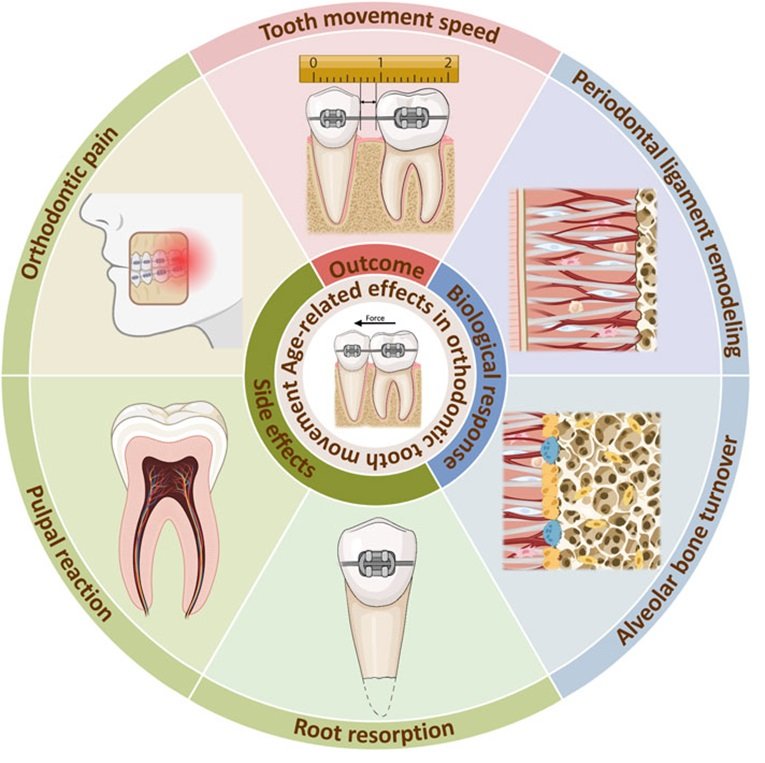
Figure 1: Age related changes with orthodontic tooth movement
CURRENT RESEARCH AND CHALLENGES
Research in gene therapy for orthodontics is still in its nascent stages, with several studies demonstrating its potential. Key areas of research include:
- Gene Delivery Methods: Developing safe and efficient methods for delivering therapeutic genes to target tissues.
- Biosafety and Ethical Considerations: Addressing concerns related to the long-term safety and ethical implications of gene therapy.
- Clinical Trials: Conducting clinical trials to evaluate the efficacy and safety of gene therapy in orthodontic applications.
Despite the promising prospects, several challenges need to be addressed before gene therapy can be widely implemented in clinical practice. These include improving gene delivery methods, ensuring the long-term safety of gene therapies, and navigating ethical considerations.
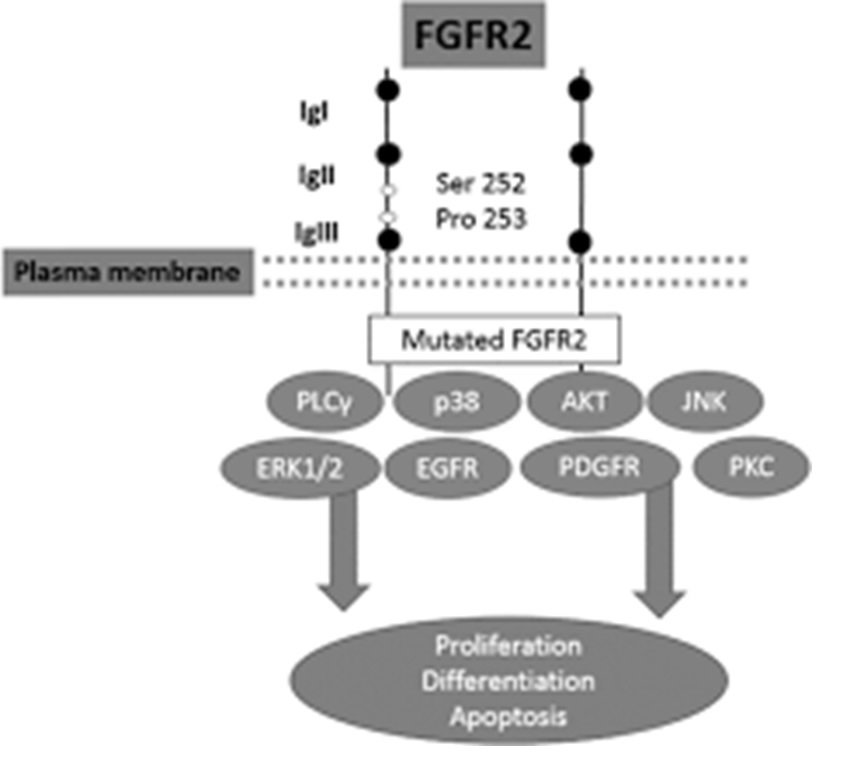
Figure 2: Combination Gene Theraapy
FUTURE DIRECTIONS
As research progresses, gene therapy is expected to play a significant role in the future of orthodontics. Advances in molecular biology and genetic engineering will likely lead to more sophisticated and targeted approaches. Some potential future directions include:
- CRISPR-Cas9: Utilizing CRISPR-Cas9 technology for precise gene editing to correct genetic defects associated with orthodontic issues.
- Combination Therapies: Combining gene therapy with other treatment modalities, such as pharmacological agents or biomaterials, to enhance treatment outcomes.
- Regenerative Medicine: Integrating gene therapy with regenerative medicine approaches to promote the regeneration of dental and periodontal tissues.
CONCLUSION
Gene therapy holds great promise for revolutionizing orthodontic treatment by addressing genetic factors and enhancing treatment outcomes. While challenges remain, ongoing research and technological advancements are paving the way for a future where precision orthodontics becomes a reality.
REFERENCES
- Krishnan, V., Davidovitch, Z. (2006). "Cellular, molecular, and tissue-level reactions to orthodontic force." American Journal of Orthodontics and Dentofacial Orthopedics, 129(4), 469.e1-32.
- Wise, G. E., King, G. J. (2008). "Mechanisms of tooth eruption and orthodontic tooth movement." Journal of Dental Research, 87(5), 414-434.
- Kanzaki, H., Chiba, M., Shimizu, Y., Mitani, H. (2002). "Periodontal Ligament Cells Under Mechanical Stress Induce Osteoclastogenesis by Receptor Activator of Nuclear Factor KappaB Ligand Up-Regulation Via Prostaglandin E2 Synthesis." Journal of Bone and Mineral Research, 17(2), 210-220.
- Alikhani, M., Alyami, B., Lee, I., Almoammar, S., Vongthongleur, T., Alikhani, M., et al. (2018). "Biological Mechanisms for Orthodontic Tooth Movement: Current Concepts." Journal of Dental Research, 97(9), 983-994.
Disclaimer from Guident
The views and opinions expressed in articles published in Guident are solely those of the authors and do not necessarily reflect the views of the editors, the editorial board or the publisher, Ivory India. Guident does not endorse any product, technique or treatment described. Clinical content is intended for qualified dental and medical professionals and is not a substitute for individual clinical judgement. Guident, its editors and the publisher accept no liability for any consequence arising from the use of information published in the journal.
How to cite this article
Dr. Yash Santosh Goenka, Dr. Sameer Parhad, Dr. Meenakshi Tiwari, Dr. Rajesh Ramdasji Kambe Dental College. The Role of Gene Therapy in Orthodontics. Guident. 2025 Feb;18(3). Available from: https://guident.in/articles/orthodontics/the-role-of-gene-therapy-in-orthodontics.html