A Hybrid Approach to Full Mouth Rehabilitation Using Corticobasal and Conventional Implants in a Traveling Patient: A Case Report
Dentonic Oral Surgery Implant Centre Rajbagh, Srinagar, J&K
ABSTRACT
Full mouth rehabilitation in patients with demanding travel schedules presents unique clinical challenges, particularly in terms of treatment duration, healing time, and follow-up compliance. This case report describes a 70-year-old non-resident Indian (NRI) patient with frequent international travel, who underwent a hybrid implant rehabilitation using corticobasal implants in the maxilla and a combination of basal and conventional implants in the mandible. The treatment approach was guided by patient preference, time constraints, and clinical feasibility. The case highlights the flexibility of combining implant systems to optimize outcomes in complex, time-sensitive scenarios.
INTRODUCTION
Dental implantology has evolved to offer multiple treatment modalities tailored to patient-specific needs. Conventional implant systems, though predictable, often require extended healing periods and multiple visits. In contrast, corticobasal implantology enables immediate loading and is particularly beneficial in patients with limited time availability or compromised bone conditions.
Patients with high mobility, such as NRIs or frequent travelers, pose a unique challenge in implant dentistry. Treatment planning must account for limited chair time, reduced follow-up opportunities, and the need for rapid functional restoration.
This case report presents a hybrid implant approach combining corticobasal and conventional implants, emphasizing patient-centered decision-making and adaptability in modern implantology.
CASE PRESENTATION
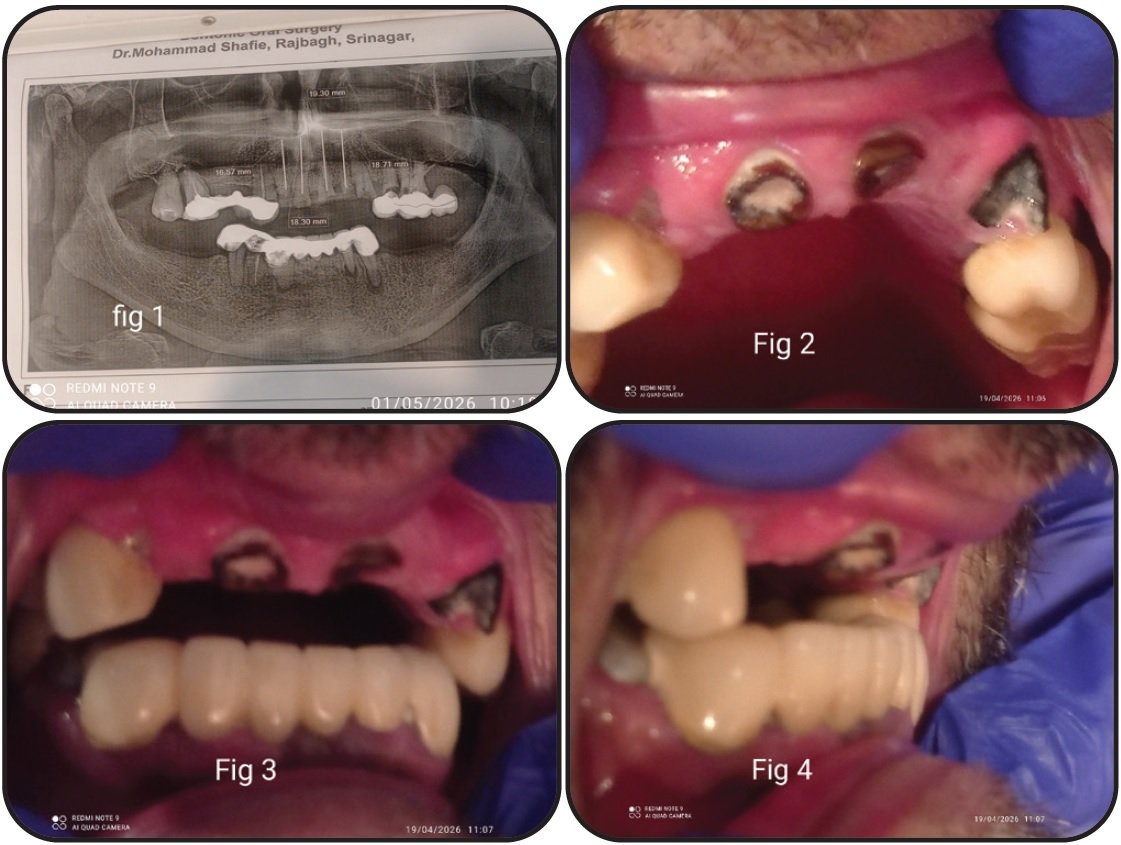
A 70-year-old male patient, an NRI with a history of frequent international travel, presented with partial edentulism and functional discomfort. The patient had a professional background in implant marketing and demonstrated a strong understanding of available implant systems.
Patient History
- Age: 70 years
- Medical history: Non-contributory
- Dental history: Previous maxillary rehabilitation
- Lifestyle factor: Frequent travel between two countries
The patient expressed a clear preference for a treatment approach that would:
- Minimize treatment time
- Allow early functional loading
- Serve as an educational model for his professional use
Previous Treatment
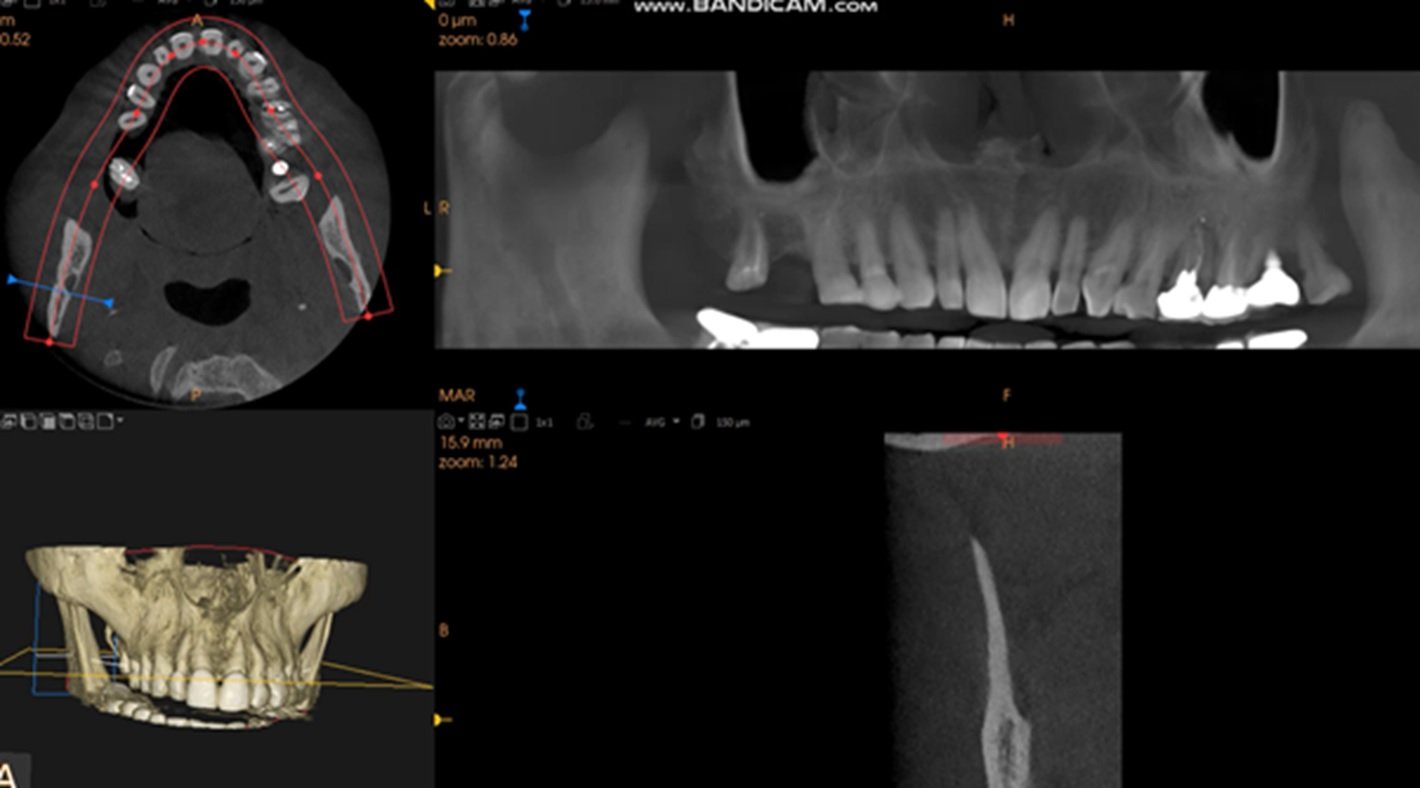
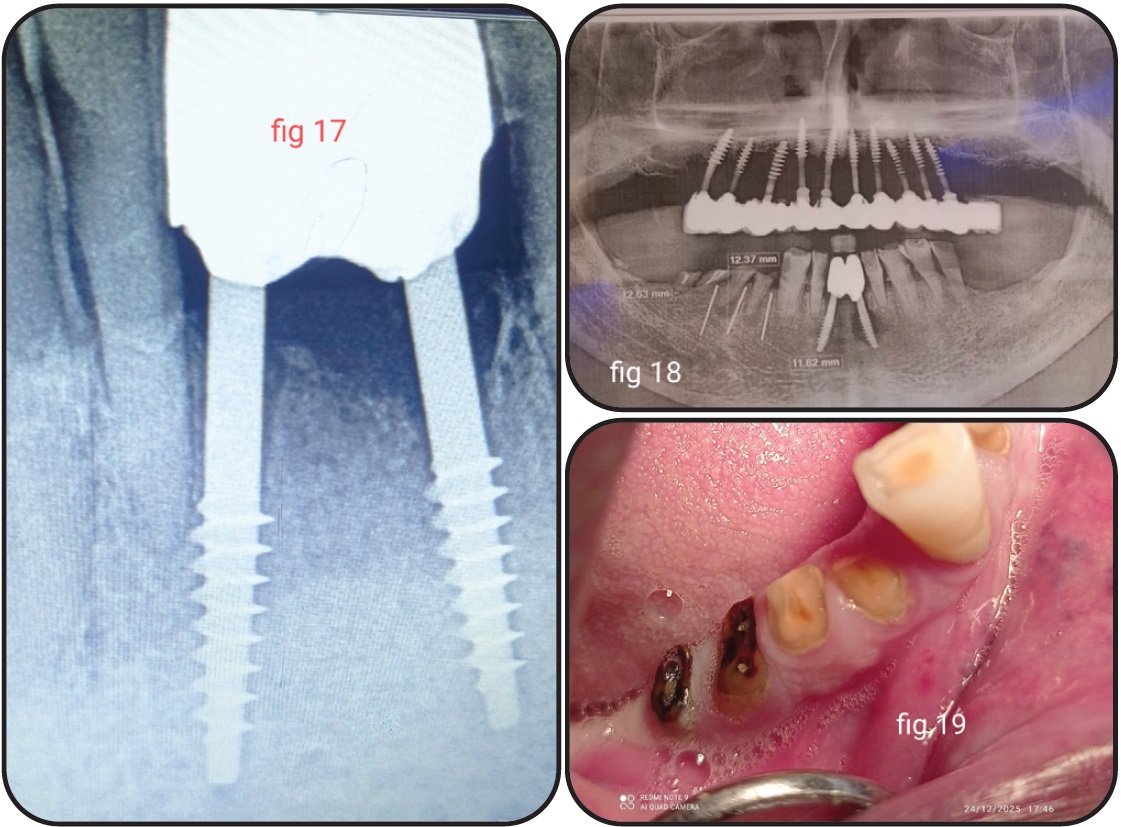
In 2019, the patient underwent maxillary rehabilitation using corticobasal implants. The treatment outcome was successful, with stable prosthetic function maintained over several years despite frequent travel and irregular follow-up.
Treatment Planning
Considering the patient’s:
- Time constraints
- Travel commitments
- Previous successful experience with corticobasal implants
A hybrid treatment plan was proposed:
- Mandibular anterior region: Corticobasal implants for immediate loading
- Remaining mandibular regions: Conventional implants as per patient’s informed choice
This approach allowed a balance between rapid restoration and demonstration of different implant systems.
CLINICAL PROCEDURE
Phase 1: Basal Implant Placement (Mandibular Anterior)
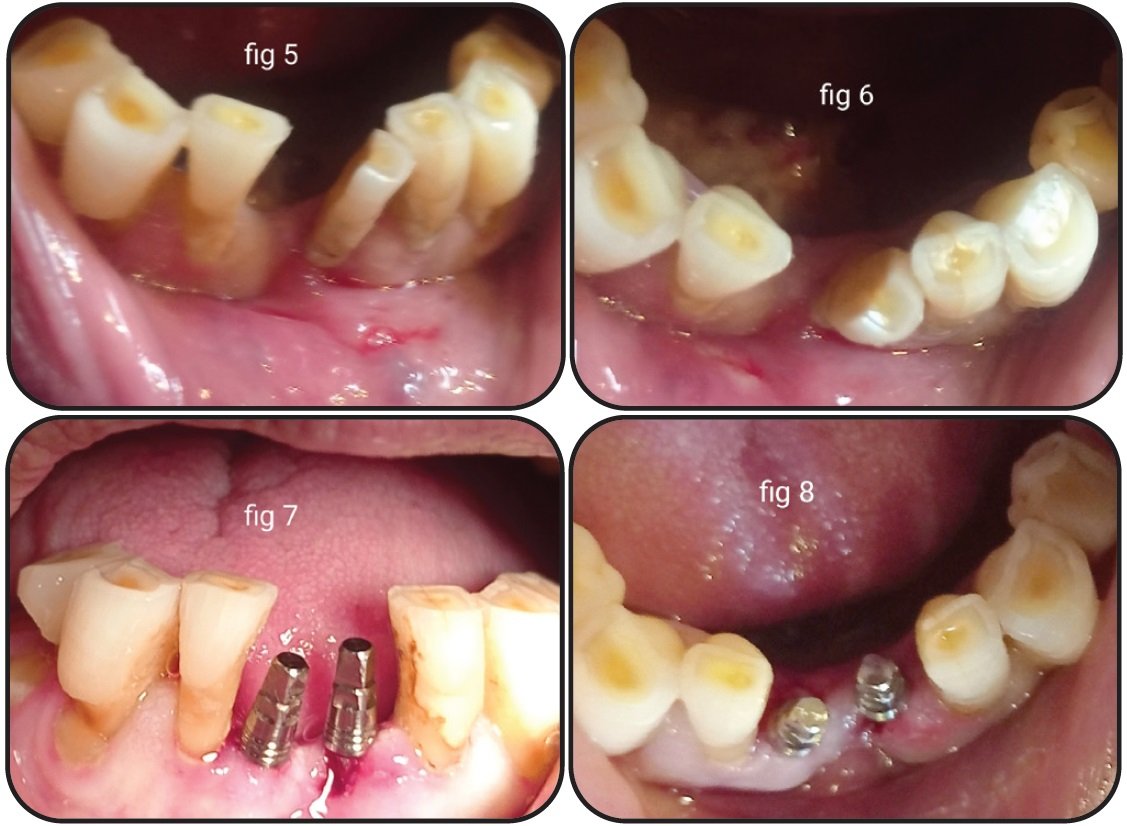
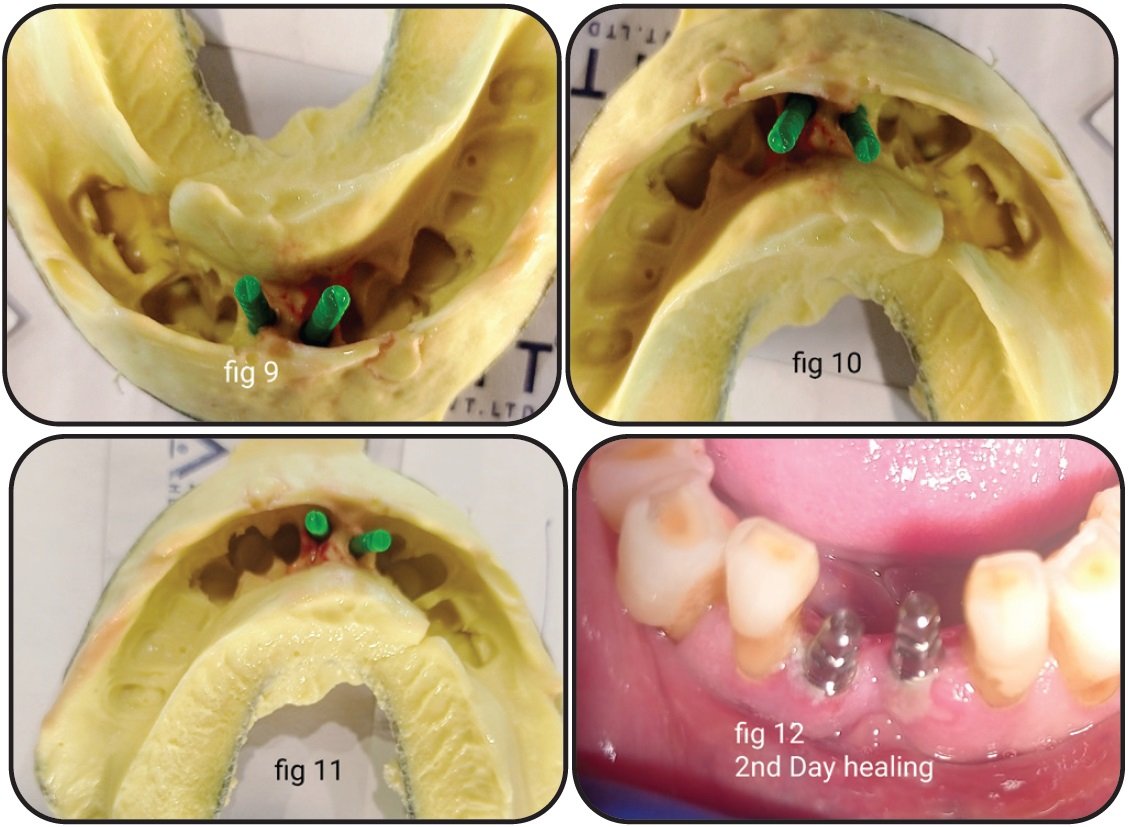
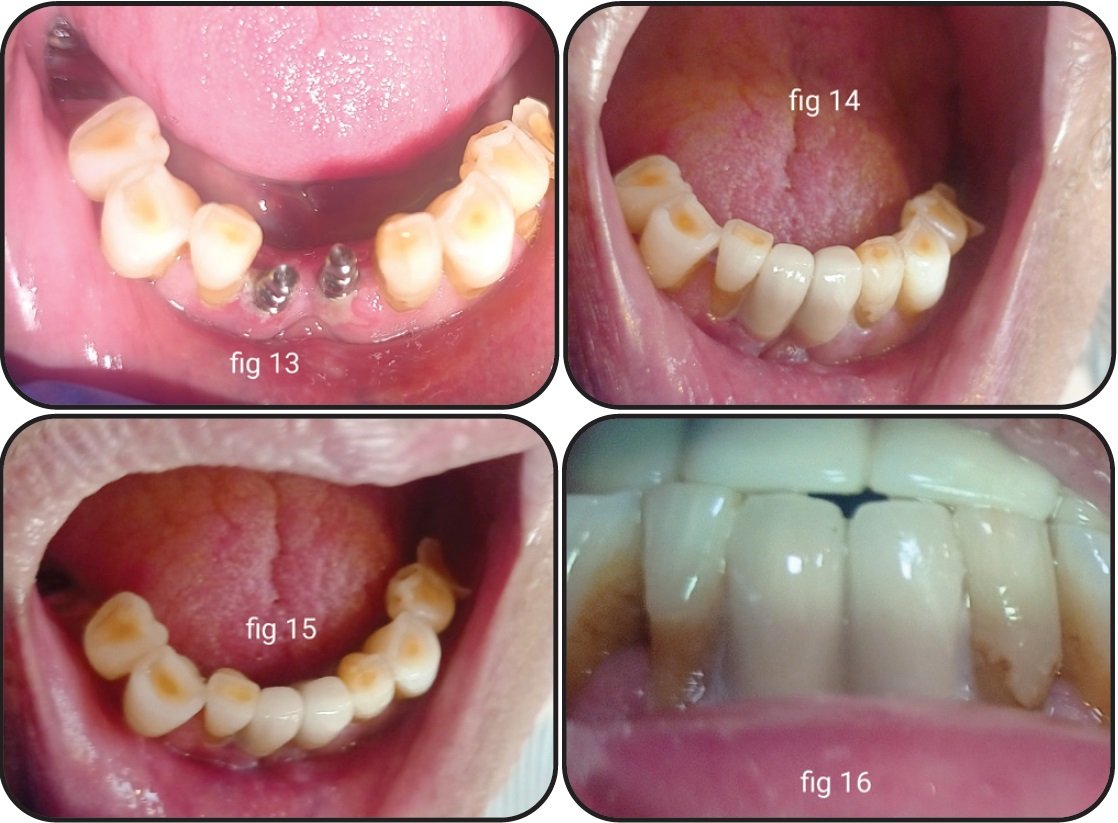
Corticobasal implants were placed in the anterior mandible under local anesthesia. The implants engaged the cortical bone, ensuring high primary stability. Immediate loading was achieved within a short duration, restoring function and esthetics rapidly.



Phase 2: Conventional Implant Placement (Posterior Mandible)
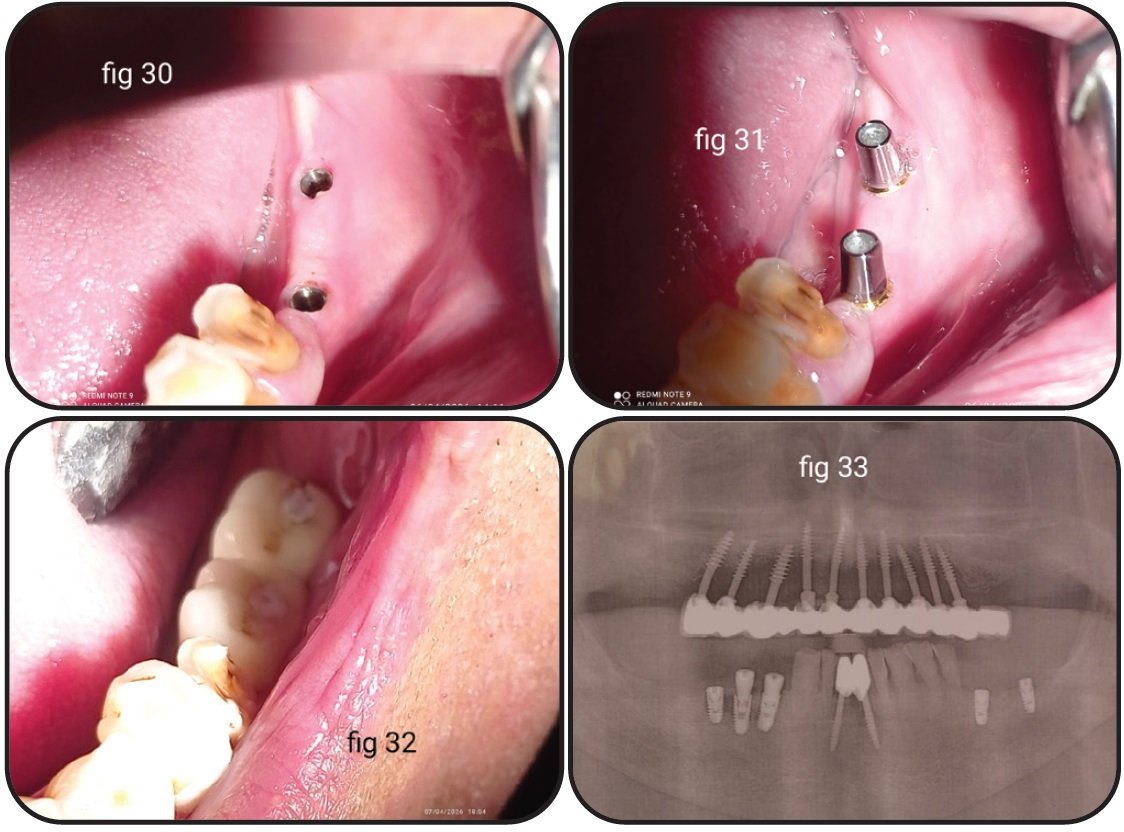
Conventional root-form implants were placed in the posterior mandibular regions. A delayed loading protocol was followed to allow for osseointegration. The patient was informed about the extended healing timeline and agreed to periodic follow-ups aligned with his travel schedule.
Outcome and Follow-Up
The hybrid approach resulted in:
- Immediate restoration of anterior function
- Gradual rehabilitation of posterior occlusion
- High patient satisfaction
Despite limited follow-up due to travel, both implant systems performed successfully. The corticobasal implants demonstrated excellent immediate stability, while conventional implants showed satisfactory osseointegration over time.

DISCUSSION
This case highlights several important considerations:
1. Patient-Centered Treatment Planning
The patient’s professional background and preferences played a critical role in decision-making. Incorporating patient choice improved compliance and satisfaction.
2. Advantages of Corticobasal Implants
- Immediate loading
- Reduced treatment time
- Minimal dependency on bone volume
3. Role of Conventional Implants
- Established long-term success
- Suitable for areas where time permits healing
4. Hybrid Approach Benefits
Combining both systems allows clinicians to:
- Customize treatment based on clinical and logistical factors
- Optimize outcomes in complex cases
- Demonstrate multiple treatment modalities
5. Challenges
- Coordination of follow-ups
- Managing different loading protocols
- Ensuring patient understanding of varied timelines
CONCLUSION
A hybrid implant approach integrating corticobasal and conventional systems can be highly effective in patients with time constraints and unique lifestyle demands. This case demonstrates that flexibility in treatment planning, combined with patient involvement, can lead to successful functional and esthetic outcomes.
Such approaches are particularly valuable in modern dental practice, where personalization and adaptability are key to achieving optimal results.
Clinical Significance
- Hybrid implant strategies offer practical solutions for time-sensitive cases
- Corticobasal implants are ideal for immediate loading scenarios
- Combining systems enhances treatment versatility and patient satisfaction
Disclaimer from Guident
The views and opinions expressed in articles published in Guident are solely those of the authors and do not necessarily reflect the views of the editors, the editorial board or the publisher, Ivory India. Guident does not endorse any product, technique or treatment described. Clinical content is intended for qualified dental and medical professionals and is not a substitute for individual clinical judgement. Guident, its editors and the publisher accept no liability for any consequence arising from the use of information published in the journal.
How to cite this article
Dr. Muhammad Shafie, Dr. Mateen Shafie. A Hybrid Approach to Full Mouth Rehabilitation Using Corticobasal and Conventional Implants in a Traveling Patient: A Case Report. Guident. 2026 Apr;19(5). Available from: https://guident.in/articles/implantology/a-hybrid-approach-to-full-mouth-rehabilitation-using-corticobasal-and-conventional-implants-in-a-traveling.html