Transportation Media for Knocked Out Tooth
Department of Pediatric & Preventive Dentistry, V.S. Dental College & Hospital, VV Puram, Bangalore, Kar., India
ABSTRACT
The long-term viability of reimplanted teeth is closely linked to the preservation of periodontal ligament (PDL) cells. Dental tissues possess a unique regenerative capacity, setting them apart from most other bodily tissues. Understanding the intricate processes governing repair and regeneration in oral tissues has proven to be a considerable challenge. Numerous authors have introduced various storage media designed to support the viability of PDL cells. This paper aims to present a comprehensive overview of the diverse range of storage media currently at our disposal.
KEYWORDS: Storage media, Avulsion, Transportation media, Extra oral time, Preservation of PDL, Viability of PDL cells
INTRODUCTION
Addressing the critical theme of "Small Tissue, Big Issue," this focuses on the imperative task of preserving periodontal ligament and pulp vitality following injury, a pivotal factor for the enduring success of reimplanted teeth. Dental tissues distinguish themselves from other body tissues with their exceptional regenerative capabilities. In instances of pulp and periodontal ligament injuries, regeneration may occur, or repair may manifest as fibrous scar tissue or bone formation. Consequently, damage to periodontal ligament, cementum, alveolar bone, gingival, and pulp tissues triggers the release of diverse signals, prompting neighbouring cell populations to engage in proliferation, migration, or differentiation.
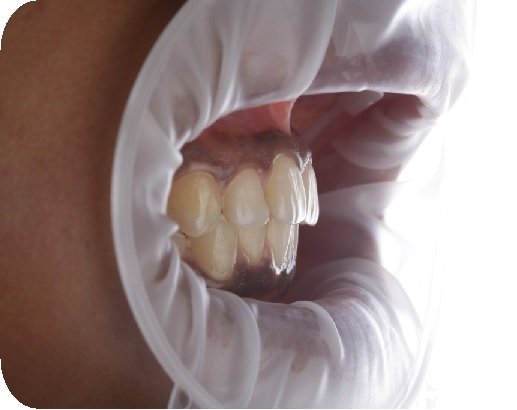
Avulsion is defined as the complete displacement of tooth out of its socket.
This kind of dental trauma causes the periodontal ligaments to be severed with or without fracture of the alveolus.
Reported incidence of dental avulsion is 1-11% of all dental injuries to the permanent dentition, with the maxillary central incisor being the most frequently involved tooth. The age group of 7-10 years appears to be most affected.
The avulsed tooth gives rise to two primary consequences: attachment damage and pulpal infection. Pulpal infection is a result of significant harm to the neurovascular supply of the tooth, rendering it nonvital. Additionally, the periodontal fibres are separated from the socket, causing dehydration. To enhance the prognosis of a replanted tooth and ensure its longevity in the oral cavity, it is crucial for the remaining periodontal ligament (PDL) cells on the root surface to remain viable, and the integrity of the root cementum must be preserved. Preventing bacterial contamination of the root surface is essential in achieving this goal. Achieving these objectives is contingent upon minimizing the extra alveolar time.
While immediate re-implantation is the preferred treatment, as it leads to PDL healing in up to 85% of mature teeth, circumstances may prevent the immediate re-implantation of an avulsed tooth. Consequently, an interim storage or transport medium becomes imperative to maintain the tooth's viability until re-implantation is feasible. According to Ingle (2008), an ideal storage medium is a physiological solution closely resembling the oral environment, aiding in the preservation of PDL cell viability following avulsion. The prognosis of an avulsed tooth hinges on factors such as the extra-alveolar time, preservation of the root structure, and the choice of storage media.
IDEAL CHARACTERISTICS OF A STORAGE MEDIA
The ideal characteristics of storage media include Maintaining viability of periodontal fibres, Clonogenicity and mitogenic capacity, For optimal cell growth, osmolarity should be like body fluids (290–300 osmole/ kg) and pH (7.2–7.4), No antigen antibody reaction, Less risk of root resorption, Effective under various conditions, Antimicrobial, Sterile, Long shelf life, Easy availability and Inexpensive.
IDEAL STORAGE MEDIA CONTAINER
- With internal walls – Soft material
- Sterile
- Removal of tooth – Easy – Without any trauma

CLASSIFICATION
BASED ON ACCESSIBILITY

BASED ON ORIGIN

BASED ON CELL VIABILITY:

1. NATURAL STORAGE MEDIA
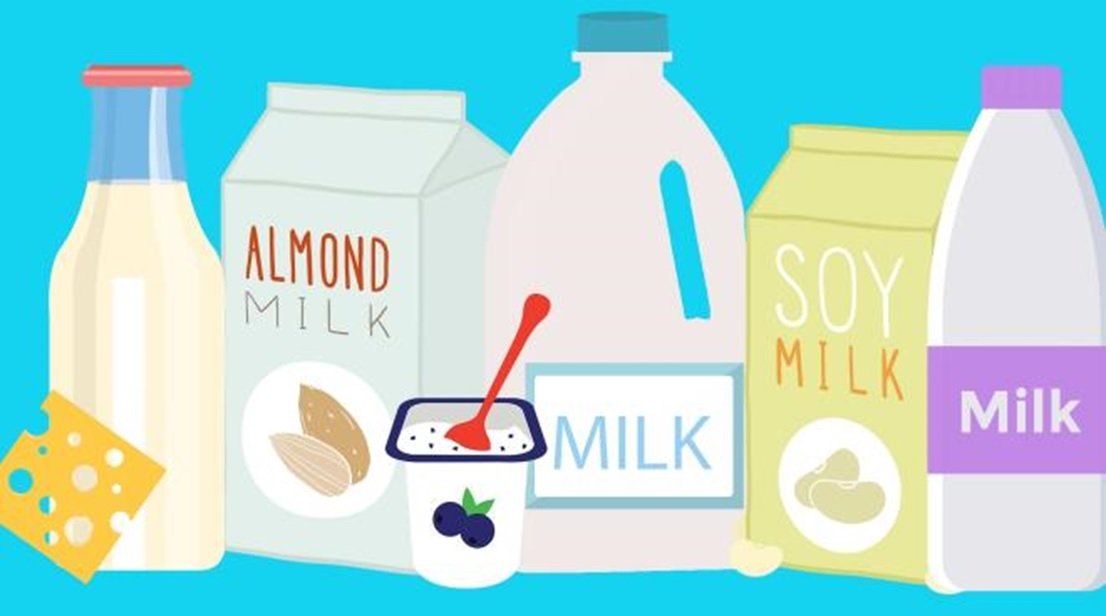
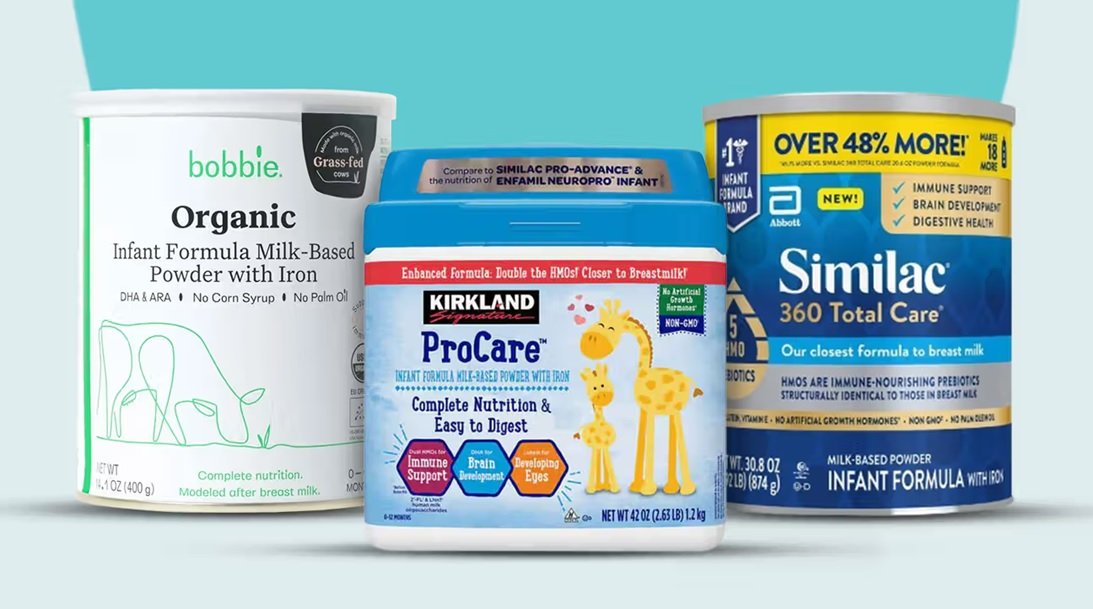
MILK & MILK SUBSTITUTES
- Contents of significance: Aminoacids, Carbohydrates, Essential nutrients
- pH = 6.5 – 7.2
- Long life milk is more advantageous
- Better than saliva and tap water
- Different temperatures of milk offer different results:
- Pasteurized milk gives better results of preservation of PDL cells
- Low fat milk is preferable
- Sour Milk is harmful for the viability of PDL cells
- Refrigerated milk provides better maintenance of PDL cells
- Storage period limit
- Milk products upto 4 hours
- Milk up to 8 hours
- Increase life of PDL cells on root surface
- Pasteurization : Reduces bacteria & its products
- Cannot revive degenerated PDL cells
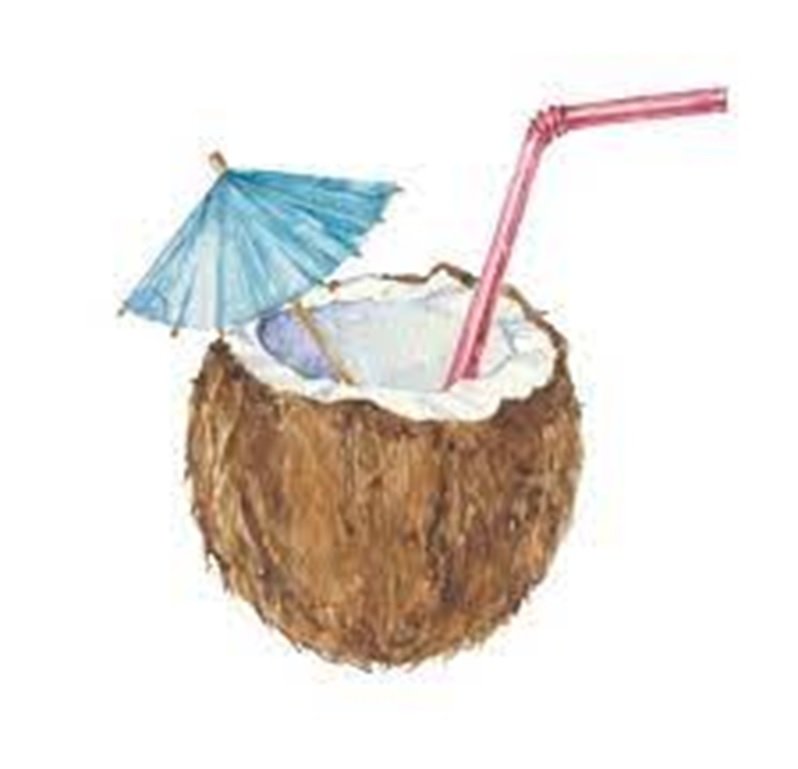
COCONUT WATER
- Coconut water or tender coconut water is a natural drink available biologically and hermetically inside the hard shell of coconut.
- It is pure and hygienic and there is no contamination present.
- It can act as a plasma substitute, because it closely resembles intracellular fluid than extracellular plasma.
- Coconut water also substitutes sugars, fluids, and electrolytes that are lost from the body and this is regarded as a magic drink.
- These properties can be utilized for storage of an avulsed tooth.
- Moreira-Neto et al. compared different storage medias; the coconut water group demonstrated significantly more viable PDL cells than Hank’s balanced salt solution (HBSS) and milk, which is usually considered ideal.
- There are a few studies that showed that the tooth maintained in coconut water caused inflammatory resorption. Therefore, further studies are recommended before its commercial use as a storage media for the avulsed tooth.
- Contents of significance : Vitamins, Minerals, AA, Carbohydrates, Antioxidants, Enzymes, Phytonutrients
- Storage Period Limit: Up to 8 hrs
- Increases mitogenicity
- Similar osmolality to body fluids
- Full concentration is better
- Maintenance of PDL cell viability comparable to HBSS
- Economical & easily available
- if not properly processed or sterilized, may contain contaminants or microorganisms that could adversely affect the viability of the tooth and its chances of successful replantation.
TAP WATER
- Not recommended as it is not compatible with the PDL cells
- Hypotonic osmolarity which causes – Cell Lysis & Resorption
- First choice when no alternative available
- Storage Period Limit : Very short period
- Not recommended
SALIVA
- Immediate interim storage medium
- Buccal vestibule or in a container
- Osmolality : 60-70 Osmol/Kg (Much lesser than physiological)
- STORAGE PERIOD LIMIT : Only for very short extra alveolar periods (up to 30 mins)
- If stored for longer : Swelling & membrane damage of PDL cells
- Not to be stored for >30 min.
- Potentially damaging enzymes and bacteria
- Reduction in clonogenicity
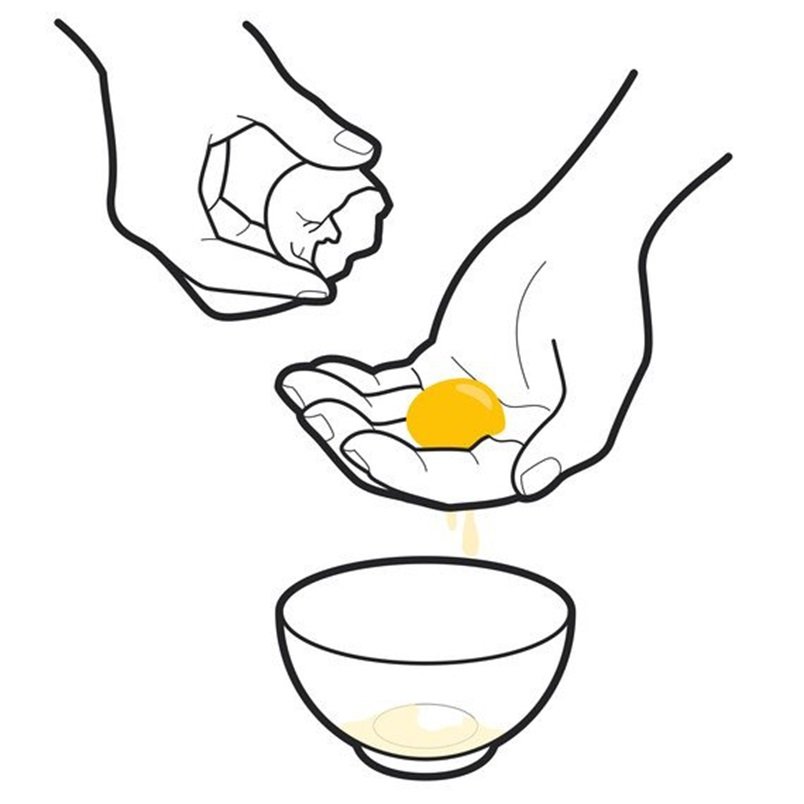
EGG WHITE
- Contents of significance : Ovalbumin, Proteins – High content
- Rich in minerals
- pH = 8.6-9.3
- Osmolality = 251 – 298 mOsm/kg
- No significant difference when compared to HBSS
- Sousa et al. showed that teeth stored in milk and egg white had comparable results with respect to collagen fibers organization and the number of viable cells.
- Storage period limit : Up to 6-10 Hrs
- Absence of contamination
- Easy access
- Due to high pH, loss of cell viability was seen over time and loss of cell viability may also be attributed to the presence of several egg proteins acting as foreign bodies.
RED MULBERRY (MORUSRUBA)
- Contents of significance : Flavonoids, Alkaloids, Polysaccharides, Antioxidants
- 4% concentrate juice = More efficient than HBSS
- Storage period limit : Up to 12 Hours, Better than HBSS
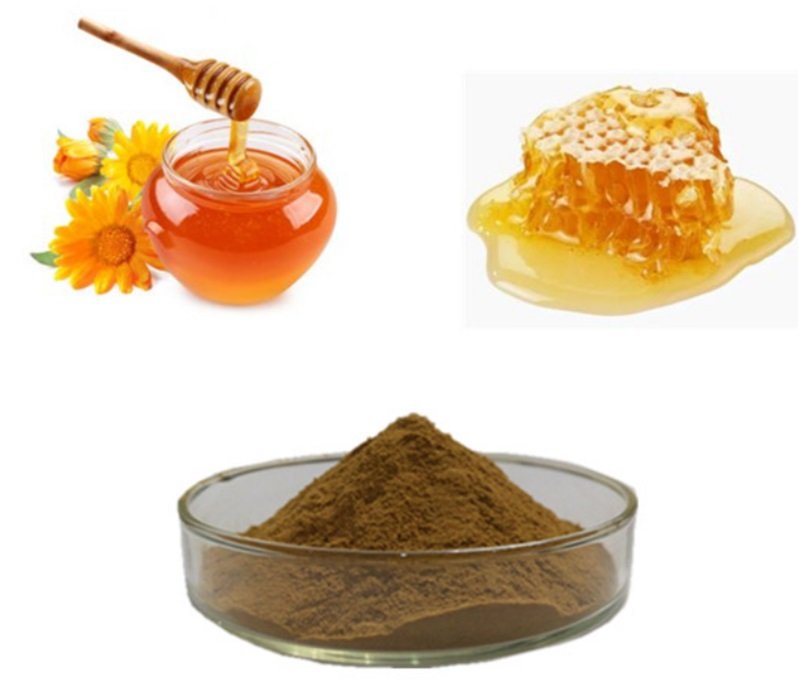
PROPOLIS EXTRACT
- Propolis is a resinous substance used by bees for thermally insulating, sealing, and protecting the hive against microorganisms and is formed by tree exudates mixed with floral sap, salivary bee secretions, wax, and pollen.
- The main constituents of propolis are polyphenols, flavonoids, phenolic acids, esters, phenolic aldehydes, and ketones.
- An in vitro study by Ozan et al. suggested that propolis has antimicrobial, anti-inflammatory, and antioxidant properties and the study concluded that propolis extract was more effective than milk and HBSS in maintaining PDL cells.
- A study by Martin and Pileggi showed that PDL cell viability was highest in propolis when compared with milk, saline, or HBSS.
- Contents of significance: Resin – 55%, Essential oils, Amino Acids, Minerals, Vitamins – A, B complex E & Riboflavin, Wax & Fatty acids
- Better preservation of root cementum layer
- 10% propolis = Effective storage media > HBSS, Milk, EMEM
- Storage period limit : Up to 45 mins with 90% viability
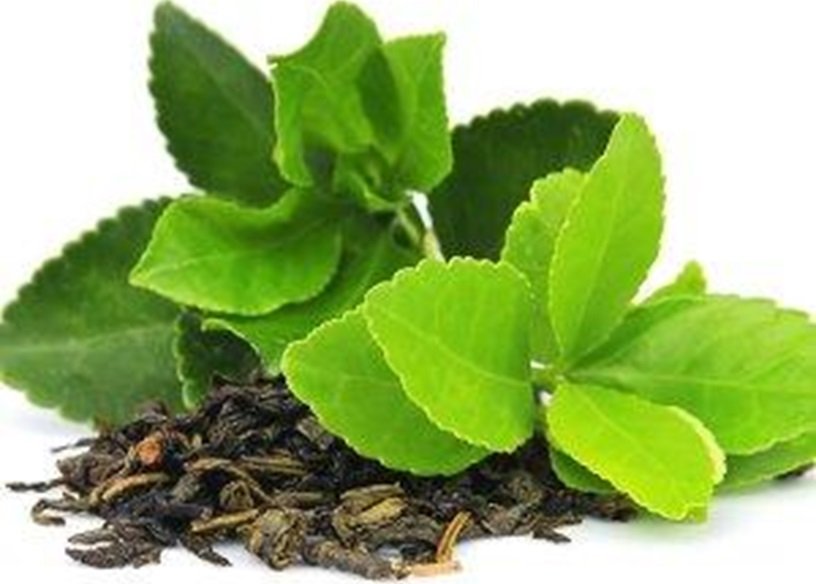
GREEN TEA EXTRACT
- Contents of significance: Antioxidants (Catechins), Polyphenol – Epigallocatechin-3-gallate
- Excellent Anti-Inflammatory properties
- Potent Anti-oxidant, Anti-microbial and anti-viral
- Better than milk
- Storage period limit : Up to 24 Hrs with 90% viability & Cell viability maintenance comparable to HBSS
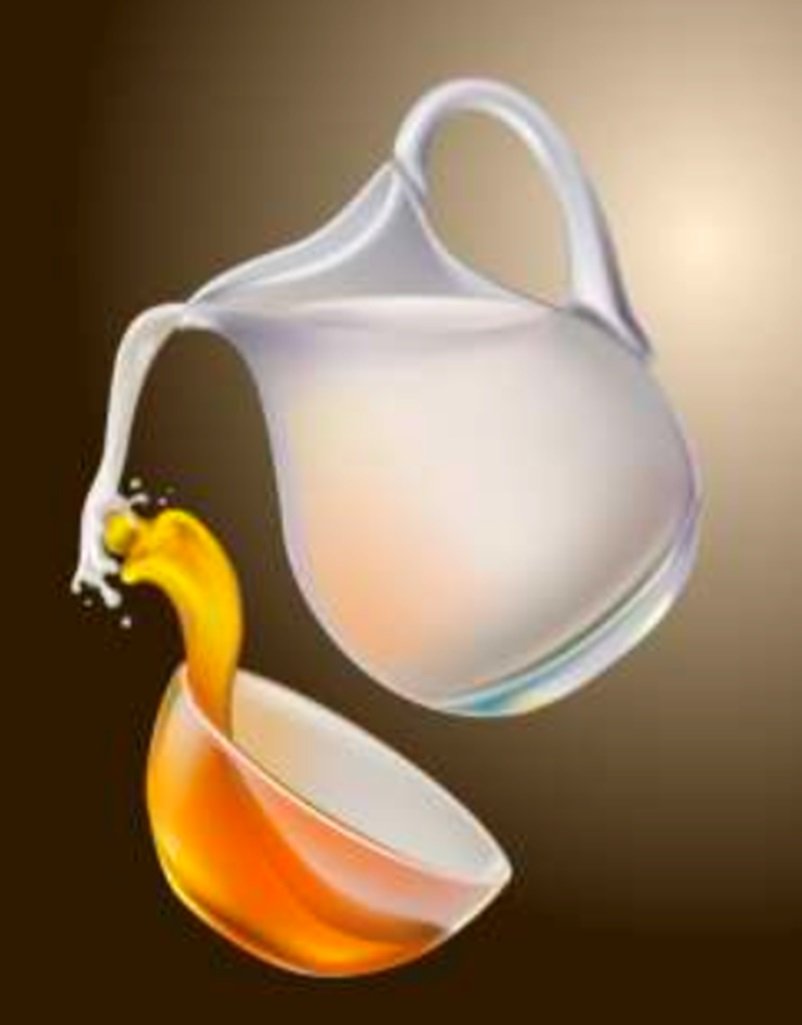
HONEY MILK
- Contents of significance : Essential AA, Vitamins & minerals
- Nourishes cells
- Maintains viability
- Better than fresh milk
- Added biostatic nature
- Storage period limit : Up to 8 hrs - comparable to HBSS
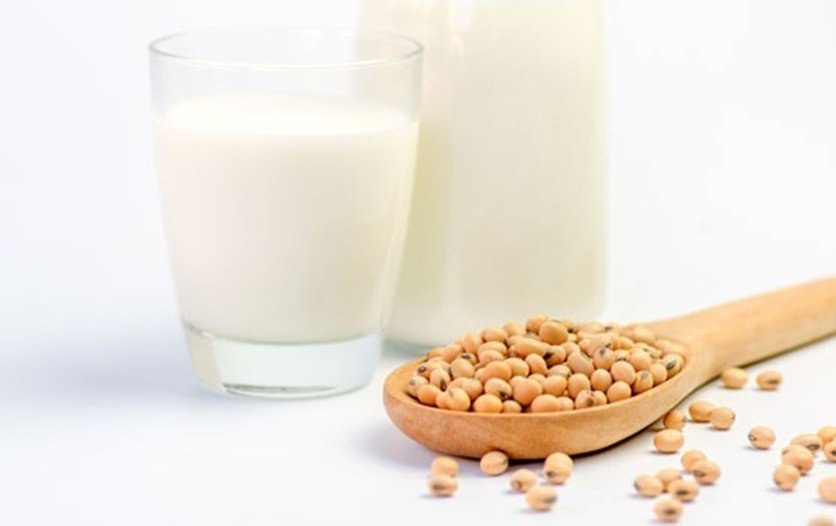
SOY MILK
- Contents of significance : Extract of soybean - small amount of saturated fatty acid and is free of cholesterol and lactose.
- Nourishes cells & Maintains viability
- Added biostatic nature
- Silva et al concluded that soy milk promoted the viability of PDL fibers, which is almost equivalent to HBSS and milk.
- Storage period limit : Up to 8 hrs - comparable to HBSS & better than fresh milk
ALOE VERA
- Contents of significance:75 active ingredients – Vitamins, enzymes, minerals, sugars, salicylic acid, AA
- Increases fibroblast activity
- Collagen proliferation
- Storage period limit : 10%, 30%, 50% concentrations up to 2 hrs
SALVIA EXTRACT:
- Contents of significance : Phenols, Rosmarinic acid, Camosic acid, Salvianolic acid
- Antimicrobial, anti-inflammatory, antioxidant
- Better cell viability at prolonged storage times
- Storage period limit: According to Kotari et al & Claudia et al - S. officinalis and HBSS were found to have similar effects on PDL cells’ viability at 1–3h; however, at 24h, S. officinalis was found to be notably better than HBSS.
POMEGRANATE JUICE:
- Contents of significance : Polyphenolic flavonoids, Punicalagin, Ellagic acid
- Excellent Antioxidant & Possesses healing properties
- Storage period limit : 6 Hrs - max upto 24Hrs at 7.5% concentration
Advantages :
Disadvantages :


Disadvantages :
Advantages :
Disadvantages :



2. ARTIFICIAL STORAGE MEDIA
HANKS BALANCED SALT SOLUTION (HBSS)
- Contents of significance : sodium chloride, glucose, potassium chloride, sodium bicarbonate, sodium phosphate, calcium chloride, and magnesium chloride and magnesium sulphate
- Recommended by AAE
- Preserves and reconstitutes Pdl cells
- Not easily available
- Storage period limit : Extensive – upto 72 to 96 hours with maximum cell viability
EMDOGAIN
- Emdogain can be considered for storage media, as it is commonly used in periodontal surgeries. It is seen to be effective in the healing of PDL fibers.
- Delay in the development of replacement resorption, which is the most common reason for the failure of replanted teeth, was appreciated with emdogain but it could not prevent resorption.
- Regeneration of injured periodontal tissues was not achieved on its own by emdogain.
- Contents of significance: enamel matrix derivative (EMD), which is derived from developing porcine (pig) embryos.
- commonly used in periodontal surgeries. It is seen to be effective in the healing of PDL fibers.
- Ashkenazi et al conducted an in-vitro study which concluded that Delay in the development of replacement resorption, which is the most common reason for the failure of replanted teeth, was appreciated with emdogain but it could not prevent resorption.
RINGERS LACTATE SOLUTION
- Contents of significance : sodium chloride, glucose, potassium chloride, sodium bicarbonate, sodium phosphate, calcium chloride, and magnesium chloride and magnesium sulphate
- Recommended by AAE
- Preserves and reconstitutes Pdl cells
- Not easily available
- Storage period limit : Extensive – upto 72 to 96 hours with maximum cell viability
GATORADE
- Gatorade can be considered for the storage of the avulsed tooth, as it is a common sports drink used for rehydration and readily available at sports centers where most of the injuries take place.
- The pH of gatorade is 2.91, and osmolality 407 is mOsm/kg
- Contents of significance : Electrolytes
- Better than tap water or ice
- Disadvantages: Harmful osmolality, Destroys PDL cells
- Storage period limit : Up to 20 min
NORMAL SALINE
- Similar osmolality to physiological conditions
- No growth products
- Unable to maintain metabolism of fibroblasts
- Storage period limit : Up to 30 min with 80% cell viability
PROBIOTICS
- Probiotics are living microorganisms, principally bacteria that have beneficial effects on human health, beyond basic nutrition.
- Contents of significance : Micro-organisms (Lactobacillus reuteri)
- Still under research
- Viability of PDL similar to HBSS
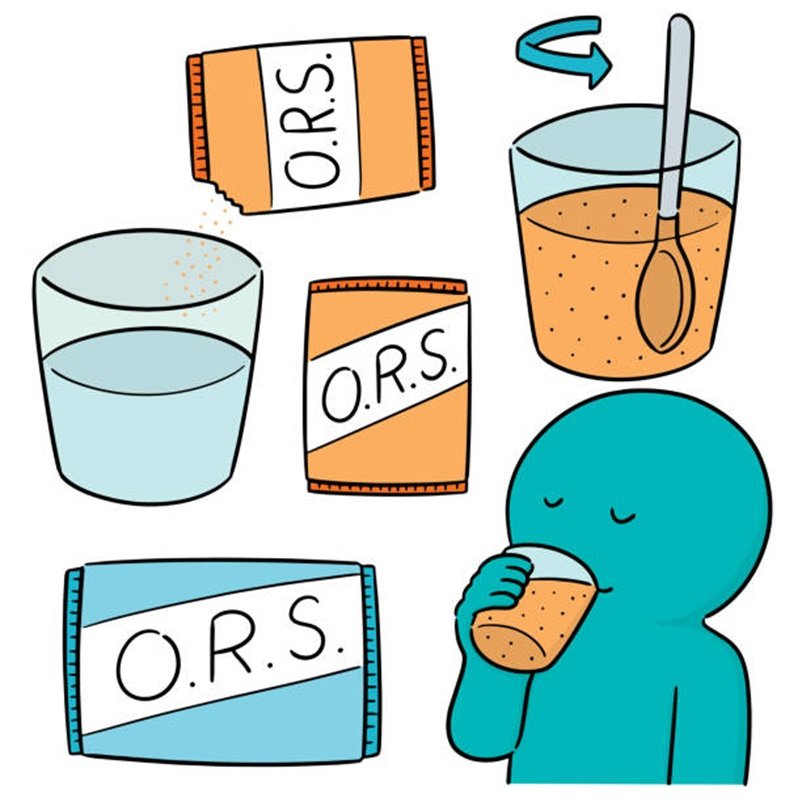
ORAL HYDRATION SALTS
- Contents of significance : sodium ,glucose , potassium , chloride, base (citrate)
- Hypotonic solution
- Possibility of pH alteration
- Storage Period Limit: Up to 2 Hrs - Viability less than HBSS
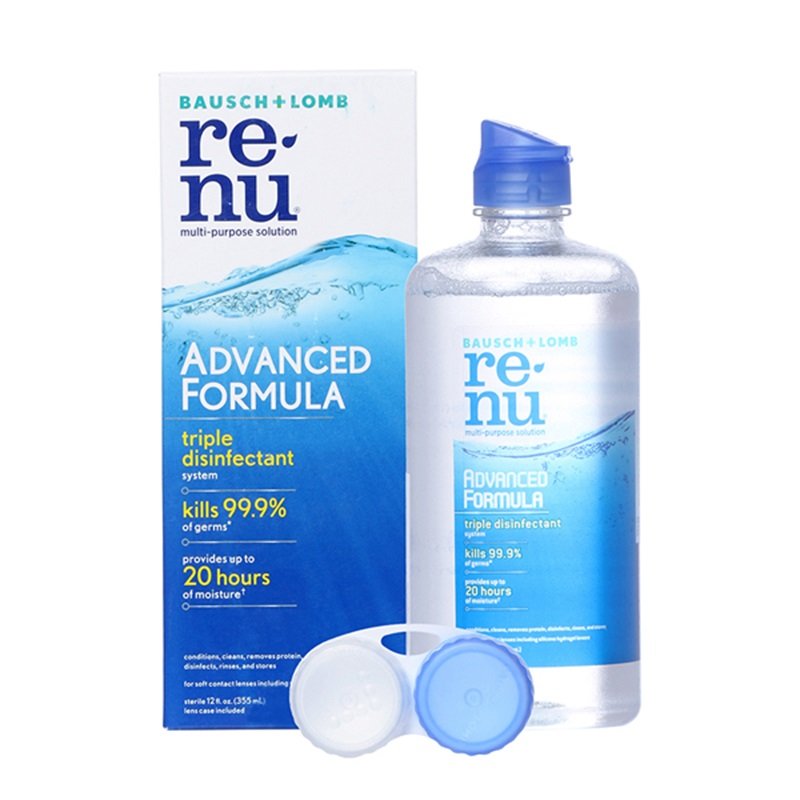
CONTACT LENS SOLUTION
- They are essentially saline solutions with antimicrobial properties and therefore can be considered for storage media. Preservatives present in these solutions can be harmful to PDL cells and, hence, not recommended.
- Contents of significance : Essentially saline solutions
- Osmolality damaging to PDL cells
- Cannot be preferred
EAGLE’S MEDIUM
- It acts by the proliferation of the PDL cells. According to the study by Pohl et al. cell viability of PDL was preserved when stored in Eagle’s medium for almost 48h.
- Its availability at the trauma site does not seem to be practical, but it can be used for the tooth auto- transplantation procedure. However, more in vivo studies are required.
- The supplementation of Eagle’s medium with growth factors and antibiotics showed better results.
- Contents of significance : L-Glutamin, Penicillin, Streptomycin, Nystatin, Bovine serum & nutrients
- Great efficacy in preserving the viability of PDL cells
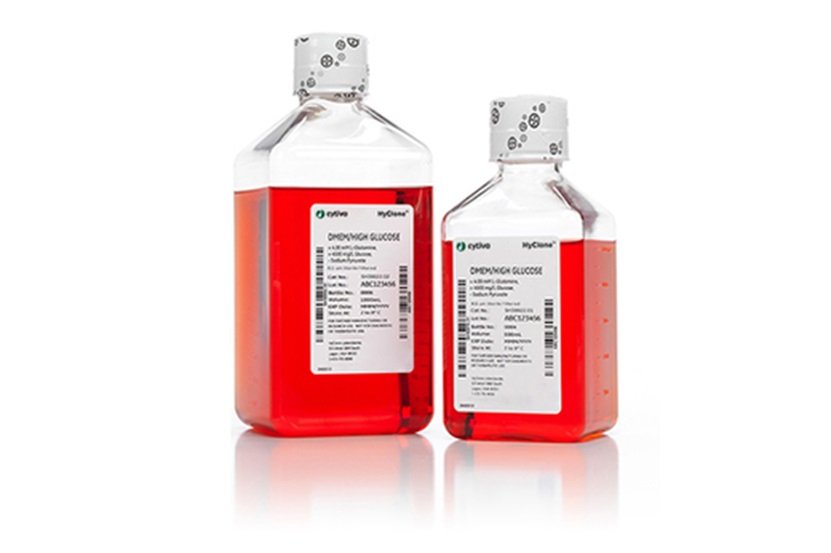
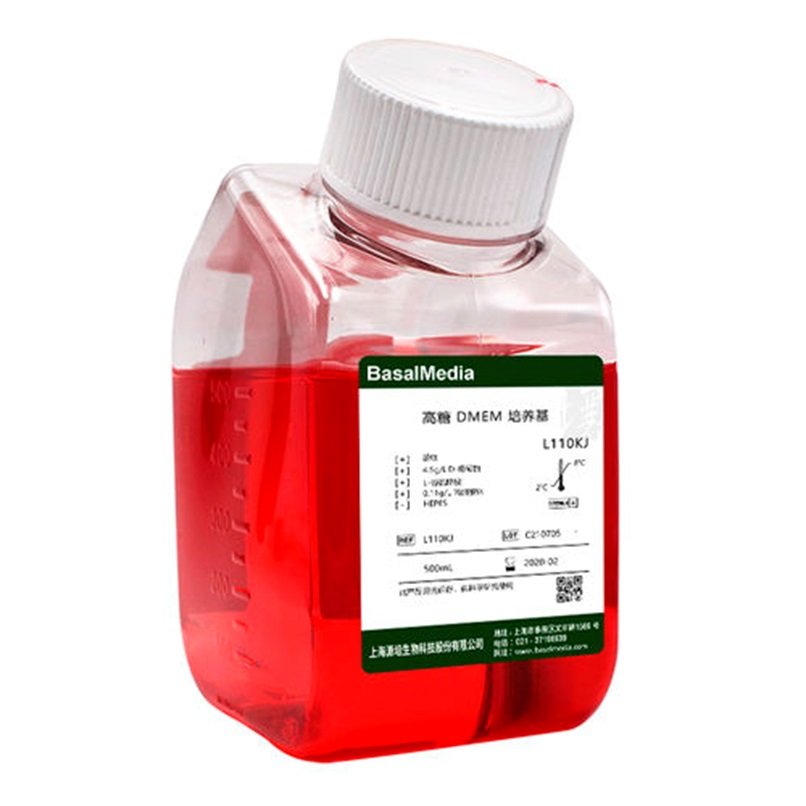
DULBECO’S MODIFIED EAGLE’S MEDIUM
- Dulbeco’s storage medium is a variation of Eagle’s medium. It contains vitamins and amino acids around four times and glucose around two to four times when compared with the regular formulation. It also contains iron and phenol red. However, its availability to the general public is questionable.
- Contents of significance : 4 times vitamins and amino acids present than EM formulation, 2-4 times as much glucose as EM, Iron and Phenol red
- Compatible with all cells
MINIMUM ESSENTIAL MEDIUM CELL CULTURE MEDIUM :
- Contents of significance : L-Glutamin, Penicillin, Streptomycin, Nystatin, Bovine serum & nutrients
- Great efficacy in preserving the viability of PDL cells
CUSTODIOL
- Custodiol is used as a preservation solution for organ transplantation.
- Its composition is similar to that of extracellular fluid.
- It has an osmolality of 310mOsmol.
- Contents of significance : Histidine – Trytophan ketoglutarate, Similar to ECF
- Used for organ transplantation
- Better tolerance to deoxygenated conditions
- Storage period limit: Upto 60 min after transferring from primary media with 90% viability, Comparable to HBSS in all aspects
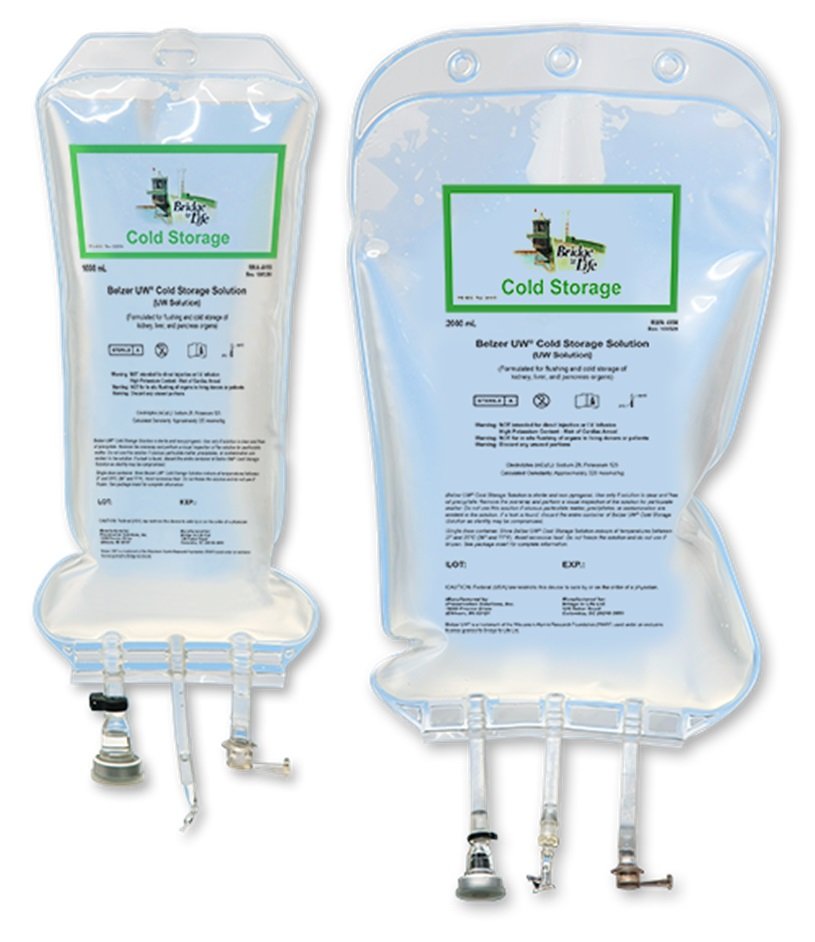
VIASPAN
- ViaSpan is a medium for organ transportation.
- The osmolality is 320 mOsm/kg and pH is 7.4.
- According to a study by Hiltz and Trope, the vitality of fibroblasts was found to be comparable to HBSS and milk. It has shown superior properties as a long-term storage medium.
- High cost, refrigeration, short expiration date, and unavailability to public make its use as a storage media for the avulsed tooth difficult.
- Contents of significance : Sodium & Potassium
- Unalters cell viability
- Optimal pressure of growth
- Long term superiority over HBSS




3. READY MADE KITS
TOOTH RESCUE BOX:
- In a study by Pohl et al.,functional healing was seen when avulsed teeth were placed in Dentosafe solution.
- It is highly recommended that at all the places where the incidences of avulsion are common, such as schools, sports grounds, as well as ambulances, dentosafe must be included along with the emergency kit.
- The use of dentosafe is simple as well as easily understandable to the common man. This medium is very effective but it is still not easily available in many countries.
- Contents of significance : Salts, Amino acids, glucose & vitamins
- Enhanced physiologic function of cells
- Recommended in first aid kits
- Storage period limit: Maintains 90% vitality upto 48 hrs
- The shelf life is 3 years if unopened.
SAVE A TOOTH
- Essentially HBSS
- Recommended by AAE
- Not available in India
- Recommended in first aid kits


4. NEWER STORAGE MEDIA
ASCORBIC ACID
- Ascorbic acid is a newer material that can be considered as a potential storage medium.
- The addition of ascorbic acid to osteoblastic cell lines can stimulate type I collagen production, followed by expression of specific markers associated with osteo-blastic phenotypes, such as alkaline phosphatases (ALP) and osteocalcin. It is also required for in vitro mineralized nodule formation of osteoblasts.
- Ishikawa et al studied the effect of ascorbic acid on PDL cells and observed that ascorbic acid increased the ALP activity, which is required for the binding of PDL cells to type I collagen via 2 beta 1 integrin, whose expression is again increased by ascorbic acid.
- As type I collagen production is considered to be an initial process in differentiation of PDL cells, it may serve as a potential storage medium.
LEVODOPA
- Secretion of the growth hormone from the pituitary gland is stimulated by Levodopa.
- Levodopa augments the healing process.
- According to a study by Partovi et al., when used as a storage medium, levodopa has shown a local effect on human PDL cells, aids in the growth of cells, and can have an impact on avulsed teeth.
CRYOPROTECTIVE AGENTS
- The success of chilled milk over other medium is already known, so the effect of other low-temperature storage media on reimplantation has been studied.
- When the effects of the cryopreserving agents, 5% and 10% dimethyl sulfoxide and 10% glycerol, was studied by Schwart and Andreasen, it was seen that these agents when used under controlled freezing temperature helped in the preservation of PDL of reimplanted teeth


CONCLUSION
The use of an inappropriate transport medium potentially increases the risk of PDL cell death, which can result in ankylosis or replacement root resorption. These solutions provide a physiological environment that closely mimics the conditions within the human body. They help maintain the periodontal ligament cells' vitality, which is essential for the tooth's successful reattachment. The isotonic nature of these solutions ensures minimal damage to the delicate structures of the tooth root during transportation. Considering the critical role of these media, an informed choice of a suitable medium is essential for a successful outcome.
Although HBSS, ViaSpan and Eagle’s medium have great potential to maintain the PDL cells in a viable state after avulsion, the practicalities of using these solutions and the lack of ready availability to the general public make them less than ideal. The literature till date suggests, when comparing the practicality, cost-effectiveness, and ease of availability to the general public, that milk seems to be the most ideal transport medium for the avulsed tooth. However, it is important to consider the circumstances of the accident, the location while suggesting an appropriate transport medium for the avulsed tooth especially in case of emergencies.
REFERENCES
- Andreasen J, Andreasen F. Textbook and color atlas of traumatic injuries to the teeth, 3rd ed. Copenhagen: Munksgaard;1994. P. 383-425.
- Adnan S, Khan FR. Storage Media For Avulsed Teeth: A Review. J Pak Dent Assoc 2014; 23(2):54-60
- Blomlof L. 1981. Milk and saliva as possible storage media for traumatically ex-articuled teeth prior to replantation. Swed Dent J, 8: 1–26
- Storage media for avulsed tooth: A review ; Indian Journal of Multidisciplinary Dentistry, Vol 3, Issue 3
- Milk as an interim storage medium for avulsed teeth, Pediatric Dentistry: Volume 5
- Gopikrishna V, Baweja PS, Venkateshbabu N, Thomas T, Kandaswamy D. Compar Propolis, HBSS, and milk on PDL cell survival. J Endod 2008;34:587-589
- A multiparametric assay to compare the cytotoxicity of different storage medi for avulsed teeth Braz J Oral Sci. April June 2013 - Volume 12, Number 2
- Recent Advances in Transport Medium for Avulsed Tooth: A Review ,Amrita Journal of Medicine ¦ Volume 18 ¦ Issue 2 ¦ April-June 2022 39
- The Effect of Propolis As A Biological Storage Media on Periodontal Ligament Cell Survival in An Avulsed Tooth: An In Vitro Study; CELL JOURNAL(Yakhteh), Vol 15, No 3, Autumn 2013
- The Use of Green Tea Extract as a Storage Medium for the Avulsed Tooth; JOE — Volume 37, Number 7, July 2011
- Evaluation of the long-shelf life honey milk As a storage media for preserv avulsed teeth
- Silva EJ, Rollemberg CB, Coutinho-Filho TS, Krebs RL, Zaia AA. Use of soymilk as a storage medium for avulsed teeth. Acta Odontol Scand 2013;71:1101-4.
- The Use of Aloe Vera Extract as a Novel Storage Media for the Avulsed Tooth; IJMS Vol 39, No 4, July 2014
- Kotari S. Extra-alveolar storage media for teeth: A literature review, save cells before tooth replantation: A review. Int J Cont Dent Med Rev 2015;3:1-7.
- Claudia MB, Vania GP, Westphalen D. Study of storage media for avulsed teeth. Braz J Dent Traumatol 2009;1:69-76.
- Pomegranate Juice (Punica Granatum): A New Storage Medium for Avulsed Teeth Journal of Dentistry, Tehran University of Medical Sciences ;March 2014; Vol. 11, N 2
- Transport media for avulsed teeth: A review Aust Endod J 2012; 38: 129–136
- Ashkenazi M, Shaked I. In vitro clonogenic capacity of periodontal ligament fibroblasts cultured with emdogain. Dent Traumatol 2006;22:25-9.
- Clinical implications of storage media in dentistry ENDO (Lond Engl) 2010;4(3):179–188
- Viability of Human Periodontal Ligament Fibroblasts in Tissue Culture After Exposure to Different Contact Lens Solutions
The Journal of Contemporary Dental Practice, Volume 7, No. 4, September 1, 2006 - Alac?am T, Go?rgu?l G, Omu?rlu? H, Can M. Lactate dehydrogenase activity in periodontal ligament cells stored in different transport media. Oral Surg Oral Med Oral Pathol Oral Radiol Endod 1996;82:321-3.
- A multiparametric assay to compare the cytotoxicity of different storage medi for avulsed teeth - Braz J Oral Sci. | April | June 2013 - Volume 12, Number 2
- Pohl Y, Filippi A, Kirschner H. Results after replantation of avulsed permanent teeth. II. Periodontal healing and the role of physiologic storage and antiresorptive-regenerative therapy. Dent Traumatol 2005;21:93-101.
- A multiparametric assay to compare the cytotoxicity of different storage media for avulsed teeth - Braz J Oral Sci. | April | June 2013 - Volume 12, Number 2
- Schwartz O, Andreasen JO. Cryopreservation of mature teeth before replantation in monkeys (I): Effect of different cryoprotective agents and freezing devices. Int J Oral Surg 1983;12:425-36.
- Extra-Alveolar Storage Media for teeth: A Literature review. International Journal of Advanced Research (2014), Volume 2, Issue 7, 963-972
- Abushanan A, Alazmah A, Uthman US, Alqarni AS, Al Ghwainem A, Penumatsa NV. Assessment of the Efficacy of Different Storage Media for Maintaining an Avulsed Tooth: An In Vitro Study. World Journal of Dentistry. 2022 Dec 31;13(S2):S149-53.
- Babaji P, Melkundi M, Devanna R, Suresh BS, Chaurasia VR, Gopinath PV. In vitro comparative evaluation of different storage media (hank's balanced salt solution, propolis, Aloe vera, and pomegranate juice) for preservation of avulsed tooth. European journal of dentistry. 2017 Jan;11(01):071-5.
- Maity S, Banerjee S, Paul D, Kundu GK, Zahir S, Bora A. IMPORTANCE OF STORAGE MEDIA FOR REPLANTATION OF AVULSED TEETH: A REVIEW.
Disclaimer from Guident
The views and opinions expressed in articles published in Guident are solely those of the authors and do not necessarily reflect the views of the editors, the editorial board or the publisher, Ivory India. Guident does not endorse any product, technique or treatment described. Clinical content is intended for qualified dental and medical professionals and is not a substitute for individual clinical judgement. Guident, its editors and the publisher accept no liability for any consequence arising from the use of information published in the journal.
How to cite this article
Dr. Suma. G, Dr. Divya Lakshmi. G. Transportation Media for Knocked Out Tooth. Guident. 2024 Jan;17(2). Available from: https://guident.in/articles/general/transportation-media-for-knocked-out-tooth.html