The Trumpet of Turmeric
Department of Conservative and Endodontics Rajiv Gandhi Dental College & Hospital Bangalore, India
Abstract
Turmeric has been regarded as a purifier by the Ayurvedic Healers. Well known for its healing properties. Remedies made of turmeric are used in treating digestive disorders, strengthening of liver antioxidant, analgesic, anti-inflammatory, antiseptic activity, and anti-carcinogenic activity and nourishes body tissues. The main Phytochemical compound of turmeric is Curcumin which is a powerful antioxidant useful in fighting cancer. Curcumin has been used extensively in Ayurvedic Medicine for centuries. This article aims at reviewing and highlighting the therapeutic effects of Turmeric in Dentistry.

INTRODUCTION
"Turmeric gives the energy of the Divine Mother and grants prosperity of health. Turmeric is effectual for purification of the chakras, as well as purifying the path of the subtle body."
Turmeric (Scientifically known as “Circuma longa” and Traditionally known as “Haldi”) has formed a major and an important part of Traditional medicine, finding its use in a number of clinical situations ( and in Dentistry as well).
A popular herb grown in India, China, South East Asia, it is considered to be auspicious and used in many religious rituals. It is also known as: Haridra, Haldhar, Pitras, Halede, Manjal, yu jin (Chinese), Khamin (Thai), Curcuma (French).(1)
Also known as “Indian Saffron”, it belongs to Zingiberaceae family and botanically related to Ginger. It is a perennial plant, 3 feet long having lance-shaped, oblong leaves that are 8 inches long by 3 inches wide, and rise to about 20 inches high directly from the underground root. The plant also bears spiky yellow flowers.(1)The useful part of the plant is the rhizome or the underground stem. The rhizome is branched and is brownish-yellow in colour. It remains dormant for around 6 months (from March to September) and then sprouts with bloom of leaves. The Orange pulp present inside the rhizome is the source of turmeric. This pulp smells earthy, spicy, warm, woody fragrance. When dried and made into a yellow powder, it has a bitter, slight acidic taste slightly sweetish, similar to that of ginger.(2)
COMPOSITION
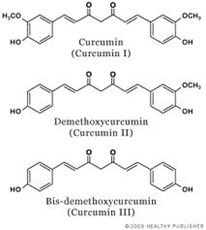
The active constituent of Turmeric is Curcumin (the yellow pigment of Turmeric), which comprises 0.3-5.4% of raw turmeric. Components of tumeric are named Curcuminoids, which include mainly Curcumin, Demethoxy curcumin, and Bisdemethoxy curcumin.(2)
Curcumin (which is chemically Diferuloyl methane) is Polyphenol in nature and has a strong anti-oxidant function.
The rate of absorbsion of Curcumin is very low and passes unabsorbed from the digestive tract hence it is clubbed with Bromelian which not only increases the absorpsion but also lends it an anti-inflammatory effect.(3)
The other bioactive constituents of turmeric are the volatile oils including Tumerone, Atlantone, and Zingiberone.(3)
Other accessory constituents include sugars, proteins 16%, and resins. It is particularly rich in Vitamin C and Potassium. It contains minerals like Sodium 1%, Potassium 52%, Carbohydrate: 21%, Vitamin B6: 90% of the total Vitamins present.
GENERAL USES
The general activity of Turmeric includes its antioxidant, analgesic, anti-inflammatory, anti-fungal, antiseptic activity, and anti-carcinogenic activity. It can be used in the following ailments(4)
1. Prevention of Gall Stone Formation: Turmeric is helpful for people with indigestion. Curcumin has choleretic activity that increases bile output and solubility, which may be helpful in treating gallstones. Turmeric in the diet increases the production of enzymes that digest fats and sugars and stop cholesterol from forming gallstones. Sodium curcuminate, a salt of curcumin, also exerts choleretic effects by increasing biliary excretion of bile salts, cholesterol, and bilirubin as well as by increasing bile solubility, therefore, preventing and treating cholelithiasis(4).
2. Anti-carcinogenic: Haldi is known to deactivate the carcinogens in cigarette smoke and chewing tobacco. Laboratory tests have found that turmeric is anti-mutagenic. It effectively inhibits metastasis of melanoma cells to brain , bones and liver and may be especially(4,10).
3. Anti-inflammatory: It is known to reduce inflammation by lowering histamine levels and by increasing the production of natural cortisone by the adrenal glands. (3)
4. Anti-oxidant: It protects against free radical damage because it is a strong antioxidant action. (3)
5. Cure of Multiple Myeloma: Recently the researchers at Common wealth University Virginia have clubbed the effect of Thalidomide and Curcumin (the yellow pigment of turmeric) to cure this disease. This combination works by disturbing the microenvironment of tumour cells in bone marrow. However,it disintegrates in the body.(5)

One of the curcumin–thalidomide hybrids
6. Cure of HIV: Curcumin inhibits HIV in test tubes, though human trials are needed to determine if it has any usefulness for treating humans with this condition. (5)
7. Hepato-protective: It protects the liver from a number of toxic compounds such as acetaminophen (paracetamol) and Aspergillus aflatoxin. Turmeric's hepatoprotective effect is mainly a result of its antioxidant properties as well as its ability to decrease the formation of pro-inflammatory cytokines. It is a natural de-toxifier for the liver.(6)
8. Antiplatelet aggregation: Inhibition of platelet aggregation by curcumin constituents is thought to be via potentiation of prostacyclin synthesis and inhibition of thromboxane synthesis. It has been shown to prevent platelets from clumping together, which in turn improves circulation. (6,11)
9. Cardio-Protective Effect: Turmeric's protective effects on the cardiovascular system include lowering cholesterol and triglyceride levels, decreasing susceptibility of low density lipoprotein (LDL) to lipid peroxidation and inhibiting platelet aggregation. These effects have been noted even with low doses of turmeric.(3)
10.Effect on Alzhemier’s Disease: The yellow pigment curcumin has both anti-inflammatory and antioxidant properties and can suppress oxidative damage, inflammation, cognitive deficits, and amyloid (certain proteins that are deposited in organs) accumulation. Growing evidence suggests that turmeric may afford protection against neurodegenerative diseases. Studies show that in Indian populations, where the diet includes quite a bit of turmeric, levels of neurological diseases such as Alzheimer's are very low in elderly people.(4)
11. Other therapeutic Uses: The paste/ decoction made out of turmeric is used for application in case of Snake bite, Leprosy, Vomiting, Gastric Ulcers, used to treat diabetes and also used against the Parasitic Infestations(13).
DENTAL USES
1.As an Irrigant: It has been hypothesized that Turmeric can be used in Photo-dyanamic irrigation in Endodontics.
Mechanism Of Action
a. Turmeric disorganizes the intra-cellular proteins present in the Biofilm of the root canal. Turmeric is known to act against the Extracellular Polymeric Substance (EPS) which is 0.2 to 1micro meter thick which in turn disorganises the Biofilm matrix, thereby limiting the source of nutrients to the bacteria lodged in the matrix.
b.Turmeric is lethal to the bacteria by increasing the activity of GTPase which in turn inhibits the assembly of Protien Filamenting Temperature Sensitive Mutant Z protofilaments.(7)
2. Local drug delivery system: The local drug delivery system containing 2% whole turmeric gel can be used as an adjunct to scaling and root planning. Behal et al, have shown a statistically significant reduction in plaque index, gingival index, sulcus bleeding index, probing pocket depth, and gain in relative attachment loss in a study conducted by them. The turmeric gel is known to reduce the trypsin-like enzyme activity of "red complex" microorganisms which are primarily responsible for perodontitis.(8)
3.Subgingival irrigant: According to Suhag et al, 1% curcumin solution can cause better resolution of inflammatory signs than chlorhexidine and saline irrigation as a subgingival irrigant. This irrigant has shown significant reduction in pocket depth and reduced bleeding on probing.(9)
4.Pit and fissure sealant: This sealant can be produced from a composition comprising a polymerizable resin system containing acrylic monomer and at least one colorant selected from the group consisting of annatto extract, turmeric extract, and β-Apo-8′-Carotenal.(3)
5. Dental Plaque Detection System: Chaturvedi et al in 2010 reported the use of Turmeric in plaque detection. The staining agent is a yellow pigment of
beni-koji, turmeric extracts and curcumin and a light emitting apparatus which outputs light having wavelength of 250-500 nm to an object in the oral cavity where the dental plaque staining agent is attached.(3)
6.Oral Submucous Fibrosis: The Chemo-preventive effect of Curcumin inhibits the development of cancer. It acts as a scavenger on the superoxide radicals, hydroxyl radicals. The turmeric oil combined with alcoholic extract of turmeric and turmeric oleoresin have a synergistic effect in inhibiting the collagen organization. These agents also offer protection against the DNA damage and thereby can prevent the development of oral submucous fibrosis.(3)
7.Oral Lichen Planus: According to Chainani-Wu curcuminoids at doses of 6000 mg/d in three divided doses were effective in reducing and controlling the symptoms of oral lichen planus.(7)
USES OF DERIVATIVES OF TURMERIC (TURMERIC OIL):
1.Turmeric oil is used in aromatherapy for relaxing, balancing and stimulating.
2. Turmeric oil inhibits the growth of a variety of bacteria, parasites, and pathogenic fungi. Curcumin has also been found to have moderate activity against Plasmodium falciparum and Leishmania major.
3. Turmeric extract's reduce Cholesterol Levels in blood- The effect on cholesterol levels may be due to decreased cholesterol uptake in the intestines and increase conversion of cholesterol to bile acids in the liver. (10)
MISCELLANEOUS USES
1.Turmeric is used for spots caused due to pigmentation or blotches and also for diseases like eczema.
2.Ayurveda states that turmeric is poisonous for crocodiles. So anyone swimming in crocodile infested waters should apply turmeric paste to protect himself.
3. Turmeric is also believed to ward off snakes and the presence of turmeric plants around the house acts as a barrier for them.
4. The leaves of turmeric are said to act as mosquito repellents.
5. Turmeric is used as a coloring agent for filter paper used in scientific tests.
6. It has been recently discovered that in water cooled type of radiators, a spoonful of turmeric added to the water, plugs any leak.
AT-HOME REMEDIES THAT CAN BE ADVISED TO THE PATIENT:
1. Routine Maintenance:
a.Brush teeth with a mixture of turmeric, salt and mustard oil. It helps in making the teeth strong.
b.Mix little black peper powder, turmeric powder,and black rock salt. Mix it nicely and brush the teeth through the finger massaging the tooth very gently. Regular use of this powder will keep teeth healthy.
2. Relief from Pain:
a. Burn a piece of turmeric. Grind it. Rub this on the painful teeth for relief. It kills bacteria too.
b.Rinse the mouth with turmeric water (boil 5 g of turmeric powder, two cloves, and two dried leaves of guava in 200 g water) gives instant relief.
c. Massaging the aching teeth with roasted, ground turmeric eliminates pain and swelling.
3. Prevention of Halitosis:
a. A pill is made by adding some water to ground asafoetida and turmeric powder and can by kept on the painful tooth for relief.
b.A pinch of salt and turmeric powder in a pint of water and mouth can be rinsed with this solution to cure bad breath naturally.
4. Control Periodontitis:
a. The powder made out of burnt turmeric pieces and bishop's weed seed can be applied on the teeth and gums.
b. Applying a paste made from 1 tsp of turmeric with ½ tsp of salt and ½ tsp of mustard oil provides relief from gingivitis and periodontitis. Rub the teeth and gums with this paste twice daily.
5. Treating Bleeding Gums: Besides, you can massage the gums gently with a mixture of salt and turmeric to heal the problem of bleeding gums.
6. Treating Ulcers in Oral Cavity: Mix some turmeric in a glass of water and boil the solution. Gargle with this liquid to get rid of blisters in mouth.
7. Relieving Swelling: Massaging with turmeric oil relieves pain. Also add a teaspoon of turmeric in two teaspoons of ginger paste and apply on the affected area to reduce external pain.

AVAILABLE FORMS:
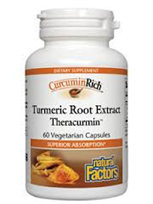
Other than Powder, turmeric is available in the following forms:
• Capsules containing powder
• Fluid extract
• Tincture
DOSAGE:
Pediatric- There is no recommended dosage for children. Consider adjusting the recommended adult dose to account for the child's weight. The appropriate dose of turmeric for this child would be 1/3 of the adult dosage.
Adult-The following are doses recommended for adults:
• Standardized powder (curcumin): 400 - 600 mg, 3 times per day
• Fluid extract (1:1) 30 - 90 drops a day
• Tincture (1:2): 15 - 30 drops, 4 times per day
Turmeric extracts standardized at 90 to 95% curcumin can be taken in the amount of 250 to 500 mg three times per day. Tincture, 0.5-1.5 ml three times per day, is sometimes recommended.
PRECUATIONS TO BE TAKEN WHILE USING TURMERIC:
1. This spice is considered good for treating digestive disorders but excessive intake of turmeric can cause indigestion, nausea and diarrhoea.
2. It can worsen Gallbladder problems. Same is the case with children below two years of age.
3. The herb can interfere with blood thinning medications. Thus, the medicinal turmeric benefits the health when taken in moderate dosage, i.e, about 2 to 9 grams per day, depending on your condition.
It is believed that taking a 500 mg capsule up to three times in a day should not cause adverse effects. Prolonged and high dosages, however, are discouraged due to chances of toxicity
SIDE EFFECTS OF TURMERIC:
The use of herbs is a time-honoured approach in strengthening the body and treating diseases. Herbs, however, contain active substances that can trigger side effects and interact with other herbs, supplements, or medications. For these reasons, herbs should be taken with care, under the supervision of a practitioner knowledgeable in the field of botanical medicine. While pregnant women needn't avoid foods containing turmeric, its use as a medicinal herb is not recommended during pregnancy because the effects are not fully known(12).
TOXICOLOGY
No reports of toxicity have been reported following the ingestion of turmeric. No change in weight was observed following chronic treatment, although changes in heart and lung weights were observed and a minimal decrease in white and red blood cell levels were observed. These findings still need to be confirmed through more studies(13).
CONCLUSION
Turmeric is an important part of Traditional Medicine. It has found an effective use in medicine and gradually the interest is rising in Dentistry as well. This natural remedy definitely holds a promising future. The need currently is to in-cooperate this modality of treatment in the practice and open portals of research for these agents.
REFERENCES
- Ramirez-Boscα A, Soler A, Gutierrez MA. Antioxidant curcuma extracts decrease the blood lipid peroxide levels of human subjects. Age 1995;18:167-9.
- Ammon HP, Safayhi H, Mack T, Sabieraj J. Mechanism of anti-inflammatory actions of curcumin and boswellic acids. J Ethnopharmacol 1993;38:113-9
- Chaturvedi TP. Uses of turmeric in dentistry: An update. Indian J Dent Res 2009;20:107-9
- Park EJ, Jeon CH, Ko G, Kim J, Sohn DH. Protective effect of curcumin in rat liver injury induced by carbon tetrachloride. J Pharm Pharmacol 2000;52:437-40.
- Donatus IA, Sardjoko, Vermeulen NP. Cytotoxic and cytoprotective activities of curcumin. Effects on paracetamol-induced cytotoxicity, lipid peroxidation and glutathione depletion in rat hepatocytes. Biochem Pharmacology
- Limtrakul P, Lipigorngoson S, Namwong O, Apisariyakul A, Dunn FW. Inhibitory effect of dietary curcumin on skin carcinogenesis in mice. Cancer Lett 1997;116:197-203
- Kishen A, George S, Kumar R. Enterococcus faecalis-mediated biomineralized biofilm formation on root canal dentine in vitro. J Biomed Mater Res A 2006;77:4 06–415.
- Behal R, Mali MA, Gilda SS, Paradkar AR. Evaluation of local drug delivery system containing 2% whole turmeric gel used as an adjunct to scaling and root planning in chronic periodontitis: A clinical and microbiological study. J Indian Soc Periodontol 2011;15:35-8
- Suhag A, Dixit J, Dhan P. Role of curcumin as a subgingival irrigant: A pilot study. PERIO: Periodontal Pract Today 2007;2:115-21.
- Mehta K, Pantazis P, McQueen T, Aggarwal BB. Antiproliferative effect of curcumin (diferuloylmethane) against human breast tumor cell line. Anticancer Drugs 1997;8:470-81
- Srivastava R, Puri V, Srimal RC, Dhawan BN. Effect of curcumin on platelet aggregation and vascular prostacyclin synthesis. Arzneimittelforschung 1986;36:715-7
- Waghmare PF, Chaudhary AU, Karhadkar VM, Jamkhande AS. Comparative evaluation of turmeric and chlorhexidine gluconate mouthwash in prevention of plaque formation and gingivitis: A clinical and microbiological study. J Contemp Dent Pract 2011;12:221-2
- Rasmussen HB, Christensen SB, Kvist LP, Karazami A. A simple and efficient separation of the curcumins, the antiprotozoal constituents of Curcuma longa. Planta Med 2000;66:396-8
Disclaimer from Guident
The views and opinions expressed in articles published in Guident are solely those of the authors and do not necessarily reflect the views of the editors, the editorial board or the publisher, Ivory India. Guident does not endorse any product, technique or treatment described. Clinical content is intended for qualified dental and medical professionals and is not a substitute for individual clinical judgement. Guident, its editors and the publisher accept no liability for any consequence arising from the use of information published in the journal.
How to cite this article
Dr. Puneeta Duggal. The Trumpet of Turmeric. Guident. 2013 Jul;6(9). Available from: https://guident.in/articles/general/the-trumpet-of-turmeric.html