Duodenary Surprising Causes of Tooth Sensitivity
Bangalore, India
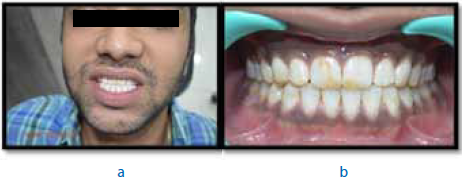
Tooth sensitivity is a common complaint encountered in clinical practice today Tooth Sensitivity is described as a brief sensation which is caused by a stimulus such as cold or heat to exposed dentin which is the layer beneath the hard-white enamel of a tooth.The nerve of the tooth can only react by causing pain when it is stimulated. The exposed superficial dentin has no free nerve ending but still it becomes sensitive. As per the experimental studies any stimuli which is probing the dentin surface such as air blast can induce fluid movements in the dentinal tubules which can activate the inter dental nerves

THE MAIN CAUSES OF TOOTH SENSITIVITY CAN BE:
Your food habit: eating hard and acidic foods like juices citrus fruits aerated drinks can contribute to tooth sensitivity
Brushing habit:
- Improper brushing technique can increase your tooth sensitivity
- using a hard bristle toothbrush
- brushing your teeth aggressively in a horizontal fashion can contribute to tooth sensitivity
Tooth decay:
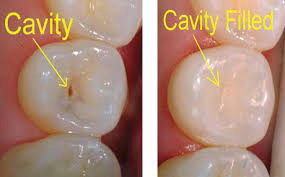
A small cavity is enough to decay the enamel and expose your dentin beneath to cause sensitivityAfter tooth whitening:
- Sensitivity can be a temporary side effect after your tooth whitening treatment .
- improper use of in home whitening products used frequently.

Gum problems:
- gums recede with age which can increase sensitivity
- excessive flossing can also damage your gums to cause sensitivity
Split tooth:
When you bite down on your teeth if you are experiencing tooth sensitivity that it is an indication of a split tooth, immediate attention is required
Recent dental restoration:
- You can experience a temporary sensitivity after you have had a dental treatment done, this should improve within 4 weeks
- the practice of bulimia- leads to stomach acids wearing away at the surface of the teeth
- Acid Reflux also has the same effect on your teeth
Sinus infection:
A sinus infection can make your teeth hurt or sensitive when you walk ,jump or bend down because of the pressure and inflammation in the SinusCold weather:
Cold air flowing over your teeth can Trigger a sensitive Pain responseStress:
Grinding of teeth during sleep is known as Bruxism wears away the enamel
On chewing ice:
If you have a habit of chewing on ice it can crack your enamel and expose the underlying dentin causing serious sensitivityPregnancy:
It does not directly cause tooth sensitivity but there are hormonal changes which can affect your gums which in turn can lead to discomfort and pain
As per the experimental studies any stimuli which is probing the dentin surface such as air blast can induce fluid movements in the dentinal tubules which can activate the inter dental nerves
So, any treatment for tooth sensitivity include both agents that can block the dentinal tubules and Agents that will decrease the excitability of the intra dental nerve. The exact line of treatment employed will depend on the etiology of the individual’s problem and the extent of dentinal tissue damage
Mainly 3 principal treatment strategies have been followed
- Dentinal tubules are covered by gingival graft or dental restorations
- The dentinal tubules are plugged with compounds that can precipitate together into a large enough mass to occlude the dentinal tubules
- To desensitize a nerve tissue within the tubules using Potassium Nitrate
ACTION OF DESENSITIZING TOOTHPASTE CONTAINING POTASSIUM NITRATE
Potassium nitrate reduces tooth sensitivity by entering the dentinal tubules and making its way to the dental pulp where they block the transmission of pain to the brain. while cold and hot food will still cause the nerves to send a pain signal to the brain the potassium ion will interrupt the pain signal so pain cannot be perceived an added advantage of potassium nitrate is that it can build up in the dentinal tubules so by continuing the use of desensitizing toothpaste dentinal tubules will be provided with a huge supply of potassium nitrate which will give you a lasting relief from sensitivity

Treatment suggested for relief from tooth sensitivity
- Using a desensitizing toothpaste make sure you use a fluoridated toothpaste for sensitive teeth getting a thin layer of the desensitizing toothpaste on the exposed tooth twice a day
- Uses of soft bristled toothbrush
- Avoid taking highly acidic foods and drinks
- Using fluoridated mouthwash daily
- If you have a habit of teeth grinding at night, visit your dentist and consider getting a mouth guard
- If tooth sensitivity is due to tooth decay or a gum infection the treatment methods are
- If cavity is causing tooth sensitivity, then consider filling the tooth
- if the tooth decay a has extended beyond then placement of a Crown will reduce the sensitivity
7. in case of severe tooth sensitivity when none of the above treatments was helpful The Last Resort would be doing a root canal.
8. If sensitivity is due to gum infection, surgical gum graft procedure which will protect the root and reduce sensitivity is done.
Disclaimer from Guident
The views and opinions expressed in articles published in Guident are solely those of the authors and do not necessarily reflect the views of the editors, the editorial board or the publisher, Ivory India. Guident does not endorse any product, technique or treatment described. Clinical content is intended for qualified dental and medical professionals and is not a substitute for individual clinical judgement. Guident, its editors and the publisher accept no liability for any consequence arising from the use of information published in the journal.
How to cite this article
Dr. Anju Thomas. Duodenary Surprising Causes of Tooth Sensitivity. Guident. 2018 Nov;11(12). Available from: https://guident.in/articles/general/duodenary-surprising-causes-of-tooth-sensitivity.html