
Biomedical Waste Management Indental Setup
Mathura, India
INTRODUCTION
According to the Notification by the Ministry of Environment and Forests, Government of India; "biomedical waste (BMW)" means any waste, which is generated during the diagnosis, treatment or immunization of human beings or animals or in research activities pertaining thereto or in the production or testing of biologicals. "Occupier" in relation to any institution generating BMW, which includes a hospital, nursing home, clinic, dispensary, veterinary institution, animal house, pathological laboratory, blood bank by whatever name called, means a person who has control over that institution and/or its premises. It further mentions that it shall be the duty of every occupier of an institution generating BMW to take all steps to ensure that such waste is handled without any adverse effect to human health and the environment. By these definitions, dentist is the occupier of a clinic who generates BMW and should be responsible for its overall handling1.
Dental waste is a subset of hazardous biomedical (BM) waste. It includes various materials like cotton, sharpsand extracted teeth etc. which are usually contaminated with body fluids like blood and saliva. Dental practices also produce small amount of other types of waste, such as mercury, silver amalgam and various chemical solvents. If the manipulation of amalgam and its waste products are not strictly regulated, it could be responsible for environmental pollution as well as occupational exposure. A strict adherence to biomedical waste (BMW) rule is required by all those who are involved in generation, collection, transportation, storage, treatment and disposal of BMW in any manner and also to every institution that generate BMW2.Inadequate and inappropriate handling of dental health-care waste may have serious public health consequences and a significant impact on the environment, considering the increasing number of dentists in urban areas and increased awareness about the dental treatment amongst the public. Appropriate management of dental care waste is thus a crucial component of environmental health protection and it should become an integral feature of dental services3.The present article is a compilation of the biomedical waste management in dental setup.
DEFINITION
Bio Medical Waste: As per Bio-Medical Waste (Management and Handling) Rules, 1998 of India, any waste, which is generated during the diagnosis, treatment or immunization of human beings or animals or in research activities pertaining there to or in the production of testing of biological and including categories mentioned in schedule I of the Rules, is the Bio-medical waste3.
CLASSIFICATION OF WASTES
1. Dental Amalgam Wastes
- Amalgam Traps
- Bulk Mercury
- Contact Amalgam (i.e. Extracted Teeth Containing Amalgam)
2. Other Scrap Heavy Metals such as Lead Foils
3. X-ray Processing Wastes
- Silver-Containing Wastes (X-ray Photographic Fixer)
- X-ray Photographic Developer
- X-ray System Cleaners Containing Chromium
4. Chemicals, Disinfectants and Sterilizing Agents
5. Medical Waste
6. Sharp Waste
7.Biohazard Waste
8.Non Hazardous Waste4
BEST MANAGEMENT PRACTICE FOR DENTAL WASTE DISPOSAL
1.Dental amalgam waste
Mercury is a persistent, bio-accumulative toxin that poses a risk to human health, wildlife and the environment. While there has been considerable public debate about the potential health effects of mercury fillings, little attention has been focused so far on the disposal of waste dental mercury. While mercury is a naturally occurring metallic element, human activities including the use of dental fillings, contribute around 70% of emissions into the environment. Levels of mercury in the environment have increased dramatically, with a twenty-fold increase over the past 270 years. Dental clinics remain largely unregulated for mercury disposal and extracted amalgam materials are often rinsed down the drain, usually to a municipal waste water system or septic systems, deposited in biomedical waste containers destined for waste incineration, or placed in trash disposed in a municipal waste landfill or incinerator.5
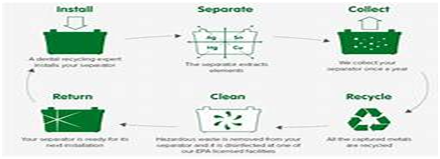
Dental Amalgam disposal
Following steps for disposal of amalgam in dental set-up
- Do not rinse amalgam-containing traps, filters, or containers in the sink.
- Do not place amalgam, elemental mercury, broken or unusable amalgam capsules, extracted teeth with amalgam, or amalgam-containing traps and filters with medical or regular solid waste.
- Recycle, or manage as hazardous waste, amalgam, elemental mercury, broken or unusable amalgam capsules, extracted teeth with amalgam, amalgam-containing waste from traps and filters. Empty dental amalgam capsules containing no visible materials may be disposed of as a non-hazardous waste.
- Collect and store dry dental amalgam waste in a designated, air tight container.
- Amalgam which is designated for recycling should be labeled “Scrap Dental Amalgam ”with the name, address and phone number of the office and the date on which they first started collecting material in the container.
- Keep a log of generation and disposal of scrap amalgam.
- Check with amalgam recycler for any additional requirements. Some recyclers do not accept contact amalgam (amalgam that has been in the patient’s mouth) others may require disinfecting the amalgam waste.
- Separate excess contact dental amalgam from gauze that is retrieved during restoration and place in an appropriate container.
- Use chair side traps to capture dental amalgam.
- Change, or clean, chair side traps frequently. Flush the vacuum system before changing the chair side trap.
- Change vacuum pump filters and screens at least monthly or as directed by the manufacturer.
- Limit the amount of amalgam triturated to the closest amount necessary for the restoration, i.e. don’t mix two spills when one spill would suffice. Keep a variety of amalgam capsule sizes on hand to ensure almost all triturated amalgam is used.
- Train staff that handle or may handle mercury-containing material in its proper use and disposal.
- Do not use bleach to clean discharge systems as this may mobilize mercury and amalgam in the system6.
AMALGAM TRAPS
Disposable amalgam traps are preferable to reusable traps because of the difficulty in effectively removing amalgam particles from the trap without discharging them to the sewer or garbage. Disposable traps should be changed weekly or more frequently if needed, or as recommended by the manufacturer of the equipment. Only traps on chairs used for amalgam placement or removal need special handling. Traps from chairs not used for amalgam procedures maybe placed in the regular solid waste. The use of reusable chair-side amalgam traps is not recommended. However, if reusable amalgam traps are used, please follow the following steps.
- Disinfect the traps in a minimum amount of disinfectant.
- Remove visible scrap amalgam from there usable amalgam trap and store in an air tight container as per the direction of a licensed recycler or waste hauler directions.
- Use appropriate protective equipment when handling amalgam7.

Dental amalgam traps
- Bulk Mercury/to control or eliminate bulk mercury in dental office
- Use encapsulated dental amalgam.
- Use the proper work area designed to provide secondary containment and follow a written mercury spill clean-up procedure.
- Maintain a mercury clean-up kit in dental office to manage accidentals pills, which may occur regardless of the delivery form of the mercury.
- React triturate small amounts of unused elemental mercury with silver alloy to form scrap amalgam for recycling8
CONTACT AMALGM
Contact amalgam is amalgam that has been in contact with the patient. Examples are extracted teeth with amalgam restorations, carving scrap collected at chair-side, and amalgam captured by chair- side traps, filters, or screens. Many scrap amalgam recyclers accept teeth with amalgam as long as the sender certifies that they are not infectious wastes. Extracted teeth without attached tissue are considered non-medical wastes, unless the extracted teeth are deemed as biohazardous by the attending dentist. However, extracted teeth with amalgam should be manage das hazardous waste or recycled. To dispose of contact amalgam, dentists can choose to either collect or store it as hazardous waste or collect and store as recyclable waste, if the metal recycler accepts contact amalgam.
2. Other Scrap Heavy Metals such as Lead Foils
In addition to dental amalgam, other sources of heavy metals in the dental office should be recycled/ reclaimed as much as possible. The most common source of regulated heavy metals in the office is lead from lead foil and lead shields. Lead cannot be placed in the regular solid waste containers nor can it be disposed of down the drain; it must be managed as either recyclable metal or hazardous waste. Lead scrap can be either recycled or disposed as hazardous waste. Do not dispose of lead waste as solid waste.
Other metal sources include nickel and chromium from stainless steel orthodontic wires and crowns, and beryllium and nickel from crowns. These materials should not be discharged to the sanitary sewer system. X-ray photo chemicals also contain heavy metals. Elemental nickel, chromiumin stainless steel (does not include x-ray cleaning solutions), and other heavy metals should be recycled as scrap metal. As long as it is not fine powder, elemental metals other than lead or mercury can be disposed of as solid waste9.
3. X-Ray Processing Wastes
Dental offices that house and operate standard radiography equipment must process the x-ray films using photo chemicals-fixer, developer and equipment cleaner. Each of these chemical solutions is unique and requires special handling and disposal procedures.
- Silver-Containing Wastes (X-ray Photographic Fixer) Silver from used fixer is a valuable resource that should be recycled. There are two basic management options for fixer:
(1)On site treatment and disposal
(2)Off site treatment and disposal.
Whether treated onsite or offsite, fixer is easily and economically recyclable and recycling is the preferred method of management. Untreated fixer cannot be discharged to the sewer. Silver-rich photo processing waste waters that are not treated on site or hauled offsite for silver-recovery are subject to full regulation as hazardous wastes.
4. Chemicals, disinfectants and sterilizing agents
The dental community uses a variety of chemicals for sterilizing, disinfecting and cleaning. Several of these cleaning/sterilizing products may contain active chemical ingredients (e.g. formaldehyde) that may be classified as hazardous. In addition, many municipalities place concentration limits on chemicals released to the sewer. Before discharging chemicals into the sewage system, consult the local municipality for further information. Some of these chemicals may be explosive if released to sewers in large enough quantities. Other chemicals may disrupt the microbial process that breaks down wastes in sewage or damage the drainage and sewer pipes overtime.
If classified as special waste, used cleaning or disinfectant solutions should be stored in labeled, sealed leak-proof containers in a secure location in such a manner that an accidentals pill, leak or container failure will not result in the chemicals entering any sanitary sewer, septic system or storm drain. If such a location is not available, adequately sized secondary containment should be provided for this equipment or all floor drains in the area should be capped. Hazardous waste disposal vendors can provide pick-up services for special wastes or flammable wastes. If any chemical contains formaldehyde and/or formalin, gluteraldehyde, ammoniaor phenols, contact local municipality for disposal guidance. If any detergent contains nonly phenol ethoxylates, contact the local municipality for disposal guidance. nonyl phenols and its ethoxylates have been determined to be toxic substances. Discard pharmaceutical wastes such as unused drugs through an approved waste carrier11.
For portable dental equipment and mobile dental units:
- Collect and transport chemicals, disinfectants or sterilizing agents in an appropriately labeled, sealed container to a dental practice for disposal through an approved waste carrier.
- Do not dispose of any accumulated chemicals, disinfectants or sterilizing agents in a remote site which does not have a disposal arrangement through an approved waste carrier.
- Do not dispose human tissue with the regular garbage.
- Do not dispose of human tissue wastes in a remote facility which does not have a disposal arrangement through an approved waste carrier.
- Do not dispose of any accumulated chemicals, disinfectants or sterilizing agents in a remote site which does not have a disposal arrangement through an approved waste carrier.
- Do not dispose human tissue with the regular garbage.
- Do not dispose of human tissue wastes in a remote facility which does not have a disposal arrangement through an approved waste carrier.
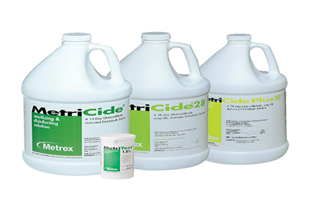
Chemical waste in dental setup
5. Medical waste
Regulated medical waste consists of sharps (hypodermic needle, blades, syringes) and biohazardous wastes (e.g.laboratory wastes, solid wastes covered with blood or other potentially infectious materials, and pharmaceuticals) Wastes containing mercury or contaminated with mercury should never be placed with the medical wastes as these wastes will be incinerated and release mercury into the environment.
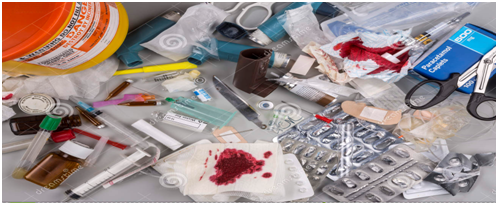
Medical waste
6. Sharp waste
Sharps containers are designed specifically for the containment and disposal of sharps such as needles, burs, endodontic reamers/files, syringes with needles, scalpel blades, clinical glass, or other items capable of causing cuts or punctures. Sharps are to be placed in to a puncture-resistant leak-proof container designed specifically for the management of sharps.
The containers must be able to resist puncture under general usage conditions and to the point of disposal. Disposable sharps should be placed in a proper sharps container. A sharps container should be located in each operatory and the sterilization lab.
Waste sharps, including needles, scalpels and other sharp objects should be: Separated from other types of BMW.
- Placed in a rigid, puncture resistant, leak-proof container (provided by bio medical waste disposal vendors) and labeled “biohazard- waste sharps”
- Permanently sealed in the container (when full) and picked up by a biomedical waste disposal vendor for proper disposal. Other types of BMW including soiled rubber gloves, used swabs and other blood or body fluid-saturated items should be:
- Separated from waste sharps.
- Placed in a red bag that is labelled “biohazard”
- Stored in a rigid leak-proof container picked up by a BMW disposal vendor for proper disposal12.
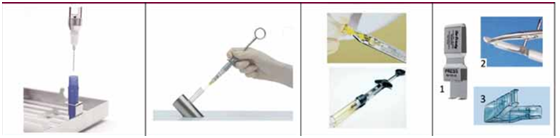

Disposal of sharp waste
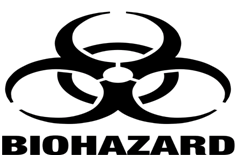
7.Biohazardous Waste
Solid 'red-bag' waste must be collected and disposed as regulated medical waste. Dentist must contact a registered medical waste hauler for transfer to a licensed off site treatment facility. Proper treatment by a permitted facility consists of either autoclave sterilization or incineration.
8.Anatomical Wastes (Human Tissue)
Human tissue waste generation is normally limited to oral surgeons and periodontists, e.g, in the course of harvesting of human tissue for treatment. In this context, all human tissue wastes are required to be treated as biomedical/pathological wastes.
Guidelines:
- Separate human tissue from sharps and blood soaked materials.
- Collect human tissue in red liners that a remarked with the universal biohazard symbol (these liners are normally provided by a bio medical waste carrier).
- Store anatomical waste in an enclosed storage area that is locked and separate from other supply areas, at a temperature at or below 4 degree.
- Once accumulated, contact an approved BMW carrier for disposal.
- For portable dental equipment and mobile dental units, transport human tissue wastes in an appropriately labeled and sealed red liner to a dental practice for disposal through an approved waste carrier13.
9. Pharmaceutical waste
Either expired or partially-used, pharmaceutical waste must be collected and transferred by a registered hauler to a licensed incinerator. Prior to use or recycling; store pharmaceuticals in labeled, sealed and leak-proof containers in a secure location. If such a location is not available, adequately sized secondary containment should be provided for this equipment oral floor drains in the area must be capped. Do not dispose of expired or excess pharmaceuticals in to the garbage, the sewer system or mix them with bio medical wastes.
10.Non-Hazardous Office Wastes
The following procedures are suggested to help operators improve their overall environmental performance:
- Choose products with the least packaging and the highest recyclable material content
- Regular waste generated by dental offices should be recycled whenever possible.
- Waste paper, aluminum cans, newspaper, glass, cardboard and plastic containers should be recycled14.

Disposal of bio-medical waste
DISPOSALOFWASTE,NEEDLESANDOTHERMATERIALSAT DENTAL CAMP SITE
Contaminated waste is a potential source of infection for the staff as well as the local community. Therefore, waste generated during a dental camp should be disposed of properly. Waste should be buried or burnt. Burning should preferably bed one in an incinerator or steel drum as opposed to open burning. If burning is not possible, then the waste should be put in a pit and buried, but it should never be thrown outside or left in open pits. For waste that is to be picked by the municipal authorities, these should be placed in closed dumpsters prior to removal. Solid waste, including dressings and other items contaminated with blood and organic material, should be disposed of in leak-proof washable containers conveniently located in the mobile dental unit. Sharp objects (hypodermic needles, scalpel blades, suture needles) should be disposed of in a puncture-resistant container with a lid made of either metal or heavy rigid plastic or cardboard. Containers with needles and sharp objects should be disposed of by burning or buryingonsite15.
CONCLUSION
Safe and effective management of waste is not only a legal necessity but also a social responsibility, but a large proportion of the dentist are not practicing proper methods of dental health care waste disposal. Lack of concern, motivation, awareness and cost factor are some of the problems faced in the proper hospital waste management. Proper surveys of waste management procedure in dental practice is needed. The existence of legislation government dental care waste disposal alone is not sufficient to motivate many practitioners to comply with guidance.
REFERENCES
1.Joseph J, Ajith Krishnan CG. Hospital Waste Management in the Union Territory of Pondicherry: an Exploration. Department of Community Dentistry, Mahatma Gandhi Dental College and Hospital, Govt. of Pondicherry, Pondicherry: 2003–2004.
2. Osamong LA, Gathece LW, Kisumbi BK, Mutave RJ. Management of Dental
Waste by Practitioners in Nairobi, Kenya. African Journal of Oral Health 2005; 2(1&2):249.
3. Park k. hospital waste management. Park’s textbook of preventive and social medicine. 23rd edition, Jabalpur, India: M/s banarsidas bhanot publisher; 2009; 694-9.
4. Nasima A, Hussain Z, Trankler J, and Parkpian P. Hospital Waste Management and
Its Probable Health Effect: A Lesson Learned from Bangladesh, Indian Journal of
Environmental Health, 2002;44(2):124–137.
5.Sarma RK, Mathur SK. Management of Hospital Waste. Journal of Academy of Hospital Administration 1989; 1(2):55-7.
6. Pushpanjali K. Dental Health Care Waste and Its Implications. Journal of the
Indian Association of Public Health Dentistry 2004; 4:8-10.
7. Talwar S, Nawal RR, Verma M. Management of Mercury Waste in Dental Clinics.
Journal of Pierre Fauchard Academy 2009; 23:107-14.
8.Parkash H, Mohanty UK, Kohli A, Chaudhary S. Recenttrends in the safety of dental Amalgam. Dentistry India 2010; 04(2):7-12.
9. Kishore J, Goel P, Sagar B, Joshi TK. Awareness about Biomedical Waste Management and Infection Control Among Dentists of a Teaching Hospital in New Delhi, India. Indian Journal of dental research.(2000);11:157-161.s
10. Johannessen LM, Dijkman M, Bartone C, Hanrahan D, Boyer MG, Chandra C.
Healthcare waste management Guidance note. Urban Development Division, Infrastructure Group Environment Department and Health, Nutrition and Population Team. The World Bank 2000.
11.Rao S K M, Ranyal RK, Bhatia SS, Sharma VR. Biomedical Waste Management: an Infrastructural survey of Hospital. Medical Journal Armed Forces India 2004, 60(No.4):379-82.
12.Osamong LA, Gathece LW, Kisumbi BK, Mutave RJ. Management of Dental Waste by Practitioners in Nairobi, Kenya. African Journal of Oral Health 2005; 2(1&2):24-9.
13. Patil G and Pokhrel K. Biomedical Solid Waste Management in an Indian Hospital: A Case Study. Waste Management 2005;25(6):592-9.
14. Bhat K, Sharma Y, Mahajan B. Efficacy of Chemical Treatment of Bio Medical
Waste like Sharps and Tubings in GMC, Jammu. Journal of Oral Health 2006;5(1):17-20.
15. Khajuria A, Kumar A. Assessment of Health care Waste Generated by Government
Hospital in Agra City, India. Our Nature 2007; 5:25-30.
Disclaimer from Guident
The views and opinions expressed in articles published in Guident are solely those of the authors and do not necessarily reflect the views of the editors, the editorial board or the publisher, Ivory India. Guident does not endorse any product, technique or treatment described. Clinical content is intended for qualified dental and medical professionals and is not a substitute for individual clinical judgement. Guident, its editors and the publisher accept no liability for any consequence arising from the use of information published in the journal.
How to cite this article
Dr.Vidhur Arya Dr.D.J.Bhaskar, Dr.Navpreet Kaur Department Of Public Health Dentistry K.D Dental College & Hospital. Biomedical Waste Management Indental Setup. Guident. 2018 Jul;11(8). Available from: https://guident.in/articles/general/biomedical-waste-management-indental-setup-20.html