
Comparative Evaluation of Anti-Microbial Efficacy of Prepared Herbal Solution of Lemon and Ginger and 2PERCENT Glutaraldehyde on Elastomeric Impressions: An in Vitro Study
Department of Prosthodontics, Sri Hasanamba Dental College, Karnataka, India
ABSTRACT
Aim and Background: Dental impressions can act as carriers of microorganisms, leading to cross-infection between the clinic and laboratory. Although chemical disinfectants such as 2% glutaraldehyde are effective, their toxicity necessitates safer alternatives. This study aims to evaluate and compare the antimicrobial efficacy of lemon, ginger, their combination, and 2% glutaraldehyde on elastomeric impressions.
Materials and Methods: Eighty samples were divided into five groups (n=8): control, lemon, ginger, combination, and glutaraldehyde. Samples contaminated with S. mutans and S. aureus were disinfected and analyzed using CFU counts.
Results: Lemon, combination, and glutaraldehyde showed complete inhibition, while ginger showed moderate reduction.
Conclusion: Lemon and combination formulations showed antimicrobial efficacy comparable to glutaraldehyde.
Clinical Significance: Herbal disinfectants based on lemon and ginger demonstrated antimicrobial efficacy comparable to 2% glutaraldehyde on elastomeric impression materials. These herbal formulations may serve as cost-effective, biocompatible, and environmentally safer alternatives with the added advantage of reducing the occupational and biological hazards associated with conventional chemical disinfectants.
KEYWORDS: Herbal Disinfectants; Lemon; Ginger; Glutaraldehyde; Disinfection; Elastomeric Impression Materials; Antimicrobial Efficacy; Spraying; Streptococcus Mutans; Staphylococcus Aureus.
INTRODUCTION
Prosthodontic rehabilitation of the missing natural teeth is necessary because the body cannot function properly if some of the important organs involved in speech, swallowing and mastication are lost. These replacements are usually in the form of a fixed or removable prosthesis.1 Achieving a precise fit of the prosthetic restoration requires an impression that accurately captures the intricate details and dimensions of the dental structures and their spatial relationships.2
However, impressions become contaminated during procedures due to contact with saliva and blood. Microorganisms such as Streptococcus mutans and Staphylococcus aureus can survive on impression surfaces, posing a risk of cross-infection between the clinic and laboratory.3
Disinfection of impressions is therefore recommended.4 Chemical disinfectants, particularly 2% glutaraldehyde, are widely used due to their broad antimicrobial activity. However, their toxicity, irritation, and environmental concerns limit routine use.5
Herbal agents such as lemon (Citrus limon) and ginger (Zingiber officinale) possess antimicrobial properties. Lemon contains citric acid and flavonoids that disrupt microbial membranes, while ginger contains compounds such as gingerol and shogaol that inhibit bacterial growth.6-7
Their combination may produce synergistic effects; however, limited studies have evaluated their effectiveness on elastomeric impression materials.8
Thus, this study aimed to evaluate and compare the antimicrobial efficacy of lemon, ginger, their combination, and 2% glutaraldehyde.
MATERIALS AND METHODS
An in vitro experimental study was conducted in the Department of Prosthodontics, with microbiological analysis performed in a laboratory setting.
F tests - ANOVA: Fixed effects, omnibus, one-way
Analysis: A priori: Compute required sample size
Input: Effect size f = 0.6152511
α err prob = 0.05
Power (1-β err prob) = 0.80
Number of groups = 5
Output: Noncentrality parameter λ = 15.1413566
Critical F = 2.6414652
Numerator df = 4
Denominator df = 35
Total sample size = 80
Actual power = 0.8441411
According to the value obtained for ‘n’; a sample size of 8 per group was estimated for the study, i.e., 80 samples for antimicrobial efficacy. Total number of groups were 5, and test was conducted for two bacterial strains, resulting in a total of 40 samples each for both strains.
A total of 80 samples were included in the study and divided into five groups (n=8 per group): Group A (control), Group B (lemon extract), Group C (ginger extract), Group D (combination of lemon and ginger), and Group E (2% glutaraldehyde).
Fresh lemon and ginger extracts were prepared under aseptic conditions. Elastomeric impression samples were fabricated and sectioned into standardized specimens.
The specimens were contaminated with Streptococcus mutans and Staphylococcus aureus to simulate clinical conditions.
Each group was disinfected using the respective solution by spray method for 5 minutes, followed by rinsing with distilled water.
Microbial evaluation was performed by assessing colony-forming units (CFU) after culture. Statistical analysis was carried out using appropriate tests with significance set at P<0.05.

Table 1. Materials used for the study.
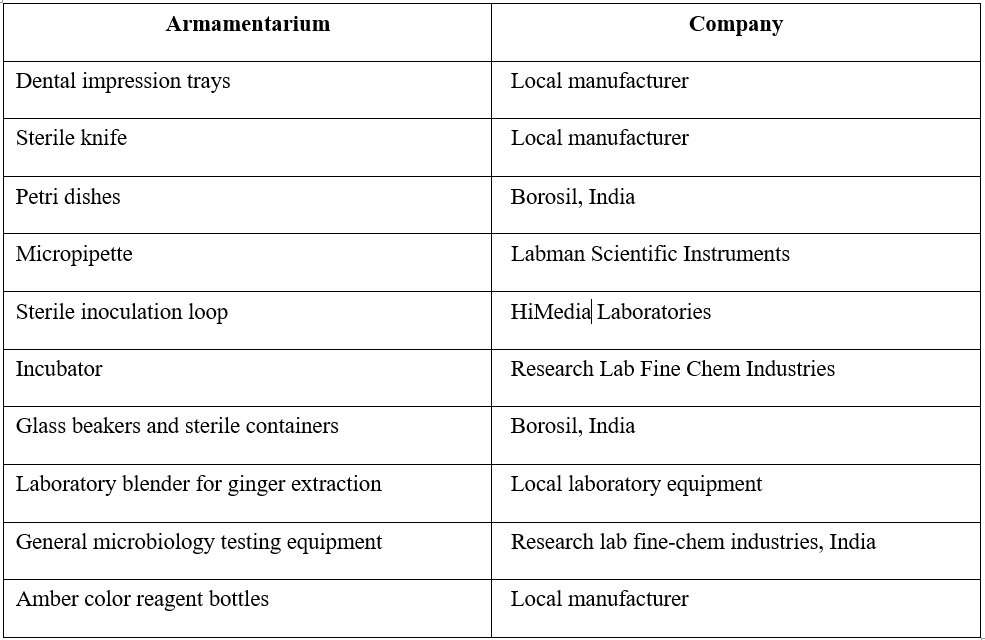
Table 2. Armamentarium used for the study
RESULTS
A total of 80 samples (n=8 per group) were evaluated for antimicrobial efficacy against Staphylococcus aureus and Streptococcus mutans. Descriptive statistics were used to calculate mean and standard deviation values for all groups. Inferential statistical analysis was performed using the Kruskal-Wallis test to compare differences among the five groups. Pairwise intergroup comparisons were further analyzed using the Mann-Whitney U test.
Antimicrobial efficacy against Staphylococcus aureus.
The Kruskal-Wallis test showed a statistically significant difference among all groups (P<0.001). The control group demonstrated the highest bacterial count, while ginger extract showed moderate reduction in microbial growth. Lemon extract, the combination of lemon and ginger, and 2% glutaraldehyde demonstrated complete inhibition of bacterial growth.

Table 3. Mean and standard deviation values of Staphylococcus aureus among study groups
Pairwise comparison using the Mann-Whitney U test revealed statistically significant differences between the control group and all disinfectant groups. No significant difference was observed among lemon extract, combination group, and glutaraldehyde, indicating comparable antimicrobial efficacy.
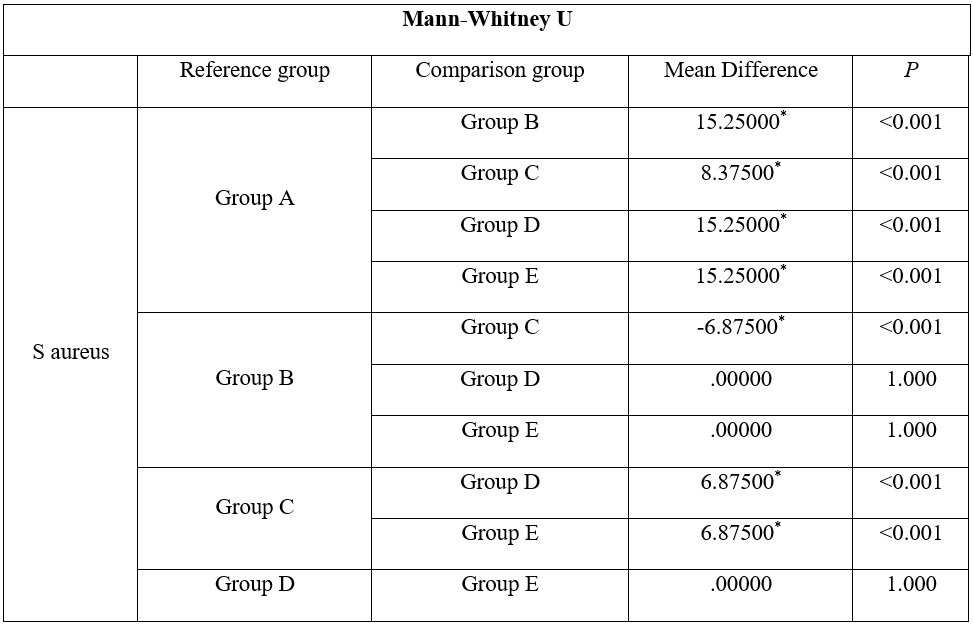
Table 4. Pairwise comparison of antimicrobial efficacy against Staphylococcus aureus using Mann Whitney U test
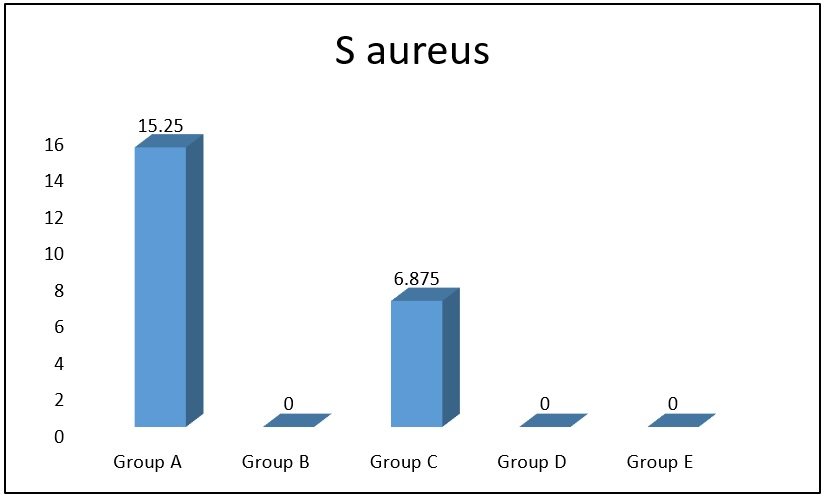
Graph 1. Illustrates the comparison of mean CFU counts among all groups.
ANTIMICROBIAL EFFICACY AGAINST STREPTOCOCCUS MUTANS
The Kruskal-Wallis test demonstrated a statistically significant difference among all groups (P<0.001). The control group showed the highest bacterial growth. Ginger extract demonstrated moderate antimicrobial activity, whereas lemon extract, the combination of lemon and ginger, and 2% glutaraldehyde showed complete inhibition of bacterial growth.

Table 5. Mean and standard deviation values of Streptococcus mutans among study groups
Mann-Whitney U test showed statistically significant differences between the control and disinfectant groups. No significant difference was observed among lemon extract, combination group, and glutaraldehyde, indicating similar antimicrobial effectiveness.
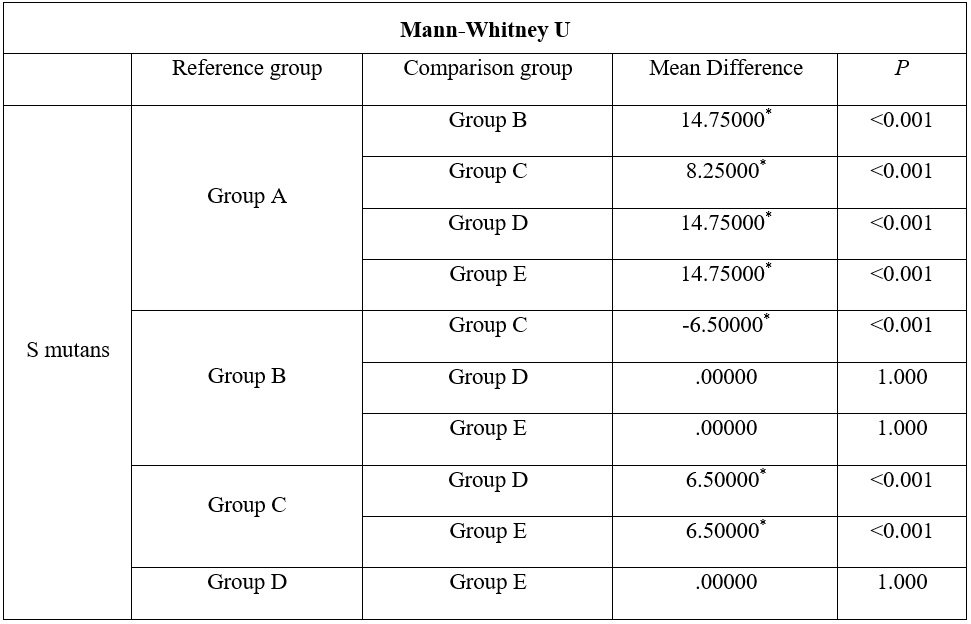
Table 6. Pairwise comparison of antimicrobial efficacy against Streptococcus mutans using Mann-Whitney U test

Graph 2. Demonstrates the comparison of mean CFU counts among all groups.
DISCUSSION
Infection control is a critical component of dental practice, as contaminated impressions can act as a source of cross-infection between the clinic and laboratory.3 Therefore, effective disinfection of dental impressions is essential.
Chemical disinfectants, particularly 2% glutaraldehyde, have been widely used due to their broad-spectrum antimicrobial activity.9 Bustos J et al.10 (2010) demonstrated complete elimination of microbial growth without affecting the dimensional stability of impression materials. Similarly, Sonkresriya S et al.11 (2024) and Kotwal M et al.12 (2021) reported effective disinfection with preservation of surface detail and accuracy. Andonissamy L et al.13 (2019) and Anitha T et al.14 (2023) also confirmed the high antimicrobial efficacy of glutaraldehyde, although concerns regarding toxicity and occupational hazards were highlighted. The findings of the present study are consistent with these reports, confirming its strong antimicrobial action.
Despite its effectiveness, glutaraldehyde has limitations such as irritation, toxicity, and environmental concerns, which have led to the search for safer alternatives.15
Among natural agents, lemon (Citrus limon) has been widely studied for its antimicrobial properties. Al-Khafagy MT et al.16 (2010) reported that lemon juice effectively inhibited Streptococcus and Staphylococcus species on impression materials. Similarly, Al-Ani WN et al.6 (2010) demonstrated significant antibacterial activity of citrus extracts, while Bissa S et al.17 (2022) and Katuromunda M et al.18 (2024) confirmed its effectiveness against oral pathogens. The present study showed comparable results, with lemon extract demonstrating complete inhibition of bacterial growth.
Ginger (Zingiber officinale) also exhibited antimicrobial activity in the present study, although comparatively less than lemon. Patel RV et al.19 (2011) and Giriraju A et al.20 (2013) reported inhibitory effects of ginger against Streptococcus mutans and other oral microorganisms. Azizi A et al.21 (2015) and Hasan S et al.22 (2015) further demonstrated its ability to reduce bacterial growth and biofilm formation. These findings are consistent with the moderate antimicrobial activity observed in this study.
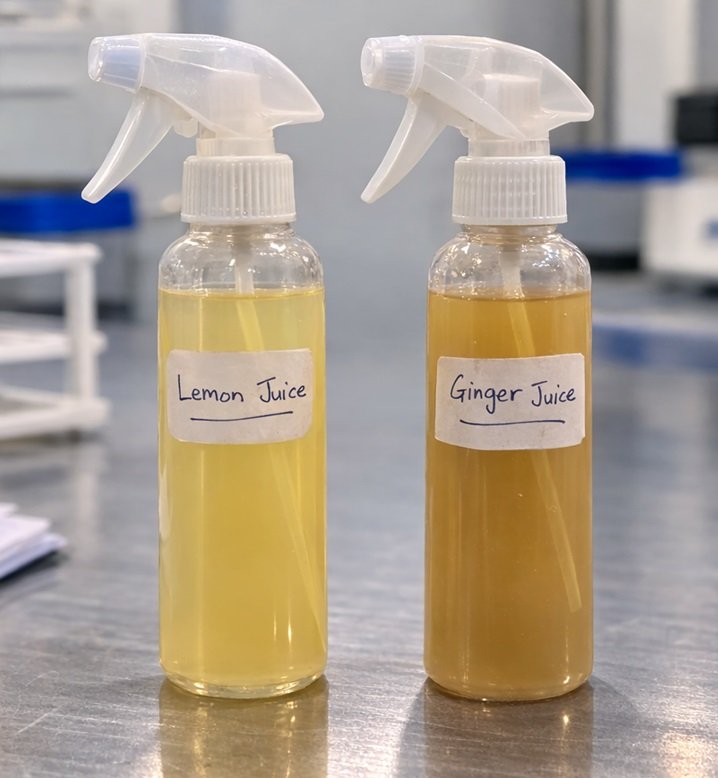
FIGURE 1: Lemon and ginger juice in amber colour reagent bottles
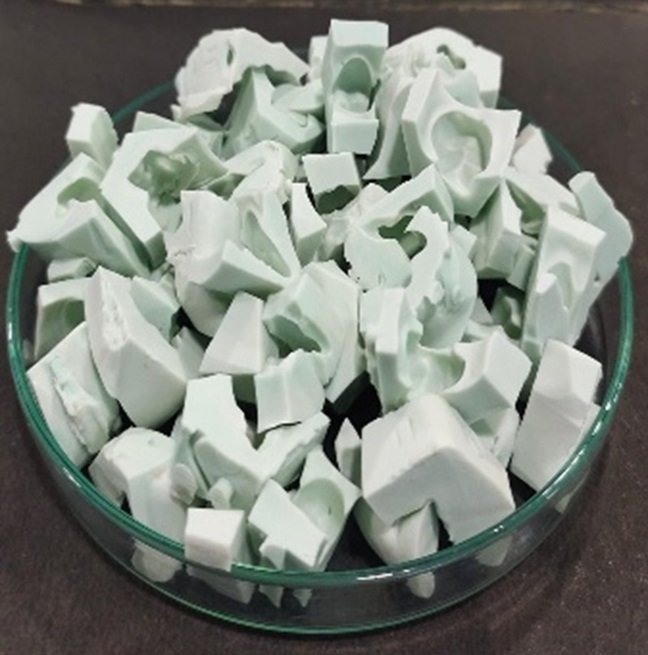
FIGURE 2: Sectioned pieces of Sample
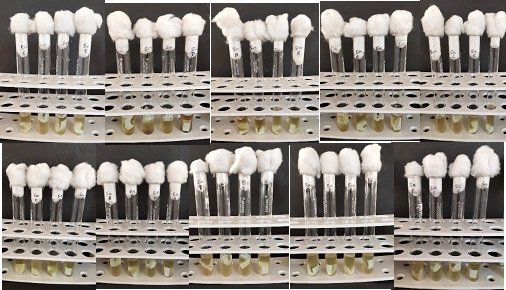
FIGURE 3: Dentulous impression Sample with respective microbe

FIGURE 4: Incubation of the dentulous impressions in respective solutions for 5 minutes.
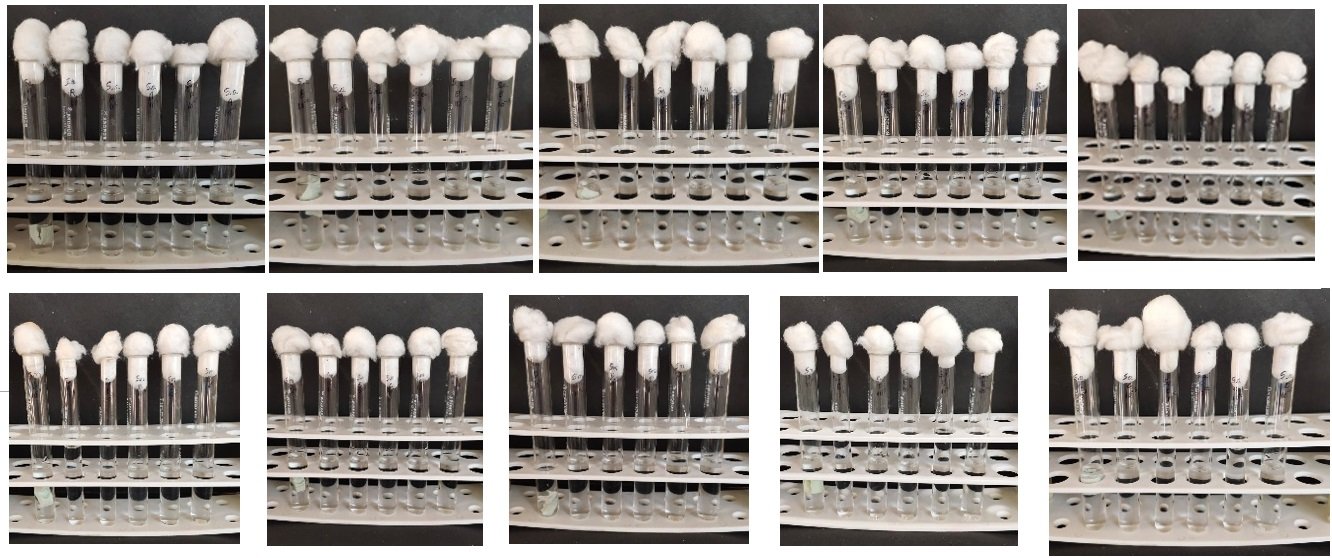
FIGURE 5: Serial Dilution of the sample after incubating it in respective solution.
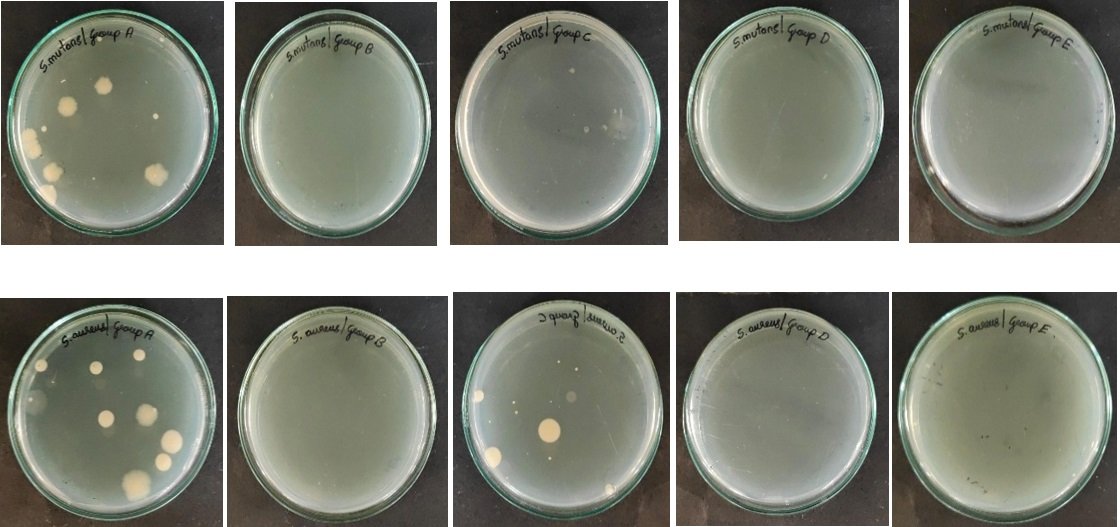
FIGURE 6: Cfu counting of the plates
The combination of lemon and ginger demonstrated enhanced antimicrobial efficacy comparable to 2% glutaraldehyde. This may be attributed to a synergistic effect between the two agents.23 Mathai K et al.24 (2017) and Paul MK et al.25 (2022) reported that combinations of herbal extracts produce greater antimicrobial activity than individual agents, supporting the findings of the present study.
Herbal disinfectants offer advantages such as biocompatibility, low toxicity, and environmental safety.26 Aghazadeh M et al.7 (2016) and Al-Khafagy MT et al.16 (2010) emphasized the antimicrobial potential of herbal agents, suggesting their use as alternatives to conventional disinfectants.
In the present study, 2% glutaraldehyde, lemon extract, and the combination of lemon and ginger showed the highest antimicrobial efficacy, while ginger alone showed comparatively lower but significant activity.
However, this study has certain limitations. Being an in vitro study, it may not fully replicate clinical conditions, and only selected microorganisms were evaluated. Further in vivo studies and clinical trials are required to validate these findings.
CONCLUSION
Within the limitations of this in vitro study, the control group showed the highest bacterial growth, confirming that rinsing with water alone is insufficient for effective disinfection.
Ginger extract showed moderate antimicrobial activity, while lemon extract and the combination of lemon and ginger demonstrated complete inhibition of bacterial growth.
2% glutaraldehyde also showed complete antimicrobial efficacy; however, lemon and the combination formulation demonstrated comparable results.
Thus, lemon and lemon–ginger formulations may serve as safe, economical, and biocompatible alternatives for disinfecting elastomeric dental impressions. Further clinical studies are required.
REFERENCES
- Singh I, Singh K, Sethi N. Digital impression in dentistry-a comprehensive review. Asian Pac J Health Sci 2022;9(2):133-38.
- Pãtroi D, Gheorghe GF, Nicolae CL, Losif L. Considerations in conventional impression techniques in contemporary fixed prosthodontics. Acta Sci Med Sci 2025; 9(5):03-11.
- Hardan L, Bourgi R, Cuevas-Suárez CE, Lukomska-Szymanska M, Cornejo-Ríos E, Tosco V et al. Disinfection procedures and their effect on the microorganism colonization of dental impression materials: a systematic review and meta-analysis of in vitro studies. Bioengineering (Basel) 2022;9(3):123.
- Kohn WG, Collins AS, Cleveland JL, Harte JA, Eklund KJ, Malvitz DM. Centers for disease control and prevention (cdc). guidelines for infection control in dental health-care settings. MMWR Recomm Rep 2003;52(17):1-61.
- McDonnell G, Russell AD. Antiseptics and disinfectants: activity, action, and resistance. Clin Microbiol Rev 1999;12(1):147.
- Al-Ani WN, Al Haliem SM, Tawfik NO. Evaluation of the antibacterial activity of citrus juices: an in vitro study. Rafidain Dent J 2010;10(2):376-82.
- Aghazadeh M, Bialvaei AZ, Kabiri F, Saliani N, Yousefi M, Eslami H et al. Survey of the antibiofilm and antimicrobial effects of Zingiber officinale (in vitro study). Jundishapur J Microbiol 2016 7;9(2):e30167.
- Parham S, Kharazi AZ, Bakhsheshi-Rad HR, Nur H, Ismail AF, Sharif S et al. Antioxidant, antimicrobial and antiviral properties of herbal materials. Antioxidants 2020;9(12):1-49.
- Rutala WA, Weber DJ. Guideline for disinfection and sterilization in healthcare facilities. Healthcare infection control practices advisory committee (hicpac) 2008;500:p10-12.
- Bustos J, Herrera R, González U, Martinez A, Catalan A. Effect of immersion disinfection with 0.5% sodium hypochlorite and 2% glutaraldehyde on alginate and silicone: microbiology and SEM study. Int J Odontostomatol 2010;4(2):169-77.
- Sonkesriya S, Gaur G, Maheshwari A, Ashahiya AK, Aulakh SK, Kumar A et al. Comparative evaluation of disinfection protocols for dental impressions in prosthodontics. Cureus 2024;16(7):e65535.
- Kotwal M, Singh VP, Mushtaq H, Ahmed R, Rai G, Kumar A. Disinfection of impression materials with glutaraldehyde, ultraviolet radiation, and autoclave: a comparative study. J Pharm Bioallied Sci 2021;13(1):289-92.
- Andonissamy L, Karthigeyan S, Ali SA, Felix JW. Effect of chemical denture disinfectants and tree extracts on biofilm-forming staphylococcus aureus and viridans streptococcus species isolated from complete denture. J Contemp Dent Pract 2019;20(11):1307-14.
- Anitha T, Sanketh AK, Kalavathy N, Shetty MM, Kumar PR, Venkataramani A. A comparative evaluation of antimicrobial property of traditional and three alternative disinfectants on irreversible hydrocolloid impressions: An in vitro study. J Indian Prosthodont Soc 2023;23(3):294-300.
- Takigawa T, Endo Y. Effects of glutaraldehyde exposure on human health. J Occup Health. 2006;48(2):75-87.
- Al-khafagy MT, Al-Yasiri IK, Al-Quriani NT. Disinfection of silicon impression materials by using different natural solutions (in vivo study). Kufa Med J 2010;13(1S):45-51.
- Bissa S, Bohra S. Screening of antimicrobial properties of Citrus limon L against some pathogenic bacteria impacting immunity booster. Bull Environ Pharmacol Life Sci 2022;11(2):85–89.
- Katuromunda M, Ssekatawa K, Niwagaba S. A preliminary evaluation of the antibacterial activity of lemon fruit juice, mondia whitei ethanolic extract, and their combination against streptococcus mutans. Infect Drug Resist 2024;17:4291-99.
- Patel RV, Thaker VT, Patel VK. Antimicrobial activity of ginger and honey on isolates of extracted carious teeth during orthodontic treatment. Asian Pac J Trop Biomed 2011;1(1):58-61.
- Giriraju A, Yunus GY. Assessment of antimicrobial potential of 10% ginger extract against Streptococcus mutans, Candida albicans, and Enterococcus faecalis: An in vitro study. Indian J Dent Res 2013;24(4):p 397-400.
- Azizi A, Aghayan S, Zaker S, Shakeri M, Entezari N, Lawaf S. In Vitro Effect of Zingiber officinale extract on growth of streptococcus mutans and streptococcus sanguinis. Int J Dent 2015;489842.
- Hasan S, Danishuddin M, Khan AU. Inhibitory effect of zingiber officinale towards streptococcus mutans virulence and caries development: in vitro and in vivo studies. BMC Microbiol 2015;15(1):1.
- Hemaiswarya S, Kruthiventi AK, Doble M. Synergism between natural products and antibiotics against infectious diseases. Phytomedicine. 2008;15(8):639-52.
- Mathai K, Anand S, Aravind A, Dinatius P, Krishnan AV, Mathai M. Antimicrobial effect of ginger, garlic, honey, and lemon extracts on streptococcus mutans. J Contemp Dent Pract 2017;18(11):1004-8.
- Paul MK, Gopinathan S. Microbiological analysis of used kitchen sponges from selected areas of the ernakulum district of kerala. Asian J Biol Life Sci 2022;11(1):93-99.
- Pandey AK, Kumar P, Singh P, Tripathi NN, Bajpai VK. Essential oils: Sources of antimicrobials and food preservatives. Front Microbiol 2017;7:2161.
Disclaimer from Guident
The views and opinions expressed in articles published in Guident are solely those of the authors and do not necessarily reflect the views of the editors, the editorial board or the publisher, Ivory India. Guident does not endorse any product, technique or treatment described. Clinical content is intended for qualified dental and medical professionals and is not a substitute for individual clinical judgement. Guident, its editors and the publisher accept no liability for any consequence arising from the use of information published in the journal.
How to cite this article
Dr. Chilakala Ravallika, Dr. Sanjaya Gouda B Patil, Dr. Shivamurthy Shadakshari. Comparative Evaluation of Anti-Microbial Efficacy of Prepared Herbal Solution of Lemon and Ginger and 2PERCENT Glutaraldehyde on Elastomeric Impressions: An in Vitro Study. Guident. 2026 Aug;19(9). Available from: https://guident.in/articles/research/comparative-evaluation-of-anti-microbial-efficacy-of-prepared-herbal-solution-of-lemon-and-ginger-and.html


