Restoring Smiles Conservatively: Maryland Bridge
Department of Prosthodontics and Crown & Bridge, I.T.S Dental College, Ghaziabad, UP, India
INTRODUCTION
The loss of anterior teeth, especially in younger individuals, not only compromises oral function but also affects psychological well-being. Replacing missing mandibular incisors requires careful consideration, with treatment choices including implants, removable partial dentures (RPDs), and fixed prostheses. Although dental implants are often preferred for their durability and aesthetics, factors such as bone availability, systemic health, financial limitations, and patient preferences can affect their suitability.1
RPDs may serve as a temporary option to restore appearance, but their extended use may lead to alveolar bone resorption and loss of interdental papillae.1 Fixed partial dentures, while effective, typically necessitate significant tooth preparation of abutment teeth, which poses risks such as pulp exposure and hypersensitivity in young adults.2 A more conservative alternative, particularly in cases where preservation of dental and soft tissue structures is critical, is the use of resin-bonded fixed dental prostheses (RBFPDs) like the Maryland bridge.3,4
The Maryland bridge is characterized by a metal or ceramic pontic supported by thin wings bonded to the lingual or palatal surfaces of adjacent teeth. Its retention relies on a combination of bonds: enamel-to-resin, internal resin cohesion, and resin-to-framework adherence.5,6 This technique offers a less invasive and aesthetically favorable solution, particularly beneficial for younger patients who may not yet be candidates for implants.7,8
CASES REPORTS
CASE -1
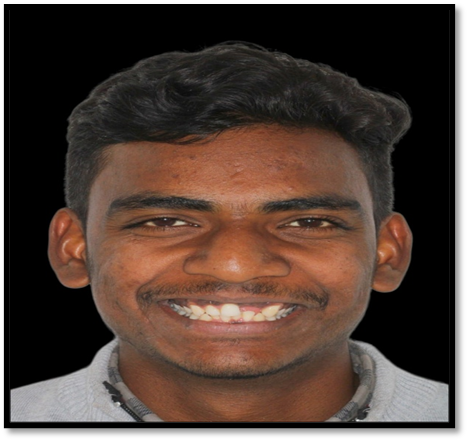
A 23-year-old female student presented to the Department of Prosthodontics with the chief complaint of missing upper anterior tooth and dissatisfaction with the resulting aesthetics. Clinical and radiographic examination revealed congenitally missing maxillary left lateral incisor with the patient otherwise exhibiting excellent overall oral health.
He had been undergoing orthodontic treatment for the past two years to address crowding in the lower arch and had been wearing a prosthetic replacement for the missing lateral incisors, which was stabilized using his orthodontic appliances. Upon completion of his orthodontic treatment, the patient expressed a strong desire for a durable and aesthetically pleasing replacement for the missing teeth.
Cephalometric radiographs indicated that the patient had not yet reached full skeletal maturity, making him unsuitable for dental implant placement at this stage. After discussing various interim options, the patient opted for a Maryland Bridge as a temporary solution. His psychological assessment revealed a stable emotional state and realistic expectations regarding the treatment outcome.
A Maryland bridge was fabricated in the second quadrant using a complete digital workflow. Conservative tooth preparation was performed on the lingual surfaces of teeth 21 and 23. An intraoral scan was taken, and the STL file was sent to the laboratory, where a digital mock-up was designed (Figure 1) and the final prosthesis was fabricated accordingly (Figure 2).
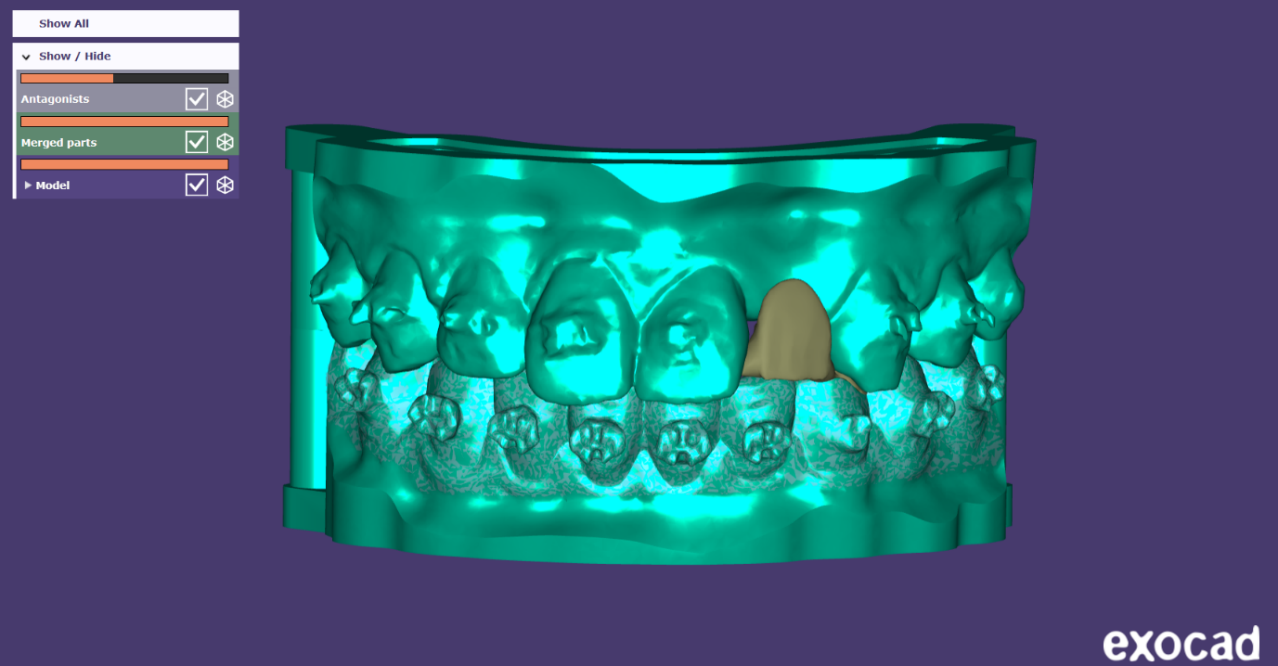
Figure - 1
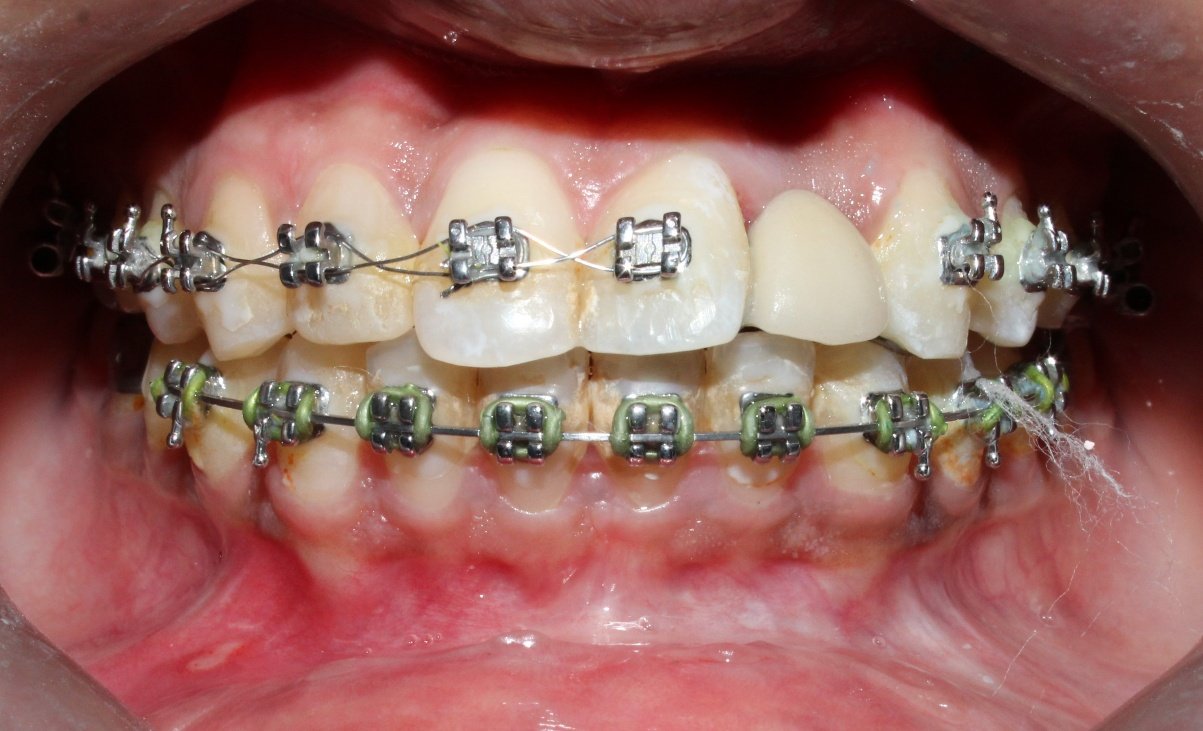
Figure - 2
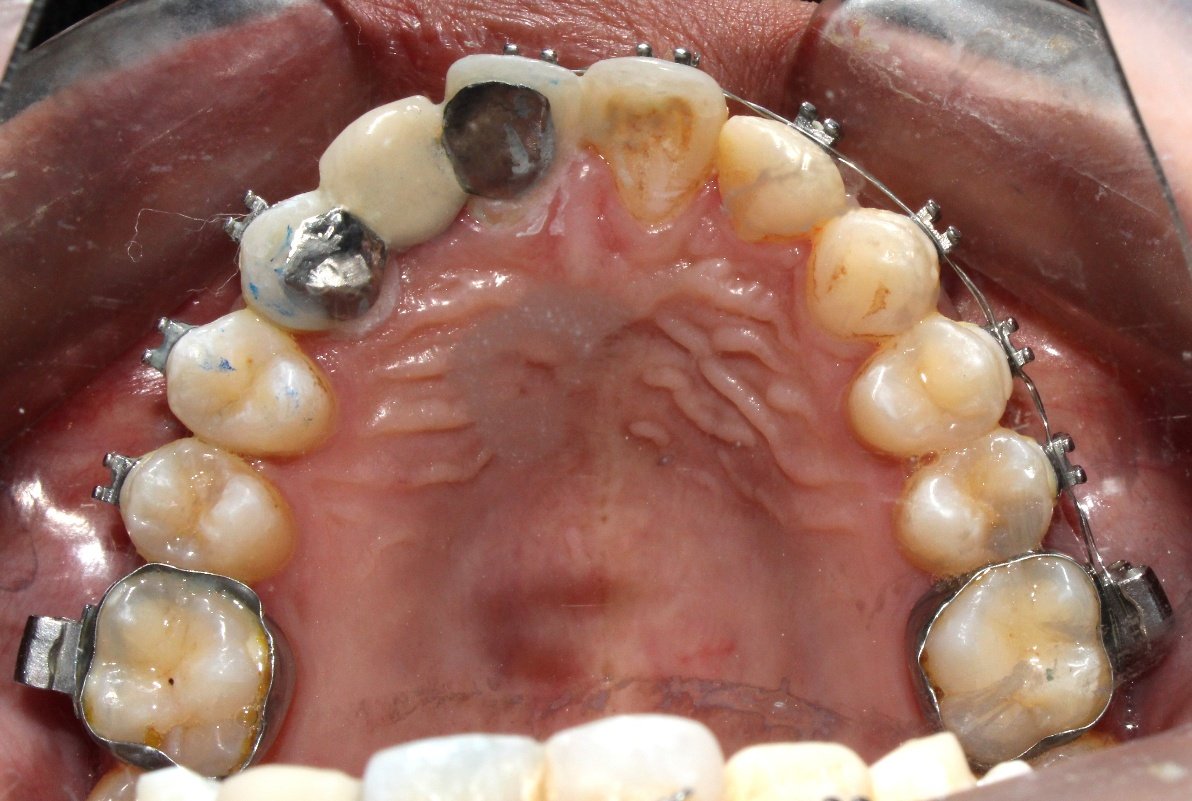
Figure - 3
CASE – 2
A 21-year-old female student reported to the Department of Prosthodontics with a chief complaint of a missing upper anterior tooth and dissatisfaction with the associated aesthetic appearance. Clinical and radiographic evaluation revealed a congenitally missing maxillary left and right lateral incisors.
She had completed four years of orthodontic treatment to correct upper arch crowding and had been using a provisional prosthesis for the missing lateral incisors during this period. As she had not reached full skeletal maturity, implant placement was deferred. After considering interim treatment options, the patient chose a Maryland Bridge as a temporary, aesthetic solution. Her psychological profile was stable, and her expectations were realistic.
A Maryland bridge was fabricated in the second quadrant using a fully digital workflow. Minimal tooth preparation was done on the lingual surfaces of teeth 22 and 23 (Figure 4). Intraoral scanning was completed, and the STL file was sent to the lab, where a digital mock-up (Figure 5) and final prosthesis were fabricated (Figure 6).
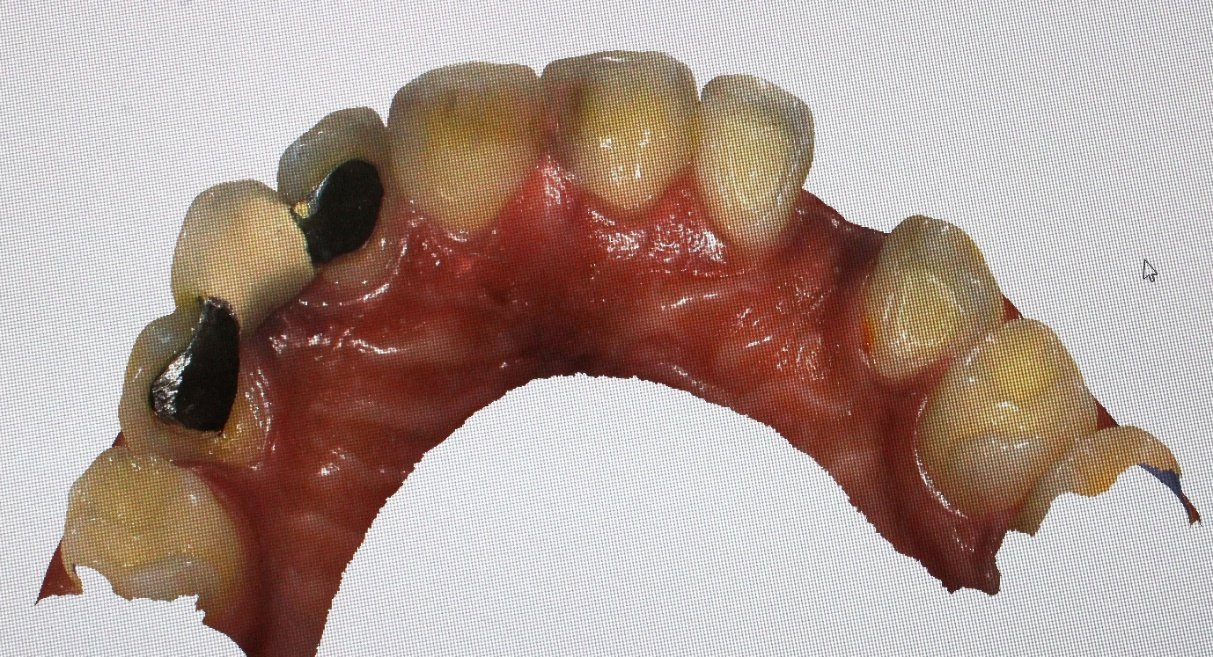
Figure - 4

Figure - 5
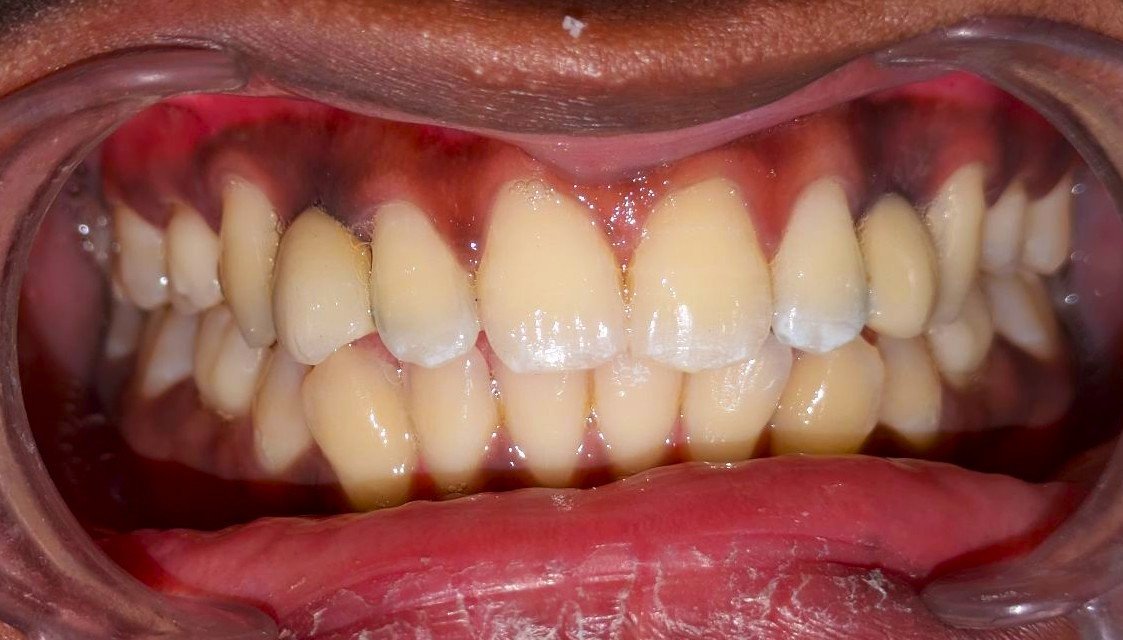
Figure - 6
CASE – 3
A 19-year-old female patient reported with the chief complaint of missing upper lateral incisors. The patient had a history of congenitally missing maxillary lateral incisors (right and left) and had been undergoing orthodontic treatment for the past two years. She had already undergone implant placement in relation to 22. Her medical and surgical history was non-contributory (NRH), with no reported drug allergies. She maintained good oral hygiene, had no deleterious habits, and demonstrated a philosophical mental attitude. The edentulous ridge was high and well-rounded in shape, providing a favourable foundation for prosthetic replacement. The clinical examination revealed that teeth 11 and 13 were healthy, with no signs of mobility, rotation, caries, or super-eruption, and each had a single root.
Several prosthetic options were discussed with the patient, including implant-supported PFM crowns, fixed partial zirconia bridge involving 11, 12, and 13, removable partial denture wrt 12, and a resin-bonded fixed partial denture (Maryland bridge). After evaluating all options, the patient opted for the resin-bonded fixed partial denture (Maryland bridge), citing its minimal tooth preparation and cost-effectiveness. In the first quadrant, a Maryland bridge was fabricated using a digital workflow. Tooth preparation of 0.5 mm was carried out on the lingual surfaces of teeth 11 and 13 (Figure 7). Intraoral scanning was performed using an intraoral scanner, and the STL file was sent to the laboratory for further processing. A digital mock-up was created in the laboratory (Figure 8), and the final prosthesis was fabricated accordingly (Figure 9).
In the second quadrant, a Maryland bridge was fabricated using a conventional technique. Tooth preparation of 0.5 mm was done on the lingual surfaces of teeth 21 and 23. An addition silicone impression was taken and poured using Type IV gypsum. The working cast was then sent to the laboratory for the next steps. A metal framework was fabricated for try-in (Figure 11), which was evaluated intraorally, and the final prosthesis was fabricated based on the try-in results (Figure 12).
This choice aligned with her clinical condition and personal preferences, offering a conservative and aesthetic solution for replacing the missing lateral incisor in the anterior maxilla.
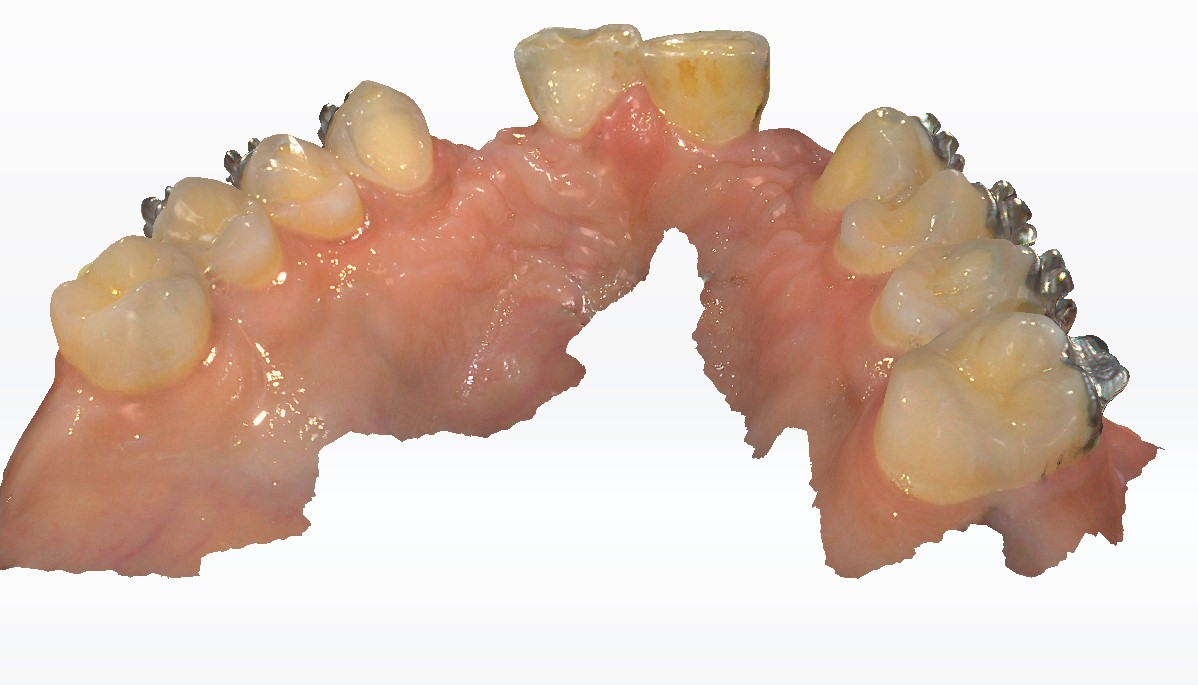
Figure - 7
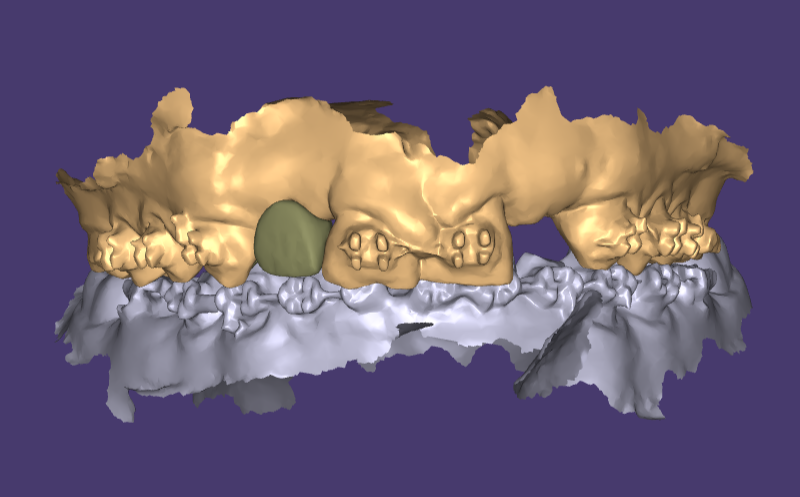
Figure - 8
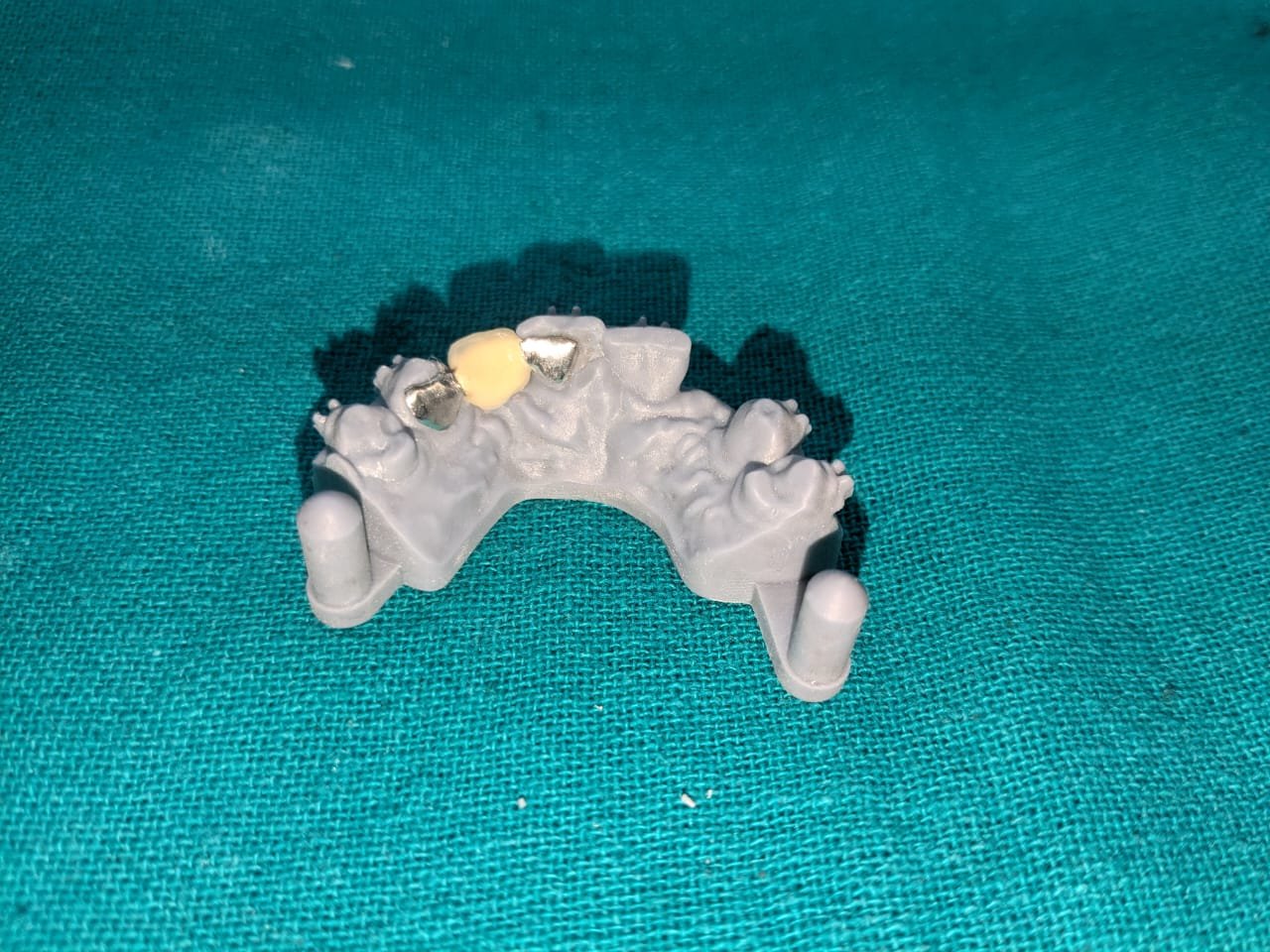
Figure - 9
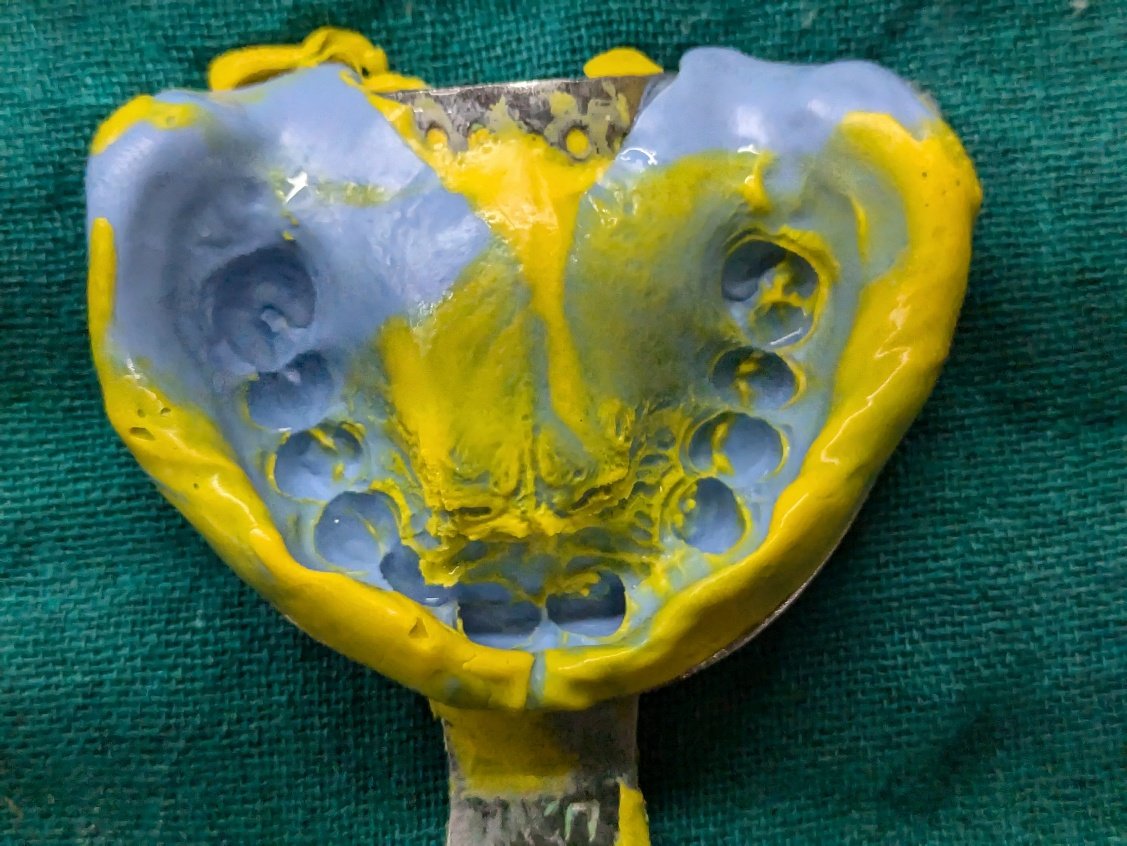
Figure - 10
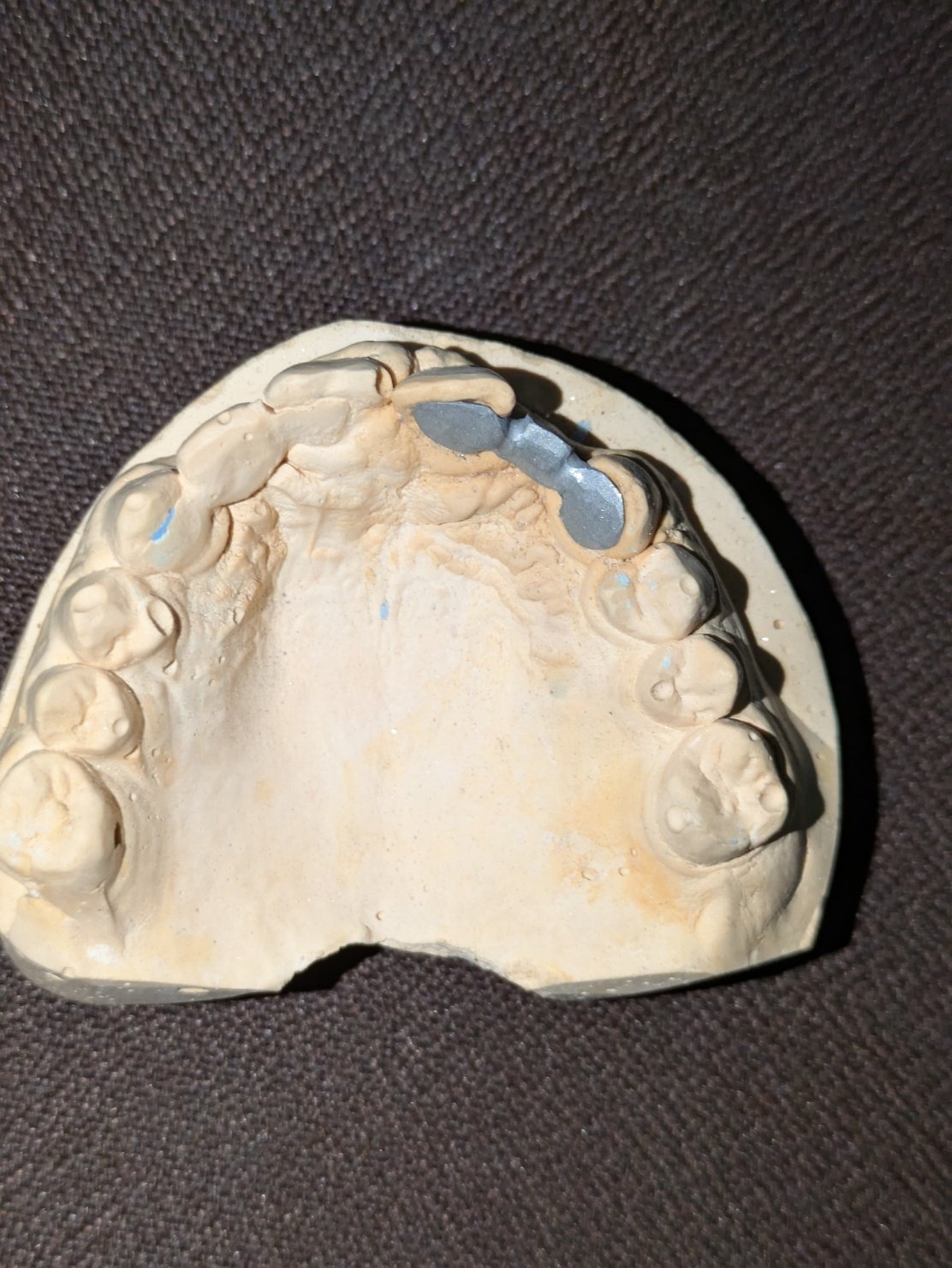
Figure - 11

Figure - 12
CASE -4
A 27-year-old female, reported to the department of prosthodontics with the chief complaint of mobility in the lower anterior tooth following trauma from biting a hard fruit two months prior. Medical and surgical histories were non-contributory, and oral hygiene was fair. Clinical (figure 13) and radiographic examination (figure 14) revealed an over-retained deciduous lower right central incisor, with mesiodistal space insufficient for conventional implant placement. Basal implant placement, fixed partial denture, removable partial denture, and resin-bonded fixed partial denture were discussed as treatment options. Considering her preference for a minimally invasive and cost-effective approach, a Maryland bridge was planned for the prosthetic rehabilitation of the edentulous space. The case was executed using a fully digital workflow, including intraoral scanning (figure 15), 3D printed casts, and fabrication of the prosthesis via Direct Metal Laser Sintering (DMLS) technology for precise fit and enhanced accuracy (figure 16-18).

Figure - 13
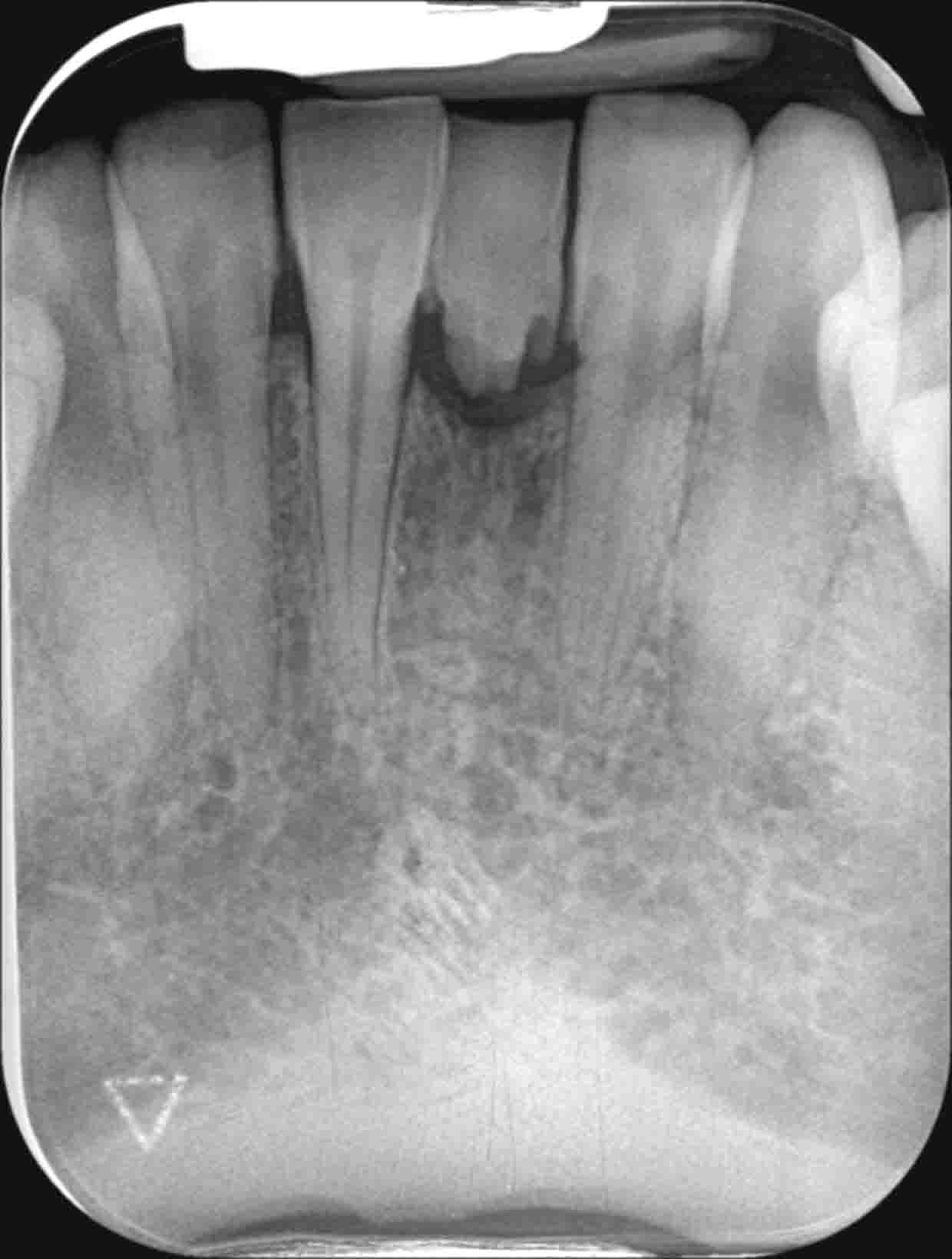
Figure - 14
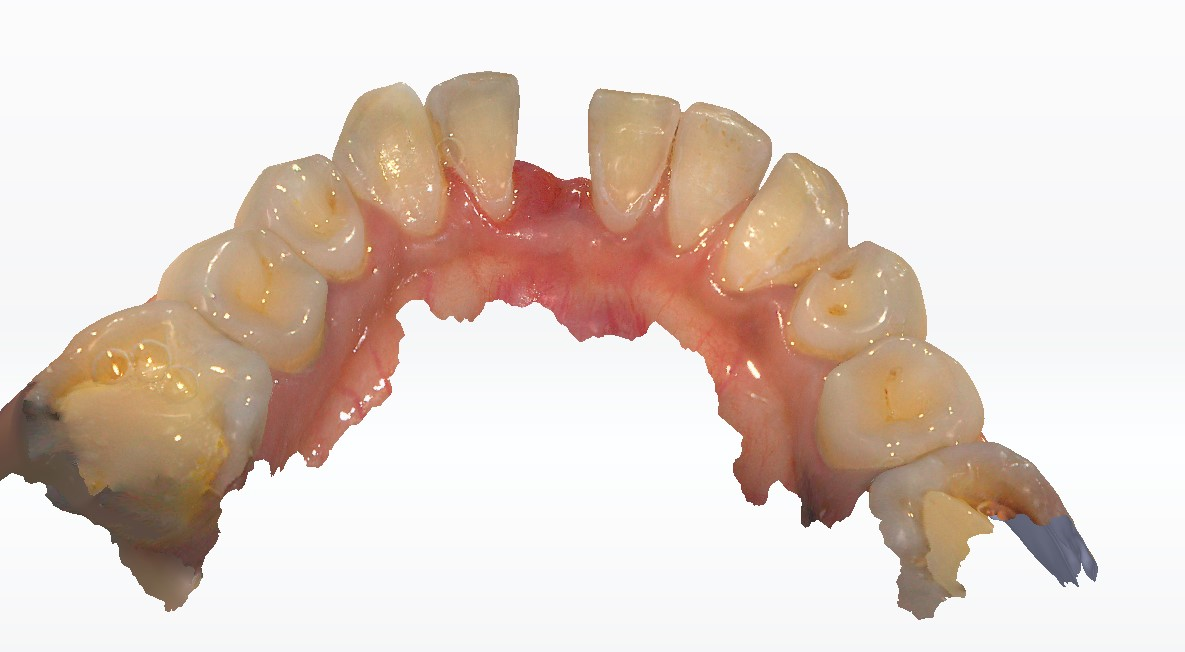
Figure - 15
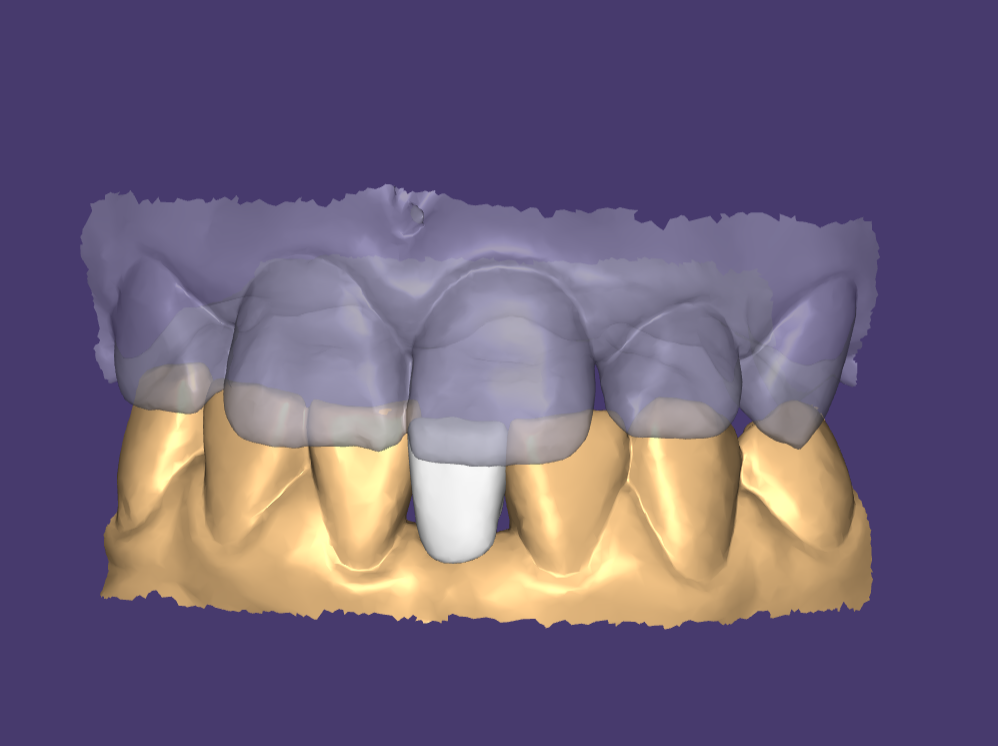
Figure - 16
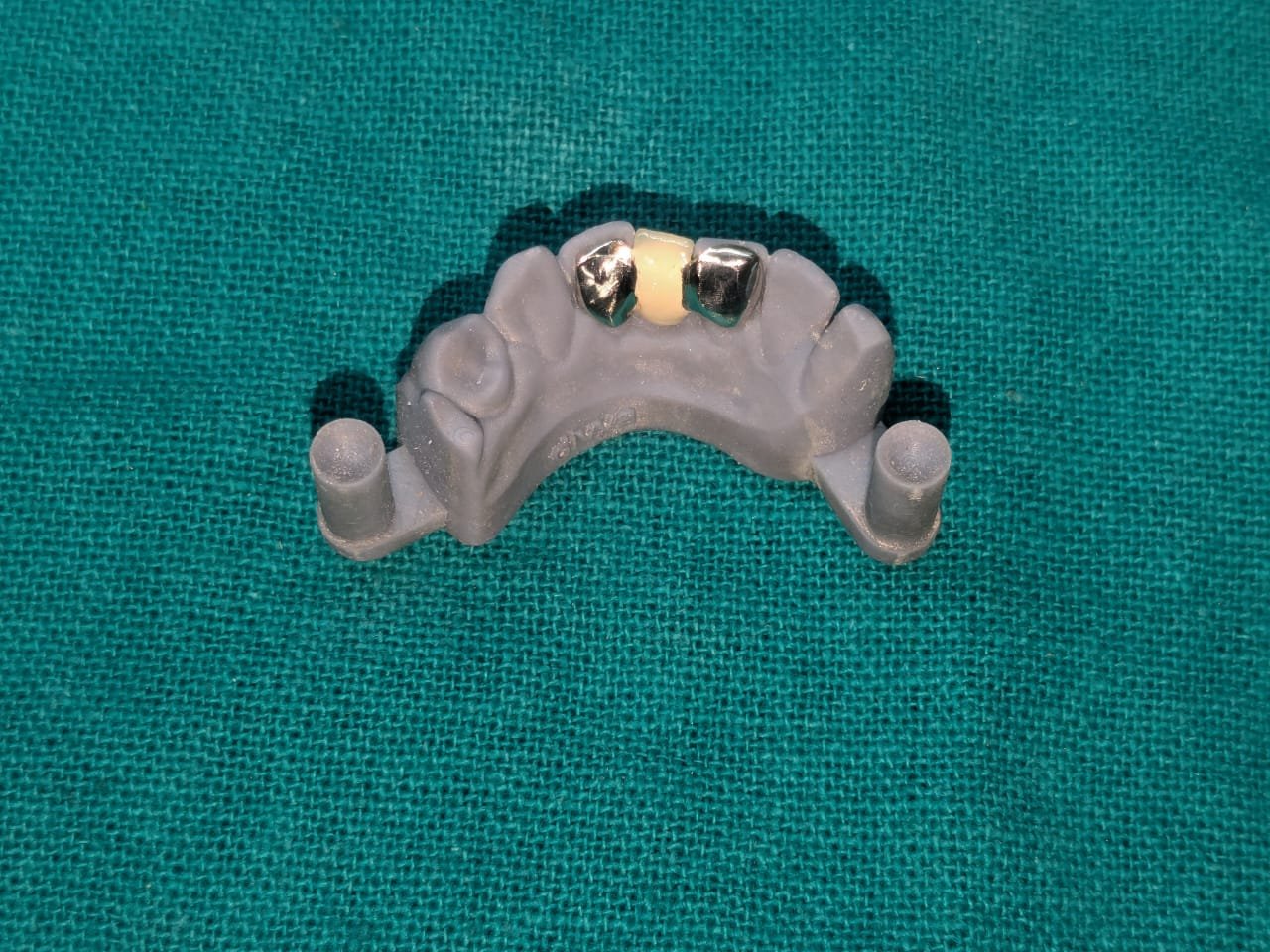
Figure - 17

Figure - 18
DISCUSSION
The restoration of missing anterior teeth in young patients remains a clinical challenge, particularly when preserving esthetics and minimizing invasiveness. Among the available options, the Maryland bridge has gained popularity as a conservative approach due to its minimal tooth preparation and favorable esthetic outcomes. This fixed prosthesis, bonded to the lingual surfaces of the abutment teeth, offers a balance between function and preservation of tooth structure, especially in cases where implant therapy is contraindicated or delayed due to growth considerations or financial constraints.9
Clinical success of resin-bonded fixed partial dentures (RBFPDs) such as the Maryland bridge has significantly improved with advancements in adhesive technology and metal surface treatments. Studies indicate that survival rates can be enhanced when proper case selection and meticulous technique are followed, particularly in the anterior region where forces are comparatively lower.10 In the current case, the use of a Maryland bridge allowed for a minimally invasive yet functionally and esthetically satisfactory solution.
Recent technological advancements have further augmented the precision and efficiency of such prostheses. The integration of digital impressions into the workflow has demonstrated increased accuracy and patient comfort while eliminating some of the challenges associated with conventional techniques, such as material distortion and gag reflex.11 Digital scanning enables better marginal adaptation and fit of the prosthesis, which are critical for the longevity of the restoration.
Moreover, Direct Metal Laser Sintering (DMLS) has emerged as a reliable method for fabricating metal frameworks in prosthodontics. The DMLS technique allows for the production of highly accurate, complex geometries that match digital designs with minimal manual intervention. This digital workflow facilitates consistency in quality and provides a superior fit of the prosthesis compared to conventional casting methods.12 The combination of DMLS-fabricated Maryland bridges with digital impressions may thus represent a modern, efficient, and patient-friendly solution for single anterior tooth replacement.
Taken together, the clinical outcomes and technological innovations support the use of Maryland bridges, especially in cases where conservative management is preferred. The integration of digital impressions and DMLS further enhances precision and efficiency, making this approach a viable alternative to conventional and implant-based prosthodontics in selected patients.
CONCLUSION
This case series emphasizes the clinical utility of Maryland Bridges as a conservative and esthetic fixed prosthodontic option. The technique offers significant advantages, including minimal tooth preparation, preservation of tooth structure, and acceptable esthetic outcomes. Consistent success across cases in this series highlights the importance of: Appropriate case selection, Precise enamel preparation, and Proper prosthesis design and bonding technique. Maryland Bridges remain a valuable treatment modality in modern prosthodontics, particularly when a minimally invasive, reversible approach is preferred. With careful planning and execution, they can provide functionally stable and esthetically pleasing outcomes in suitable clinical situations.
REFERENCES
- Gupta R, Gupta KK. Weber Dental Implants. In: StatPearls. Treasure Island (FL): StatPearls Publishing; 2022.
- Negi P, Jaikaria A. Rehabilitation of Patient with Missing Anterior Tooth with Maryland Bridge: A Case Report. Int J Res Rev 2020;7(6):13.
- Ahmad M, Naim H, Meshni A, Siddiq A. A conservative approach to replace missing teeth in the aesthetic zone with Maryland bridge - A case report. Dent Oral Craniofac Res 2017;3(4):131.
- Qiu HY, Wu SY, Fu L. Clinical performance of cantilevered resin-bonded fixed partial dentures for single tooth replacement in elderly patients. J Int Med Res. 2020;48(10):16.
- Livaditis GJ. Cast metal resin-bonded retainers for posterior teeth. J Am Dent Assoc 1980;101(6):926-9.
- Holt LR, Drake B. The procera Maryland Bridge: A case report. J Esthet Restor Dent 2008;20(3):165-71.
- Livaditis GJ, Thompson VP. Etched castings: An improved retentive mechanism for resin-bonded retainers. J Prosthet Dent 1982;47(1):52-8.
- Kravitz ND. The Maryland bridge retainer: A modification of a Maryland bridge. Am J Orthod Dentofacial Orthop 2020;157(1):128-31.
- Kinzer GA, Kokich VO. Managing congenitally missing lateral incisors. Part II: Tooth-supported restorations. J Esthet Restor Dent 2005;17(2):76–84.
- Dureja I, Madan N, Mohan M, Dhingra S, Dhingra S. Clinical evaluation of resin-bonded bridges: a systematic review. J Conserv Dent 2018;21(1):5–12.
- Sari T, Bilgin MS, Arici S, Duran I, Kesercioglu A. Comparative evaluation of marginal fit of all-ceramic crowns fabricated with conventional and digital impressions. J Esthet Restor Dent 2019;31(3):225–31.
- Shetty S, Mistry S, Bansal R, Shetty R. Clinical evaluation of DMLS crowns as an alternative to conventionally cast metal-ceramic crowns: A prospective study. J Indian Prosthodont Soc 2017;17(3):273–8.
Disclaimer from Guident
The views and opinions expressed in articles published in Guident are solely those of the authors and do not necessarily reflect the views of the editors, the editorial board or the publisher, Ivory India. Guident does not endorse any product, technique or treatment described. Clinical content is intended for qualified dental and medical professionals and is not a substitute for individual clinical judgement. Guident, its editors and the publisher accept no liability for any consequence arising from the use of information published in the journal.
How to cite this article
Dr. Harsha Bhansali, Dr. Kulkarni Vedant, Dr. Pankaj Datta. Restoring Smiles Conservatively: Maryland Bridge. Guident. 2025 Oct;18(11). Available from: https://guident.in/articles/prosthodontics/restoring-smiles-conservatively-maryland-bridge.html