Patient Expectations in the Aesthetic Implant Therapy - its Implications on the Overall Success
ASSOCIATE DENTIST AT GLOBAL HEALTH RESEARCH GROUP, NEW DELHI, CONSULTANT MAX HEALTHCARE, NEW DELHI
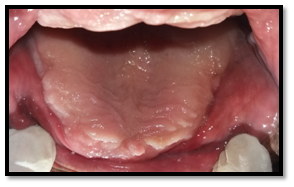
Oral implantology indeed is the fastest-growing science within dentistry; it offers safe, effective and predictable results for patients with complete or partial edentulism. It is paramount that dental implants offer a permanent long term functional and aesthetic rehabilitation to many clinical circumstances that did not find a solution prior to the daily implication of implant therapy. High success rates of treatment involving implant-supported prosthesis is based on different parameters, the most common of which is clinical. However results based on patient satisfaction is an integral aspect in determining treatment success.
Theory of dental implant and treatment success in oral rehabilitation are well documented in literature. Focus on the success and failure of dental implants is primarily from a biological standpoint, whereas patient satisfaction according to the treatment outcome holds equal significance. Patient’s perception of treatment has been recognized as important to assessment of healthcare quality for a number of decades. What a patient expects from their treatment is thought to have an impact on their satisfaction with the outcome.
Expectations from dental implants have been investigated in a diversity of approaches within the available literature. The major chunk of it concerns outcome expectations of improvements in function and aesthetic aspects of the treatment hence rendered. Unrealistic expectations are often found among patients which may lead to dissatisfaction with final outcome and thus this is empirical to be further developed theoretically and experimentally. In addition to resolving the relations between expectations and satisfaction.
To date research examining patient’s experience of missing teeth and dental implants has mostly relied upon quantitative measures to assess functional ability, quality of life and appearance.
PATIENT SATISFACTION AND TREATMENT OUTCOME
Patient’s satisfaction towards the aesthetic outcome of implant therapy is considered to be a corner stone of implant therapy. Because any successful implant therapy should primarily focus on the patient satisfaction from the overall treatment, as it constitutes the other side of the treatment plan. One of the principle criteria of appraisal is the level of patient's expectations. Patients with realistic expectations will be more easily satisfied than those with unrealistic expectations. Rittersma et a1.reported that 20% - 40% of patients who had undergone orthognathic surgery had not been sufficiently informed about the psychological risks (depression) and physical consequences (pain, dysesthesia) that arise post surgery . In cases where patients are duly informed and aware that immediately after the surgery they may experience personal inconvenience for a short time, the occurrence and discomfort would be easily overcome. More information is always better than less, when patients know the reason things are happening , even if it is bad news they adjust their expectations and react accordingly. However, women showed a higher degree of neurosis and a less favorable perception of their body image and it was also noticed that unmarried patients did not increase their social and recreational activities with their friends of the opposite sex after surgical correction of their facial deformities , in general , satisfaction is reduced if the patient feels that the aesthetic improvement obtained is less than his expectations.
An accurate appraisal of the patient's psychological profile at the time of treatment planning is mandatory. There must be no discrepancy between the patient's own perception of his body image and the aesthetic appraisal of the clinician. Solid communication between the patient and the clinician is certainly fundamental. It allows the patient to obtain complete information about the relationship between the cost of treatment, its benefits and risks. Good communication allows the clinician to identify any pre-existing psychological disorders; and whether the patient's motives for undergoing surgery are real, and whether the patient's expectations (realistic, unrealistic).
Patient satisfaction has to be evaluated towards the various types of implant-supported prostheses. A 3-year study for 61 implant patients that evaluated patient satisfaction towards implant therapy was conducted , it emphasized aesthetics, phonetics, comfort while eating, , and the overall satisfaction with the treatment, nearly most of the patients experienced their implant restorations as "natural" teeth and stated that they would undergo the treatment again or recommend it to others. However, another study assessed patients self reported satisfaction with maxillary anterior dental implant treatment in terms of implant position, restoration shape, overall appearance, effect on speech, and chewing capacity. Results were critical for patients' overall acceptance of the dental implant treatment.
Patient’s expectations are considered to be the first valuable information collected prior to clinical examination; many patients were disappointed at their clinicians due to their unrealistic expectations that were not fulfilled. Therefore patient’s expectations should be first detected and identified prior to the treatment commencement. The risk and possible treatment complications should be well addressed and explained to the patient prior to surgery not only for financial reasons but also for discomforts and assurance reasons , cause it has been found that patients tend to accept any post operative complications such as swelling , bruising etc, if they were previously notified .
Apprehensive and anxious patients should be dealt with carefully, mostly it has been concluded that most of the pre treatment apprehension is due to the faulty information that the patients gathered from other different sources.
Many factors might influence patient satisfaction with dental implants. These factors include age, gender, occupational status, and socioeconomic class; however the literature lacks valid studies of the relationship between satisfaction and personality profiles, and their impact on the success of this treatment modality.
In general fixed prostheses and removable over-dentures retained by dental implants do enhance patient satisfaction. However, determining the prosthodontic protocol that has a better impact on the quality of life and satisfaction is still considered to be a controversial issue. Satisfaction and quality of life assessments are among the most critical factors that govern such success, as most of the related studies showed that dental implants provided promising and predictable results regarding patient satisfaction and various aspects of life assessment
Any foreseen or unforeseen treatment complications should be also well addressed to the patient and plan for resolution than denial, it has been concluded that the vast majority of the people welcome and admire truthfulness and straight forward statements. Repetition of the answers and reassurance comes to a valuable psychological aid to patients. In case of uncontrolled treatment complications, consultation with another clinician can be a valuable aid, as the patient is usually reassured that everything possible is being done to solve the problem. Almost invariably the patient returns to his /her original clinician with more his/her confidence restored. If the request for a consultation comes from the patient, it should be welcomed as a way of obtaining needed help and showing sincere concern for the patient's welfare.
Disclaimer from Guident
The views and opinions expressed in articles published in Guident are solely those of the authors and do not necessarily reflect the views of the editors, the editorial board or the publisher, Ivory India. Guident does not endorse any product, technique or treatment described. Clinical content is intended for qualified dental and medical professionals and is not a substitute for individual clinical judgement. Guident, its editors and the publisher accept no liability for any consequence arising from the use of information published in the journal.
How to cite this article
Dr. Prerna Kaushik. Patient Expectations in the Aesthetic Implant Therapy - its Implications on the Overall Success. Guident. 2017 Nov;10(12). Available from: https://guident.in/articles/prosthodontics/patient-expectations-in-the-aesthetic-implant-therapy-its-implications-on-the-overall-success.html