Impact of Dental Implants on Adjacent Natural Teeth: A Review of Current Evidence
Department of Prosthodontics and Crown & Bridge, K.D. Dental College & Hospital, Mathura, UP, India
ABSTRACT
Dental implants have become a predictable and widely accepted treatment modality for replacing missing teeth. While implant survival rates are high, increasing attention has been directed toward their biological and mechanical influence on adjacent natural teeth. Complications such as dental caries, periodontal breakdown, tooth mobility, fractures, and endodontic pathologies have been reported in teeth neighboring implant restorations. The absence of a periodontal ligament, altered occlusal load distribution, loss of proximal contacts, and improper implant positioning are considered major contributing factors. This review aims to critically analyze existing literature on the impact of dental implants on adjacent natural teeth, identify associated risk factors, and highlight preventive clinical considerations.
Keywords: Dental implants; Adjacent teeth; Occlusal load; Proximal contact loss; Implant proximity; Tooth complications
INTRODUCTION
Dental implants are widely used for the replacement of missing teeth and demonstrate high long-term survival rates. Their increasing use in partially edentulous patients has shifted focus beyond implant success alone toward their biological and mechanical influence on adjacent natural teeth. Unlike natural teeth, implants lack a periodontal ligament and exhibit different biomechanical behavior under occlusal loading, which may influence neighboring teeth over time.1
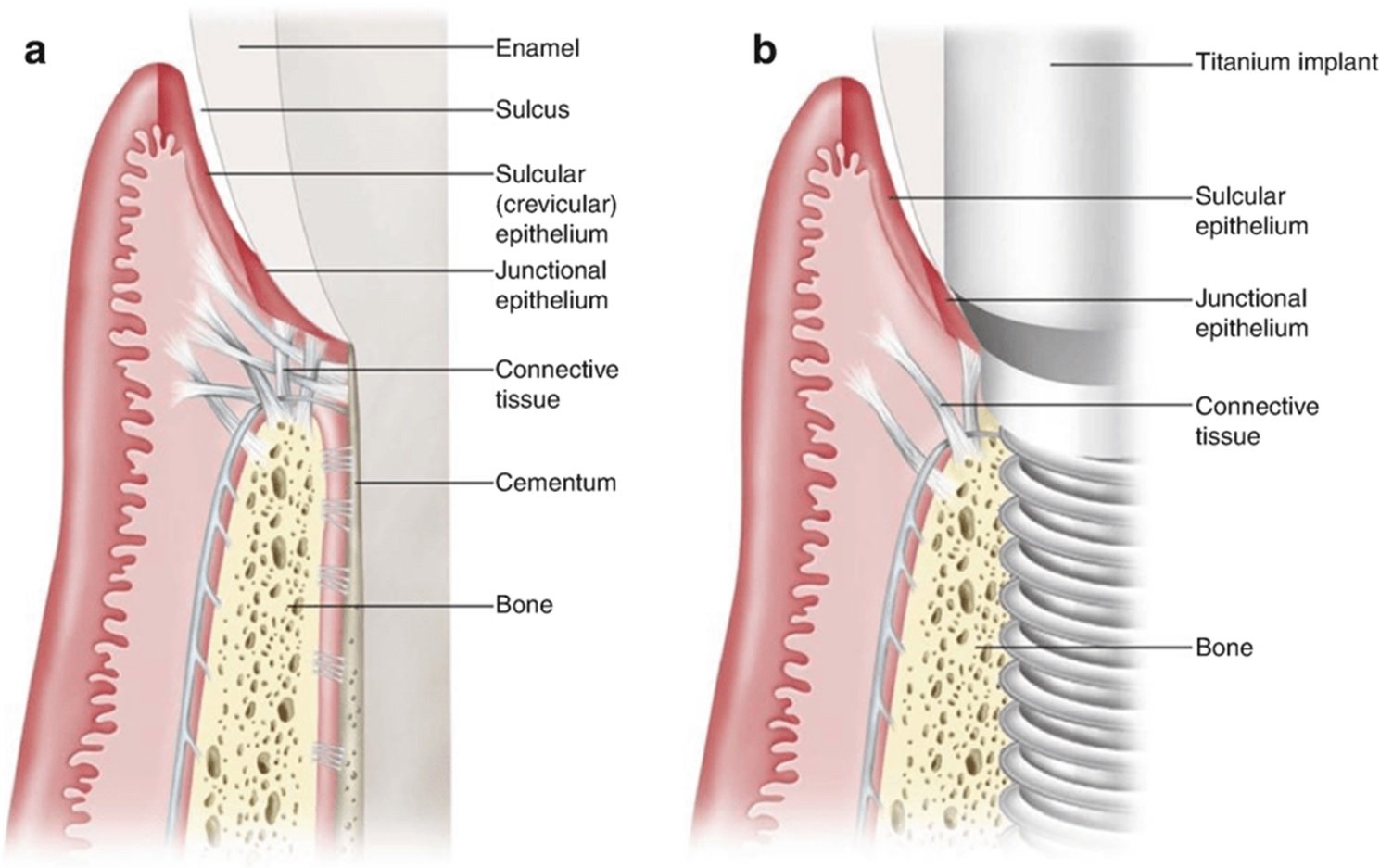
Figure 1: Implant-supported restoration positioned between adjacent natural teeth.
Although peri-implant diseases have been extensively investigated, the effect of implants on adjacent and antagonistic teeth remains insufficiently explored, with available studies reporting conflicting outcomes.3
BIOLOGICAL DIFFERENCES BETWEEN IMPLANTS AND NATURAL TEETH
Natural teeth are supported by the periodontal ligament, which allows physiologic mobility, shock absorption, and proprioception. In contrast, osseointegrated implants are rigidly anchored to bone and demonstrate minimal axial movement. This difference alters force transmission within the dental arch and may increase functional stress on adjacent teeth.2

Figure 2: Biomechanical differences between natural teeth and osseointegrated implants
Clinical studies have reported increased bone loss and vulnerability of natural teeth when implants act as antagonists, suggesting altered occlusal dynamics in implant-supported restorations.1
OCCLUSAL CONSIDERATIONS AND FORCE DISTRIBUTION
Implants respond differently to occlusal forces compared to natural teeth due to their rigid anchorage. Clinical evidence suggests that natural teeth opposing or adjacent to implant-supported restorations may experience increased stress, which can contribute to bone loss, mobility, or structural damage. Long-term follow-up studies have demonstrated that natural teeth acting as antagonists to implants may be more vulnerable than those opposing natural teeth.1
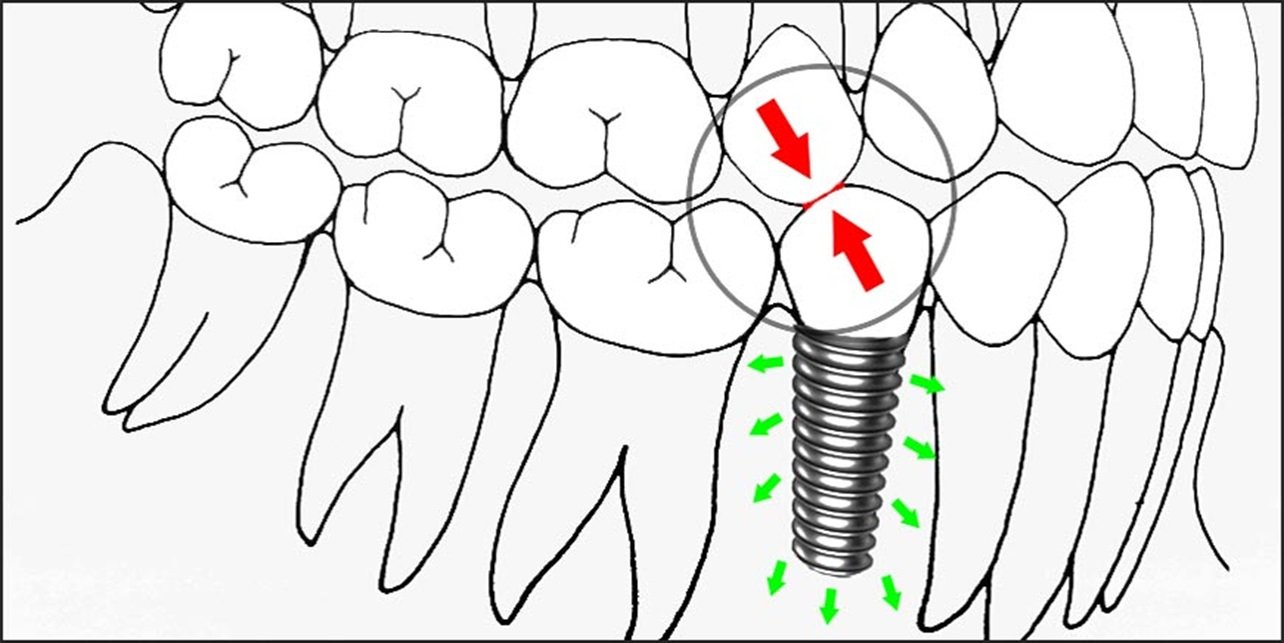
Figure 3: Altered occlusal force distribution around implant-supported restorations
DENTAL CARIES IN ADJACENT TEETH
Dental caries is the most commonly reported complication affecting teeth adjacent to implant restorations. Loss or weakening of proximal contacts between implant restorations and natural teeth leads to food impaction and plaque accumulation, increasing the risk of secondary caries.5
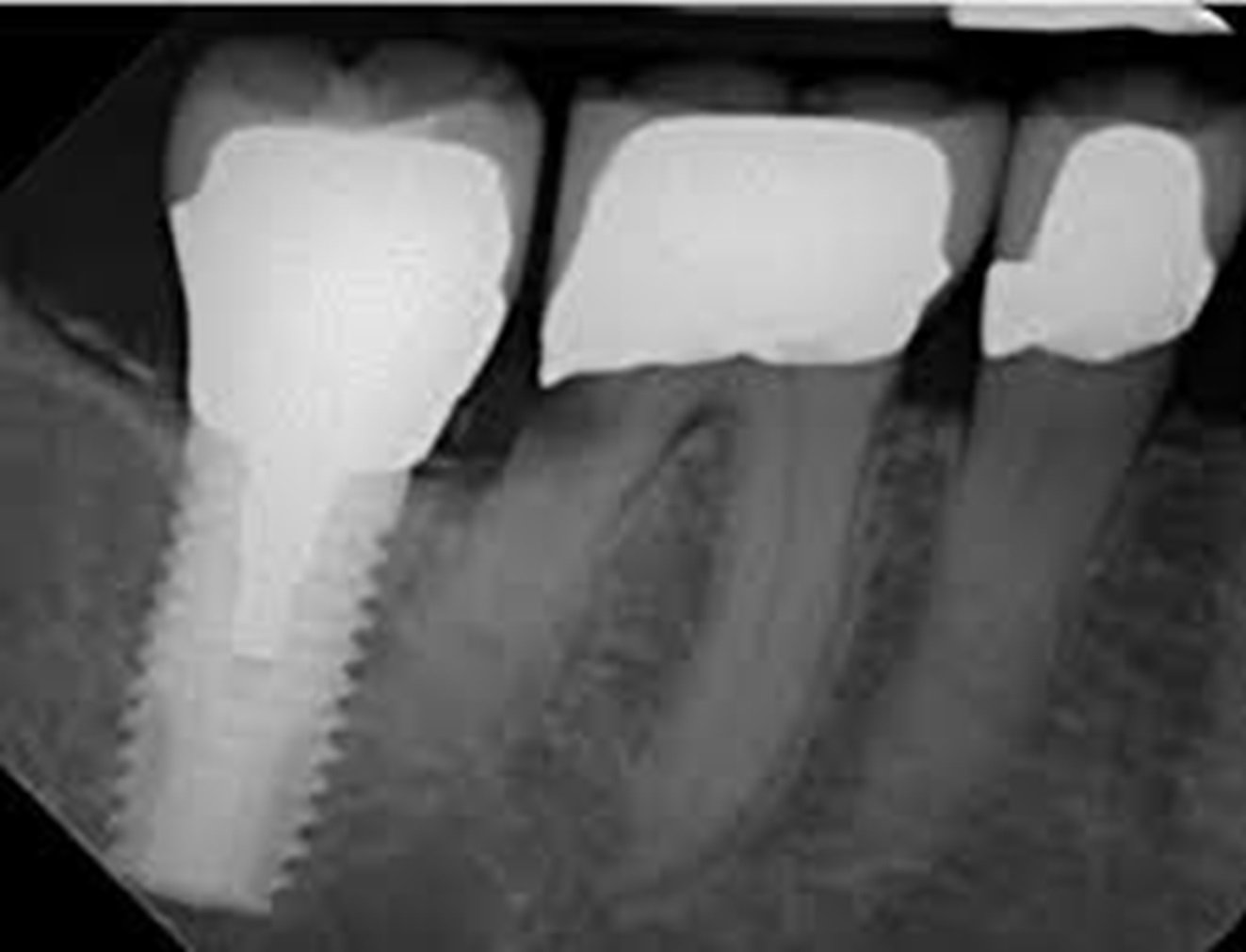
Figure 4: Secondary caries developing in a tooth adjacent to an implant-supported crown
Posterior implants, wider implant platforms, and increased number of implants have been associated with higher caries incidence in adjacent teeth, particularly in smokers.3
PERIODONTAL CHANGES AND TOOTH MOBILITY
Periodontal breakdown and tooth mobility adjacent to implants have been reported, especially in patients with pre-existing periodontal disease. Altered load distribution, plaque retention, and loss of proximal contacts contribute to these changes.1
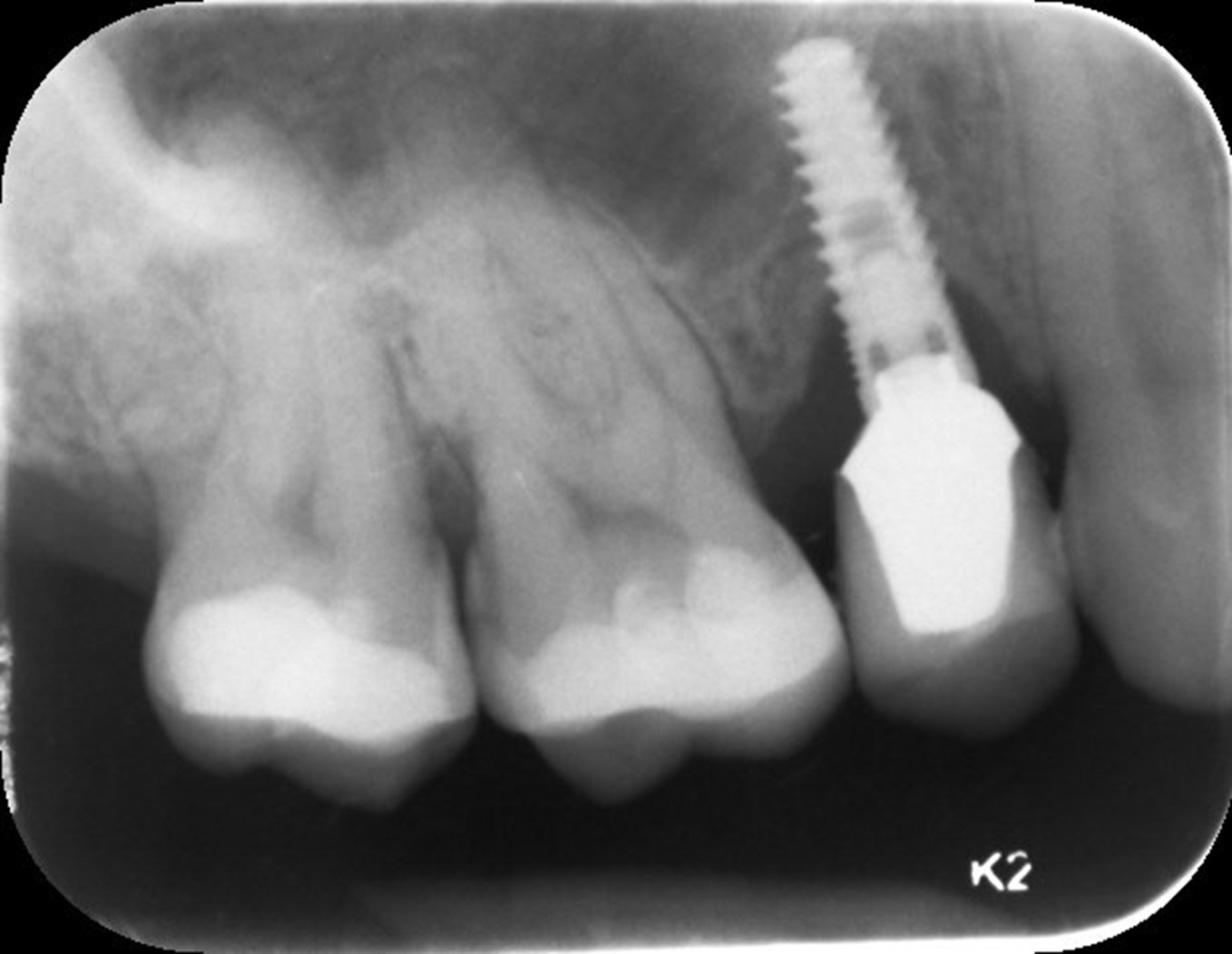
Figure 5: Periodontal changes observed in teeth adjacent to dental implants
Long-term follow-up studies demonstrate that lack of supportive periodontal therapy significantly increases the rate of prosthetic and periodontal treatment in adjacent teeth. Smoking, diabetes, and osteoporosis further elevate this risk.5
TOOTH CRACKS AND FRACTURES
Teeth adjacent to implants may be subjected to increased occlusal forces, particularly in posterior regions. This overload may result in enamel cracks, crown fractures, or vertical root fractures.3
Studies have identified osteoporosis, male gender, non-vital teeth, and increased implant number as significant risk factors for fracture-related complications in adjacent teeth.3
ENDODONTIC AND PERIAPICAL COMPLICATIONS
Implant placement in close proximity to natural tooth roots may cause pulpal injury due to thermal damage during osteotomy, disruption of blood supply, or direct root contact.6
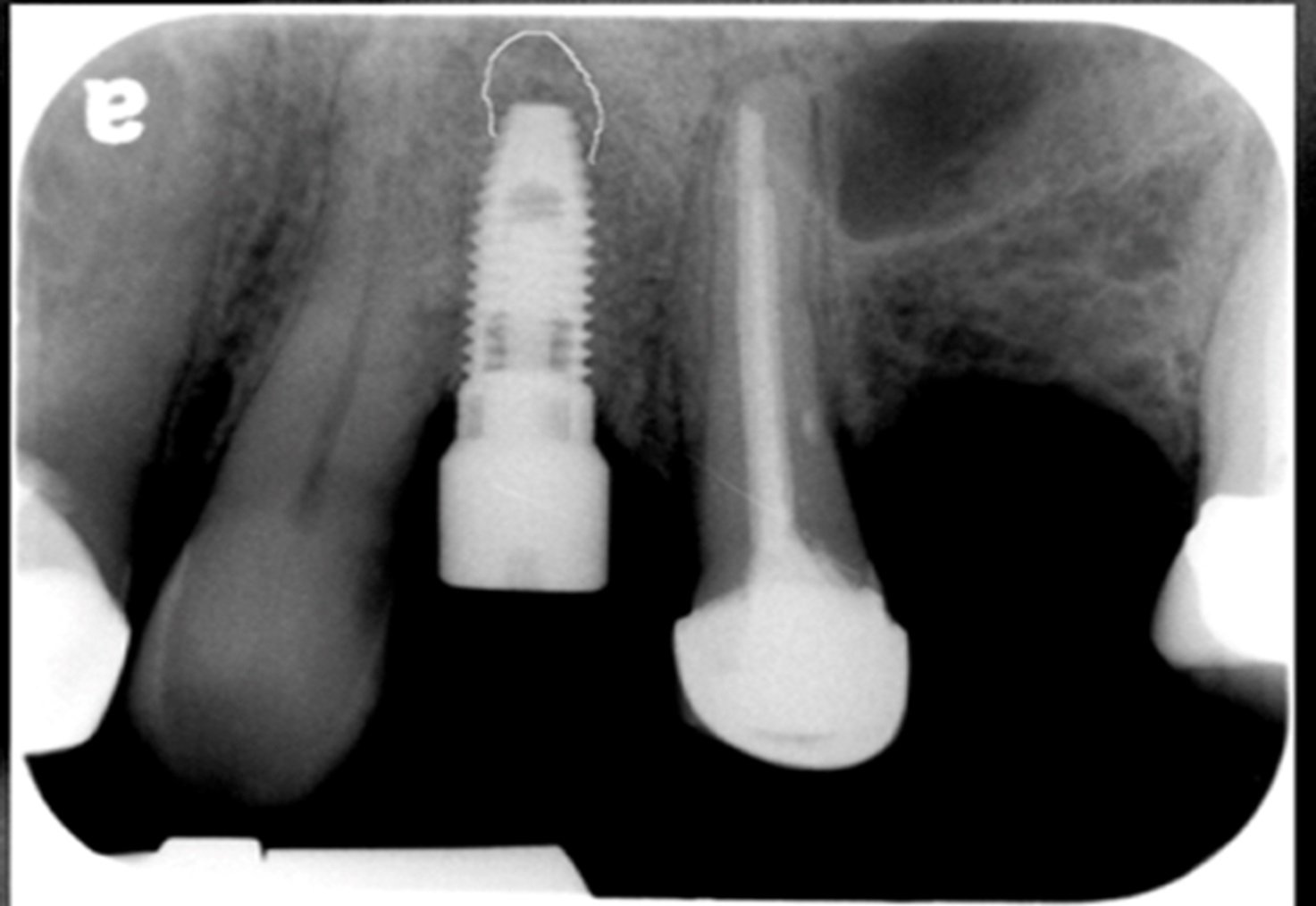
Figure 6: Periapical radiolucency in a natural tooth adjacent to an implant-supported restoration.
Systematic reviews report a higher incidence of periapical radiolucencies and increased need for endodontic treatment in teeth adjacent to implants placed within 1.5 mm, although implant survival remains high.6
IMPORTANCE OF IMPLANT POSITION AND PROXIMITY
Maintaining a minimum horizontal distance of 1.5 mm between an implant and adjacent natural tooth is critical for preserving interproximal bone and periodontal health.4
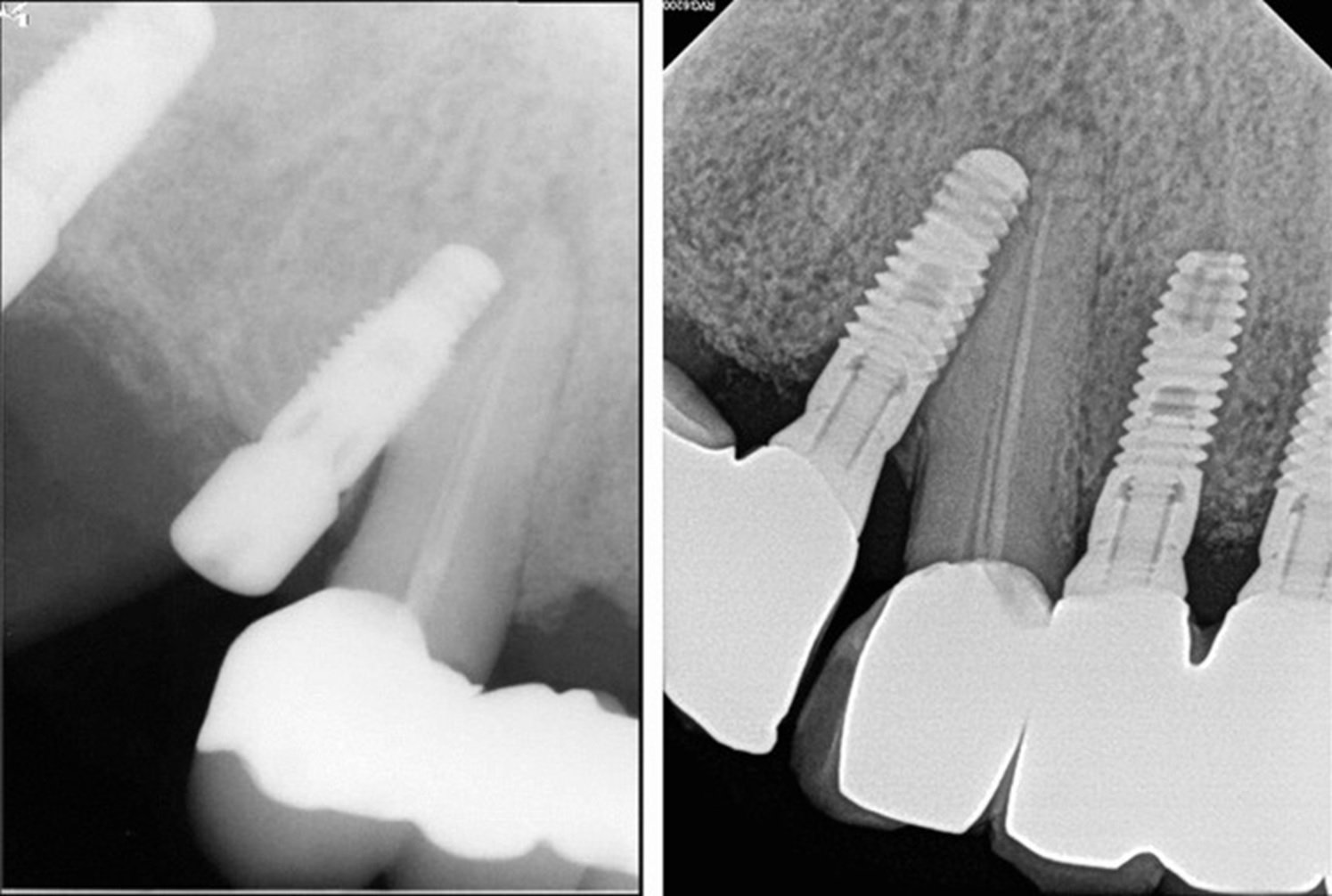
Figure 7: Implant placed in close proximity to adjacent natural tooth root
Malpositioned implants placed too close to adjacent teeth do not improve implant survival and instead increase the likelihood of adjacent tooth extraction or root canal treatment.4
PATIENT-RELATED AND IMPLANT-RELATED RISK FACTORS
Patient-related factors influencing adjacent tooth prognosis include smoking, systemic diseases, poor oral hygiene, and non-compliance with maintenance therapy. Implant-related factors include surface characteristics, restoration materials, prosthesis retention type, and occlusal design.2
Regular supportive periodontal therapy significantly reduces complications affecting adjacent natural teeth.1
CLINICAL IMPLICATIONS
Implant therapy should aim to preserve both implants and adjacent natural teeth. Prosthetically driven planning, adequate spacing, stable proximal contacts, controlled occlusion, and long-term maintenance are essential for minimizing complications.5
CONCLUSION
While dental implants offer predictable functional and esthetic outcomes, they may exert biological and mechanical effects on adjacent natural teeth. Evidence suggests increased risk of caries, periodontal breakdown, mobility, fractures, and endodontic complications, particularly when placement guidelines are violated or maintenance is inadequate. Careful planning and long-term follow-up are essential for comprehensive treatment success.1-7
From a clinical standpoint, these findings reinforce the need for a comprehensive treatment approach that prioritizes not only implant success but also preservation of adjacent natural teeth. Editorial reviews stress the importance of prosthetically driven planning, stable proximal contacts, controlled occlusal schemes, and long-term monitoring to minimize implant-related complications affecting neighboring teeth.7
REFERENCES
- Park SY, Kim YG, Suh JY, Lee DH, Lee JM. Long-term outcomes of adjacent and antagonistic teeth after implant restoration: A focus on patient-related factors. Journal of Periodontal & Implant Science. 2021;51(2):135–143.
- Kim HR, Kim YG, Suh JY, Lee JM. Analysis of factors affecting the long-term status of adjacent and antagonistic teeth in relation to dental implants. Oral Biology Research. 2022;46(1):29–35.
- Tagger-Green N, Fridenberg N, Segal S, Levartovsky S, Laviv A. Effect of posterior implant restorations on adjacent teeth and tissues: A case–control study. Clinical Implant Dentistry and Related Research. 2023;25:473–480.
- Fridenberg N, Tagger-Green N, Katz M, Levartovsky S. Assessment of complications in adjacent natural teeth compared to contralateral teeth in single posterior implant cases. Scientific Reports. 2025;15:2136.
- Joshi NV, Rao P, Talreja P, Shetty AR, Sachdev SS, Khan S. The clinical impact of dental implant placement in close proximity to natural teeth: A systematic review and meta-analysis. Cureus. 2025;17:e99077.
- Küçükkurt S, Moharamnejad N. Complications associated with malpositioned dental implants adjacent to natural teeth: A retrospective analysis.
- Mishra SK, Chowdhary R. Effect of dental implants on adjacent natural teeth: Current evidence and clinical considerations. Editorial Review. 2025.
Disclaimer from Guident
The views and opinions expressed in articles published in Guident are solely those of the authors and do not necessarily reflect the views of the editors, the editorial board or the publisher, Ivory India. Guident does not endorse any product, technique or treatment described. Clinical content is intended for qualified dental and medical professionals and is not a substitute for individual clinical judgement. Guident, its editors and the publisher accept no liability for any consequence arising from the use of information published in the journal.
How to cite this article
Dr. Rashmi Chahar, Dr. Shubham Chavhan, Dr. Lara Jain. Impact of Dental Implants on Adjacent Natural Teeth: A Review of Current Evidence. Guident. 2026 Jan;19(2). Available from: https://guident.in/articles/implantology/impact-of-dental-implants-on-adjacent-natural-teeth-a-review-of-current-evidence.html