Dental Implant Therapy in Medically Compromised Patients
Department of Prosthodontics, Crown, Bridge and Implantology, AME’s Dental College and Hospital, Raichur
ABSTRACT
As global aging society is coming, more and more people live with diverse diseases or conditions such as systemic disorders, renal system disorders, and psychiatric issues. Consecutively, when these patients are encountering tooth loss, we should keep in mind that these patients are usually with adverse conditions like bleeding disorders, bone metabolism disorders, and/or immunosuppressive medication. Furthermore, it is well-established that tooth loss caused by periodontitis and implant failure triggered by peri-implantitis have been largely reported in smokers and diabetic patients. Besides, special consideration should also be kept in mind when we treat patients with head and neck cancer. Although implant-supported restorations have been considered the most comfortable prosthesis and patients are often satisfied with the function, dentists must pay more attention when treating medically compromised patients because they may not have a good condition for osseointegration and soft tissue healing around implants.
KEY WORDS: AAR, Peri implant mucositis, CardioVascular Disease, Renal Disease, Osseointegration
INTRODUCTION
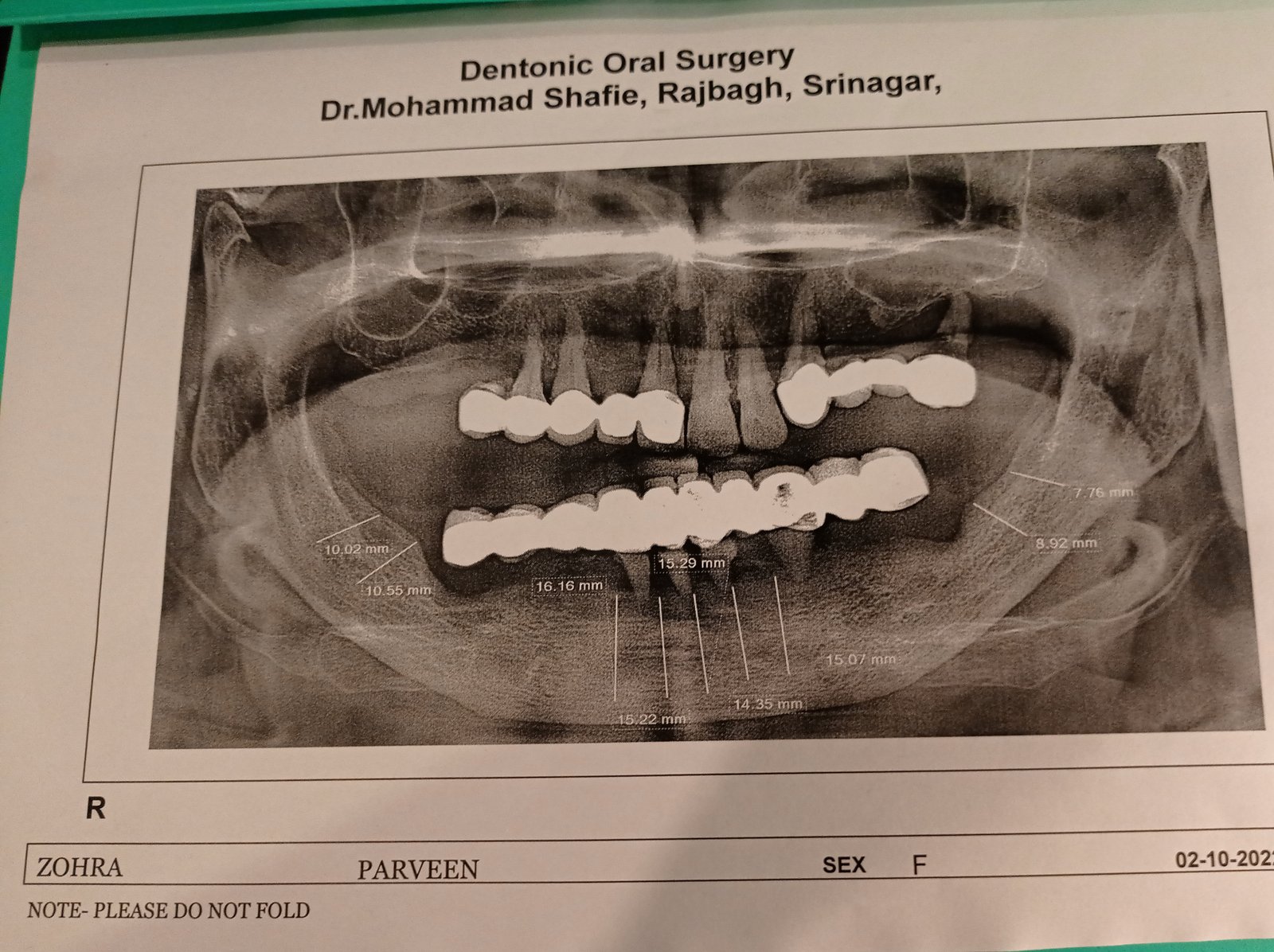
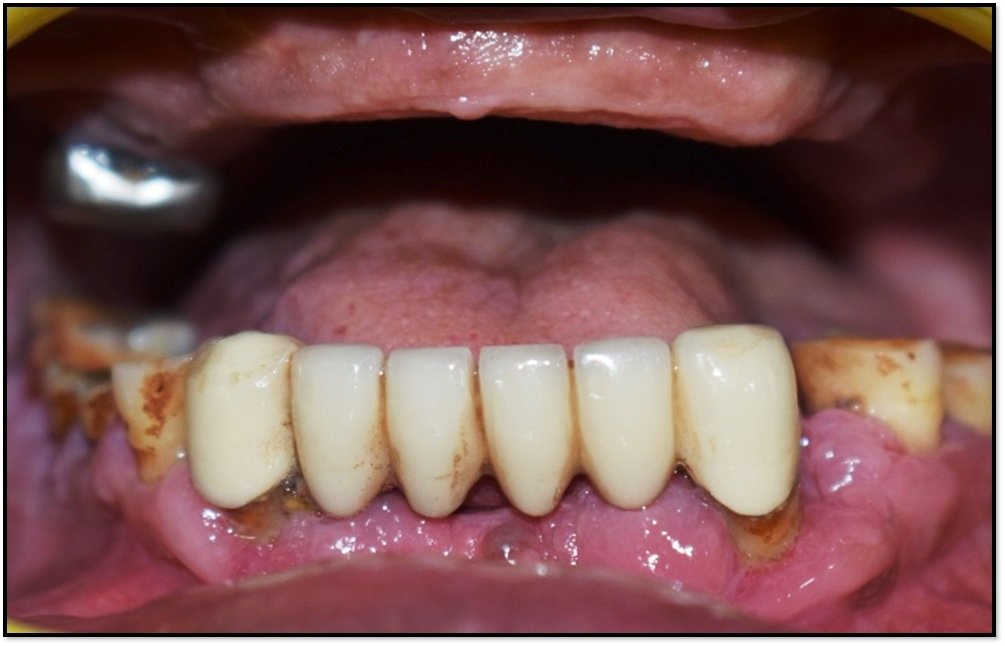
Dental implants have been regarded as a reliable therapy for replacing missing teeth. However, the clinical trials reporting dental implant survival and success rates often recruited patients with suitable inclusion criteria such as no systemic diseases and medication history which may affect tissue healing around implants. As we all know, 10-year implant survival in healthy patients is very satisfactory, but implant failure and peri-implantitis still cause the loss of implants early after they were placed or on a longer term . While in health-compromised subjects, is this therapy still predictable and will the risk of implant failure and related complications increase? That is our main concern, especially in today’s society. Implant treatment procedures include preoperative planning, surgery performing, restoration treatment, and post-maintenance. These three stages jointly guarantee the key factor of the success—osseointegration between surrounding bone tissue and endosseous implant surface.2
CARDIOVASCULAR DISEASE
Cardiovascular disease (CVD) is a series of conditions which implicate heart and/or blood vessels. Heart pumps blood, which provides oxygen and nutrients as well as takes the metabolic wastes away, through blood vessels. The damages to heart itself as well as blood vessels in other organs impact their original functions, which are mainly classified as heart diseases, myocardial diseases, and vascular diseases.1
PREOPERATIVE PERIOD
Before implant surgery, dentists must evaluate the general condition and oral situation of the patient very carefully. Consultation with the cardiologist is necessary to collect information including the overall severity of CVD, causes, clinical features, risk factors, previous surgical operations, previous and present medical treatments, drug excretion or metabolism, and the best time for implant surgery.1
CARDIOVASCULAR RISK ASSESSMENT
Electrocardiography (ECG) is commonly used as a routine method for cardiac risk classification. However, it is not versatile for myocardial ischemia patients, especially for those with infraction. Therefore, echocardiography is recommended to assess their cardiac function and structure.2
BLOOD TESTS
Blood tests should be performed to properly evaluate the patient. A complete blood count will determine the presence and severity of anemia because it can increase the risk for myocardial ischemia in patients with coronary heart disease. Patients with less than 50 × 109 /L platelets (normal range: 150–350 × 109 /L) represent a high risk of bleeding, and more than 450 × 109 /L, called thrombocytosis, are more likely of forming clot. International normalized ratio (INR) is used to measure the clotting tendency of blood, particularly for those patients treated with vitamin K antagonists, like warfarin. Based on the ESC/ESA guideline, INR ≤1.5 can prove that the surgery was performed safely.2
EVALUATION OF THE RESIDUAL BONE
To the best of our knowledge, there is no evidence of bone deficiency and/or defect in CVD patients. However, as the CVD patients are mostly elders, the residual bone volume and density could be compromised. Complicated flap design and alveolar bone augmentation surgery are not recommended because only the simple dental procedure with restricted wound size is graded as low risk of bleeding.2
ELIMINATING ORAL INFECTIONS
Patients with valvular heart disease are at greater risk for infective endocarditis. Also, chronic dental infection is associated with acute myocardial infarction. However, antibiotics and nonsteroidal anti-inflammatory drugs (NSAIDs) should be used in caution when managing oral/periodontal infections and inflammations, especially in the patients taking warfarin.3
ANTIBIOTIC PROPHYLAXIS
CVD patients are generally at high risk for infective endocarditis due to their impacted endothelial function and impaired blood vessels, especially in valve heart disease patients. AHA recommends that prophylactic antibiotics are used before invasive dental procedures for patients with high risks of infection.3
PLANNING FOR THE IMPLANT SURGERY
According to the guidelines by the America College of Cardiology/American Heart Association (ACC/AHA), the stability and timing of coronary heart disease are linked with the incidence of the major adverse cardiac event after noncardiac surgery and affect the perioperative morbidity and mortality. Therefore, implant surgery is suggested to be postponed at least 6 months in these patients depending on their general conditions. Multiple placements of implants (>3) within one surgery are not recommended because of the relatively high risk of bleeding and increasing stress of patients.5
PERIOPERATIVE PERIOD
MONITORING BLOOD PRESSURE
Hypertension may fluctuate visibly during the surgery because of stress, anxiety, and pain. Although patients may take antihypertensive medications, monitoring blood pressure is still necessary.
ORAL ANTISEPSIS
Patients are required to rinse with chlorhexidine 0.12–0.20% mouthwash for 3 min before surgery.4
OXYGEN
For patients with a history of angina or myocardial infarction, additional oxygen (4–6 L/min) supply via nasal cannula will help myocardium meet the extra requirements. Also, supplemental oxygen needs to be prepared for all ischemic heart disease patients.6
ANESTHESIA AND SEDATION
A safe dosage of local anesthesia is required to perform the surgery and continuous ECG monitoring is encouraged. For patients with cardiac arrhythmia, anesthesia should be performed in caution. Epinephrine as a vasopressor will result in a high risk for acute hypertensive episodes in patients medicated with nonselective beta-blockers, such as propranolol, pindolol, carvedilol, and labetalol. , in heart failure or atrial fibrillation patients, digoxin as the commonly prescribed medicine has some side effects related to arrhythmia.5
HEMOSTATIC MEASURES
A hemostatic plan should be made before the surgery for patients who are under antiplatelet and anticoagulants. Common local hemostatic measures, including mechanical compression, gauze-packing, sutures, and topical agents, are proved to be effective to control bleeding . Lockhart et al. suggest the use of electrocautery to control hemorrhage during invasive dental procedures.5
POSTOPERATIVE PERIOD
REGULAR ADVICE FOR PATIENTS
The dentist should give the patient thorough postoperative instructions. Smoking, mouth rinsing, and strenuous activities must be avoided in 24 h. A soft-food diet is recommended for the first 24 h. Following the dentist’s advice, the patient must take medications as directed. Antibacterial mouthwash (chlorhexidine 0.12% twice daily) is required for at least a week.5
ANTIBIOTIC TREATMENT
It is not clear whether postoperative infections and implant failure can be reduced with the use of antibiotics. Moreover, no consensus exists about the appropriate dosage regimen in implant dentistry.
ANALGESICS AND ANTI-INFLAMMATORY DRUGS
After implant surgery, especially for the first few days, it is often necessary to use analgesics to control pain. Paracetamol is reported safely in CVD patients. The use of NSAIDs is not recommended in patients taking clopidogrel and warfarin because the risk for gastrointestinal bleeding will increase 2–5 times.6
RESTORATION
TIMING FOR RESTORATION
The success of the dental implant depends on osseointegration. Currently, there is no relevant clinical research that indicates that CVD can affect implant healing. However, considering the compromised general condition of these patients, it is suggested an extension of the healing time or usage of a temporary crown with lower occlusal force before the final restoration.7
EVALUATION OF OSSEOINTEGRATION
It is very important to quantify implant stability at various time points and to project a long-term prognosis based on measured implant stability in CVD patients due to the possible alteration in general conditions.6
Retention of the Restorations
CVD patients have poor oral health and are more likely to get oral infections and periodontitis. Gingival enlargement due to calcium channel blockers is one of the most common oral symptoms in patients with hypertension. Considering these possible risk factors, Screw retention is designed so that it is easy and safe to remove the crown, which is convenient for the maintenance of the implant.7
RENAL DISEASE
Kidney is a vital organ of the body. Kidney is crucial for fluid and electrolyte balance. Besides, kidney is in the function of endocrine regulation, waste removal, and vitamin D metabolism. Disorders to renal function caused by heterogeneous disease pathways will lead to various metabolic disorders and organic complications.8
PREOPERATIVE PERIOD
EVALUATION OF THE GENERAL CONDITION
Before implant surgery, dentists must evaluate the general condition and oral situation of the patient very carefully. Consultation with the nephrologist is necessary to collect information including the overall degree of CKD, causes, clinical features, risk factors, ongoing therapy, previous and present medical treatments, drug excretion or metabolism, and the best time for implant surgery.
BLOOD TESTS
Blood tests should be performed properly to evaluate the patient. The typical preoperative diagnostic testing in patients with CKD includes the measurement of Na+, K+, Ca2+, Mg2+, Cl−, blood urea, creatinine, and bicarbonate levels. A complete blood count will determine the presence and severity of anemia or thrombocytopenia. The bleeding time should be measured as coagulation should be within the normal limits, and bleeding time >10–15 min has been associated with high risks of hemorrhage.9
EVALUATION OF THE RESIDUAL BONE
Evaluation of the residual bone is essential for the success of dental implants in patients with renal failure. In the majority of cases, cone beam computed tomography (CBCT) should be used to develop a three-dimensional view of the residual bone while minimizing radiation exposure unless the diagnostic needs could be met using conventional panoramic X-rays and clinical examination.9
ELIMINATING ORAL INFECTIONS
Patients on hemodialysis are at greater risk for infections. In addition, oral hygiene is also associated with the success of the dental implants. Therefore, it is essential to eliminate plaque biofilm and dental caries before implant treatment.10
PLANNING FOR THE IMPLANT SURGERY
It is recommend that the implant surgery should be performed on the first day after hemodialysis, as circulating toxins would be eliminated, intravascular volume is high, and heparin metabolism is at an ideal state. Patients receiving hemodialysis three times a week have an interval of 2 days between sessions.11
ANTIBIOTIC PROPHYLAXIS
Patients on hemodialysis are prone to several types of infection due to their immunocompromised status. Infective endocarditis is one of the most common causes of the increased mortality and morbidity in CKD patients. The American Heart Association (AHA) recommends that prophylactic antibiotics are used before invasive dental procedures for patients with high risks of infection. Usually, if the patient is not allergic to penicillin, patients on hemodialysis should take 2 g of amoxicillin orally 1 h before the dental treatment. If the patient is allergic to penicillin, clindamycin is the drug of choice, and 600 mg of clindamycin should be administered orally 1 h before the intervention.12
PERIOPERATIVE PERIOD
MONITORING BLOOD PRESSURE
One of the common complications faced by advanced CKD patients is hypertension . Although patients may take antihypertensive medications, monitoring blood 55 pressure is still necessary.13
ORAL ANTISEPSIS
Patients are required to rinse with chlorhexidine 0.12–0.20% mouthwash for 3 min before surgery.14
ANESTHESIA AND SEDATION
A safe dosage of local anesthesia is required to perform the surgery. Lidocaine and mepivacaine can safely be used in renal failure patients. Diazepam, midazolam, and other benzodiazepines can safely be used for renal failure patients. The recommended doses for diazepam vary from 0.1 to 0.8 mg per kg of body weight in a single oral dose for conscious sedation.15
HEMOSTATIC MEASURES
A hemostatic plan should be made before the surgery for patients who are prone to excessive bleeding. In addition, a suture must be used when the gingival margins do not oppose well. Common local hemostatic measures, including mechanical compression, packing, suturing, and topical thrombin, should be used as often as possible for patients with a risk of bleeding.15
MINIMALLY INVASIVE PROCEDURES FOR IMPLANT SURGERY
The use of minimally invasive procedures can reduce patients’ pain and shorten recovery time. Moreover, minimally invasive procedures can also decrease the risk of bleeding and infection. Using a template for placement of the implant may be less invasive than traditional methods.15
POSTOPERATIVE PERIOD
REGULAR ADVICE FOR PATIENTS
The dentist should give the patient thorough postoperative instructions. Smoking, mouth rinsing, and strenuous activities must be avoided for 24 h. A soft-food diet is recommended for the first 24 h. Antibacterial mouthwash (chlorhexidine 0.12% twice daily) is required for at least a week.16
ANTIBIOTIC TREATMENT
It is not clear whether postoperative infections and implant failure can be reduced with the use of antibiotics. As hemodialyzed patients are compromised patients and are subjected to numerous blood exchanges, leading to an increased risk of infections, antibiotic treatment after implant surgery may be recommended.17
ANALGESICS AND ANTI-INFLAMMATORY DRUGS
After implant surgery, especially for the first few days, it is often necessary to use analgesics to control pain. Paracetamol is the most frequently recommended analgesic for pain in dialysis patients . The use of nonsteroidal anti-inflammatory drugs (NSAIDs) is still controversial in patients with CKD and should be assessed by the nephrologist when excess inflammation is expected after surgery.17
RESTORATION
The success of the dental implant depends on osseointegration. Currently, there is no relevant clinical research indicating that CKD can affect implant healing Implant stability is a prerequisite for a successful clinical outcome. There are several methods to evaluate the stability of a dental implant in the dental clinic. One of these methods is the resonance frequency analysis-reliability system developed by Osstell (Columbia, MD, USA). The system is a reliable instrument for estimating the stability of dental implants.8
RETENTION OF THE RESTORATION
Patients on dialysis have poor oral health and are more likely to get oral infections and periodontitis. Gingival enlargement due to calcium channel blockers is one of the most common oral symptoms in patients with renal failure. Gingival enlargement could appear around dental implants. Proper periodontal maintenance is necessary to avoid the appearance of gingival enlargement.
PROSTHESIS MAINTENANCE
RISK FACTORS OF DENTAL IMPLANT FAILURE
Smoking is a significant risk factor that can increase early dental implant failure. Therefore, smoking should be avoided by CKD patients with dental implants. In addition to smoking, a history of periodontitis, poor oral hygiene, systemic disease, soft-tissue defects, and dental implant failure are also risk factors that may result in peri-implantitis.17
THYROID DISORDERS
Nowadays, thyroid disorders have become a frequent occurrence all over the world. However, the manifestations of this disease vary considerably. Recently, as patients for implant treatment increase, there will be more cases of patients with thyroid disease in the underlying diseases. However, the relationship between the survival rate of implant and thyroid disorders is unclear. Untreated hypothyroidism is regarded to decrease the recruitment, maturation, and activity of bone cells, possibly by reducing circulating levels of insulin-like growth factor-1; this has been shown to suppress bone formation and resorption.19 On the other hand, hyperthyroidism significantly increased the area of newly formed bone in the cortical bone region. However, hyperthyroidism is an established cause of high bone turnover with accelerated bone loss leading to osteoporosis, and osteoporosis may affect the bonding between the implant and the bone. Severe osteoporosis is now rare because of early diagnosis and treatment. At the time of using bisphosphonate for the treatment of osteoporosis, it is necessary to be more careful during implant treatment.18
DENTAL IMPLANT TREATMENT CONSIDERATIONS
Bone is a metabolically active tissue that undergoes continual osteoblastic bone production and osteoclastic bone resorption. As a result, the ability of bone tissue to adapt to damages such as implant placement is linked to several processes and can be influenced by a variety of factors such as smoking, oral hygiene, and prosthetic rehabilitation, affecting osseointegration and reducing the success rate of dental implants.20 If patients with thyroid disorders have a direct effect on osteoclasts, or their action on bone resorption could this influence the osseointegration of dental implants, since no osseointegration indicates a low dental implant survival rate.21
HEPATITIS
Liver dysfunction caused by hepatitis is related to risks involved in implant surgery and also causes delays in wound healing. Thus, it is problematic in terms of systemic risks that can interfere with the success of implant treatments. The causes of liver dysfunction include viral hepatitis, cirrhosis, liver cancer, alcohol induced liver disorders, drug-induced liver disorders, autoimmune liver disease, and congenital liver disease. Surgical embedding of implants may put a heavy strain on the liver, resulting in a serious clinical condition with liver failure caused by worsened liver dysfunction or acute hepatitis.22
Besides, wound healing is slowed due to immunodeficiency and hypoproteinemia, and infection can easily occur. As screening tests for liver function are not sufficient to assess the extent of cirrhosis, we should maintain close contact with the family doctor and decide on the advisability of implant treatments. Checking on aspartate aminotransferase (AST/ GOT) and alanine aminotransferase (ALT/GPT), which are deviation enzymes of hepatocytes, is an indicator for hepatocyte damage.23
In general, if AST and ALT levels exceed three digits, surgically embedded implants should be postponed and a liver specialist should be asked to perform detailed examinations. Attention also needs to be paid to the administration of antibiotics and analgesics for patients suffering from liver disorders. In terms of antimicrobial drugs, cephem antibiotics, and penicillin-based drugs, which are mainly excreted via the kidneys, do not put a strain on the liver, so these are administered as first-line drugs.23
In addition, the use of acidic anti-inflammatory analgesics should be avoided, as these can easily give rise to liver disorders. It is preferable to select acetaminophen or basic anti-inflammatory analgesics and to administer in small doses. For patients suffering from cirrhosis, anti-inflammatory analgesics can easily result in hepatorenal syndrome, so care should be taken when administering such drugs. It is reported that most of the liver diseases are caused by hepatitis viruses. When performing implant surgery for patients infected with the hepatitis B or hepatitis C virus, healthcare workers also need to pay ample attention to the issue of the prevention of nosocomial infections. Liver dysfunction caused by hepatitis is related to risks involved in implant surgery and also causes delays in wound healing. Thus, it is problematic in terms of systemic risks that can interfere with the success of implant treatments. The causes of liver dysfunction include viral hepatitis, cirrhosis, liver cancer, alcohol induced liver disorders, drug-induced liver disorders, autoimmune liver disease, and congenital liver disease.22 Surgical embedding of implants may put a heavy strain on the liver, resulting in a serious clinical condition with liver failure caused by worsened liver dysfunction or acute hepatitis.23
In addition, as most of the blood coagulation factors are produced in the liver, it can be difficult to stop bleeding in severe cases of liver dysfunction, which represents a major problem. Particularly with liver cirrhosis, this is accompanied by accelerated decomposition of platelets due to enlargement of the spleen, which causes an increased tendency to bleeding. Besides, wound healing is slowed due to immunodeficiency and hypoproteinemia, and infection can easily occur. As screening tests for liver function are not sufficient to assess the extent of cirrhosis, we should maintain close contact with the family doctor and decide on the advisability of implant treatments. Checking on aspartate aminotransferase (AST/ GOT) and alanine aminotransferase (ALT/GPT), which are deviation enzymes of hepatocytes, is an indicator for hepatocyte damage.24
In general, if AST and ALT levels exceed three digits, surgically embedded implants should be postponed and a liver specialist should be asked to perform detailed examinations. Attention also needs to be paid to the administration of antibiotics and analgesics for patients suffering from liver disorders. In terms of antimicrobial drugs, cephem antibiotics, and penicillin-based drugs, which are mainly excreted via the kidneys, do not put a strain on the liver, so these are administered as first-line drugs. In addition, the use of acidic anti-inflammatory analgesics should be avoided, as these can easily give rise to liver disorders. It is preferable to select acetaminophen or basic anti-inflammatory analgesics and to administer in small doses. For patients suffering from cirrhosis, anti-inflammatory analgesics can easily result in hepatorenal syndrome, so care should be taken when administering such drugs. When performing implant surgery for patients infected with the hepatitis B or hepatitis C virus, healthcare workers also need to pay ample attention to the issue of the prevention of nosocomial infections.24
REFERENCES
- Serino G, Turri A, Lang NP. Maintenance therapy in patients following the surgical treatment of peri-implantitis: a 5-year follow-up study. Clin Oral Implants Res. 2015;26:950–6.
- Dental Implant treatment for medically compromised patients, Quan Yuan.
- Neves J, de Araujo Nobre M, Oliveira P, Martins Dos Santos J, Malo P. Risk factors for implant failure and peri-implant pathology in systemic compromised patients. J Prosthodont. 2018;27:409–15.
- Dietrich T, Webb I, Stenhouse L, Pattni A, Ready D, Wanyonyi KL, et al. Evidence summary: the relationship between oral and cardiovascular disease. Br Dent J. 2017;222:381–5
- Dorfer CE, Becher H, Ziegler CM, Kaiser C, Lutz R, Jorss D, et al. The association of gingivitis and periodontitis with ischemic stroke. J Clin Periodontol. 2004;31:3
- Dietrich T, Sharma P, Walter C, Weston P, Beck J. The epidemiological evidence behind the association between periodontitis and incident atherosclerotic cardiovascular disease. J Periodontol. 2013;84:S70–84.
- Chaudhry S, Jaiswal R, Sachdeva S. Dental considerations in cardiovascular patients: a practical perspective. Indian Heart J. 2016;68:572–5.
- Madrid C, Sanz M. What influence do anticoagulants have on oral implant therapy? A systematic review. Clin Oral Implants Res. 2009;20(Suppl 4):96–106.
- Carr AB, Revuru VS, Lohse CM. Association of systemic conditions with dental implant failures in 6,384 patients during a 31-year follow-up period. Int J Oral Maxillofac Implants. 2017;32:1153–61.
- Olmedo-Gaya MV, Manzano-Moreno FJ, Canaveral-Cavero E, de Dios Luna-del Castillo J, Vallecillo-Capilla M. Risk factors associated with early implant failure: a 5-year retrospective clinical study. J Prosthet Dent. 2016;115:150–5.
- Dijakiewicz M, Wojtowicz A, Dijakiewicz J, Szycik V, Rutkowski P, Rutkowski B. Is implanto-prosthodontic treatment available for haemodialysis patients? Nephrol Dial Transplant. 2007;22:2722–4.
- Zou H, Zhao X, Sun N, Zhang S, Sato T, Yu H, et al. Effect of chronic kidney disease on the healing of titanium implants. Bone. 2013;56:410–5.
- Klassen JT, Krasko BM. The dental health status of dialysis patients. J Can Dent Assoc. 2002;68:34–8.
- Trainor D, Borthwick E, Ferguson A. Perioperative management of the hemodialysis patient. Semin Dial. 2011;24:314–26.
- Proctor R, Kumar N, Stein A, Moles D, Porter S. Oral and dental aspects of chronic renal failure. J Dent Res. 2005;84:199–208.
- Buckley DJ, Barrett AP, Koutts J, Stewart JH. Control of bleeding in severely uremic patients undergoing oral surgery. Oral Surg Oral Med Oral Pathol. 1986;61:546–9.
- Zhao D, Chen X, Yue L, Liu W, Mo A, Yu H, et al. Assessment of residual alveolar bone volume in hemodialysis patients using CBCT. Clin Oral Investig. 2015;19:1619–24.
- Munar MY, Singh H. Drug dosing adjustments in patients with chronic kidney disease. Am Fam Physician. 2007;75:1487–96.
- Smeets R, Henningsen A, Jung O, Heiland M, Hammacher C, Stein JM. Definition, etiology, prevention and treatment of peri-implantitis--a review. Head Face Med. 2014;10:34.
- Attard NJ, Zarb GA. A study of dental implants in medically treated hypothyroid patients. Clin Implant Dentistr Relat Res. 2010;4:220–31.
- Eriksen EF, Mosekilde L, Melsen F. Kinetics of trabecular bone resorption and formation in hypothyroidism: evidence for a positive balance per remodeling cycle. Bone. 1986;7:101–8.
- Debby H, Hom-Lay W. Medical contraindications to implant therapy: part I: absolute contra-indications. Implant Dent. 2006;15:353–60.
- 23. Coates EA, Brennan D, Logan RM, Goss AN, Scopacasa B, Spencer AJ, et al. Hepatitis C infection and associated oral health problems. Aust Dent J. 2000;45:108–14
- 24. Stanaway JD, Flaxman AD, Naghavi M, Fitzmaurice C, Vos T, Abubakar I, et al. The global burden of viral hepatitis from 1990 to 2013: findings from the Global Burden of Disease Study 2013. Lancet. 2016;388:1081–8.
Disclaimer from Guident
The views and opinions expressed in articles published in Guident are solely those of the authors and do not necessarily reflect the views of the editors, the editorial board or the publisher, Ivory India. Guident does not endorse any product, technique or treatment described. Clinical content is intended for qualified dental and medical professionals and is not a substitute for individual clinical judgement. Guident, its editors and the publisher accept no liability for any consequence arising from the use of information published in the journal.
How to cite this article
Dr. T. Ritushree, Dr. Sunil Dhaded. Dental Implant Therapy in Medically Compromised Patients. Guident. 2023 Jun;16(7). Available from: https://guident.in/articles/implantology/dental-implant-therapy-in-medically-compromised-patients.html