Host Modulatory Therapy: Perioceutics-a Review
Department of Periodontology, K.D.Dental College and Hospital, Mathura, Uttar Pradesh, India
ABSTRACT
Periodontal disease is an immuno-inflammatory condition involving the tissues that surround and support the teeth. The earlier focus is towards mechanical debridement but with recent advancements Perioceutics or use of the pharmacological agents emerged as a new therapeutic modality along with mechanical debridement. Host modulation therapy is an emerging therapeutic concept specifically developed to manage periodontitis along with mechanical debridement. Host modulatory therapy (HMT) is a treatment concept that aims to reduce tissue destruction and stabilize or even regenerate the periodontium by modifying or down-regulating destructive aspects of the host response and up-regulating protective or regenerative responses. The rationale of host modulatory therapy is to restore the balance between pro-inflammatory mediators and destructive enzymes and antiinflammatory mediators and enzymes. This review demonstrates Host Modulatory Therapy as a future effective treatment modality for dental clinicians when used as an adjunct to mechanical therapy in treating periodontal diseases.
Key Words: Periodontal disease; Host modulation; Sub-antimicrobial dose Doxycycline, Non-steroidal inflammatory drugs; Bisphosphonates
INTRODUCTION
Periodontitis is initiated and aggravated by a small group of predominantly gram –ve anaerobic bacteria that colonize the subgingival area. Although more than 300 species of microorganisms have been isolated from the periodontal pocket, it is likely that only a small percentage of these are etiologic agents. The 3 groups of factors that determine whether periodontitis will occur in an individual or not are:
- A susceptible host
- The presence of pathogenic species
- The absence of beneficial bacteria. this concept changed when investigators began to document the host’s contribution to disease pathogenesis.
Earlier a major focus of periodontal research has been directed toward the reduction and/or elimination of these pathogenic bacteria that are thought to cause periodontitis. This has been accomplished in large part by the use of mechanical treatment approaches including the use of scaling and root planning, the use of home care measures, and finally, surgical interventions. In later years, other adjunctive approaches that aim to eradicate or drastically reduce the bacteria have included pharmacological measures, which require the use of systemic as well as topical antimicrobial medications.11 Perioceutics” or the use of the pharmacological agents specifically developed to manage periodontitis is an interesting and emerging aid in the management of periodontal diseases along with mechanical debridement.
In this article, we focus on a pharmacologic strategy for managing patients with chronic inflammatory periodontal disease. This strategy, termed “host?modulation therapy”, was developed almost 3 decades ago by Golub et al, Host Modulation Therapy is a treatment concept that aims to reduce tissue destruction and stabilize the periodontium by downregulating or modifying destructive aspects and/or upregulating protective or regenerative components of the host response.1,2,3

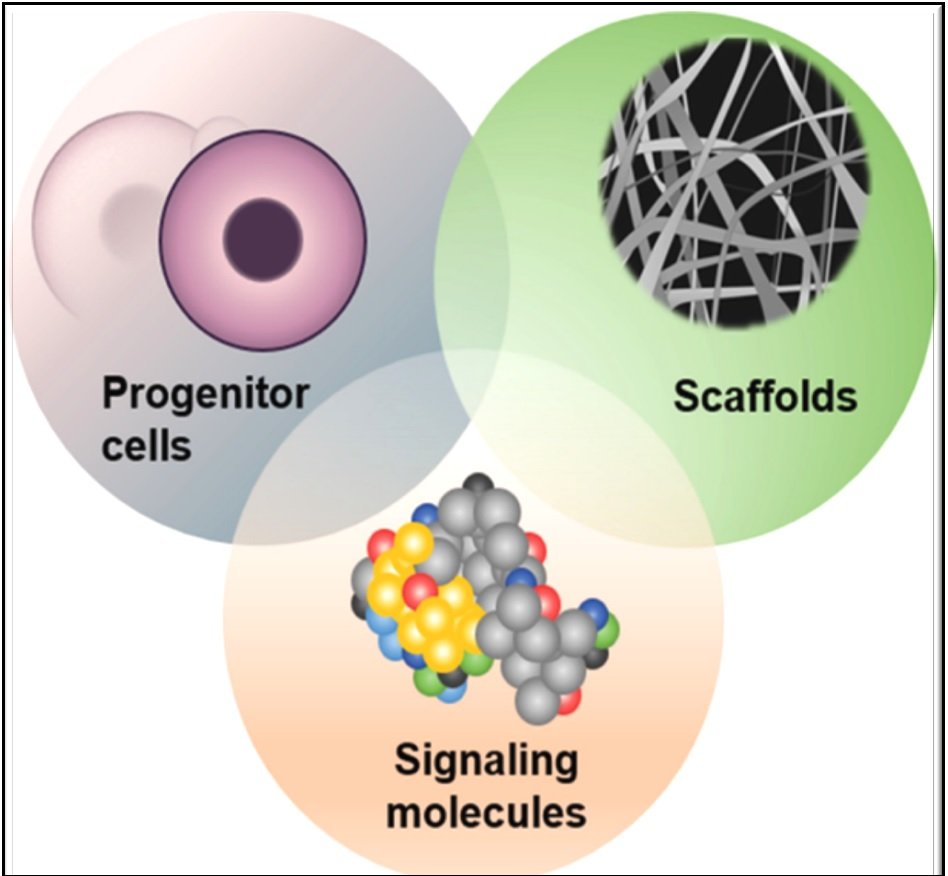
Fig.1 Host Modulation Therapy
CLASSIFICATION 14
I. Systemically administrated agents:
- NSAIDS (Nonsteroidal anti-inflammatory drugs)
- SDD (sub antimicrobial dose of doxycycline)
- Bisphosphonates
- Modulation of NO (Nitrous oxide) activity
II. Locally administrated agents:
- NSAIDS
- Enamel Matrix Protein
- Growth Factors
HOST-MODULATING AGENTS 18
Various host modulatory therapy agents have been developed to prevent and management for periodontal problems. The most common mechanisms by which these acts are the following:
- Inhibition of Matrix metalloproteinases (MMPs)-Through chemically Modified Tetracyclines (CMTs)
- Inhibition of Arachidonic Acid metabolites through NASIDs
- Modulation of Bone metabolism
- Regulation of immune and inflammatory responses
- Miscellaneous Host Modulatory agents
a.COX-1 inhibitors: Indomethacin’s, Flurbiprofen
b.COX-2 inhibitors: Rofecoxib
c. COX and LOX inhibitors: Triclosan, Tropical Ketoprofen
d. LOX inhibitors: Lipoxins
a. Bisphosphonates
b. Hormone Replacement Therapy
a. Suppressing proinflammatory cytokines (IL-1 and TNF- α receptor antagonists)
b. Nitric Oxide inhibition
c. Generation of protective antibodies through vaccine
d. Infusion/ supplementary anti-inflammatory cytokines IL-4 and IL-10.
a. Aloe vera
b. Probiotics
c.Hypochlorous acid and taurine-N-monochloramine
d.Azithromycin.6
INHIBITION OF ARACHIDONIC ACID METABOLITES 16
In periodontal diseases destructive pathways are initiated as arachidonic acid is activated which gets metabolized by cyclooxygenase, and releases prostaglandins, prostacyclin, and thromboxane whereas the end product of the Lipoxygenase pathway releases Leukotrienes and hydroxy eicosatetraenoic acid. So, an approach to modulate the host response is the inhibition of enzymes responsible for the release of these destructive products can be adopted. These include:
- Systemically administered NSAIDS
- Locally administered NSAIDS
- Triclosan
Mechanism of action of nonsteroidal anti-inflammatory drugs( Fig.2 )

Systemically administered NSAIDS
The nonsteroidal anti-inflammatory drugs act by inhibiting cyclooxygenase in an arachidonic acid pathway. Thereby reducing prostaglandins (PGE2) which are responsible for bone loss. These include ibuprofen and indomethacin.
Locally administered NSAIDS
Topical administration is another method to deliver these agents. It is possible as these drugs are lipophilic and are absorbed into gingival tissues. These include Ketoprofen which inhibits both cyclooxygenase and lipoxygenase pathway. Besides these, Ketorolac tromethamine rinse and S-ketoprofen dentifrices can also be used.
Topical use of lipoxins which blocks neutrophil infiltration induced by P. gingivalis and reduced in PGE2 levels can be used as an adjunct in scaling and root planing.
Triclosan
It has both anti-bacterial and anti-inflammatory properties. It is a non-ionic antibacterial agent that also inhibits both cyclooxygenase and lipoxygenase pathways and thus interferes in the arachidonic acid pathway.8 Dentifrice containing sodium fluoride and triclosan and a copolymer has been tested and shows positive results in the treatment of Periodontitis.15
CHEMICALLY MODIFIED TETRACYCLINES (CMTS) 4
Tetracyclines have been used as an antibiotic for a very long time. Periodontal pathogens (P. gingivalis and A. actinomyceticomitans) produce MMPs. However, it is believed that endogenous MMPs are not the bacterial proteinases that are primarily responsible for tissue destruction. This further state the importance of the role of host modulatory approaches in periodontal therapy. Chemically modified tetracyclines are tetracyclines that lack the dimethylamino group on the 4th carbon atom.
Mechanism of Action of Chemically modified tetracyclines(Fig.3)

SIDE EFFECTS OF CMTS
- Photosensation property
- Neurotoxicity
- Cytotoxic effects at higher concentrations.
- Rapid emergence of resistant microorganisms.
Periostat (Sub antimicrobial dose of doxycycline) 5
It is a sub-antimicrobial dose of doxycycline hyclate capsule of 20 mg that uses anti collagenase properties of tetracycline. It is prescribed to patients with chronic periodontitis twice daily. Administration of drug for only 2 weeks. This can inhibit collagen activity by 60%-80% in the gingival tissue of chronic periodontitis patients. However, collagen activity also decreases in GCF. Prescription of the drug for a smaller duration decreases the chance of drug resistance. It is an effective tool adjunct to mechanical therapy in treating periodontal diseases.
Mechanism of Action(Fig.4)

INDICATIONS
- Patients who have not responded to non-surgical therapy.
- Patients with generalized recurrent sites of 5mm or greater pocket depth that it bleeds on probing.
- Patients with mild to moderate chronic periodontitis but have a high susceptibility to rapid periodontal disease progression.
- Patient who has aggressive periodontitis
- Patient with periodontitis associated with genotype (PAG), has specific variation in genes that regulates IL-1.
Contraindications
- The patient who are allergic to tetracycline.
- Pregnant women, Lactating women, and children below 12 years of age.
- Patient in whom antibiotic regimen is necessary.
- May reduce the effectiveness of oral contraceptives.
FDA has recommended the approved use of Periostat for systemic administration as an adjunct to scaling to root planning, in the treatment of chronic periodontitis.7
BISPHOSPHONATES 8
Bisphosphonates are drugs that are non-biodegradable analogs of pyrophosphate with a high affinity for calcium phosphate crystals and that inhibit osteoclast activity. These bisphosphonates appear to inhibit MMP activity through a mechanism that involves the chelation of cations.
Alkyl side chains characterize.
- First-generation bisphosphates: eg. Etidronic acid and Clodronic acid
- Second-generation Bisphosphates include an amino-terminal group along with aminobiphosphonates. eg. Alendronate and Pamidronate.
- Third generation Bisphosphonates- have cyclic side chains For example- risedronate.9
Mechanism of Action (Fig.5)

Disadvantages
- Long-term use can compromise the healing of even micro-injuries within the bone
- Can lead to osteonecrosis of the jaw following dental extraction.
- Inhibit bone calcification
Contraindications
The contraindication for the use of bisphosphonates use is the sensitivity to phosphates and gastrointestinal upset.
REGULATION OF IMMUNE AND INFLAMMATORY RESPONSES
- Modulation of Nitric Oxide Activity: Nitric oxide (NO) is a molecule that has a wide range of biological processes. It is a highly reactive free radical reacting with metal and thiol residues that results in lipid peroxidation, protein damage, DNA damage, and stimulation of cytokine release. Nuclear Poly ADP-ribose polymerase enzyme decreases NO toxicity.9
- Suppressing proinflammatory cytokines: Cytokines are defined as regulatory proteins controlling the survival, growth, differentiation, and function of cells. They function as a network and are produced by different cell types and share overlapping features. This phenomenon is called Biological redundancy. To avoid tissue damage and maintain homeostasis, cytokines antagonists such as IL-1 receptor antagonists or soluble TNF receptors can competitively inhibit receptor-mediated signal transduction.10
- Other Locally administered agents: These include agents such as enamel matrix proteins, growth factors, and bone morphogenic proteins that have been investigated for potential use as adjuncts to surgical procedures. It improves wound healing as well as stimulates regeneration of lost bone, periodontal ligament, and cementum and thus, restoring the complete periodontal attachment apparatus. The only local host modulatory agent currently approved by the FDA for adjunctive use during surgery is Emdogain. It affects the early stages of osteoblast maturation. They are believed to regulate the initiation, propagation, termination, and maturation of enamel hydroxyapatite crystals. They also take part in cementogenesis.17
MISCELLANEOUS HOST MODULATORY AGENTS
1. Probiotics
The use of probiotics administered orally has proven to be beneficial for periodontitis patients. They lowered the periodontal pathogens such as Candida Albicans, Staphylococcus intermedius, Bacteroides, and Actinomyces either by direct microbiological interaction or by immunomodulatory interaction. They are used in periodontal dressings.12
2. Azithromycin
Azithromycin is an antibiotic that is taken up readily into inflamed tissues by neutrophils, and macrophages through chemotaxis. It is given per tablet of 500 mg for 3 consecutive days. It is effectively useful in the treatment of moderate to advanced periodontitis as it has the ability to penetrate biofilm and has a long anti-bacterial half-life. It is effective against gram negative bacteria and the short course of the drug makes it a great option of treatment along with mechanical debridement. It decreases the proinflammatory cytokine production and increase the production of anti-inflammatory cytokines. However, it has been considered as a better mode of treatment than low dose doxycycline.13
3. Cimetidine
It is a histamine receptor antagonist that eliminates the inhibitory effects on immune response thereby acting as a modulator of inflammation and immunity, the neutrophil chemotaxis, and superoxide production.
Futuristic Approaches
Host modulatory therapy has proven to be very useful for the health of the periodontium. Various new host modulating agents has also been introduced such as lipoxins, resolvins and probiotics (lactobacilli and bifidobacteria). Besides these, Immunoglobulin Y(IgY), Glycoproteins (GP) are also recommended to be effective agents in the treatment of Chronic Periodontitis. Glycoproteins along with Immunoglobulin Y are pretreated to form ImmunoGlycoprotein (IgYGP) to prevent antibody against Glycoprotein activity. The introduction of Periodontal vaccines against serious infectious diseases that do not have an effective treatment can also be used. They have shown positive results in controlling the infection or regulation of inflammation. Moreover, the use of nutrients which include major antioxidants such as Vitamin C, Vitamin E, omega 3 Fatty acids act as a modulator of inflammation by scavenging free radicals and sequestering transition of metal ions and catalyzing formation of other molecules.
Recently, the use of a hypoglycemic drug known as Glitazone suppress P.Gingivalis by inducing IL-6 production. The continued advancements in chemically modified tetracyclines such as a combination of CMT and Fluriprofem, seem to be promising in improving the most modulation therapy.18
CONCLUSION
The host immune-inflammatory response against bacterial plaque can thus be viewed as a “dual?edged sword,” i.e., the response is protective by intent, yet in susceptible patients who exhibit an exaggerated inflammatory response to plaque, it ultimately is responsible for perpetuating the destruction of the periodontium. This shift in paradigms, with emphasis on host response, has led to the development of host modulatory therapies (HMTs) which can improve therapeutic outcomes, slow the progression of a disease, allow for more predictable management of patients, and possibly even work as preventive agents against the development of periodontitis. “Although the efficacy and usefulness of host modulating agents have improved the treatment in several folds still, more research is required to make treatment response faster and to increase periodontal stability.6
REFERENCES
- Kaur CP, Jindal V, Malhotra R, Jaggi D, Goel A, Kaur R. Perioceutics-A review. Indian J Dent Sci 2017;9:S44-8.
- Reddy S, Prasad MG, Kaul S, Asutkar H. Host modulation in Periodontics. EJ Dent 2011;1:51?62.
- Hedge S, Boloor VA. Host modulatory therapy. In: Shalu B, editor. Text Book of Periodontology. 1st ed. New Delhi: Jaypee Brother Medical Publishers; 2017. P. 394?400
- Agnihotri R, Gaur S. Chemically modified tetracyclines: Novel therapeutic agents in the management of chronic periodontitis. Indian J Pharmacol 2012;44:161?7.
- Novak MJ, Johns LP, Miller RC, Bradshaw MH. Adjunctive benefits of subantimicrobial dose doxycycline in the management of severe, generalized, chronic periodontitis. J Periodontol 2002;73:762?9.
- Ryan ME, Gu Y. Host modulation. In: Newman MG, Takei H, Klokkevold PR, Carranza FA, editor. Carranza’s Clinical Periodontology.11th ed. South Asia: Elsevier; 2011. P. 705?20.
- Golub LM, Ciancio S, Ramamamurthy NS, Leung M, McNamara TF. Low?dose doxycycline therapy: Effect on gingival and crevicular fluid collagenase activity in humans. J Periodontal Res 1990;25:321?30.
- Russell RG, Watts NB, Ebetino FH, Rogers MJ. Mechanisms of action of bisphosphonates: Similarities and differences and their potential influence on clinical efficacy. Osteoporos Int 2008;19:733?59.
- Manisundar, N., Julius, A., Amudhan, A., Hemalatha, V.T. and Manigandan, T., 2014. Nitric oxide as an inflammatory biomarker in oral and systemic diseases-a systematic review. Middle-East Journal of Scientific Research, 20(7), pp.881-886.
- Riccelli, A.E., Agarwal, S., Piesco, N.P., Hoffman, R.D. and Suzuki, J.B., 1995. Role of cytokines in periodontal diseases. Journal of the California Dental Association, 23(8), pp.48-51.
- Ryan, M.E., Kinney, J., Kim Amy, S. And Giannobile, W.V., 2005. The host modulatory Approach. Dental Clinics of North America, 49, pp.624-635.
- Meurman, J.H. and Stamatova, I., 2007. Probiotics: contributions to oral health. Oral diseases, 13(5), pp.443-451.
- Hirsch, R., Deng, H. And Laohachai, M.N., 2012. Azithromycin in periodontal treatment: more than an antibiotic. Journal of periodontal research, 47(2), pp.137-148.
- Jeevanand Deshmukh, Mukhtar Ahmed Jawali, Vinaya Kumar Kulkarni; Host modulation therapy – a promising new concept in treating periodontal diseases; International Journal Of Dental Clinics 2011:3(2):48-53.
- Salvi GE, Lang NP. Host response modulation in the management of periodontal diseases. J Clin Periodontal 2005; 32 (Suppl. 6): 108–129.
- Philip M. Preshaw; Host modulation therapy with anti-inflammatory agents, Periodontology 2000, Vol. 0, 2017, 1–19.
- Arunachalam et al.: Local drug delivery in Perioceutics; Journal of Young Pharmacists, Vol 9, Issue 1, Jan-Mar, 2017.
- Kanagaraj AS, Patel Vivek MK; Host Modulation Therapy: A Mini Review; SVOA Dentistry.
Disclaimer from Guident
The views and opinions expressed in articles published in Guident are solely those of the authors and do not necessarily reflect the views of the editors, the editorial board or the publisher, Ivory India. Guident does not endorse any product, technique or treatment described. Clinical content is intended for qualified dental and medical professionals and is not a substitute for individual clinical judgement. Guident, its editors and the publisher accept no liability for any consequence arising from the use of information published in the journal.
How to cite this article
Dr. Ankita Garg, Dr. Shailendra S. Chauhan, Dr. Satendra Sharma. Host Modulatory Therapy: Perioceutics-a Review. Guident. 2023 Jun;16(7). Available from: https://guident.in/articles/periodontics/host-modulatory-therapy-perioceutics-a-review.html