Recent Advances in Preventive Dentistry
Department of Public Health Dentistry, K. D. Dental College & Hospital, P.O. Chhatikara, Mathura
INTRODUCTION
Prevention of health is not an altruist concept. It is mankind’s primary hope for improving health. Prevention is currently receiving much attention but the germ of the concept is far from new. Thus, the tradition of stressing prevention through diet and modification of lifestyle has a long history. This review provides a perspective of the impact of research and development on the prevention of oral disease especially dental caries, periodontal disease and oral cancer. It navigates through significant advances in oral health and new scientific approaches to prevention, and summarizes the key challenges and opportunities in bringing new oral health measures into practice.1
RECENT ADVANCES IN DENTAL CARIES PREVENTION
1. Antibacterial and Antimicrobial Agents
A. Antimicrobial peptidesAntimicrobial peptides (AMPs) are a wide-ranging class of host-defense molecules that act early to contest against microbial invasion and challenge. These are small cationic peptides that play an important in the development of innate immunity. In the oral cavity, the AMPs are produced by the salivary glands and the oral epithelium and serve defensive purposes.2
The serious problems caused by drug resistant bacteria have created an urgent need for the development of alternative therapeutics. In this respect, AMPs are considered as promising antimicrobial agents for producing new generation antibiotics. Additionally, atomic level structures of AMPs are prerequisite information for the generation of improved peptide antibiotic candidates. Although there are several obstacles to be overcome for clinical applications, natural and synthetic AMP’s are still attractive sources to the pharmaceutical companies. In order to facilitate commercial development of peptide antibiotics, it is reasonable to focus on small peptides. Successful generation of short antimicrobial peptide molecules includes the Histatins, Human Lactoferrin 1-11, Cathelicidins (LL37), (CKPV)2, P-113, and LKW peptides. In terms of production cost, the use of those peptides would be advantageous in the pharmaceutical field.3
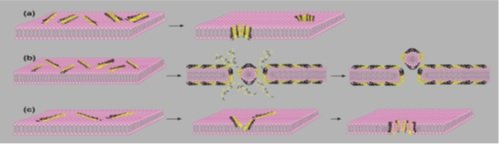
MODEL OF ANTIMICROBIAL PEPTIDES (a) Barrel-stave model, (b) Carpet model and (c) Toroidal model
In caries, there is an increase in acidogenic and acidtolerating species such as mutans streptococci and lactobacilli, although other bacteria with similar properties can also be found like Bifidobacteria, nonmutans streptococci, Actinomyces spp., Propionibacterium spp., Veillonella spp. and Atopobium spp. Use of probiotics and molecular genetics to replace and displace cariogenic bacteria with noncariogenic bacteria has shown promising results.4
C. Chemoprophylactic agents
Chemoprophylactic agents that are used in dental caries prevention include classical antibiotics such as penicillin and vancomycin; cationic agents such as chlorhexidine and cetylpyridinium chloride; plant derived compounds such as sanguinaria extract; anionic agents such as sodium dodecyl sulphate (SDS); and non-ionic agents such as triclosan.
Chlorhexidine is one of the most tested compounds and its anti-plaque properties are wellknown. In a supragingival biofilm model, chlorhexidine was shown to inhibit bacterial growth and biofilm formation.
Triclosan is the most commonly used and most potent example of the chlorinated diphenyl ether class of antibacterial compounds. Several large clinical trials have shown that toothpastes containing triclosan and zinc citrate significantly reduced plaque and gingival scores.
2. Caries Vaccines
Another line of defense in human body that can be utilized against S. mutans colonization is the specific antibody production from adaptive immunity.Immune defense in dental caries is mediated mainly by secretory IgA (sIgA) antibodies present in saliva and generated by the mucosal immune system. Mucosal immunization with S. mutans antigens at inductive sites, including gut-associated lymphoid tissue (GALT) and nasopharynx-associated lymphoid tissue (NALT), results in the migration of antigen-specific IgA-producing B cells to effector organs, such as the salivary glands. This is followed by the differentiation and maturation of these B cells and the secretion of IgA in the lamina propria, where it crosses the effector tissue ducts into the saliva.5
The technique of active and passive Immunization to conflict with the pathogenesis of S.mutans in oral hole holds guarantee. Caries immunization, if effectively tried on people, could be a profitable immunomodulation when contrasted with different caries preventive measures.6
3. Fluorides
WHO Approach For 21st Century - In the second half of the 20th century the focus shifted to the development and evaluation of fluoride toothpastes and rinses and, to a lesser extent, alternatives to water fluoridation such as salt and milk fluoridation.7Table 1- Types of Fluoride Products available in Market

Recently, new fluoridated foams, gels, varnishes, rinses, fluoridated prophylaxis paste and restorative materials have been introduced in the market, which are presented in table.8
4. Sugar substitutes
Non-cariogenic sugar substitutes are widely used in medications, foods and confectionery, including gum, candy and drinks. Such substitutes include sorbitol, xylitol, saccharin, aspartame, sucralose and acesulfame K. The use of these sugar substitutes may have contributed in a limited way to the decline in the prevalence of dental caries in industrialized countries. In recent years, the potential of using specific non-cariogenic sugar substitutes in drinks and chewing gum, in order to promote remineralization of initial caries lesions, has been investigated. The anticariogenic effect of the sugar substitutes themselves has yet to be supported by evidenced-based data. However, enhancement of salivary flow when using chewing gum may have a caries-preventive effect.9.Table 2 is to evaluate the content xylitol in dental care and food products available on the Polish market and their significance in caries prevention.10
Table 2- Non cariogenic sugar available in market

5. Ozone
The curative and disinfecting effect of ozone “heal ozone” are used in dental care as a new mode of therapy for dental caries.Diagnodent: Diagnodent operates by means of laser light. The light is passed via an optical fibre to the area of decay. The decayed area fluoresces and this fluorescence passes back to the probe and the decay is displayed and indicated both visibly and audibly.
Non cavitated pit and fissure caries: The lesions are first cleaned using prophylactic paste [prophyflex from kavo] before diagnodent and healozone application. This thoroughly cleans the surface, removing all extraneous plaque, calculus and extrinsic stain which will make the Diagnodent reading more reliable as well as allowing the ozone to penetrate the lesion more predictable. Ozone application of the caries lesion for 40 seconds.
Use of fissure sealants in combination with ozone treatment: Sealants are recommended to be placed over the remineralized pit and fissure lesion with early dentinal involvement usually at the 4 week recall visit. Ozone can be used to maintain or replace sealants and used in combination with sealant.
6. Pit and fissure sealant
These include glass ionomer sealants or resin‑based sealants containing fluoride or Amorphous Calcium Phosphate (ACP). The caries‑preventive effect of glass ionomer materials is due to their ability to release fluoride. These materials are of very limited value as caries‑preventive material because of the low retention rate. Fluoride‑containing resin‑based sealants (Embrace WetBond™) with their higher retention rates are preferred to prevent caries. Newer technologies such as resin‑based sealant containing ACP have been recently introduced. ACP exhibits its remineralizing potential by increasing calcium and phosphate ions within the carious lesion,especially in acidic environment, to levels that exceed those existing in surrounding oral fluids, thus leading to supersaturation and formation of apatite.11RECENT ADVANCES IN PERIODONTAL DISEASES PREVENTION
Available information on periodontal diseases are numerous, ambiguous and for the most part highly specialised. Through the years most of the research was focused on the microbiological aspects of the periodontitis. It has been noticed that bacteria alone are not sufficient for the initiation of periodontal diseases, although they play an important part in the process. Host response, smoking, stress and other risk factors influence the appearance of the disease, and the susceptibility to aggressive forms of periodontitis is genetically determined. This knowledge brought significant changes to the concept of etiology, prevention and the treatment of periodontal diseases.12
1. Periodontal pocket imaging technologies
a. Periodontal pocket X-ray- based imaging using radio-opaque contrast agentsPeriapical and panoramic radiographs are commonly used for periodontitis diagnosis to detect the presence and extent of alveolar bone loss. These radiographs are 2-D images of 3-D objects. Thus, a periodontal bony defect can be hidden by superimposition of teeth and the surrounding alveolar bone. b. Optical Coherence Tomography
Optical Coherence Tomography (OCT) was introduced as a biomedical imaging modality in biological systems in 1991 by Huang et al. This non-invasive imaging technique, based on low coherence interferometry, utilizes coherent near infrared light. OCT is capable of obtaining images with a high resolution (5-15 μm) and penetration depth of 1-2 mm. Moreover, real time 3-D tomographic images of the tissue can be provided.
c. Endoscopic capillaroscopy for periodontal pocket microcirculation Imaging
Fiberscopes are flexible endoscopes that use fiber optics to inspect remote inaccessible internal structures. Optical fibers are flexible and transparent fibers that are formed of thin strands of glass or plastic. They can transmit light over longer distances and at higher bandwidths than metal wire cables. In addition, optical fiber technology showed lower signal loss and less electromagnetic interference in comparison to metal wires.
d. Photoacoustic imaging
Photoacoustic (PA) imaging is a hybrid biomedical imaging technology that combines the high contrast of optical imaging with the high resolution of ultrasound imaging.
e. Magnetic Resonance Imaging
MRI is a non-invasive tool for soft tissue diagnosis, without ionizing radiation. MRI scanners apply a magnetic field that spins the hydrogen nuclei in water molecules in the body. MRI machines pulse a radiofrequency (RF) that allows nuclear spins to resonate in the strong static magnetic field.13
2. Culture
There are several systems that can be used to create an anaerobic atmosphere for cultivation of oral microbes. These include biobags, use of pre-reduced anaerobically sterilized (PRAS) media, anaerobic chambers and anaerobic jars that are used with a combination of basal and selective media for the isolation of periodontal pathogens. Among the aforementioned systems, anaerobic chambers and jars are most commonly used. A combination of novel and traditional culture techniques offers great promise in isolation and subsequent domestication of oral bacteria. These efforts will go a long way in closing the gap between microorganisms that could be cultivated in culture and those present in the oral cavity but as yet not cultivated. The additional knowledge gained by using these newer isolation methods would hopefully fill in the lacunae about the microbial role in periodontal infections.14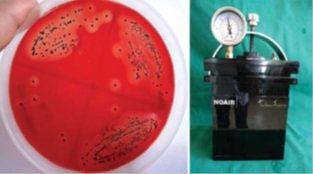
Anaerobic jar for routine isolation of anaerobe in our lab with supplemented blood agar used for cultivation of black pigmented colonies

Model of diffusion chamber used for bacterial isolation
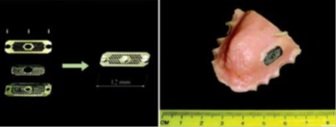
Minitrap device used in the oral cavity for enrichment and isolation of oral bacteria
3. Polymerase chain reaction
The PCR technique is a more accurate, sensitive, and rapid technique for the detection, identification, and quantification of periodontal bacteria.Q-PCR or real-time PCR with species-specific primers provide accurate quantification of individual microbial species and total bacterial count in dental plaque samples. This precise and sensitive method serves as a useful tool for studies on etiology of periodontal diseases.
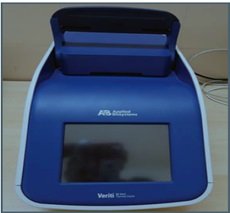
Thermocycler

Gel electrophoresis
PCR is used for research purposes to determine the prevalence of herpes simplex virus, human papillomavirus, HIV, human cytomegalovirus, and Epstein-Barr virus Type I and II in the gingival crevicular fluid of the individuals with various forms of periodontal disease.
Diagnostic tests such as the MicroDent® Test, ParoCheck® kits, MyPerioPath® Test and oral DNA® using multiplex PCR scheme are commercially available to evaluate the microbiota in subgingival plaque samples and they give crucial information for a prevention strategy for healthy patients and treatment plans for “at risk” patients.15
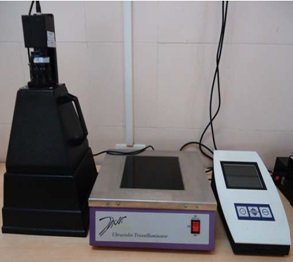
Ultraviolet transilluminator
4. Genetic analysis
Genetics of both humans and pathogens and the genetic interaction between them are involved in both Periodontics and Medicine. There is increasing awareness of the destructive processes involved in periodontitis which are host-derived.Prognostic tests: Clinicians tend to view the application of prognostic knowledge in the context of currently available therapeutic approaches, that is, they are accustomed to treating periodontal disease after it has occurred and try to predict whether there will be recurrent disease in the future. They could predict the initiation of disease before it occurs that ultimately will be linked to knowledge of the environmental factors that could initiate the inappropriate activation of genes that are problematic. Such tests would also be useful if they could be used to predict the ultimate success of a variety of therapies.
Diagnostic tests: The currently immutable genetic susceptibility profile for an individual can be used to develop assays of the patient’s variable gene expression profile at any given time. This would require identification of the baseline ‘activity’ of susceptibility genes in subjects with no disease and the change in activity that occurs during and as a result of initiation or progression of disease. It is conceivable that, should such tests be administered at an opportune time, subclinical disease could be detected and appropriate environmental or genetic therapies could be administered.
Gene therapy: It is a technology of introducing foreign genetic material into a patient for correcting its genomic defect. Genetic surgeons can now go deep into the cells and fix those defective genes with a new scalpel-a virus. The inherent benefit of this therapy is to permanently cure the physiological dysfunction by repairing the genetic defect.16
5. Enamel matrix derivatives
Therapeutic approaches to the treatment of periodontitis generally fall into two major categories, ie, those designed to halt the progression of periodontal attachment loss, and those designed to regenerate or reconstruct lost periodontal tissues.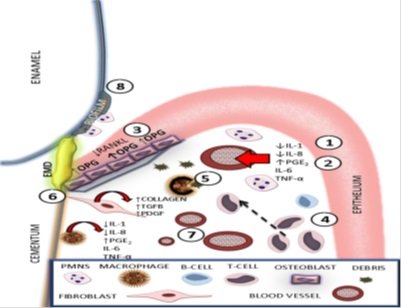
Diagram depicting inflammation-modifying changes induced by enamel matrix derivative.

Application of enamel matrix proteins in the form of Emdogain has set a modern standard for periodontal regeneration therapy. Surgical periodontal treatment of deep intrabony defects with EMD promotes periodontal regeneration. Surgical periodontal treatment of deep intrabony defects using EMD may lead to significantly greater improvements in clinical parameters compared with open flap debridement alone. The effect of treatment with EMD is comparable with that for GTR and can be maintained over a 10-year period. Application of EMD seems to provide better long-term results than coronally repositioned flaps alone. Application of EMD may enhance periodontal regeneration in mandibular class II furcations, comparable with that obtained using GTR.17
6. Bisphosphonates
Bisphosphonates (BPs) are a class of drugs that prevent the loss of bone mass, used to treat osteoporosis and similar diseases. These are nonbiodegradable analogs of pyrophosphate that have a high affinity for calcium phosphate crystals and that inhibit osteoclast activity.Role in periodontal therapy:
Topically administered bisphosphonates have been reported to reduce the resorption of root associated with orthodontic tooth movement and alveolar bone resorption following periodontal surgery. BPs also reported to modulate cementoblast behavior in an in-vitro study through the regulation of gene expression, and thus has the potential for cementum formation and mineralization modifiers.18
7. Local antimicrobial delivery systems
Various investigated nanoparticulate drug delivery systems in periodontal disease therapy are as follows-a. Nanoparticles
b. Nanogels
c. Nanocomposites
d. Nanofibers-Poly-ε-caprolactone (PCL) nanofibers
The advancement of nanotechnology in dental science has brought tremendous progress in periodontal disease therapy. The technology offers significant promise in the disease’s early diagnosis even at molecular and cellular level, thereby reduces the waiting time for results. It also plays important roles in the prevention of the disease, through using nanoscale agents to repel bacterial biofilms deposition and accumulation on the tooth surface, and by remineralization and desensitization of abraded teeth.19
8. Photodynamic therapy
Photodynamic therapy (PDT) utilizes singlet oxygen and free radicals produced by a light-activated photosensitizer to kill microbes. The photochemical process is initiated by a low-power laser/light at a relevant wavelength to excite the photosensitizer. The ground state photosensitizer absorbs light, resulting in a singlet state that can lose energy by fluorescence or undergo intersystem crossing to a triplet state with longevity. Antimicrobial PDTPhotosensitizers in antimicrobial PDT (aPDT), such as porphyrins, phthalocyanines, and phenothiazines (e.g., toluidine blue O and methylene blue), can target both Gram-positive and –negative bacteria by bearing a positive charge, suggesting that aPDT may be useful in oral applications, especially for periodontal treatment.20
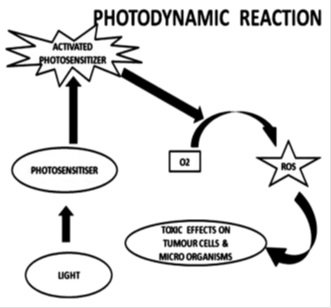
Mechanism of photodynamic reaction 21
aPDT has been confirmed to be effective as a non-antibiotic antimicrobial therapy. Two main advantages are frequently cited for aPDT in comparison with other periodontal treatments. In aPDT, a photosensitizer placed directly into the pocket can be activated via an optical fiber also placed directly in the pocket, which helps to avoid damaging adjacent host tissue. Additionally, the effects of aPDT are initiated by exposure to a light source, thus preventing the selection of resistant bacteria species importantly, the eradication of biofilms and inactivation of inflammatory cytokines by aPDT has proven to be both effective and safe.20RECENT ADVANCES IN ORAL CANCER PREVENTION
1. DNA vaccine
DNA vaccination has emerged as an attractive immunotherapeutic approach against cancer due to its simplicity, stability, and safety. Results from numerous clinical trials have demonstrated that DNA vaccines are well tolerated by patients and do not trigger major adverse effects. DNA vaccines are also very cost effective and can be administered repeatedly for long-term protection. Despite all the practical advantages, DNA vaccines face challenges in inducing potent antigen specific cellular immune responses as a result of immune tolerance against endogenous self-antigens in tumors. Strategies to enhance immunogenicity of DNA vaccines against self-antigens have been investigated including encoding of xenogeneic versions of antigens, fusion of antigens to molecules that activate T cells or trigger associative recognition, priming with DNA vectors followed by boosting with viral vector, and utilization of immunomodulatory molecules.22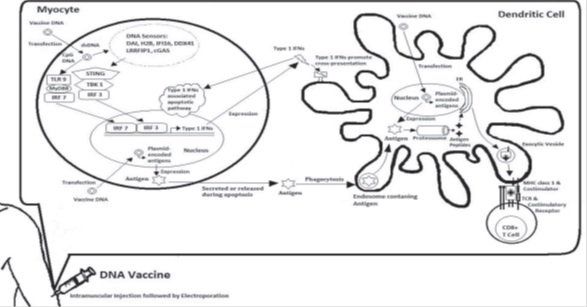
2. Tretinoin biofilm
Tretinoin (13-Cis-retinoic acid) inhibits development of second primary tumors in patient with previous head and neck cancer.22 It induces remission of oral leukoplakia and prevents development of cancer in patient with oral leukoplakia. Reversing oral carcinogenesis before its becoming invasive disease is the promise of treatment. Topical application of a chemo preventive agent can reduce the toxic effects associated with a systemic medication. Oral leukoplakia and other visible mucosal changes (such as erythroplakia), which are known to have a high risk of malignant transformation, provide a good target for topical chemoprevention. Use of polymer mucosal adhesive film (MAF) technique for oral cancer prevention has been shown to be safe and effective for such chemoprevention.23CONCLUSION
The fields of medicine and oral medicine are changing and have come a long way. There is still much to be done as far as patient management and accuracy of diagnostic methods is concerned, which will enable the society as a whole to be more productive and healthier. Changes are inevitable, even in the science foundational to the clinical practice of dentistry. Increased diversity and sophistication are developing in the areas of molecular biology, basic science, and social sciences. These will transform our traditional approaches to oral and dental disease management. The recent technological advances in the field of oral medicine make an impact on clinical dental practice.24REFERENCES
- Harsh Priya, Peter S Sequeira, Shashidhar Acharya, Meghashyam Bhat, Bharathi Purohit, Manoj Kumar. Recent Trends in Preventive Dentistry - A Review. Journal of Dental Sciences, 2011;2(3):232-237.
- Zohaib Khurshid, Mustafa Naseem, Zeeshan Sheikh, Shariq Najeeb,Sana Shahab, Muhammad Sohail Zafar. Oral antimicrobial peptides: Types and role in the oral cavity. Saudi Pharmaceutical Journal, 2016;24:515–524.
- Min-Duk Seo, Hyung-Sik Won, Ji-Hun Kim, Tsogbadrakh Mishig-Ochir and Bong-Jin Lee. Antimicrobial Peptides for Therapeutic Applications:A Review. Molecules, 2012;17:12276-12286.
- Jagat Bhushan, Sanjay Chachra. Probiotics – Their Role in Prevention of Dental Caries. Journal of Oral Health Community Dentistry, 2010;4(3):78-82.
Disclaimer from Guident
The views and opinions expressed in articles published in Guident are solely those of the authors and do not necessarily reflect the views of the editors, the editorial board or the publisher, Ivory India. Guident does not endorse any product, technique or treatment described. Clinical content is intended for qualified dental and medical professionals and is not a substitute for individual clinical judgement. Guident, its editors and the publisher accept no liability for any consequence arising from the use of information published in the journal.
How to cite this article
Dr. Sunil K Chaudhary, Dr. Navpreet Kaur, Dr. Manish Bhalla. Recent Advances in Preventive Dentistry. Guident. 2020 May;13(6). Available from: https://guident.in/articles/general/recent-advances-in-preventive-dentistry.html