Nanotechnology in Dentistry
Department of Prosthodontics, Crown, Bridge and Implantology, AMEs Dental college and Hospital, Raichur
ABSTRACT
Nanomaterials are at the leading edge of the rapidly developing field of nanotechnology. Their unique size-dependent properties make these materials superior and indispensable in many areas of human activity.1 The ability to uncover the structure and function of bio systems at the nanoscale, stimulates research leading to improvement in biology, biotechnology, medicine and healthcare. The size of nanomaterials is similar to that of most biological molecules and structures; therefore, nanomaterials can be useful for both in vivo and in vitro biomedical research and applications.2 This review summarizes the various nanostructures their current applications and most recent developments in the field of applied nanomaterials, in particular their application in dentistry.
KEY WORDS: - Nanotechnology, Nano dentistry, Nano size
INTRODUCTION
Nanotechnology allows humans to play with the building blocks of the universe, exploiting the laws of quantum mechanics to construct materials with unimaginable precision - literally molecule by molecule.
The term nanotechnology is derived from the Greek word ‘nano’, meaning ‘dwarf’, and applies to the principles of engineering and manufacturing at a molecular level.. Nanotechnology can be defined as the manipulation of matter with at least one dimension sized from 1 to 100 nanometers.3 Nanotechnology is intrinsically multidisciplinary, reliant on the basic science and methodologies of a number of disciplines including: chemistry, physics, electrical engineering, material science and molecular biology.4
Nanotechnology is an improving technology for the exploitation of individual technological advancements of controlling the structure of materials at a reduced dimensional scale that may approach individual molecules as well as their organized aggregates or supramolecular structures and this application of nanotechnology to medicine can provide several medical benefits.5
Nanotechnology creates incredibly useful structures from individual atoms or molecules, which provides a new alternative and a possibly superior approach for the identification of oral health related problems and also in designing of more biocompatible dental materials with better properties and anticaries potential. Nanodentistry is striving its best to apply new advances in dental practice.6
MEANING OF NANOTECHNOLOGY
The prefix nano in the word nanotechnology means a billionth (1 x lop9). Nanotechnology deals with various structures of matter having dimensions of the order of a billionth of a meter. While the word nanotechnology is relatively new, the existence of functional devices and structures of nanometer dimensions is not new, and in fact such structures have existed on Earth as long as life itself.7
OVERVIEW OF NANOSTRUCTURES
- SILICA COATED NANOPARTICLES
- POLYHEDRAL OLIGOMERIC SILSESQUIOXANE (POSS) NANOPARTICLE
- Coating Materials for Quantum Dot Nanocrystals
- In Cardiovascular Implants
- Antibacterial agents
- Tissue Engineering
- Drug delivery systems
- Dental nanocomposite
- Biological sensors
- ZIRCONIA NANOPARTICLES
- NANORODS
- NANOSPHERES
- NANOTUBES:-
- In tissue engineering
- Bone substitute
- MWCNT as a coating on titanium
- MWCNT + hydroxyapaptite to prevent dental erosion
- MWCNT dopedpolycarbosilane composite (containg SiC nanoparticle ) as potential dental implant material
- Smart coating for Titanium implant11
- NANOFIBRES
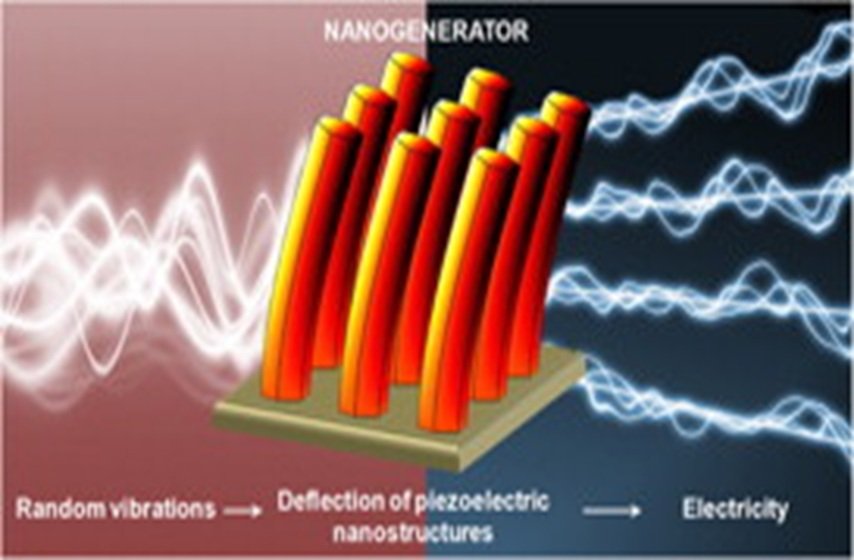
- NANOGENERATORS14
- NANOSENSORS
- NANOSPONGES
The advanced high-quality synthesis of dense and porous silica-coated nanostructures is having an ever-increasing research interests for their important properties and diverse applications, especially for catalytic, colorimetric diagnostics, photo thermal therapy, surface enhanced Raman scattering (SERS) detection, and so forth. The controlled release of tiny metal nanoparticles and dye molecules from the dye-encapsulated silica-coated platinum nanoparticle aggregates through controlled silica dissolution under mild conditions, raises the possibilities of this material for in-vivo controlled drug release.8

Polyhedral oligomeric silsesquioxane (POSS) is a distinctive nanocage structure consisting of an inner inorganic framework of silicon and oxygen atoms, and an outer shell of organic functional groups. It is one of the most promising nanomaterials for medical applications. Enhanced biocompatibility and physicochemical (material bulk and surface) properties have resulted in the development of a wide range of nanocomposite POSS copolymers for biomedical applications.9

Applications of POSS
The use of Zirconia (Zirconium dioxide, ZrO2) has considerable significance in dental science. Nano zirconia-alumina materials combine the physical and chemical properties of ceramic material. In these NPs, low percentage of tetragonal ZrO2 particles is in an aluminum oxide matrix. Thus, the toughness and longevity which are the principal interest in the dentistry are retained. Alumina/zirconia nano composites are new implant materials which show better efficacy as compared to the ceramic materials. Zirconia oxide nanoparticles are found to have anti-biofilm activity against certain bacteria (such as Enterococcus faecalis) and therefore they can be effectively used as a polishing agent in dental practices.10
An interesting application of hydroxyapatite nanorods was described by Clarkson et al. , who modified the surface of the nanorods depositing a monolayer of surfactant in order to allow then to assemble into an prisme-like enamel structure at the water/air interface, with the objective of mimicking the natural biomineralization process to create dental tissue enamel. In addition, in this line of enamel applications, the same group described the synthesis of fluorapatite nanorods and nanowires, in order to incorporate them into dental materials for caries prevention treatments. More recent works have also focused on the synthesis of hydroxyapatite nanomaterials for the remineralization of enamel as well as in the preparation of fluoridated hydroxyapatite nanorods.11

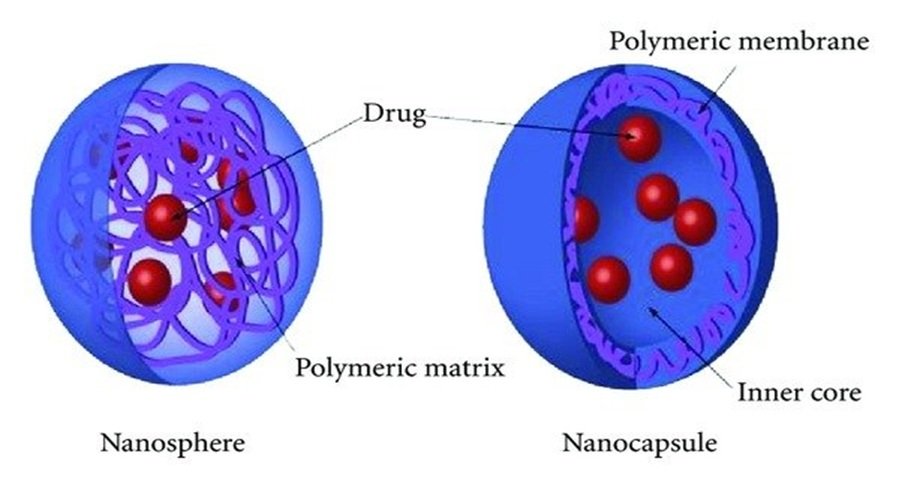
A polymeric nanosphere may be defined as a matrixtype, solid colloidal particle in which drugs are dissolved, entrapped, encapsulated, chemically bound or adsorbed to the constituent polymer matrix. These particles are typically larger than micelles having diameters between 100 and 200 nm and may also display considerably more polydispersity.12
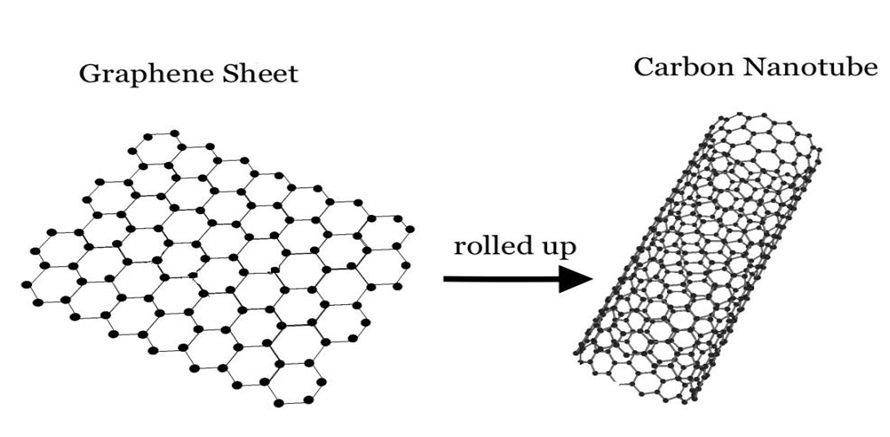
They are cylindrical shaped nanomaterials . The term nanotube usually refers to those shapes that are empty (a tube), that can be made from metals and frequently from carbon. Nanotubes can be made with a single wall or with multiple walls. When they are made from carbon they are named as single-wall carbon nanotubes (SWCNT) or as multi-wall carbon nanotubes (MWCNT).
carbon nanotubes have a very high mechanical strength that made them quite advantageous for many applications in the synthesis of materials for dental applications such as
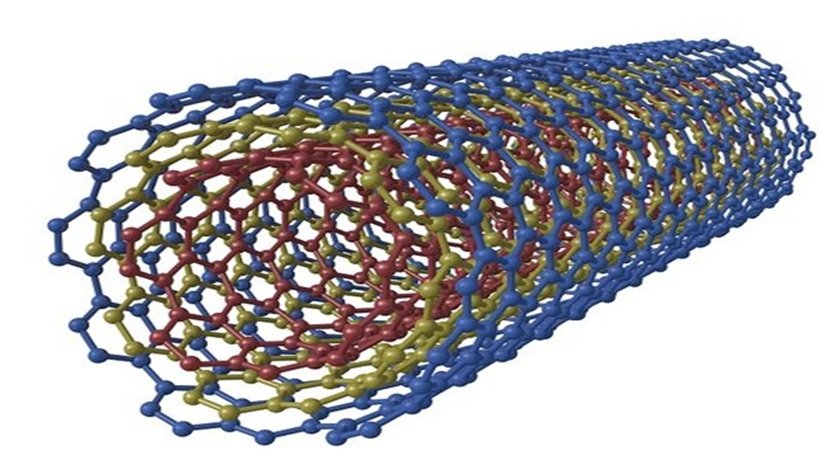
Multiwalled carbon nanotube
They may be defined as a fiber with a diameter of around 100 nm and are a promising tool to mimic/recover the extracellular matrix environment, presenting biocompatibility characteristics and porous structure . Nanofibers can be fabricated by electrospinning, phase separation, self-assembly or laser spinning. They might be also produced by different natural, synthetic or hybrid polymers.
Nanofibers are versatile nanomaterials that might emerge as new drug-delivery systems for dentistry. Several polymers such as poly(caprolactone), poly(p-dioxanone), and chitosan are used to develop nanofibers, while ciprofloxacin, metronidazole, doxycycline, tetracycline are the antimicrobials most incorporated in these nanostructures. Nanofibers might be used to develop new anti-caries restorative materials, endodontic and periodontal therapies, implant coating or prostheses.

Electrospun nanofibers
They could make new class of self-powered implantable medical devices, sensors, and portable electronics, by converting mechanical energy from body movement, muscle stretching, or water flow into electricity.
Nanogenerators produce electric current by bending and then releasing zinc oxide nanowires, which are both piezoelectric and semiconducting. Nanowires can be grown on polymer-based films, use of flexible polymer substrates could one day allow portable devices to be powered by movement of their users.
“Our bodies are good at converting chemical energy from glucose into the mechanical energy of our muscles,” Wang (faculty at Peking University and National Center for Nanoscience and Technology of China) explained “these nanogenerators can take mechanical energy and convert it to electrical energy for powering devices inside the body. This could open up tremendous possibilities for self-powered implantable medical devices.”
Nano sensors developed for military use in recognizing airborne rogue agents and chemical weapons to detect drugs and other substances in exhaled breath. Basically, used to detect many drugs in breath, but the amount detected in breath is going to be related to the amount that is taken and also to whether it partitions well between the blood and the breath. Drug abuse like marijuna (and things like), concentration of alcohol, testing of athletes for banned substances, and individual's drug treatment programs are two areas long overdue for breath detection technologies. This will totally remove urine tests in near future.14
Nano sponges are a type of nanoparticle, often a synthesized carbon-containing polymer. They are porous in structure, pores being about 1–2 nanometers in size, and can therefore be targeted to absorb small amounts of matter or toxin.
Currently, most legal and illegal drug overdoses have no specific way to be effectively neutralized, using nanoparticles as absorbents of toxic drugs, is another area of medical nanoscience that is rapidly gaining momentum. Goal is design nanostructures that effectively bind molecular entities, which currently don't have effective treatments. Nano sponges are being put into the blood stream and they are soaking up toxic drug molecules to reduce the free amount in the blood, in turn, causes a resolution of the toxicity that was there before the Nano sponges were put into the blood.14

CLINICAL APPLICATION OF NANODENTISTRY
- Nanoanesthesia:- When nanotechnology or nanorobots are used to induce anesthesia, the gingiva of the patient is instilled with a colloidal suspension containing millions of active, analgesic, micron-sized dental robots that respond to input supplied by the dentist.
Nanorobots in contact with the surface of the crown or mucosa can reach the pulp via the gingival sulcus, lamina propria, or dentinal tubules.
Once in the pulp, they shut down all sensations by establishing control over nerve-impulse traffic in any tooth that requires treatment. After completion of treatment, they restore this sensation, thereby providing the patient with anxiety-free and needleless comfort. The anesthesia is fast-acting and reversible, with no side effects or complications associated with its use.16
- Nanosolutions :- Because they produce unique and dispersible nanoparticles, nanosolutions can be used as bonding agents. Homogeneity is ensured, because the adhesive is mixed perfectly every time. Nanoparticles have also been used as sterilizing solutions in the form of nanosized emulsified oil droplets that bombard pathogens.16
- Impression materials:- Nanofillers are integrated into vinylpolysiloxanes, producing a unique siloxane impression material that has a better flow, improved hydrophilic properties, and enhanced precision detail.17 Impression materials such as Nanotech Elite H-D from the company Zhermack is available with nanotechnology application.17
- Bone replacement materials :- Bone is a natural nanostructure that is composed of organic compounds (mainly collagen) and reinforced with inorganic ones. Nanotechnology aims to emulate this natural structure for orthopedic and dental applications and, more particularly, for the development of nanobone. Nanocrystals show a loose microstructure, with nanopores situated between the crystals. The surfaces of the pores are modified such that they adsorb protein, due to the addition of silica molecules. Bone defects can be treated by using these hydroxyapatite nanoparticles.17
- Ostim ® (osartis GmbH Germany) HA.
- VITOSS ® (orthovita Inc, USA) HA+ TCP.
- NanOssTM (Angstrom Medica ,USA) HA
- Nanoencapsulation:- Targeted release systems that encompass nanocapsules are under trial for inclusion in vaccines and antibiotic.17
- Dentine tubule blocking to alleviate hypersensitivity:- Hypersensitivity is caused by changes in the pressure transmitted hydrodynamically to the pulp. The dentinal tubules of a hypertensive tooth have twice the diameter and eight times the surface density of those in nonsensitive teeth. These characteristics have led to the use of nanorobots that selectively and precisely occlude tubules in minutes, by using local, native materials, thus offering patients a quick and permanent cure16
- Nanorobotic dentifrices (dentifrobots):- Nanorobotic dentifrices, when delivered either by mouthwash or tooth paste, can cover all subgingival surfaces, thereby metabolizing trapped organic matter into harmless and odorless vapors. Properly configured dentifrobots can identify and destroy pathogenic bacteria that exist in the plaque and elsewhere. These invisibly small dentifrobots are purely mechanical devices that safely deactivate themselves when swallowed.18
- In Nano surgeries:-Nano sized stainless-steel crystals incorporated into suture needles have been developed. (Sandvik Bioloine, RK 91 TM needles (AB Sandvik, Sweden) Cell surgery may be possible in the near future with Nano tweezers, which are now under development.18
- Nanocomposites:-Hybrid composites and composites containing a wider distribution of filler particles have come into use. Although these composites display a better balance of strength and esthetics, they are weak due to nanoparticle clumping or agglomeration. This problem can be overcome by incorporating a proprietary coating process during the particle manufacturing procedure, thereby eliminating weak spots and providing consistent strength throughout the entire ‘‘fill’’ of the core build-up. Additionally, the even distribution of nanoparticles results in a smoother, creamier consistency and improves flow characteristics. Once the material is cured to its hardened state, these properties contribute to the dentinlike cutability and polishability of the material.17
- Implants:-The determining factors for successful osseointegration are surface contact area and surface topography. However, bone bonding and stability also play a role. Bone growth and increased predictability can be effectively expedited with implants by using nanotechnology. The addition of nanoscale deposits of hydroxyapatite and calcium phosphate creates a more complex implant surface for osteoblast formation.19 Extensive research on the effects and subsequent optimization of microtopography and surface chemistry has produced groundbreaking strides in material engineering. These new implants are more acceptable, because they enhance the integration of nanocoatings resembling biological materials to the tissues.
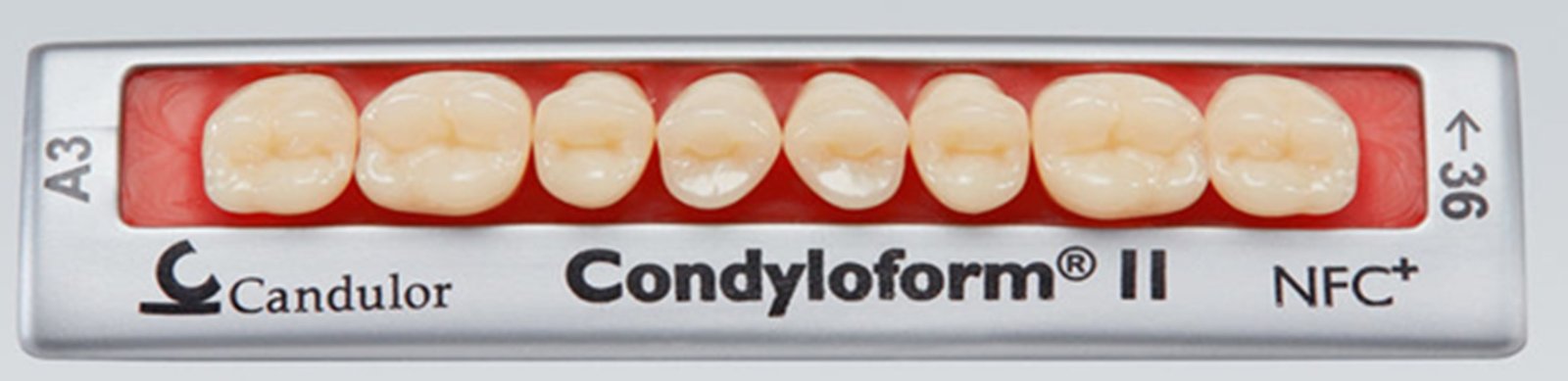
- Nano-Composite Denture Teeth:- One of the most important physical properties of denture teeth used in the restoration of the edentulous patient is wear resistance, as the material works to maintain the properly established vertical dimension and chewing efficiency. New type of denture tooth, fabricated of nanocomposite resin, has recently, been, developed as a highly polishable, stain and impact resistant material. It consists of a comonomer of urethane dimethacrylate (UDMA) and methylmethacrylate (MMA). Polymethylmethacrylate (PMMA), and uniformly dispersed nano - sized filler particles. Based upon the limited aspect of in vitro study results, and for the range of representative materials tested, it appears that the nano - composite denture tooth sued in this study possesses superior surface hardness and wear resistance compared to the conventional acrylic denture tooth.20
- Bonding Agent: - In the past, bonding materials required three steps : etching, priming and bonding, but the all-in-one system integrates these three steps into one; hence, it is also called the "one-step" system.
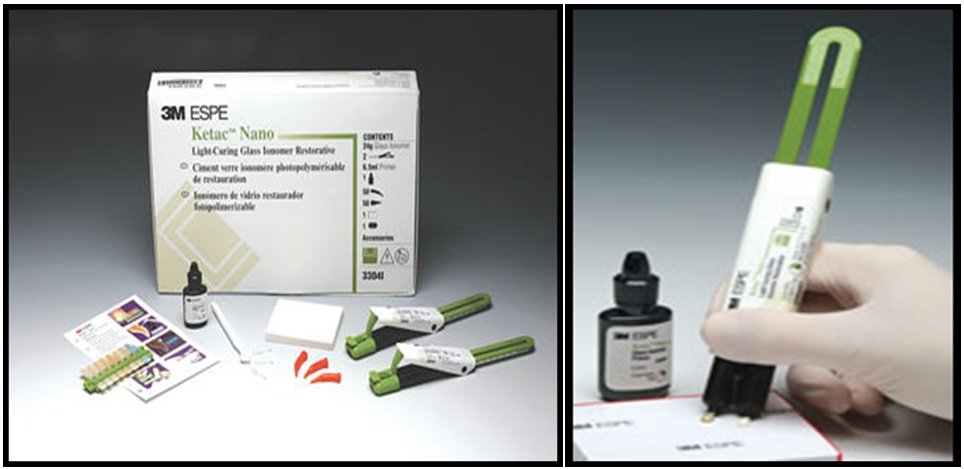
- Nano Light-Curing Glass Ionomer Restorative: The world's first nano-glass-ionomer is Ketac™ Nano Light-Curing Glass Ionomer Restorative. In a clinical evaluation, over 60% of the dentists who used Ketac™ Nano Light-Curing Glass Ionomer Restorative in their practice rated the final overall esthetics the same or better than their current composite restorative material.Advantages include excellent poslish and aesthetics.

Hydroxyapatite nanoparticles used to treat bone defects are;
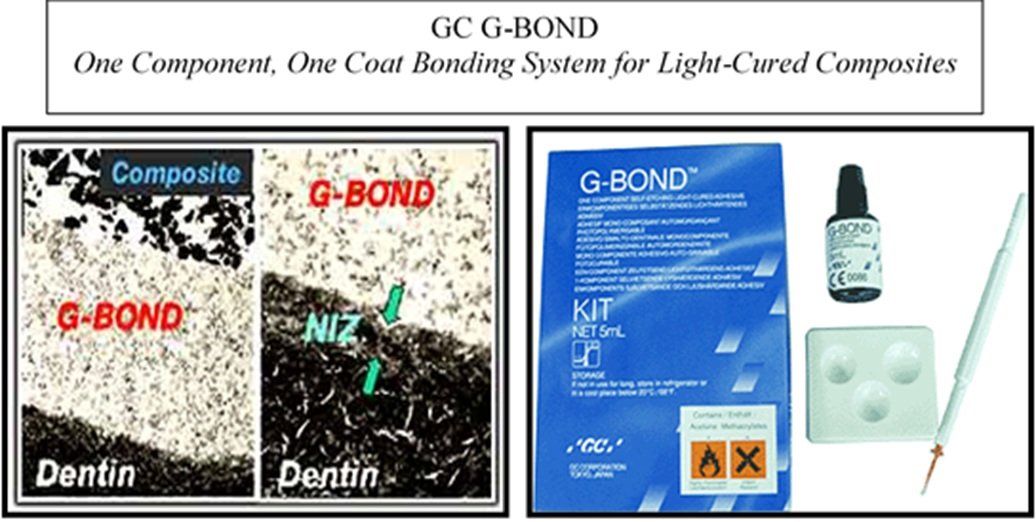
Recently a bonding agent based on nanotechnology is developed called G bond .
The G-Bond one-bottle system, which was launched recently by GC Corporation, eliminates mixing procedures and is easy to handle in daily dental clinical practice. The interface formed by G-bond is totally different from that of the interface formed by earlier bonding materials. The surface of the dentin is decalcified only slightly, and there is almost no exposure of collagen fibers. This suggests that an extremely thin (300 nanometers or less) interface is formed and that in this area, functional monomers contained in the bonding material react with hydroxyapatite at the "nano" level, to form insoluble calcium.
The new one-step adhesive system (G-Bond) produced a very thin laer is regarded as a chemical reacted layer. Therefore, this thin layer is called as the nano-interaction zone (N1Z).
CHALLENEGES IN NANOTECNOLOGY
Challenges Faced By Nanotechnology Are:
- Precise positioning and assembly of molecular scale part
- Economical nanorobot mass production technique
- Biocompatibility
- Simultaneous coordination of activities of large numbers of independent micronscale robots.
- Social issues of public acceptance, ethics, regulation and human safety21
Problems Of Research In Nanotechnology In India
- Painfully slow strategic decisions
- Sub-optimal funding
- Lack of engagement of private enterprises
- Problem of retention of trained manpower
CONCLUSION
Nanotechnology has a potential to transform the field of medicine, as it offers novel opportunities for sensing clinically relevant markers, molecular disease imaging, and tools for therapeutic intervention However, many challenges must be overcome in the field of nanotechnology. Formal interdisciplinary training programmes should be instituted, focusing on basic scientific topics;21 for example molecular biology, colloidal chemistry, cell physiology, surface chemistry, and membrane biophysics towards a common goal of developing newer non invasive technologies that will benify oral health and general health at large. Nanotechnology is destined to become the core technology underlying all of 21st century medicine and dentistry
REFERENCES
- Salata OV. Applications of nanoparticles in biology and medicine. Journal of nanobiotechnology. 2004 Dec;2(1):1-6.
- Singh M, Singh S, Prasad S, Gambhir IS. Nanotechnology in medicine and antibacterial effect of silver nanoparticles. Digest Journal of Nanomaterials and Biostructures. 2008 Sep 1;3(3):115-22.
- Nanotechnology :- Wikipedia
- Kubik T, Bogunia-Kubik K, Sugisaka M. Nanotechnology on duty in medical applications. Current pharmaceutical biotechnology. 2005 Feb 1;6(1):17-33.
- Moshed A, Mohammad A, Islam Sarkar MK, Khaleque M. The Application of nanotechnology in medical sciences: new horizon of treatment. American Journal of Biomedical Sciences. 2017;9(1):1-4.
- Aeran H, Kumar V, Uniyal S, Tanwer P. Nanodentistry: Is just a fiction or future. Journal of oral biology and craniofacial research. 2015 Sep 1;5(3):207-11.
- Book
- Liu S, Han MY. Silicaâ€coated metal nanoparticles. Chemistry–An Asian Journal. 2010 Jan 4;5(1):36-45.
- Ghanbari H, Cousins BG, Seifalian AM. A nanocage for nanomedicine: polyhedral oligomeric silsesquioxane (POSS). Macromolecular rapid communications. 2011 Jul 15;32(14):1032-46.
- Priyadarsini S, Mukherjee S, Mishra M. Nanoparticles used in dentistry: A review. Journal of oral biology and craniofacial research. 2018 Jan 1;8(1):58-67.
- Bonilla-Represa V, Abalos-Labruzzi C, Herrera-Martinez M, Guerrero-Pérez MO. Nanomaterials in Dentistry: State of the Art and Future Challenges. Nanomaterials. 2020 Sep;10(9):1770.
- Letchford K, Burt H. A review of the formation and classification of amphiphilic block copolymer nanoparticulate structures: micelles, nanospheres, nanocapsules and polymersomes. European journal of pharmaceutics and biopharmaceutics. 2007 Mar 1;65(3):259-69.
- Sousa MG, Maximiano MR, Costa RA, Rezende TM, Franco OL. Nanofibers as drug-delivery systems for infection control in dentistry. Expert opinion on drug delivery. 2020 Jul 2;17(7):919-30.
- Patil M, Mehta DS, Guvva S. Future impact of nanotechnology on medicine and dentistry. Journal of Indian society of periodontology. 2008 May;12(2):34.
- Freitas Jr RA. Nanodentistry. The Journal of the American Dental Association. 2000 Nov 1;131(11):1559-65.
- Nagpal A, Kaur J, Sharma S, Bansal A, Sachdev P. Nanotechnology-the Era Of Molecular Dentistry. Indian journal of dental sciences. 2011 Dec 1;3(5).
- Kumar SR, Vijayalakshmi R. Nanotechnology in dentistry. Indian J Dent Res. 2006 Apr 1;17(2):62-5.
- Shetty NJ, Swati P, David K. Nanorobots: Future in dentistry. The Saudi dental journal. 2013 Apr 1;25(2):49-52.
- Meirelles L, Currie F, Jacobsson M, Albrektsson T, Wennerberg A. The effect of chemical and nanotopographical modifications on the early stages of osseointegration. International Journal of Oral & Maxillofacial Implants. 2008 Aug 1;23(4).
- Suzuki S. In vitro wear of nanoâ€composite denture teeth. Journal of Prosthodontics: Implant, Esthetic and Reconstructive Dentistry. 2004 Dec;13(4):238-43.
- Chandki R, Kala M, Kumar KN, Brigit B, Banthia P, Banthia R. ‘Nanodentistry’: Exploring the beauty of miniature. Journal of Clinical and Experimental Dentistry. 2012 Apr;4(2):e119.
Disclaimer from Guident
The views and opinions expressed in articles published in Guident are solely those of the authors and do not necessarily reflect the views of the editors, the editorial board or the publisher, Ivory India. Guident does not endorse any product, technique or treatment described. Clinical content is intended for qualified dental and medical professionals and is not a substitute for individual clinical judgement. Guident, its editors and the publisher accept no liability for any consequence arising from the use of information published in the journal.
How to cite this article
Dr. Amritha Chandran, Dr. Sunil Dhaded. Nanotechnology in Dentistry. Guident. 2022 Feb;15(3-4). Available from: https://guident.in/articles/general/nanotechnology-in-dentistry.html