
"Making Dental Treatment Accessible to the Geriatric Population of India"
CGHS Dental, Ministry of Health and Family Welfare, Safdarjang Hospital, New Delhi, India
INTRODUCTION
India is a vast country with a population of 1 billion people. Of this, people older than 60yearsconstitute 8%which in actual number is 80 million. The dentist: population ratio is 1:27000 inurban areas and 1:30000 in rural areas. 40% of the elderly population lives below the poverty line and 73% are illiterate. 90% of the elderly has no social security and dependency ratio is 12.26%.Incidence of Oral Cancer which is considered an old-age disease is highest in India, 13.5% of all body cancers are oral cancers. Studies have shown that poor oral health of elderly population can impact nutritional intake which can be detrimental to their wellbeing. Furthermore, oral diseases such as dental caries, also known as tooth decay, and periodontal disease, which refers to a chronic bacterial infection of the gums and bone supporting the teeth, commonly, affect the population. Left untreated, these diseases can result in pain and discomfort for the elderly, thus affecting their overall quality of life. Recently, it has been recognized that oral infection, especially periodontitis, may affect the course and pathogenesis of a number of systemic diseases, such as cardiovascular disease, bacterial pneumonia, diabetes mellitus, weight loss, depression, anxiety and many more systemic diseases.
Preventive dental care is almost nonexistent to the rural masses and very limited in the urban areas.
Above all, there is no orientation of dental graduates towards the special needs of geriatric population.
Hence the need for setting up a Geriatric Dental Care clinic in India in form of CGHS Geriatric Dental unit is much required for creating a Dental awareness and subsequently Dental
treatment primarily amongst the elderly population of India.
Also education in Geriatric Medicine is in its infancy in India and Geriatric Dentistry is almost nonexistent.
I also proudly announce the sole privilege to be guided and associated with the one and only pioneer Geriatric Dental professional Dr.P.G.Diwan whose vision is to make Geriatric Dentistry readily available to all elderly population of India. His book on Geriatric Dentistry “Geriatric Dentistry In India” is the only book on this subject written by Indian author.
Hence keeping in mind the demographic status of India I at CGHS Dental Clinic want to bring a revolutionary change in the country regarding this field of Dentistry.
PROJECT GOAL
The idea is to provide easy access to dental awareness and dental treatment through the CGHS Geriatric Dental clinic in India and provide best Dental Care services to all through community.
The geriatric dental charitable clinic will work towards providing best dental care through oral health education and affordable dental treatments.
Most of the dental diseases are the sequelae of neglect in the early years of life, for example, consumption of a cariogenic diet, lack of awareness regarding preventive aspects, and habits like smoking and/or tobacco, pan, and betel nut chewing. Our CGHS Geriatric dental clinic projects are designed and developed to provide dental care as well as dental awareness to the needy people in India, where there is no or minimum access to dental care provider mostly in the rural part of India.
Studies have shown that maintaining a healthy mouth may keep our body healthier and help avoid diabetes, heart disease, and stroke.. People who do not have teeth still need to visit the dentist regularly, since many aspects of oral health, such as adjusting dentures and oral cancer screenings, can be handled during routine dental visit. Henceforth the Prime Objective of the CGHS Geriatric Dental Clinic is providing Dental Access to that part of Indian population for whom Dental treatment is completely inaccessible.
CONCEPT
Geriatric dentistry or geriodontics is the delivery of Dental care to older adults involving diagnosis, prevention, and treatment of problems associated with normal aging and age-related
diseases as part of an interdisciplinary team with other health care professionals.
Currently the old age population in India is around 8% amounting to over 80 million and expected to reach 12% in 2025. The world population of elderly individuals is expected to reach 830 million by 2025, of which India alone will contribute to 110 million, which means one out ofevery 7 aged persons in the world will be an Indian.
India is seeing a colossal speeding demand for Geriatric Dentistry, the science of Dental care explicitly for the older generation dealing in diagnosis, beautification of smile and cosmetic dental care procedures. Geriatric dentistry is the delivery of dental care to older adults
involving Diagnosis, Prevention and Treatment of problems associated with normal aging and
age related diseases.
Older individuals are more likely to require repair and restorative dental products, such as crowns, bridges or dentures, than other segments of the population. Geriatric dentistry involves painless procedures specifically for the teeth, mouth, and gums of older individuals, generally
those over 55 years of age.
PROBLEMS IN ORAL HEALTHCARE FOR THE ELDERLY
The Dental diseases that the elderly are particularly prone to are root caries attrition,periodontal diseases, missing teeth because of earlier neglect, edentulous, poor quality alveolar
ridges, ill-fitting dentures, mucosal lesions, oral ulceration, dry mouth (xerostomia), oral cancers, and rampant caries. Many of these are the sequelae of neglect in the early years of life, for example, consumption of a cariogenic diet, lack of awareness regarding preventive aspects, and habits like smoking and/or tobacco, pan, and betel nut chewing. All these problems may increase in magnitude because of the declining immunity in old age and because of coexisting medical problems. As a result of poor systemic health, the elderly patient often does not pay sufficient attention to oral health. In addition, medications like antihypertensives, antipsychotics, anxiolytics, etc., lead to xerostomia, and the absence of the protective influences of saliva in the oral cavity increases the predisposition to oral disease. Financial constraints and lack of family support or of transportation facilities affect access to dental services in later life. The untreated oral cavity has its deleterious effects on comfort, aesthetics, speech, mastication.
Due to advances in medicine and an increase in prolonged life expectancy, the number of olderpeople will continue to increase worldwide. It is essential that all older adults practice and maintain good oral hygiene due to the high correlation between oral health and general health.
Maintaining good oral health is not only vital to your systemic health—it can keep us smiling well into retirement. Brushing at least twice a day with fluoridated toothpaste and a soft-bristle brush is as important as ever. Flossing is very important, too—it helps to remove plaque from between teeth and below the gumline that our toothbrush cannot reach.
As we age, we may be more likely to develop gingivitis. Gingivitis is caused by the bacteria found in plaque that attack the gums. Symptoms of gingivitis include red, swollen gums and
bleeding when you brush. If we have these symptoms, see a dentist. Gingivitis can lead to periodontal disease if problems persist. In the worst cases, bacteria form in pockets between the teeth and gums, weakening the bone and causing the gums to recede, pulling back from teeth. This can lead to tooth loss if left untreated. As we age, changes in salivary flow and content may further lead to gingivitis, as well as cavities. Because approximately 80 percent of all American adults suffer from some form of gingivitis, it’s important to see your dentist twice a year for regular cleanings and checkups. If regular oral care is too difficult dentist can provide alternatives to aid in brushing and floss.
Oral cancer is one of the most common cancers and most often occurs in people who are older than age 40. Oral cancer can form in any part of the mouth or throat. If not diagnosed and treated in its early stages, oral cancer can spread, leading to chronic pain, loss of function, irreparable facial and oral disfigurement following surgery, and even death. Oral cancer has one of the lowest five-year survival rates of all cancers; this is primarily due to late diagnosis. See a dentist immediately if any of the following: red or white patches on gums or tongue, a sore that fails to heal within two weeks, bleeding in mouth, loose teeth, problems or pain swallowing, or a lump in your neck.
As we age, may develop dry mouth. Dry mouth (xerostomia) happens when salivary glands failto work due to disease, certain medications, or cancer treatment. The condition can make it hard to eat, swallow, taste, and speak. Drinking lots of water and avoiding sweets, tobacco, alcohol, and caffeine are some ways to fight dry mouth. Dentists also can prescribe medications to ease the symptoms of severe dry mouth.
Studies have shown that maintaining a healthy mouth may keep our body healthier and help avoid diabetes, heart disease, and stroke. People who do not have teeth still need to visit the dentist regularly, since many aspects of oral health, such as adjusting dentures and oral cancer
screenings, can be handled during routine dental visit.
NEED FOR PREVENTIVE SERVICES IN GERIATRIC DENTISTRY
Although the elderly are retaining their dentition longer than in the past, dental morbidity prevalence of dental diseases continues to be high. Presence of root caries, periodontal disease and xerostomia are oral diseases that are found majorly affecting the older population. Despite these conditions affecting the elderly being treatable or preventable, many of the elderly do not avail the needed treatment.
This may because, most of the current older than 60 were not introduced to the concept of preventive dentistry at a young age and thus are not inclined to it. Many still hold the opinion
that tooth loss is a normal part of the aging process and is not preventable. Others have adapted to a compromised oral health status and seek treatment only when an emergency
arises.
PROBLEMS OF PROVIDING PREVENTIVE DENTAL CARE FOR ELDERLY PEOPLE
One of the major challenges in providing restorative as well as preventive care for elderlypeople is to develop an appreciation of the need for regular care. Globally, poor oral health
among older people has particularly been seen in a high level of tooth loss, dental caries experience, high prevalence rates of periodontal disease, xerostomia, and oral
precancer/cancer.
The basis of prevention is related to detecting disease at the earliest possible stage, which requires regular patient contact. The many factors that are known to influence older people’sutilization of dental services directly or indirectly can be divided into four main categories.
Why is there a comparatively low utilization rate for dental care of the elderly despite thenormative and perceived needs? Why has this market not been targeted? Why aren’t
graduating dental students more willing to fill this void?
Possible answers to these questions include:
1. Illness and health related factors
• Oral health status.
• Experiencing discomfort.
• General ill health.
• Mobility, functional limitation.
2. Socio-demographic factors
• Place of residence.
• Education.
• Income.
• Age.
• Sex.
• Culture.
• Ethnicity.
3. Attitudinal or subjective factors.
Preventive dental care for elderly people
The design and implementation of comprehensive preventive dentistry protocols for elders
presents the dental profession.
• Personal beliefs.
• Feeling no need, perceived need.
• Perceived importance.
• Fear and anxiety.
• Resistance to change.
• Perceived financial strain.
• Satisfaction with dental visits.
Why is there a comparatively low utilization rate for dental care of the elderlydespite the normative and perceived needs? Why has this market not beentargeted? Why aren’t graduating dental students more willing to fill this void?Possible answers to these questions include:
- Lack of experience and fear when treating geriatric problems; lack of financial incentives.
- Transportation and access problems to the dental office;
- Special problems that exist in providing dentistry to homebound and institutionalized patients;
- Negative attitudes toward the elderly’s need for dental care and their low perception and motivation for oral health care;
- The poor oral health status of the elderly, resulting in an edentulous state or teeth compromised by periodontal disease;
- Difficulties dealing with debilitating and life-threatening illnesses;
- The problem of informed consent and of family members or residential facilitystaff members with negative attitudes.
Diagnostic, Preventive and Curative Dentistry Components to beexecuted in CGHS Geriatric Dental clinic especially for Geriatric Patients.
Hence in our CGHS Geriatric Dental unit our dentists and staff are highly skilled, caring, and dedicated to serving seniors and those with special needs. We will also provide Mobile Dental Care for the homebound senior citizens.
We shall offer comprehensive dental treatment including
1. Dental cleanings/Scaling
2. Fillings, crown and bridge work.
3. Dentures and partial dentures
4. Extractions.
5. Root canals treatments
6. Implants
7. Periodontal Surgeries
8. Oral and maxillofacial Surgeries.
9. Treatment and referral and follow ups of Oral Cancer patients.
COUNSELING AND EDUCATION
Preventive dentistry counseling for the geriatric patient includes two components:
- Education
- Motivation
Patient education includes a discussion with the patient of the causes of current and pastoral disease and means of intervention and prevention of future disease. Discussion of etiology should be complete, but appropriate to the level of understanding of the individual elderly person.
When one is providing instruction in home care procedures, whether teaching the elderly person himself or a caregiver, a simple yet effective model the
dentist should practice a simple yet effective model.
Tell---Show---Do
1. Tell or explain the procedure:
2. Show or demonstrate the procedure:
3. Finally, the learner can do or practice the technique until he has mastered the
skills involved in performing it effectively.
The last step is the most important one if the learner is to develop proficiency.
Counseling and adherence
Possession of preventive knowledge and skills alone will not ensure the elderly person’s attainment of the goal of preventive counseling that is, maintenance of optimal oral health status. The dental professional and patient must establish a therapeutic alliance, whereby each is committed to performing the activities necessary to achieve this goal. The patient must be convinced that ultimately only he can help himself by adhering to the recommended preventive measures. The dentist should work to dispel the misconception that oral disease is an inevitable consequence of aging, and that; consequently, the attempt to prevent oral disease is a futile effort.
Thus, the oral health services should be organized and developed to secure adequate early detection, prevention and treatment of oral health problems for all elderly people, whether living at home or in hospitals or in institutions. The achievement of such a service goes beyond what the dental profession can do alone. It requires the involvement of other
health professionals, health care workers of the elderly people.
PROJECT AREA
Facility Location (PILOT PROJECT AREAS FOR START UP)
1. CGHS DENTAL POLYCLINIC, PUSA ROAD DISPENSARY, NEW DELHI.
2. CGHS DENTAL SAFDARJUNG HOSPITAL, NEW DELHI
The space of the Geriatric Dental Clinic will consists of a reception area,
an appointment desk, a consultancy room, 1 dental operatory, a
sterilization area, darkroom, storage, and restroom.
INTRUMENTS REQUIRED
1. Dental operatory (specification attached in hard copy)
2. Dental instruments
3. X RAY MACHINE (Specification and invoice attached in hardcopy)
4. Dental material
Dental Services Offered
Services include all the dental procedures including dental examinations, x-rays, scaling, and extractions, root canals, apicoectomy, periodontal surgeries.
Primary treatment will include examinations, prevention, relief of pain, Secondary treatment will includes restorations, extraction and root canals, and tertiary treatments will include restoration of missing teeth through bridges or dentures. Our patients have an end point of dental health that is maintainable with minimal effort and expense over time.
Clinic Hours
The Geriatric Dental Clinic in CGHS Polyclinic, Pusa Road Dispensary will be held 2 days in a week from 9am to 2pm .
And in CGHS Dental Safdarjung Hospital one day in a week from 9am to 4pm.
DENTAL EQUIPMENT SUPPLY PREFERENCE
The full-time dentist in charge of the Geriatric Dental clinic will develop a list of materials and equipment as an indent supply. The HOD will evaluate and add those items which are practical and essential to the material supply to the usual indent every month.
ISSUES AND RISKS
“One primary issue can be “who will take care of the Geriatric clinic if the concerned dentist is on leave.”
A. This problem can be managed by sending out a prior intimation mail to all the dispensaries about the absence of the dentist on that particular day.
B. If possibility permits a relieving Dentist can also be posted on that particular day.
This action will prevent unnecessary harassment to the senior citizens. Risk
Risk
Risk management at the Geriatric Dental Clinic will include basic Emergency preparation as well as Dental Emergency preparation.
Preparation for Emergencies
Most emergencies can be prevented by adequate preparation of the patient and staff. The following are suggested guidelines:
1. Obtain a medical history on every patient and update it at each visit. Obtain physician consultation where necessary.
2. When confirming appointments, remind patients to take their normal medications on the day of their appointment. Procedures should be scheduled around meal times for diabetics. Patients using inhalers or nitroglycerin should have these with them in the event an asthma or angina attack is precipitated by the stress of dental treatment.
3. Staff members should be trained to monitor and interpret vital signs. These should be taken at the initial visit as a “baseline reading” and at each subsequent visit for those patients whose medical history indicates they may be “at risk.”
4. All staff members should be trained in basic first aid procedures and basic lifesupport (CPR).
TEAM AND DAILY OPERATION
Patients referred from the dispensaries/walk-in CGHS beneficiaries--registration of geriatriatric patients on priority at the OPD counter-- patientguided to the geriatric clinic complete medical/dental history of patient takenwith bp check up, patient contact number noted for further follow up-patient guided to dental chamber dentist attend the patient-provision for home visitsof geriatric dental patients if needed.
CRITICAL DECISION MAKERS
The Critical Decision makers in case of treatment of the patient will be thedentist treating the particular patient. Apart from the treatment part the decision maker will the advisory board which will incorporate members as nominated by the Director, CGHS, Ministry of Health and Family Welfare.
CONCLUSION
After having an extensive discussion on Geriatric Dentistry I would like to mention that I am a practicing Dental Surgeon working for the Ministry Of Health and Family Welfare, and presently posted in Safdarjung Hospital, Pusa Road Dispensary and Supreme Court Of India.
The introduction of Geriatric care in the field of Dentistry is first of its kind Project in India in the Government Hospitals. Though such successful operations
are carried out in most of the developed and developing countries of the world but in India CGHS will be the pioneer in Geriatric Dentistry project.
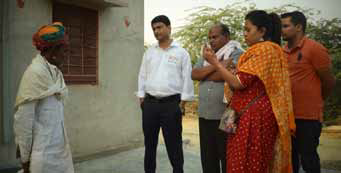
Apart from introducing this project with the Government Of India I am also working on it in the rural India. At present I have been able to work in seven states of India under the name “DRISHTIKON” SMILE FOR ALL.
I am also an honorary consultant to an NGO “Drishti Foundation Trust” which has specially supported me in spreading dental and oral health awareness in RURAL INDIA. Social media has created a massive awareness and I have more than 100 Dental Surgeon volunteers supporting me in this awareness program PAN INDIA.”
ON A MISSION TO MAKE DENTAL CARE AVAILABLE TO THOSE WHO CAN’T AFFORD


Disclaimer from Guident
The views and opinions expressed in articles published in Guident are solely those of the authors and do not necessarily reflect the views of the editors, the editorial board or the publisher, Ivory India. Guident does not endorse any product, technique or treatment described. Clinical content is intended for qualified dental and medical professionals and is not a substitute for individual clinical judgement. Guident, its editors and the publisher accept no liability for any consequence arising from the use of information published in the journal.
How to cite this article
Dr. Ankita Chandra Department of Dentistry. "Making Dental Treatment Accessible to the Geriatric Population of India". Guident. 2016 Aug;9(9). Available from: https://guident.in/articles/general/making-dental-treatment-accessible-to-the-geriatric-population-of-india.html


