
A Digital Multidisciplinary Approach to Smile Rehabilitation: Clear Aligner, Guided Biofilm Therapy, and E.max Veneers: A Case Report
Jaipur, India, The Tooth Clinic, Bareilly, Uttar Pradesh, India
ABSTRACT
Dental malalignment, forwardly positioned teeth, irregular tooth arrangement, and dental fluorosis can adversely affect smile esthetics, tooth proportions, and patient confidence. Contemporary digital dentistry allows orthodontic and restorative procedures to be integrated into a coordinated treatment sequence. This case report describes the multidisciplinary esthetic rehabilitation of a 33-year-old patient presenting with forwardly positioned and malaligned anterior teeth, irregularity, and dental fluorosis. Clear aligners clear aligner therapy was selected to correct the malocclusion and establish improved tooth positioning before definitive restorative treatment. The orthodontic phase was completed in approximately six months, with periodic treatment visits for clinical monitoring and assessment of treatment progress. Following orthodontic correction, Guided Biofilm Therapy (GBT) was performed to achieve professional biofilm and stain removal and optimize the oral environment before restorative rehabilitation. Residual esthetic concerns associated with fluorosis and tooth morphology were subsequently managed using lithium-disilicate E.max veneers. The veneers were digitally designed and fabricated using a CEREC CAD/CAM workflow and delivered during the same clinical visit. This integrated approach combined orthodontic correction, professional biofilm management, and digitally planned ceramic rehabilitation within a relatively short treatment period. The treatment resulted in improved tooth alignment and enhancement of tooth color, morphology, and overall smile harmony. This case highlights the potential of integrating Clear aligners, Guided Biofilm Therapy, and same-day CEREC E.max veneers for comprehensive esthetic rehabilitation in appropriately selected adult patients.
Keywords: dental fluorosis, Clear aligners, Guided Biofilm Therapy, E.max veneers, CEREC, CAD/CAM
INTRODUCTION
Dental malalignment and irregular tooth positioning are common concerns among adult patients seeking esthetic dental treatment. Forwardly positioned anterior teeth may influence the patient's facial profile, smile harmony, tooth display, and overall perception of dental attractiveness. Orthodontic correction is therefore often required before definitive restorative treatment when tooth position contributes significantly to the patient's esthetic concern.
Clear aligner therapy has become an increasingly popular orthodontic option among adults because of its esthetic appearance, removability, and ability to integrate with digital treatment planning. Clear aligners therapy can provide effective correction of selected malocclusions when appropriate case selection, digital planning, attachment design, and patient compliance are maintained. The predictability of individual tooth movements varies according to the complexity of the required movement, making accurate diagnosis and treatment planning essential.1,2
Dental fluorosis is a developmental enamel alteration associated with excessive fluoride exposure during tooth development. Its clinical appearance ranges from mild opaque or white changes to more pronounced discoloration, surface irregularities, and pitting. When anterior teeth are affected, fluorosis can become an important esthetic concern for adult patients. Treatment selection should be based on the severity and depth of enamel involvement, with conservative treatment preferred whenever it can achieve the desired esthetic result.3
Management of dental fluorosis may include bleaching, enamel microabrasion, resin infiltration, composite restorations, or ceramic restorations depending on the clinical presentation. Conservative approaches may provide satisfactory improvement in appropriately selected cases, whereas more extensive discoloration, surface defects, or combined esthetic concerns may require restorative intervention.4
Professional biofilm management is an important component of comprehensive dental rehabilitation. Guided Biofilm Therapy (GBT) provides a structured approach to professional biofilm removal and oral hygiene reinforcement. Establishing an adequately clean and healthy oral environment before definitive adhesive restorative treatment is particularly important for predictable clinical outcomes and long-term maintenance.5
Lithium-disilicate ceramics such as E.max provide favorable optical properties and are widely used for esthetic anterior restorations. When adequate enamel preservation, adhesive protocols, and case selection are maintained, minimally invasive ceramic veneers can provide predictable esthetic rehabilitation. The integration of CAD/CAM technology, including CEREC, further allows digital scanning, restoration design, chairside fabrication, and delivery during a single restorative appointment.6
The present case report describes the multidisciplinary management of a 33-year-old patient with forwardly positioned and malaligned teeth, irregularity, and dental fluorosis using Clear aligners orthodontic therapy followed by Guided Biofilm Therapy and same-visit CEREC-fabricated E.max veneers. The total treatment period was approximately six months.
CASE REPORT
PATIENT INFORMATION
A 33-year-old female presented with an esthetic concern involving the anterior teeth. Her chief complaints included forwardly positioned and malaligned teeth, irregular tooth arrangement, and discoloration associated with dental fluorosis. Medical and dental histories were recorded, followed by clinical and periodontal examinations, intraoral and extraoral photography, digital intraoral scanning, and appropriate radiographic investigations. Based on the findings, an interdisciplinary treatment approach was planned to improve tooth alignment, manage fluorotic discoloration, enhance tooth morphology, and achieve overall smile harmony within approximately six months. [Figure 1]
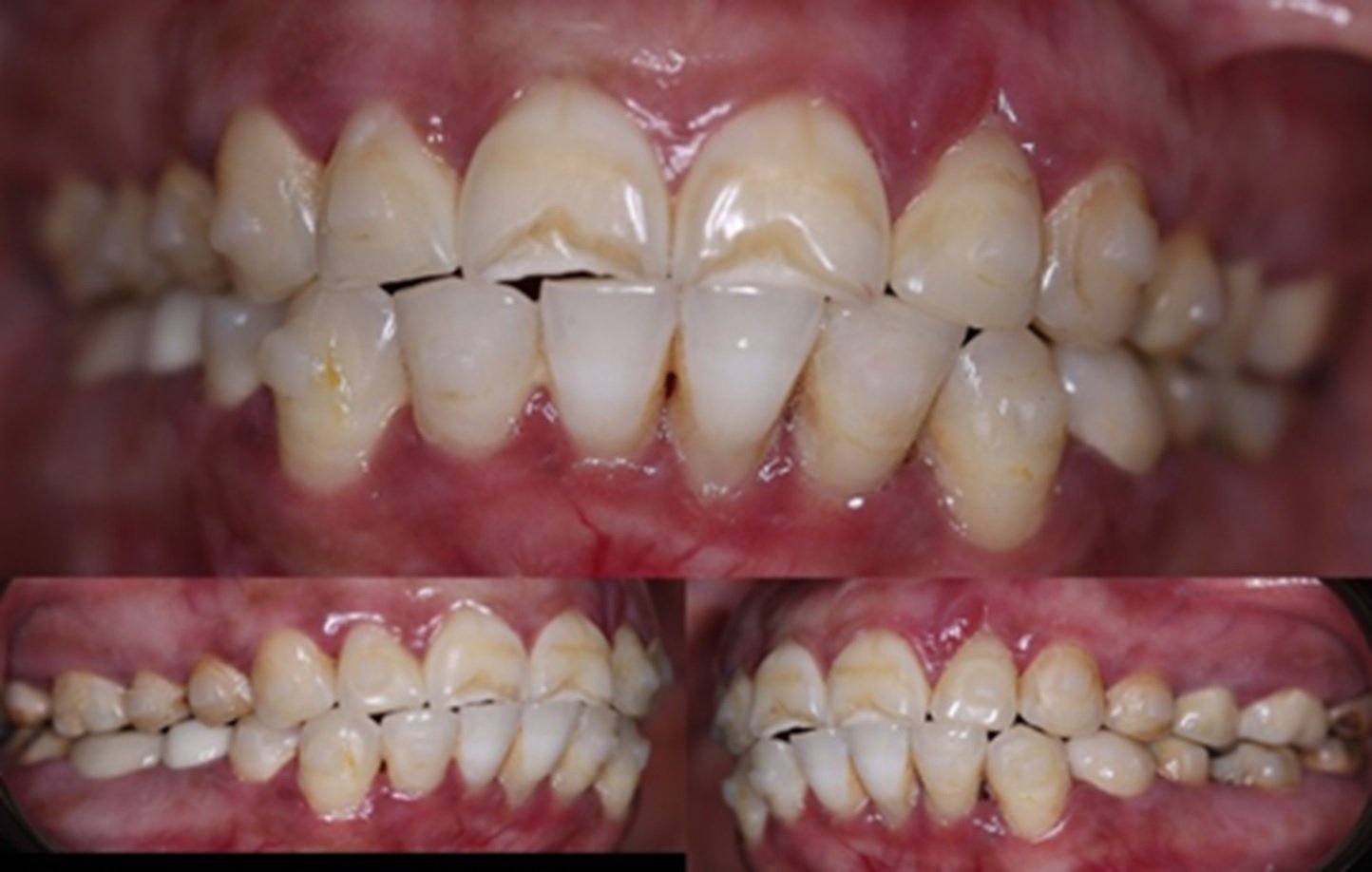
Figure 1: Pre-operative intraoral images
DIAGNOSIS AND TREATMENT PLANNING
Clinical examination revealed anterior malalignment with a forwardly positioned appearance and irregular tooth arrangement, accompanied by visible fluorotic changes. As both tooth position and tooth appearance contributed to the patient's esthetic concerns, treatment was planned in sequential orthodontic, preventive, and restorative phases. Clear aligners clear aligners were selected for orthodontic correction, followed by Guided Biofilm Therapy (GBT) to optimize oral hygiene. Residual discoloration and morphological irregularities were subsequently planned for correction using E.max lithium-disilicate veneers fabricated through a digital CEREC workflow.
ORTHODONTIC TREATMENT USING CLEAR ALIGNERS
Following digital treatment planning, Clear aligners clear aligner therapy was initiated to correct the anterior malalignment and improve tooth positioning. The patient was instructed to wear the aligners for approximately 22 hours per day, removing them for meals and oral hygiene. Each aligner was changed weekly under the supervision of Dr. Gaurav Gupta. Treatment progression and compliance were monitored through the Clear aligners app/portal, with communication and assessment guiding progression to the subsequent aligner.
Regular follow-up evaluations were performed to assess aligner fit, tooth movement, oral hygiene, and treatment progress. Approximately six months of active aligner therapy resulted in improved anterior alignment and positioning, providing a favorable foundation for the restorative phase.[Figure 2]

Figure 2: Patient wearing clear aligners
GUIDED BIOFILM THERAPY
Following orthodontic correction, Guided Biofilm Therapy was performed to establish effective biofilm control before definitive restorative treatment. Biofilm disclosure was used to identify areas requiring attention, followed by professional removal of biofilm and extrinsic deposits according to the GBT protocol. Individualized oral hygiene instructions were reinforced to support long-term periodontal health and maintenance.
ESTHETIC ASSESSMENT AND RESTORATIVE PLANNING
After orthodontic treatment and GBT, the anterior teeth were reassessed for color, shape, proportions, symmetry, surface characteristics, and incisal edge position. Although orthodontic treatment corrected the malalignment, fluorotic discoloration and morphological irregularities remained. E.max lithium-disilicate veneers were therefore planned for the indicated teeth. A conservative preparation approach was adopted to preserve sound tooth structure while improving tooth proportions, color, and smile esthetics.
DIGITAL CEREC WORKFLOW AND E.MAX VENEERS
Following conservative preparation, digital impressions were obtained using an intraoral scanner and transferred to the CEREC CAD/CAM system. The veneers were digitally designed according to the desired tooth proportions, incisal edge position, facial contours, symmetry, and overall smile characteristics.
The restorations were fabricated from E.max lithium-disilicate ceramic using the chairside CEREC workflow. Each veneer was clinically evaluated for marginal adaptation, proximal contacts, morphology, shade, occlusion, phonetics, and esthetic integration. After satisfactory evaluation and patient approval, the veneers were adhesively bonded according to the manufacturer's recommendations and the established clinical protocol. The digital workflow allowed the veneers to be designed, fabricated, evaluated, and delivered during the same clinical appointment, without a separate laboratory delivery visit.
TREATMENT DURATION
The complete active treatment was completed in approximately six months. The treatment sequence consisted of Clear aligners therapy followed by Guided Biofilm Therapy and definitive E.max veneer rehabilitation. Digital orthodontic planning and chairside CAD/CAM fabrication facilitated an efficient and coordinated treatment protocol.
CLINICAL OUTCOME
At the completion of treatment, marked improvement in anterior tooth alignment and positioning was observed following Clear aligners therapy. Guided Biofilm Therapy provided improved biofilm control before restorative rehabilitation. The remaining fluorotic discoloration and morphological irregularities were addressed with E.max lithium-disilicate veneers, resulting in improved tooth color, contour, proportions, symmetry, and overall smile esthetics. The integrated orthodontic, preventive, and restorative approach successfully addressed the patient's primary esthetic concerns within approximately six months, with the patient expressing satisfaction with the final outcome.[Figure 3]

Figure 3: Post-operative photos
DISCUSSION
Adult esthetic dental rehabilitation frequently requires correction of both tooth position and tooth appearance. In this case, the forwardly positioned and malaligned teeth represented an orthodontic component, while fluorosis and tooth morphology represented restorative esthetic concerns. A sequential treatment approach was therefore selected rather than attempting to address all concerns through restorative treatment alone.1
The decision to perform orthodontic correction before veneer placement was particularly important. Correcting tooth position first can provide a more favorable foundation for restorative treatment and may reduce the need for excessive restorative tooth preparation. In the present case, Clear aligners therapy allowed the malocclusion and tooth positioning to be addressed before definitive ceramic rehabilitation.1
Clear aligners have become an established option for adult orthodontic treatment. Their esthetic advantages and removability make them attractive to patients who may be reluctant to undergo conventional fixed orthodontic treatment. However, evidence indicates that predictability varies between different types of tooth movement, and clinicians should carefully assess the initial malocclusion and treatment objectives before selecting clear aligner therapy.2
The approximately six-month orthodontic treatment period observed in this case represents the outcome of an individually planned treatment and should not be interpreted as a universal treatment duration. Factors such as initial tooth position, movement requirements, aligner compliance, biological response, and treatment complexity influence treatment duration.6
Dental fluorosis can produce varying degrees of enamel discoloration and surface alteration. Treatment should be individualized according to severity and the patient's expectations. Conservative methods such as bleaching, microabrasion, and resin infiltration may be appropriate for selected cases, whereas ceramic restorations can be considered when more comprehensive changes in tooth color, morphology, or surface characteristics are required.3
In this patient, the residual fluorosis-related esthetic concern was managed after orthodontic correction using E.max lithium-disilicate veneers. This sequence allowed the restorative treatment to be designed on teeth whose positions had already been orthodontically optimized.4
The role of oral hygiene and biofilm control is particularly important when adhesive ceramic restorations are planned. Guided Biofilm Therapy was therefore incorporated before the definitive restorative phase. Professional biofilm removal and reinforcement of home-care measures helped establish appropriate oral conditions before veneer placement.5
The use of CEREC CAD/CAM technology further simplified the restorative workflow. Digital scanning and computer-aided design allowed the restorations to be planned according to the post-orthodontic tooth positions. Chairside fabrication permitted the E.max veneers to be delivered during the same clinical visit.5
The integration of orthodontics and restorative dentistry also allowed the final smile design to be considered from the beginning of treatment. Instead of treating malalignment and fluorosis as separate problems, the treatment plan coordinated tooth position, morphology, shade, and overall smile harmony.6
This report describes a single patient with a relatively short treatment and observation period. Long-term follow-up is necessary to evaluate the periodontal condition, stability of orthodontic correction, ceramic integrity, marginal adaptation, color stability, and patient satisfaction.
CONCLUSION
This case demonstrates the potential of an integrated digital approach for the esthetic rehabilitation of an adult patient with forwardly positioned and malaligned teeth, irregularity, and dental fluorosis. Clear aligners clear aligner therapy was used to correct the malocclusion and improve tooth positioning over approximately six months. Guided Biofilm Therapy was subsequently performed to optimize professional biofilm control before definitive restorative treatment. The residual esthetic concerns associated with fluorosis and tooth morphology were addressed using E.max lithium-disilicate veneers fabricated through a CEREC CAD/CAM workflow and delivered during the same clinical visit.
The sequential combination of orthodontic correction, professional biofilm management, and same-day digital ceramic rehabilitation provided a comprehensive approach to smile enhancement within a relatively short treatment period. Appropriate diagnosis, case selection, conservative preparation, digital planning, patient compliance, and long-term maintenance remain essential for achieving predictable outcomes.
REFERENCES
- Papadimitriou A, Mousoulea S, Gkantidis N, Kloukos D. Clinical effectiveness of Clear aligners orthodontic treatment: a systematic review. Prog Orthod. 2018;19(1):37.
- Javed F, et al. Clear aligner treatment: indications, advantages, and adverse effects—a systematic review. Medicina (Kaunas). 2025;61.
- Effectiveness of clear orthodontic aligners in correcting malocclusions: a systematic review and meta-analysis. J Evid Based Dent Pract. 2025;25(1):102081.
- Seneviratne CJ, et al. Interventions for dental fluorosis: a systematic review. J Esthet Restor Dent. 2018;30(4):311-319.
- Zhao X, Yanfang R, Yibo H. Esthetic management of dental fluorosis: minimally invasive techniques. Int Dent J. 2025;75(Suppl 1):108282.
- Chaple Gil AM, Pereda Vázquez L, Santiesteban Velázquez M, Menendez JJ. Minimally invasive treatments for dental fluorosis: a network meta-analysis of esthetic masking efficacy. J Esthet Restor Dent. 2026;38(7):1323-1337.
Disclaimer from Guident
The views and opinions expressed in articles published in Guident are solely those of the authors and do not necessarily reflect the views of the editors, the editorial board or the publisher, Ivory India. Guident does not endorse any product, technique or treatment described. Clinical content is intended for qualified dental and medical professionals and is not a substitute for individual clinical judgement. Guident, its editors and the publisher accept no liability for any consequence arising from the use of information published in the journal.
How to cite this article
Dr. Gaurav Gupta, Dr. D.K. Gupta, Dr. Anirudh AgarwalWisdom Dental Clinics ®, Dr. Richa Gupta. A Digital Multidisciplinary Approach to Smile Rehabilitation: Clear Aligner, Guided Biofilm Therapy, and E.max Veneers: A Case Report. Guident. 2026 Sep;19(10). Available from: https://guident.in/articles/orthodontics/a-digital-multidisciplinary-approach-to-smile-rehabilitation-clear-aligner-guided-biofilm-therapy-and-e-max.html

