Rehabilitation of a Retired Dentist with Compromised Periodontal Condition Using Corticobasal Implant Therapy: A Case Report
Dentonic Oral Surgery Implant Centre Rajbagh, Srinagar, J&K
ABSTRACT
Edentulism associated with advanced periodontal breakdown poses significant challenges in elderly patients. This case highlights the rehabilitation of a retired female dentist who presented with a severely compromised dentition, few remaining non-functional teeth, and poor oral hygiene. Despite her professional background, she had neglected progressive restorative dentistry. Motivated by her undergraduate dental student daughter, the patient sought treatment and was successfully managed using immediate corticobasal implant therapy. This report emphasizes the role of modern implant systems in restoring function, confidence, and quality of life in patients with advanced periodontal compromise.
Keywords: Corticobasal implants, Immediate loading, Periodontal disease, Edentulism, Implant rehabilitation
INTRODUCTION
Periodontal disease remains one of the leading causes of tooth loss in elderly patients. In individuals with severely compromised dentition, conventional prosthodontic approaches often provide limited success due to poor bone support. Corticobasal implants offer a unique solution by engaging the basal cortical bone, enabling immediate functional loading even in compromised cases. This report documents the rehabilitation of a retired dentist who, despite her professional background, had neglected modern restorative dentistry and presented with a severely deteriorated oral condition.
CASE PRESENTATION
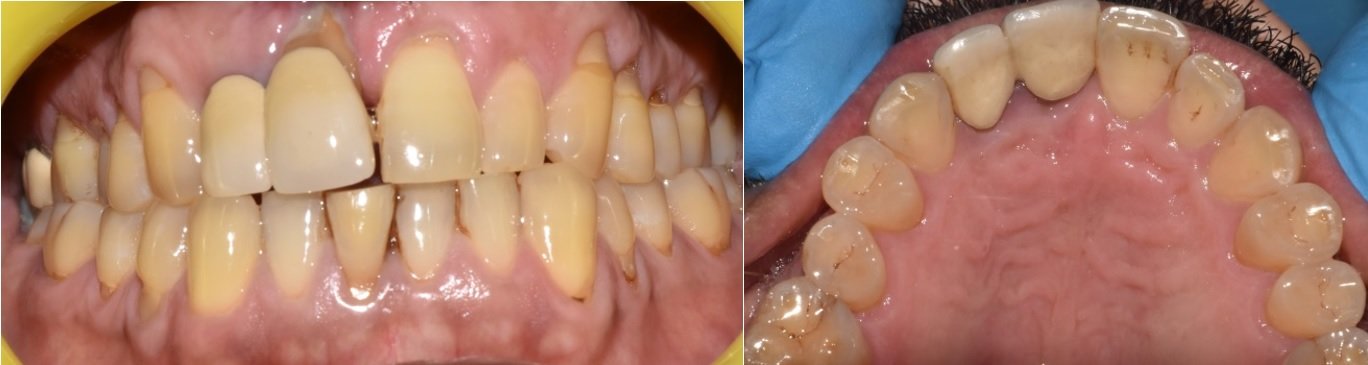
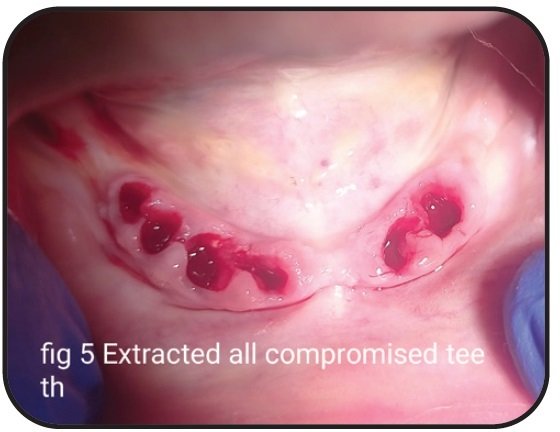
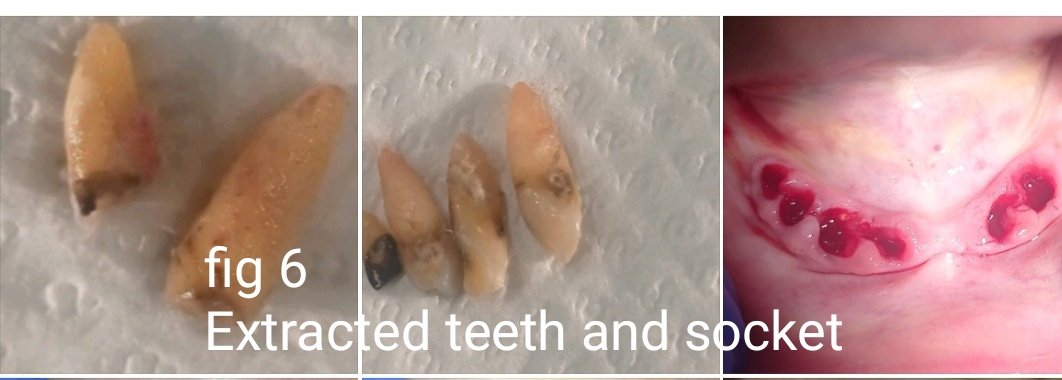
A female dentist, nearing retirement age, presented to our clinic with her daughter, an undergraduate dental student, who expressed concern over her mother’s deteriorated oral condition. Clinical examination revealed:
- Only a few remaining teeth, severely compromised by advanced periodontal disease
- Loss of functional occlusion
- Very poor oral hygiene status
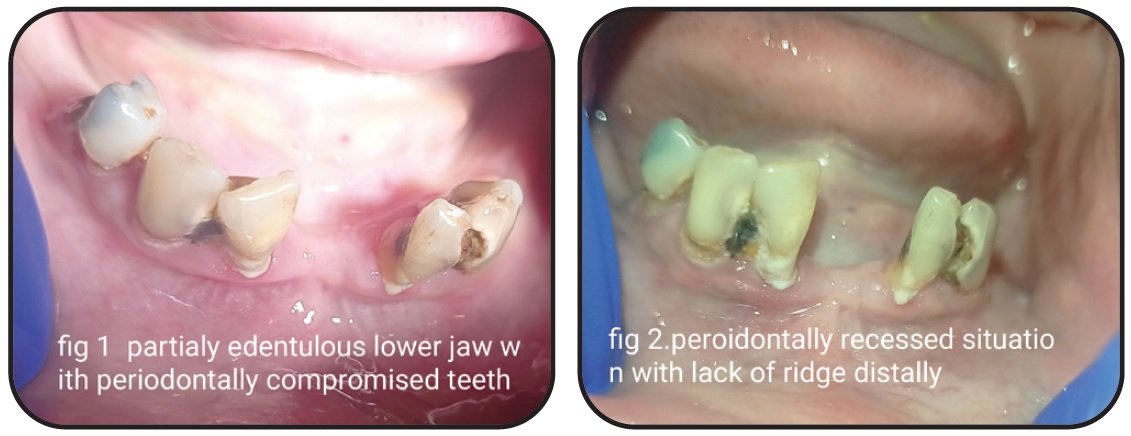
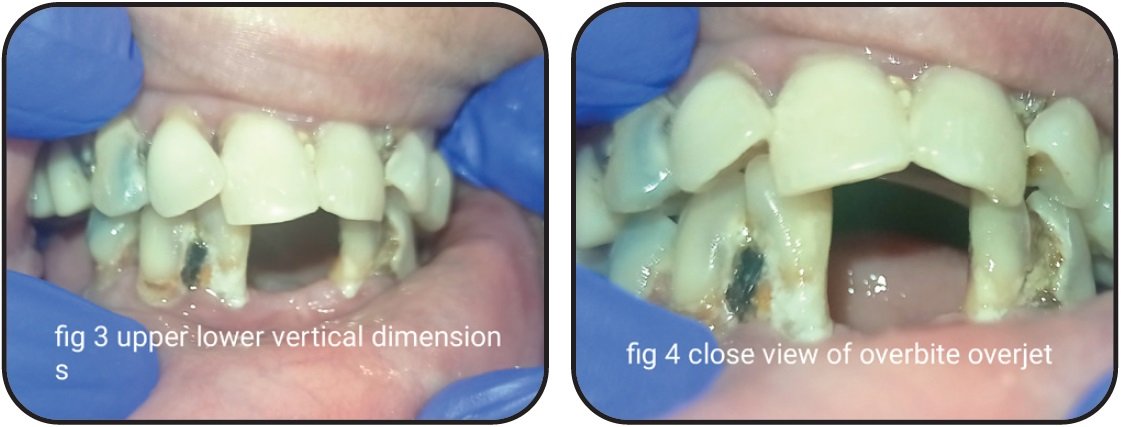
The patient reported that her medico husband never had faith in dentistry, which contributed to her negligence toward her own oral health. Consequently, she had not explored contemporary restorative options for many years. However, encouraged by her daughter’s awareness of modern restorative dentistry, she expressed willingness to undergo treatment.
INVESTIGATIONS
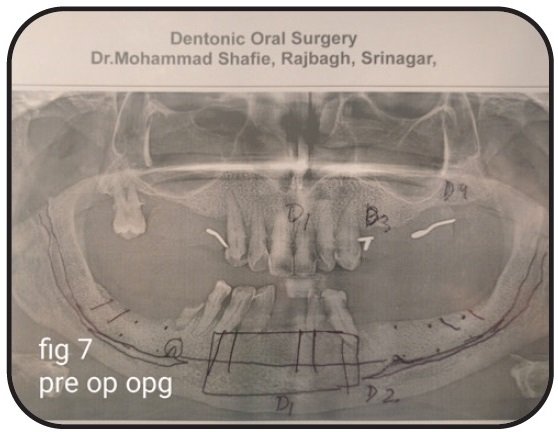
A preoperative orthopantomogram (OPG) revealed:
- Advanced alveolar bone loss
- Generalized periodontal compromise
- Insufficient support for conventional implant therapy
TREATMENT PLAN
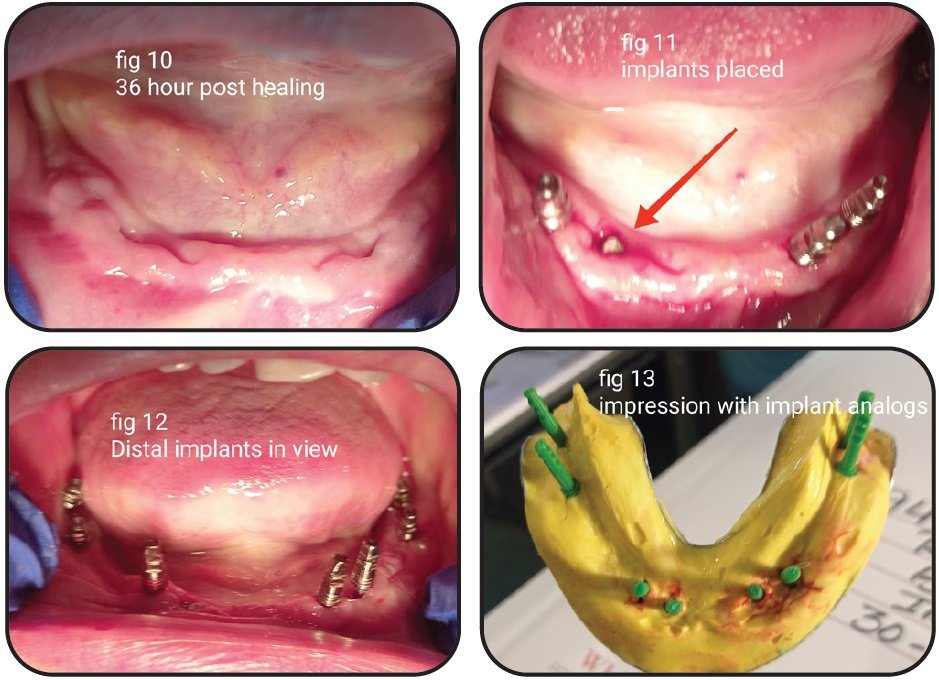
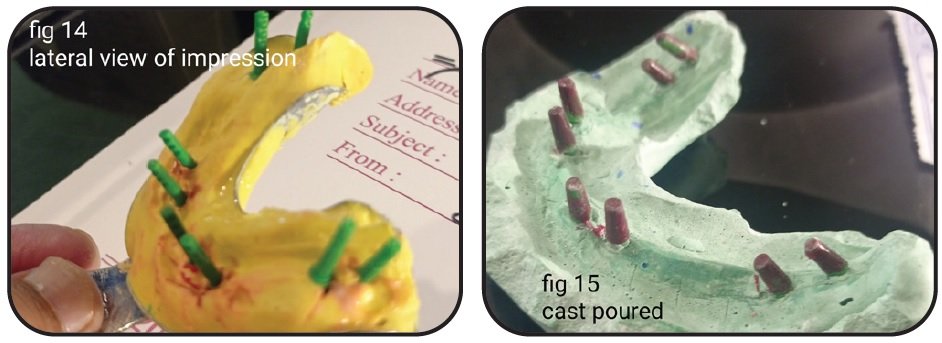
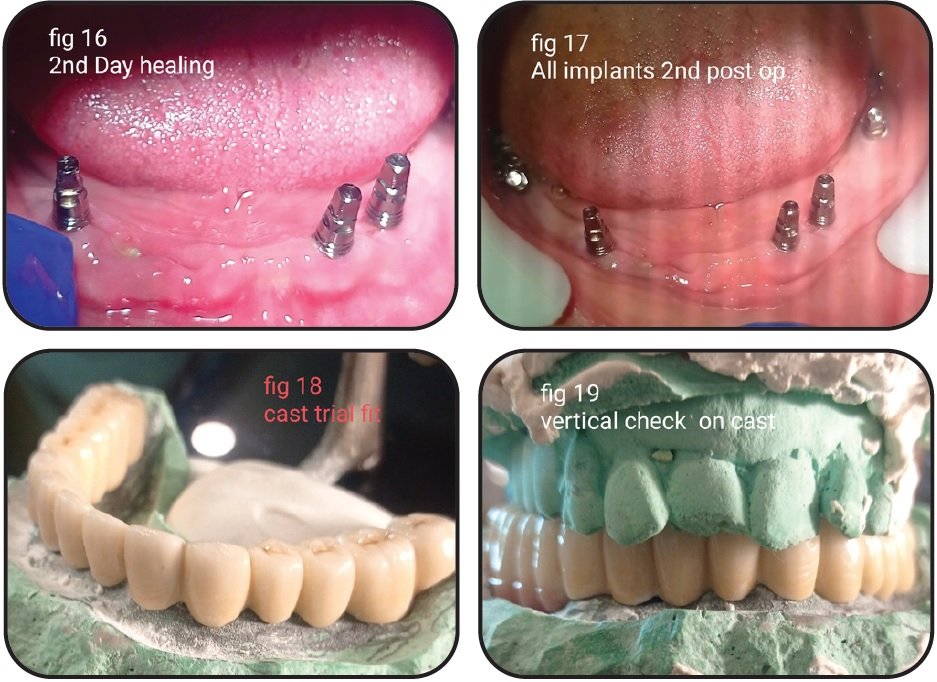
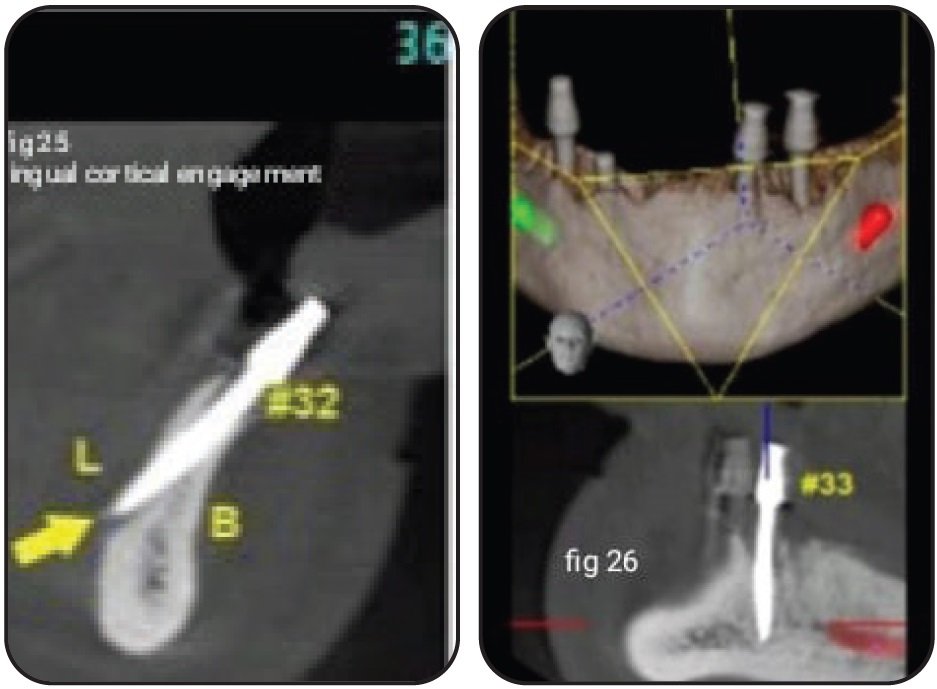
Considering the severity of periodontal destruction and the patient’s desire for immediate rehabilitation, a treatment plan was made to restore function using immediate corticobasal implant therapy. This modality was chosen due to:
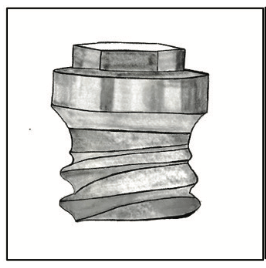
- Its ability to engage the basal bone
- Independence from compromised crestal bone
- Predictable immediate loading capability
The patient accepted the treatment plan with confidence, supported by her daughter’s trust in the efficacy of monoimplants.

OUTCOME
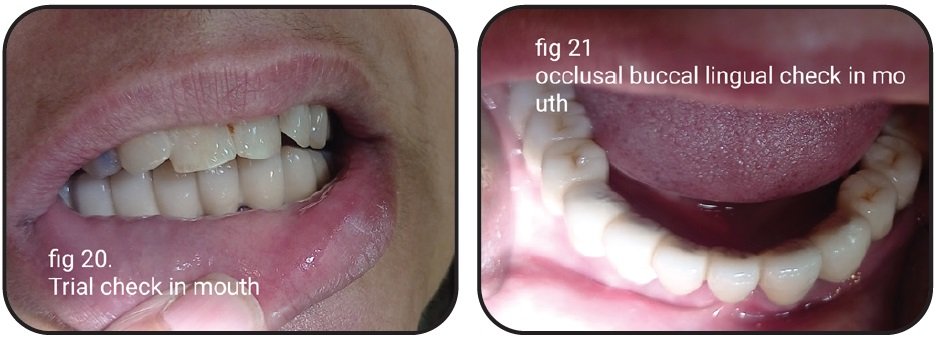
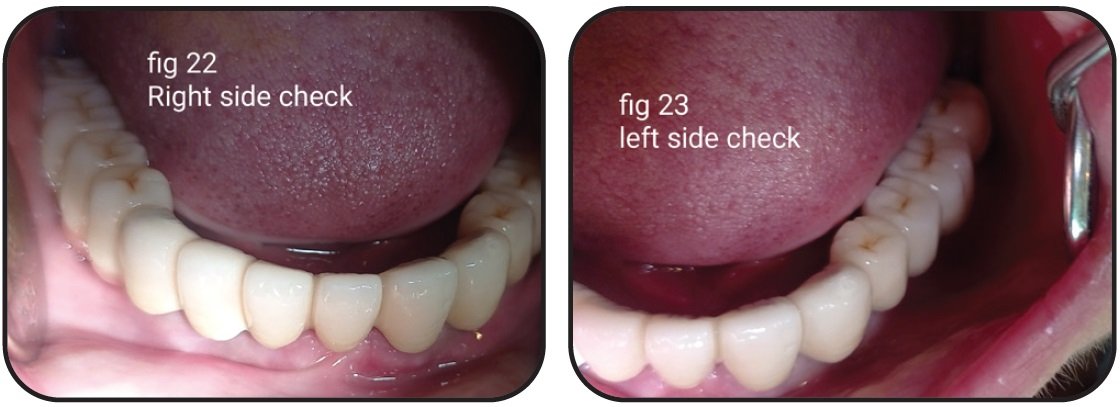
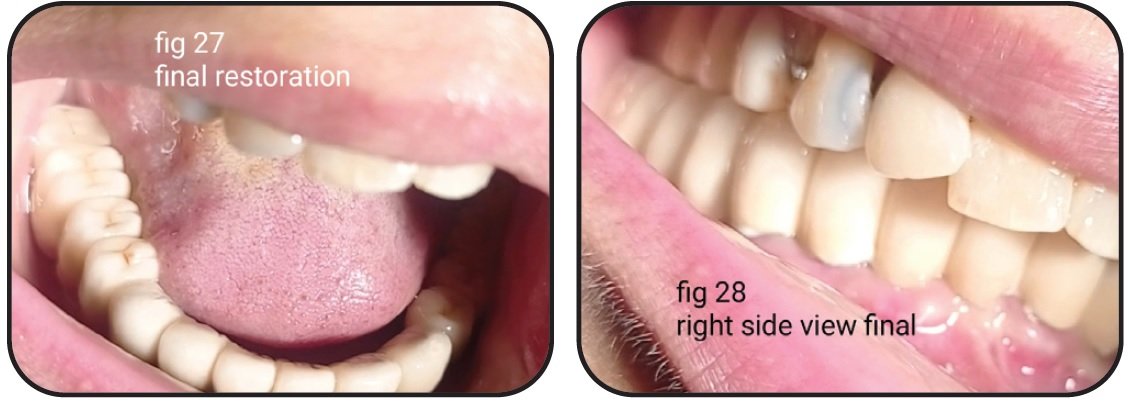
The proposed corticobasal implant therapy aimed to restore the patient’s jaw function and confidence. By choosing a modern implantology approach, the patient reconnected with contemporary restorative dentistry and overcame long-standing functional disability.

DISCUSSION
This case demonstrates how even dental professionals may fail to benefit from evolving technologies due to traditional beliefs or personal circumstances. Corticobasal implantology provides a viable option for elderly patients with compromised periodontal support, offering immediate rehabilitation without the need for extensive bone grafting.
Furthermore, this case highlights the importance of patient motivation, particularly from family members, in initiating treatment. The daughter’s awareness of modern dentistry played a pivotal role in restoring the oral health and quality of life of her mother.
CONCLUSION
Corticobasal implants represent a reliable and effective treatment option in cases of advanced periodontal compromise. They allow for immediate loading, improved function, and psychological rehabilitation. This case also underscores the necessity of continuous professional awareness about evolving treatment modalities in dentistry.
Disclaimer from Guident
The views and opinions expressed in articles published in Guident are solely those of the authors and do not necessarily reflect the views of the editors, the editorial board or the publisher, Ivory India. Guident does not endorse any product, technique or treatment described. Clinical content is intended for qualified dental and medical professionals and is not a substitute for individual clinical judgement. Guident, its editors and the publisher accept no liability for any consequence arising from the use of information published in the journal.
How to cite this article
Dr. Muhammad Shafie. Rehabilitation of a Retired Dentist with Compromised Periodontal Condition Using Corticobasal Implant Therapy: A Case Report. Guident. 2025 Aug;18(9). Available from: https://guident.in/articles/implantology/rehabilitation-of-a-retired-dentist-with-compromised-periodontal-condition-using-corticobasal-implant-therapy.html