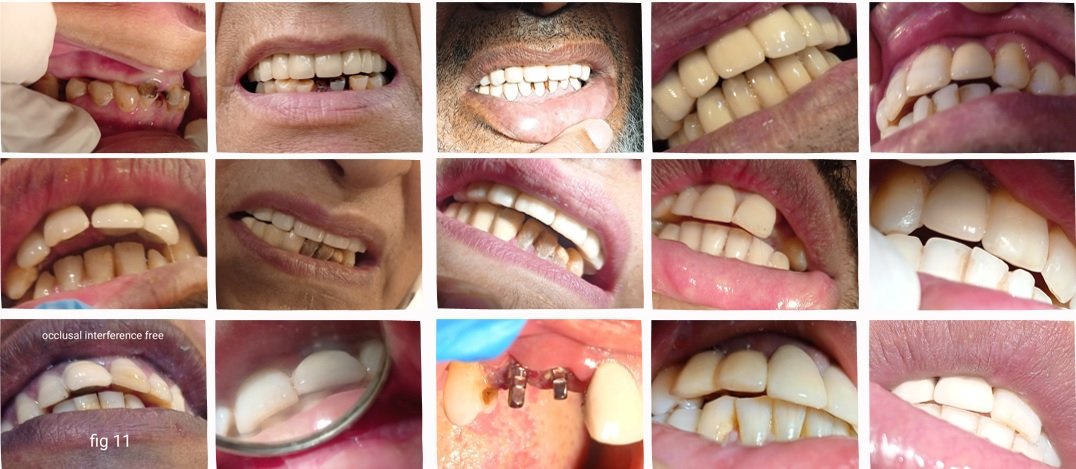
How to Avoid Failures in Cortico Basal Implantology: Part-1
Dentonic Oral Surgery Implant Centre Rajbagh, Srinagar, J&K
CORTICOBASAL IMPLANTOLOGY IS PURELY SCIENTIFIC AND NOT MAGICAL
Clinicians tend to get savvy in executing this amazing science, and tend to do some mistakes in a rush to offer immediate something magical.
So, this technology, no doubt, offers faster, quicker, hassle free and restoration of lost glory, but needs as good understanding and patience as for any successful end result.
I have observed in my practice of implantology past 21 years of conventional implantology and past 6 years of corticobasal implantology we need following sequencing of ourselves with regard to successful corticobasal implantology, to avoid failures to its best.
BASAL BONE
Understanding of basal bone or native bone or cortical bone.
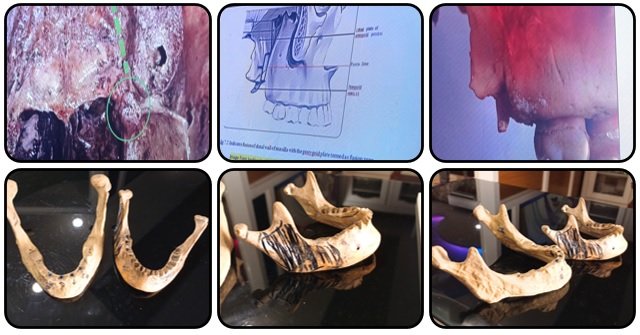
Location and spread and presence of this Bone,
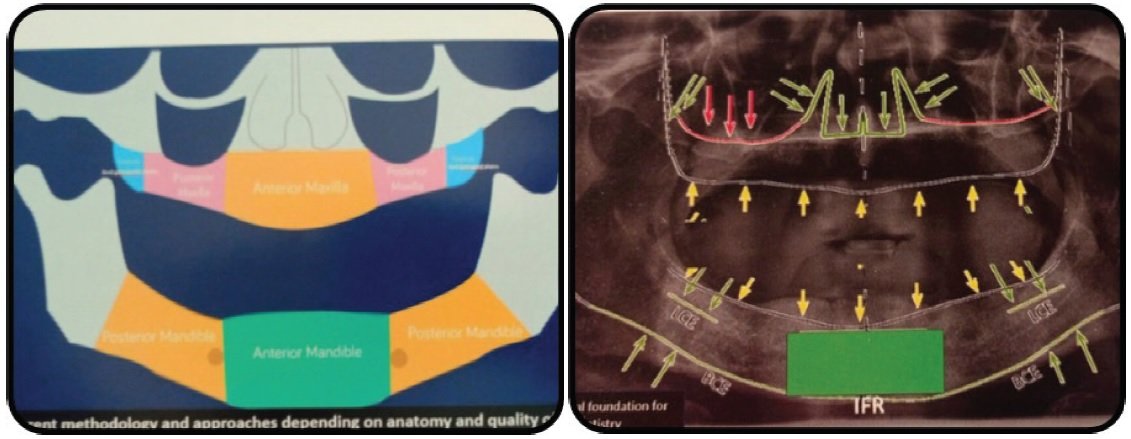
Types of cortices in Maxilla and Mandible,Figure

Understanding type and Designs of Monoimplnts

Ideally, we encounter two situations
1. Edentulous healed region
Here rough implants can be a good choice to engage both cortex as well as cancellous bone. Here to best take an advantage of this type of implant use bone tapper, which resembles your implant to suit the osteotomy without failure.
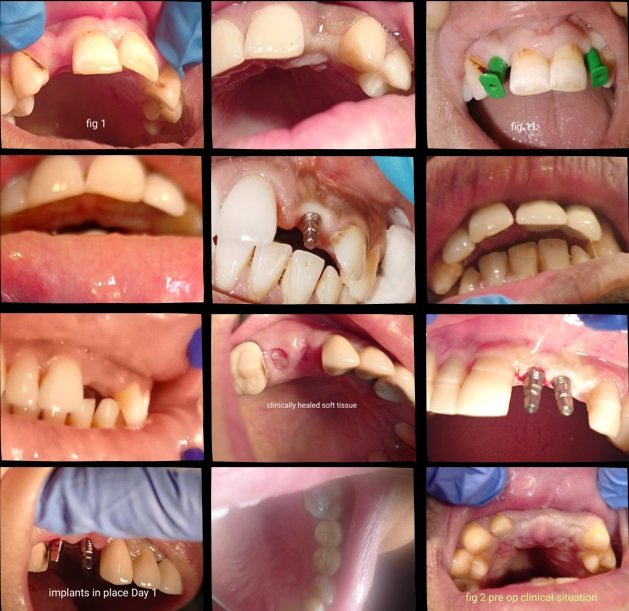

2. Extraction Scenario
Where either teeth are broken orperiodontally mobile, or root stumps are left for want of prosthesis, we can best make use of smooth implant because of its sharp and aggressive thread design and zone of tranquil to suit extraction socket.

MOT IMPLANT DESIGN
This type of implant can best be used where we encounter or observe weak cortical area like floor of the sinus, where in addition to cortical engagement this beautifully designed implant surface can get additional engagement of cancellous bone available.
STABILIZATION OF IMPLANTS
It is said never leave monoimplants alone like mona darling. We have different types of ways to stabilize implant in any clinical situation.
At cortical level.First and foremost is cortical engagement with very close to 90ncm torque, anybody close to it be happy.

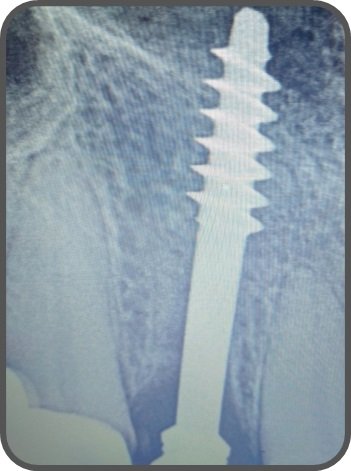

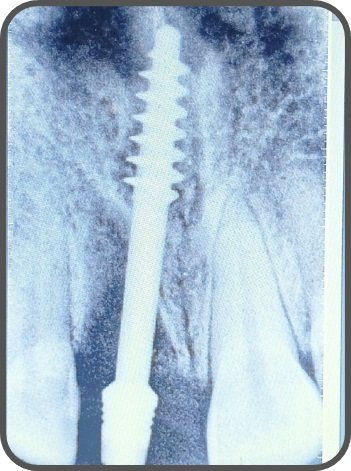
If you are able to bend your implant without loosening, we are done.

Stabilization at abutment level.

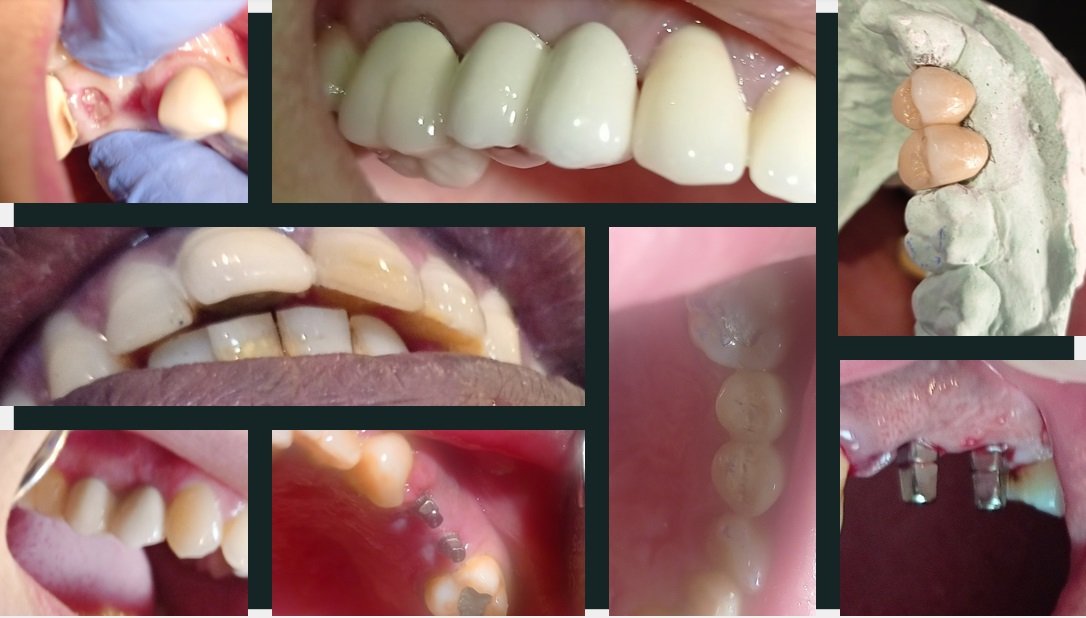
So the options to stabilize implants are. We can do like this.

Or we can connect implants to adjacent tooth if it requires crown post endo.


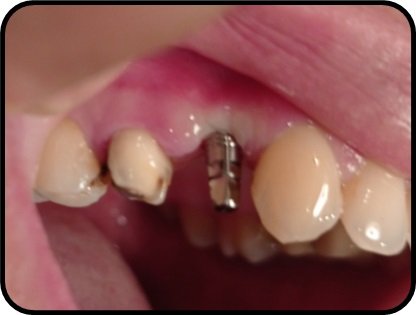

Or if it requires aesthetic correction.

Or if for some reasons we need crown to be redone and can easily stabilize our implant.
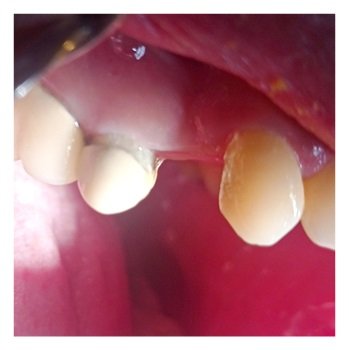
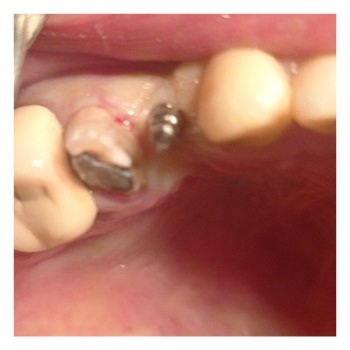
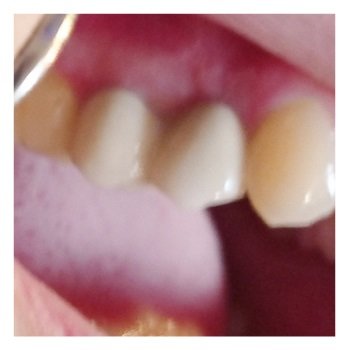
Or we can connect two distant implants with connector lingually.

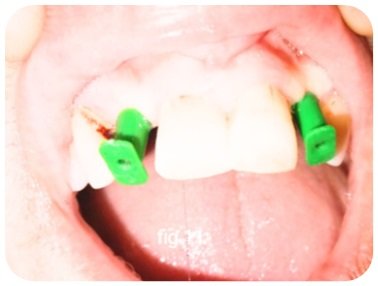


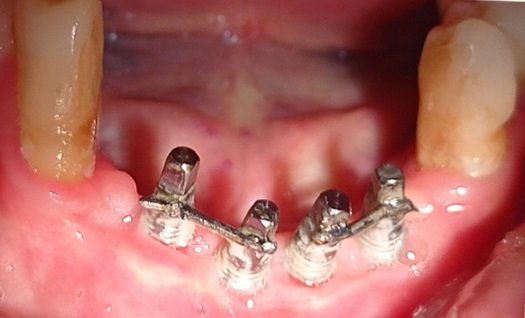
Or we can weld to create more stable situation by welding the two implants (bipodal technique).
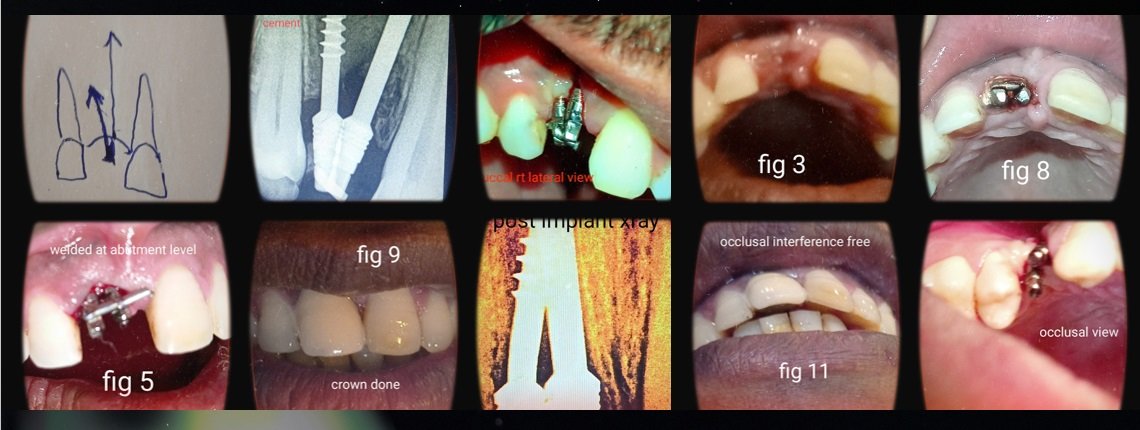
Or we can use pfm prosthesis over implants in healed area situations where soft tissue change is not an issue.

Weld implants especially lower anterior quadrants to prevent tongue thrust.

Or posterior quadrants to provide rigid stability at abutment level in order to stop tongue thrust on individual implants.
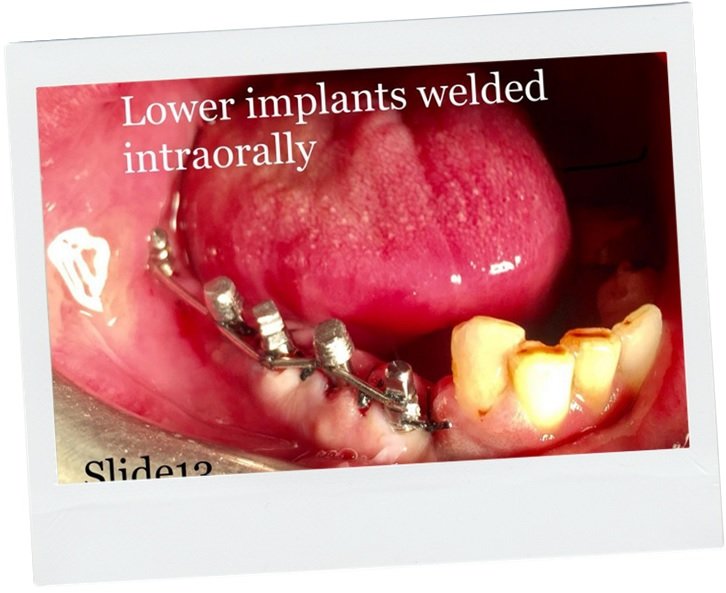

In case full arch implants are placed weld them all for better stability at abutment level.

Disclaimer from Guident
The views and opinions expressed in articles published in Guident are solely those of the authors and do not necessarily reflect the views of the editors, the editorial board or the publisher, Ivory India. Guident does not endorse any product, technique or treatment described. Clinical content is intended for qualified dental and medical professionals and is not a substitute for individual clinical judgement. Guident, its editors and the publisher accept no liability for any consequence arising from the use of information published in the journal.
How to cite this article
Dr. Muhammad Shafie. How to Avoid Failures in Cortico Basal Implantology: Part-1. Guident. 2024 Sep;17(10). Available from: https://guident.in/articles/implantology/how-to-avoid-failures-in-cortico-basal-implantology-part-1.html