Tobacco Burden and Policies in India
Department of Public Health Dentistry, K. D Dental College & Hospital Mathura
INTRODUCTION
Tobacco use is one among the five greatest risk factors for mortality, and also the single most preventable cause of death. In developing countries like India, the disease burden, health care costs as well as other fiscal losses resulting from premature deaths attributable to tobacco consumption are increasing rapidly. World Health Organization (WHO) estimates in 2004 projected 58.8 million deaths to occur globally, of which 5.4 million are attributed to tobacco use. As of 2002, 70% of the deaths are in developing countries. It is predicted that 1.5–1.9 billion people will be smokers in 2025.1
According to estimates made by the WHO among people alive today in the world, about 500 million would die prematurely due to tobacco use; most of these are children and young adults of today. Tobacco could be the single biggest cause of death worldwide. The widespread use of tobacco in the smoking and smokeless forms have contributed to increasing burden of non-communicable disease particularly lung cancer, oral and oesophageal cancer, hypertension and cardiovascular diseases.2
Tobacco control legislation in India dates back to 1975, when the Cigarettes (Regulation of Production, Supply, and Distribution) Act, 1975 required the display of statutory health warnings on advertisements, cartons, and cigarette packages. The Act also contained specific restrictions for trading and commercialization practices regarding the production, supply, and distribution of tobacco. The Act set penalties, including the confiscation of tobacco in the event of its provisions being breached. However, the Act had major limitations as it did not include noncigarette tobacco products, such as beedis, gutka, cigars, and cheroots. The language, style, and type of lettering, and the manner of presentation of the warning were meticulously described. Legislated by the Government of India, under the aegis of the Ministry of Commerce, the Act empowered the Central Government to intervene in marketing, monitoring, and development of the tobacco industry.3
However, the Act supported and favored tobacco production and trade because tobacco was considered a major source of public revenue. The Act had provisions to contain the liberal use of tobacco. The Cigarettes and Other Tobacco Products (prohibition of advertisement and regulation of trade and commerce, production, supply, and distribution) Bill, 2003, was a more comprehensive description for the control of tobacco. This new legislation was explicitly intended to reduce tobacco consumption, in contrast to the Tobacco Board Act, which had favored tobacco production.4
The objective of this review is to integrate the available scientific knowledge on tobacco use in India visioning the assessment of magnitude of health problems being caused, identifying the gaps in knowledge, reviewing policies and attempts towards reducing the burden of tobacco in India and providing suggestive changes for evolving future tobacco control policies.
TOBACCO USE IN INDIA
Tobacco was introduced into India by Portuguese traders during AD 1600. Its use and production proliferated to such a great extent that today India is the second largest producer of tobacco in the world. Soon after its introduction, it became a valuable commodity of barter trade in India. Trade expanded and tobacco spread rapidly along the Portuguese trade routes in the East, via Africa to India, Malaysia, Japan and China.5
Present scenario of tobacco use in India
Around 19.0% of men, 2.0% of women and 10.7% (99.5 million) of all adults currently smoke tobacco; 29.6% of men, 12.8% of women and 21.4% (199.4 million) of all adults currently use smokeless tobacco; 42.4% of men, 14.2% of women and 28.6% (266.8 million) of all adults currently use tobacco (smoked and/or smokeless tobacco). Around 38.7% of adults were exposed to second hand smoke at home; 30.2% of adults who work indoors are exposed to second-hand smoke at their workplace; 7.4% of adults were exposed to second hand smoke at restaurants.6
TYPES OF TOBACCO PRODUCTS
In India, tobacco is used in a wide variety of ways: smoking, chewing, applying, sucking, gargling, etc. For each type of tobacco use, a wide range of tobacco products may be available. Beedi smoking is the most popular form of smoking, while cigarettes form a major part of the tobacco industry. Grossly tobacco products can be categorized into two forms: Smoke and smokeless forms.7
Tobacco can be smoked in a wide variety of ways: Beedis ,Cigarettes, Cigars, Cheroots, Chuttas, Dhumti, ,Chillum, Hookah, Pipe etc. Smokeless forms of tobacco are Paan (betel quid) with tobacco, Mawa, mishri, snus, paan masala, zarda, gul, bajjar etc.8
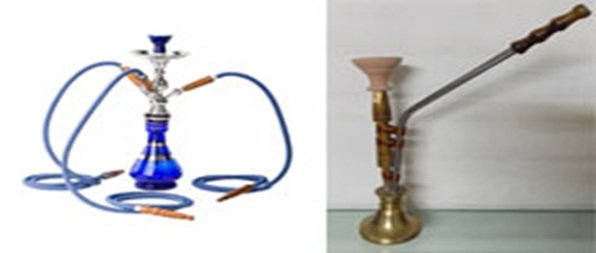
HOOKAH

BIDI

CIGAR
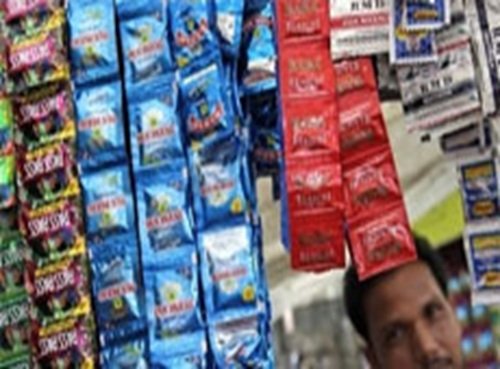
PAAN MASALA

GUL

MAWA
BURDEN OF TOBACCO
Health
The use of tobacco is harmful to general health, as it is a common cause of addiction, preventable illness, disability and death. The use of tobacco causes an increased risk of oral cancer, periodontal disease, oral mucosal lesions and other deleterious oral conditions and it adversely affects the outcome of oral health care including esthetics. It has been scientifically proved that tobacco causes over 20 categories of fatal and disabling diseases including cancer, cardiovascular and chronic respiratory diseases.5
The top five or six cancers in men are all tobacco-related cancers: of the lung, oral cavity, larynx, oesophagus and pharynx. In women, the leading cancer sites include those related to tobacco: cervix, oral cavity, oesophagus and lung, in addition to other cancers not considered to be tobacco related (breast and ovary).9
According to the International Agency for Research on Cancer (IARC) monograph, there is sufficient evidence in humans that tobacco smoking causes cancer of the lung, oral cavity, naso-, oro- and hypo-pharynx, nasal cavity and paranasal sinuses, larynx, esophagus, stomach, pancreas, liver, kidney (body and pelvis), ureter, urinary bladder, uterine cervix and bone marrow (myeloid leukemia). Ninety percent of all lung cancer deaths in men and 80% in women are caused by smoking.10
Smokeless tobacco is an important etiological factor in cancers of the mouth, lip tongue and pharynx . India has one of the highest rates of oral cancer in the world. Around 65% of all cancers in men and 33% of all cancers in women are tobacco – related. Annual incidence of oral cancer is said to be 10 per 1,00,000 of males.5
Environment
Tobacco leads to clearing of forests for cultivation, stripping fuel wood for curing and forest resources for packaging thus damaging the environment. Tobacco depletes the soil nutrients at a very rapid rate and displaces the indigenous flora and fauna thus becoming a source of pests for other crops.5
Passive smoking
The GATS-India shows that 52% of the adults (rural-58%, urban-39%) were exposed to SHS at home.6 SHS is three- to four-times more toxic per gram of particulate matter than mainstream tobacco smoke. More than 4000 chemicals have been identified in tobacco smoke, at least 250 of which are known to be harmful. Toxic chemicals from SHS cling to rugs, curtains, clothes, food, furniture and other materials. These toxins remain even in the presence of windows, fans or air filters, and can recycle back into the air through the filters. They coat the surfaces of rooms, materials and smoker’s belongings, and are sometimes referred to as “third-hand smoke.12 There is conclusive evidence linking passive smoking to an increased risk of cardiovascular diseases, lung cancer and other cancers, asthma and other respiratory diseases in adults, ear infection and sudden infant death syndrome in children.11
LEGISLATION AND ENFORCEMENT
India has played a chief role in global tobacco control. With the increasing evidence of noxious and woeful consequences of tobacco use, the Government of India enacted various legislations and comprehensive tobacco control measures.13
The Government enacted the Cigarettes Act (Regulation of Production, Supply and Distribution) in 1975.14
The statutory warning “cigarette smoking is injurious to health” was mandatorily displayed on all cigarette packages, cartons and advertisements of cigarettes. Maharashtra and Karnataka states restricted smoking in public places. In Maharashtra state, specification of the size of boards in English and Marathi were prescribed, declaring certain premises as smoke free.
The Act also contained specific restrictions for trading and commercialization practices regarding the production, supply, and distribution of tobacco. The Act set penalties, including the confiscation of tobacco in the event of its provisions being breached.
However, the Act had major limitations as it did not include noncigarette tobacco products, such as beedis, gutka, cigars, and cheroots. The language, style, and type of lettering, and the manner of presentation of the warning were meticulously described.15
Tobacco smoking was prohibited in all health care establishments, educational institutions, domestic flights, air-conditioned coaches in trains, suburban trains and air-conditioned buses, through a Memorandum issued by the Cabinet Secretariat in 1990.16 Since these were mainly Government or administrative orders, they lacked the power of a legal instrument. Without clear enforcement guidelines and awareness of the citizens to their right to smoke-free air, the implementation of this directive remained largely ineffective.
Under the Prevention of Food Adulteration Act (PFA) (Amendment) 1990, statutory warnings regarding harmful health effects were made mandatory for paan masala and chewing tobacco.17 In 1992, under the Drugs and Cosmetics Act 1940 (Amendment), use of tobacco in all dental products was banned.18 The Cable Television Networks (Amendment) Act 2000 prohibited tobacco advertising in state controlled electronic media and publications including cable television.19
Under the Chairmanship of Shri Amal Datta, the 22nd Committee on Subordinate Legislation in November 1995 recommended to the Ministry of Health to enact legislation to protect non-smokers from second hand smoke. In addition, the committee recommended stronger warnings for tobacco users, stricter regulation of the electronic media and creating mass awareness programs to warn people about the harms of tobacco. In a way, this Committee’s recommendation laid the foundation of developing the existing tobacco control legislation in the country.
Between 1997 and 2001, several litigations e.g K Ramakrishnan and Anr. Vs State of Kerala and others (AIR 1999 Ker 385) and Murli Deora vs Union of India (2001 8 SCC 765) were filed for individual’s right to smoke-free air and five states responding with smoke-free and tobacco control legislations, clearly gave the signal for the Government of India to propose a comprehensive law for tobacco control. The Government enacted the Cigarettes and Other Tobacco Products (Prohibition of Advertisement and Regulation of Trade and Commerce, Production, Supply and Distribution) Act (COTPA), in, 2003.20
Cigarettes and Other Tobacco Products Act 2003 (COTPA)
The act is applicable to all products containing tobacco in any form as detailed in the Schedule to the Act. The act regulates the consumption, production, supply and distribution of the tobacco products by imposing restrictions on advertisement, promotion and sponsorship of tobacco products; prohibiting smoking in public places. Provisions include prohibiting sale to and by minors; and prohibiting sale of tobacco products within a radius of 100 yards of educational institutions, and through mandatory depiction of specified pictorial health warnings on all tobacco product packs. It does not ban tobacco products. However, the Production, Sale, Storage and distribution of food products containing tobacco or nicotine such as Gutkha have been prohibited under The Food Safety and Standards (Prohibition and Restrictions on Sales) Regulations, 2011 dated 1st August 2011, notified under the Food Safety and Standards Act, 2006. The law also mandates testing all tobacco products for their tar and nicotine content.
Although the Rules pertaining to various provisions under the law were notified during 2004 to 2006, there were many legal challenges which the government had to face in view of the tobacco industry countering most of these rules in the court of law. However after a long legal quarrel and interventions by the civil society, Revised Smoke-free Rules came into effect from 2nd October, 2008.21
The ban on smoking in public places, which included work places also, was a remarkable achievement in terms of political will and national commitment. Subsequently the law pertaining to pictorial warnings on tobacco products packages was implemented with effect from 31st May 2009. After getting positive and supportive judgments in other court cases, the Government was forthcoming in notifying laws pertaining to ban on sale to and by minors and regulating sale to and by minors and sale of tobacco products within 100 yards of educational institutions.21
WHO framework convention on Tobacco Control
In 2004, the government ratified WHO framework convention on Tobacco Control (WHO FCTC), which enlists key strategies for reduction in demand and reduction in supply of tobacco. Some of the demand reduction strategies include price and tax measures and non-price measures (statutory warnings, comprehensive ban on advertisements, promotion and sponsorship, tobacco product regulation etc). The supply reduction strategies include combating illicit trade, providing alternative livelihood to tobacco formers and workers and regulating sale to and by minors.22
India has been in the forefront of negotiations under various Working Groups of the WHO FCTC and also played a leadership role in bringing region specific issues e.g smokeless tobacco to the global attention. India has actively contributed to drafting of guidelines as a member of the Inter Government Negotiating Body (INB) to curb the illicit trade of tobacco products. India provided valuable contribution to development of guidelines for Article 9 and 10, 12, 13, 14, 17 & 18 of WHO FCTC.22
National Tobacco Control Programme
As the implementation of various provisions under COTPA lies mainly with the State Governments, effective enforcement of tobacco control law remains a big challenge. To strengthen implementation of the tobacco control provisions under COTPA and policies of tobacco control mandated under the WHO FCTC, the Government of the India piloted National Tobacco Control Programme (NTCP) in 2007–2008.7 The programme is under implementation in 21 out of 29 States and 7 Union territories in the country. In total, 42 districts (2 districts from each state) are covered by NTCP at present. This was a major leap forward for the tobacco control initiatives in the country as for the first time dedicated funds were made available to implement tobacco control strategies at the central state and sub state levels.
THE MAIN COMPONENTS OF THE NTCP WERE:
At national level
i. Public awareness/mass media campaigns for awareness building and behavior change.
ii. Establishment of tobacco product testing laboratories, to build regulatory capacity, as mandated under COTPA, 2003.
iii. Mainstreaming the program components as part of the health care delivery mechanism under the National Rural Health Mission framework.
iv. Mainstream Research and Training on alternate crops and livelihoods in collaboration with other nodal Ministries.
v. Monitoring and Evaluation including surveillance
e.g. Global Adult Tobacco Survey (GATS) India.
At State level
i. Tobacco control cells with dedicated manpower for effective implementation and monitoring of anti tobacco laws and initiatives.
At District level
i. Training of health and social workers, SHGs, NGOs, school teachers etc.
ii. Local IEC activities.
iii. Setting up tobacco cessation facilities.
iv. Organizing School Programmes.
v. Monitoring tobacco control laws.
Achievements of the Programme:
- The "Cigarettes and other Tobacco Products (Packaging and Labelling) Amendment Rules, 2012"; have been notified vide GSR 724 (E) dated 27th September, 2012 which came into effect from 1st April, 2013. Three sets of graphic warnings have been notified, each for smoking and smokeless/chewing forms of tobacco products.
- The “Cigarettes and other Tobacco Products (Prohibition of Advertisement and Regulation of Trade and Commerce, Production, Supply and Distribution) Amendment Rules, 2012” have been notified vide GSR 708 (E) dated 21st September, 2012 which came into effect from 2nd October, 2012. These Rules regulate the depiction of tobacco products or their use in films and television programmes.
- A two month PAN India outdoor media activity was launched during the year 2012-13 using a wide variety of media for creating awareness about harmful effects of tobacco use (smoking and smokeless). Two images, one displaying the harmful effects for smokeless and one for smoking tobacco products, were used.
- National Consultation on Economics of Tobacco was organized in collaboration with WHO – India on 20-21 December, 2012 in New Delhi. The consultation covered three key issues namely (i) Tobacco Taxation; (ii) Health Cost of Tobacco Use and (iii) Alternative livelihood for tobacco farmers and workers.
- Operational guidelines for implementation of National Tobacco Control Programme have been developed and disseminated to all the states and districts under the programme.
- A new reporting format has been developed for reporting NTCP activities at the district and State levels. Quantifiable deliverables are clearly delineated in the submitted reports every quarter and the reporting has thus been made more objective.
- The NTCC prepared the draft cabinet note for amendment of COTPA. This pertains to the amendment of the section 7 (5) of COTPA, where in the provision of maximum permissible limit has been done away with.
- The NTCC got the approval of the 1st National Level Mass media campaign for the year 2013-2014. The campaign, "Tears You Apart";, features real victims suffering from cancers and disfigurements as a result of their addiction to chewing tobacco.
- The “Guidelines for Law enforcers, 2013” for effective implementation of tobacco control laws was developed and released on 28th May 2013 by Secretary Health. These guidelines include a compilation of the latest rules as well as the enforcement procedures for various provisions of the law.
- To take stock of the implementation of the FCTC at regional level (South-east Asia Region including India), the Ministry of Health & Family Welfare (MoHFW) in collaboration with the WHO, held a meeting in New Delhi during 23-26 July 2013.23
Inspite of a comprehensive legislation being in place and implementation of NTCP by the Government, many of the states are not able to initiate effective measures for tobacco control. The internal monitoring of implementation of COTPA in 21 States, where the National Tobacco Control Programme is under implementation has revealed that only about half of the states (52%) have mechanisms for monitoring provisions under the law. Although 15 states have established challenging mechanism for enforcement of smoke-free rules, only 11 states collected fines for violations of bans on smoking in public places. Similarly, a steering committee for implementation of section-5 (ban on Tobacco advertisements, promotion and sponsorship) has been constituted in 21 states but only 3 states collected fines for the violation of this provision. Similarly, enforcement of a ban on the sale of tobacco products to minors and bans on the sale of tobacco products within 100 yards of educational institutions also remains largely ineffective in many states. Less than half of the states under the programme have established tobacco cessation facilities at the district level. It is largely because of the failure of the states to recruit manpower under the programme. To facilitate the implementation of NTCP at state and sub state level, the Government developed various Training modules, guides, IEC and advocacy materials.24,25
A well designed public education campaign that is integrated with community and school based programmes, strong enforcement efforts, and help for tobacco users who want to quit, can successfully counter the tobacco industry. Such integrated programmes have been demonstrated to lower smoking among young people by as much as 40%.26
An intensive national level mass media campaign for awareness generation on harmful health effects of tobacco and provisions under COTPA has been a major initiative under NTCP for the last three years. The anti tobacco TV/radio messages were translated into 18 languages for the national campaign. The World Lung Foundation provided technical support for development of well tested and good quality TV/radio spots. The global Adult Tobacco Survey (GATS) was also undertaken as part of NTCP, which was the first ever dedicated household survey to study the prevalence of tobacco use among adults, exposure to second hand smoke, cessation and other tobacco related indicators in the country.26
WHO Tobacco Free Initiative in India
Setting up of Tobacco Cessation Clinics in India has been one of the major highlights of WHO/Ministry of Health and Family Welfare collaborative programme in the area of tobacco control. Tobacco cessation is one of the important links of tobacco control as it helps current users to quit tobacco use in a scientific manner. Article 14 of the WHO Framework Convention on Tobacco Control (FCTC) also requires countries to take effective measures to promote cessation of tobacco use and adequate treatment for tobacco dependence. During 2001-02, a series of 13 Tobacco Cessation Clinics were set-up in 12 states across the country in diverse settings such as cancer treatment hospitals, psychiatric hospitals, medical colleges, NGOs and community settings to help users to quit tobacco use. This network of Tobacco Cessation Clinics was further expanded in 2005 to cover five new clinics in Regional Cancer Centers (RCCs) in 5 states of which two centers were in the North-Eastern States of Mizoram and Assam, having high prevalence of tobacco use. The Tobacco Cessation Clinics were renamed as Tobacco Cessation Centres (TCCs) and their role was expanded to include trainings on cessation and developing awareness generation on tobacco cessation. In 2009, two new TCC’s were set up in Rajasthan and Delhi. A model for Workplace TCC was also set up in Nirman Bhawan in Delhi, where the Ministry of Health and Family Welfare is housed.
The role of TCCs was further expanded in 2009 and they were designated as ‘Resource Centre for Tobacco Control (RCTC)’. Besides providing tobacco cessation services, these RCTCs helped in capacity building of other institutes to develop tobacco cessation facilities. Many of them have developed outreach programs for the community and are regularly doing awareness programs at schools, colleges, slums and workplaces.20
At present total of 18 centres are operating PAN India. The Tobacco Cessation Clinic Resource Center (TCCRC), which is functioning in the National Institute of Mental Health and Neurosciences, (NIMHANS), Bangalore, is the national coordinating center for all the TCCs.19
Dental Council of India (DCI) in 2018, had planned to establish the Tobacco Cessation Centres (TCC) in all the dental institutes across the country that contribute in tobacco control and protecting patients from public health problems. By 2019, out of 318 dental colleges in India, 306 dental colleges established tobacco centers.27
The services offered at the clinic include individual intervention in the form of behavioral counseling, medication, and nicotine replacement therapy. The centers also intend to create awareness among the general public about the negative effects of tobacco and about tobacco cessation through awareness programs, exhibitions training programs on tobacco cessation for various professionals, and information booklets & manuals aimed at specific groups of the population.19
OTHER INITIATIVES FOR TOBACCO CONTROL
Advocacy for tobacco control - low awareness regarding the anti-tobacco law and its provisions at all levels of governance and policy making has been an important impeding factor for effective implementation of tobacco control policies. The states had not trained enforcement officials from various departments e.g. police, food, drug, health, labor, transport, railways etc. who have been authorized to enforce provisions under COTPA, resulting in failure to initiate action for violations and the implementation of the law suffered. Moreover, many of the States lacked the capacity and the mechanism for implementation of COTPA.28
The Government of India organized a series of advocacy workshops in the country with the following objectives:
- Sensitization and awareness building of policy makers, law enforcers at various levels of governance and civil society groups.
- Capacity building of the states.
- Preparation of National and State-wise enforcement action plans for effective implementation of COTPA and WHO FCTC.
Many advocacy materials were developed with support from WHO to accomplish the realization of the objectives. Between August 2008 and January 2009, one national and five regional workshops were organized to cover all regions of the country. At the end of these workshops, nearly 2000 key personnel in the Government(s) and civil society groups were duly sensitized on the provisions under COTPA and the WHO FCTC with related enforcement strategies.
- National Inter ministerial Taskforce for Tobacco Control – an inter-ministerial taskforce has been constituted under the chairmanship of union health secretary to reiterate the role of other departments and ministries in tobacco control and to bring them on board for performing their respective roles to reduce the demand and supply of tobacco in the country.
- Steering Committee on Section 5 of COTPA- as mandated under COTPA, a Steering committee has been constituted under the chairmanship of union health secretary and notified in the Gazette of India. On the direction of the national committee, state and district level Steering committees were constituted to look into the matters of violations under Section 5 of COTPA.
- Alternate livelihood initiatives by Ministry of Labor– a series of training programs were undertaken in bidi rolling areas to train women bidi rollers in alternate vocations by the Ministry of Labor.
- The Ministry of Health and Family Welfare has collaborated with Ministries of Rural Development and Women and Child Development for providing alternate economically viable livelihood options to bidi rollers under their ongoing schemes.
- Integration of TB and Tobacco Project: For the first time, tobacco cessation was included in the training module of doctors under RNTCP (Revised National Tuberculosis Control Programme). A pilot project to integrate TB and Tobacco control initiatives, incorporating brief advice for tobacco cessation to tobacco using TB patients was initiated in two districts (Kamrup in Assam and Vadodara in Gujarat) in 2010.
- Mainstreaming tobacco control in medical and dental education in the country- steps have been taken to incorporate tobacco control in the curriculum of undergraduate medical and dental curriculum to equip medical and dental graduates with skills for tobacco control, especially tobacco cessation.
- National Tobacco Control Helpline- a national level 24x7 toll free helpline has been set up for reporting violations of provisions under COTPA. On an average 1000 calls are received every month from all over the country. The same are then forwarded to respective state governments for taking action. This has facilitated the implementation of provisions under COTPA and monitoring of the same by sensitizing the state governments on the issue.
- National Consultation on Smokeless Tobacco – The Government is seriously concerned about the high prevalence of smokeless tobacco in the country and its growing use among the youth. The Supreme Court of India has also expressed its concern over the high prevalence of tobacco use and its hazardous effects on health and environment. A national consultation was organized by the Ministry of Health and Family welfare to deliberate the modalities for control and regulation of smokeless tobacco under the existing legislation in the country.28
Role of civil society- Civil society organizations have played a vital role in implementation of tobacco control policies and programme at various levels for a long time. With support from the Bloomberg Global Initiative, many of these organizations have been actively involved in tobacco control advocacy and awareness generation at the grass root level.28
E-CIGARETTE BAN
It was an important public health decision that in the interest of public health, electronic cigarettes (e-cigarettes) were banned in September, 2019, by the Indian Government. Indeed, concerns around the use of e-cigarettes have been mounting worldwide. Beyond the issue of nicotine addiction, the ingredients used in flavouring agents and additive agents, like propylene glycol and vegetable glycerin, can also be harmful for health. When heated, these additive agents can produce various compounds, including formaldehyde and acetaldehyde, which are carcinogenic to humans. Disposal of waste from e-cigarettes and the manufacture of e-cigarettes could also pose potential environmental hazards.29 The Indian Council of Medical Research, through its white paper on e-cigarettes, recommended that e-cigarettes be completely prohibited in India; this recommendation was made in the interest of protecting public health and in accordance with the precautionary principle of preventing harm.29 Despite the ban, Indian authorities are struggling to regulate the use of e-cigarettes, in particular due to black market. The 2019 ban was a right, timely, and important public health decision, but preventing use of e-cigarettes, especially in adolescents, still remains a challenge and more needs to be done.30
CHALLENGES AND OPPORTUNITIES
The Indian anti-tobacco law is reasonably strong to comply with most of the provisions in the WHO FCTC. The Government is committed to face the challenge posed by high prevalence of tobacco use in the country and has tried mainstreaming tobacco control by integrating it into the ongoing national health programs and National Rural Health Mission.
One of the areas needing attention is tobacco taxation. A tax increase that raises prices of tobacco products by 10% is estimated to reduce tobacco consumption by 4% to 5%. Essentially, as tax goes up, death and disease go down Tobacco taxation as a fiscal policy is a ‘win-win’ situation. It is good for people’s health and good for the economy. It not only increases revenue generation, it also reduces the consumption of tobacco, especially for the young and poor.31 Increase in the taxation across the range of tobacco products can prove to be a significant intervention for tobacco control.31
CONCLUSION
Legislation forms the core of any tobacco control activity. It helps integrate the disparate actions taken for tobacco control and subjugate any the challenges faced for the same. Legislation serves specific social objectives. It helps to raise, recognize, reinforce, reassess, reach, and reconcile the solemn societal values. Secondly, the enactment and implementation practices help raise public awareness by serving as a presage of the hazards associated with tobacco. The implementation of the government policies, synergized with tobacco control initiatives by the civil society and community are pivotal in reducing prevalence of tobacco use in the country. Bottom line is not only the government, each and every responsible citizen has to act in the fight against this global epidemic.
REFERENCES
- Ramya Kalyanpur, K Pushpanjal, KVV Prasad, Kumar Gaurav Chhabra. Tobacco cessation in India: A contemporary issue in public health dentistry. Indian Journal of Dental Research 2012; 23 (1): 123-126.
- Rani M, Bonu S, Jha P, Nguyen SN, Jamjoum L. Tobacco use in India: Prevalence and predictors of smoking and chewing in a national cross sectional household survey. Tobacco Control 2003; 12: 1-8.
- Mehrotra R, Mehrotra V, Jandoo T. Tobacco control legislation in India: past and present. Indian Journal of Cancer 2010; 47 (1): 575-580.
- Silva V DCE. Tools for Advancing Tobacco Control in the 21st century: Policy recommendations for smoking cessation and treatment of tobacco dependence. Geneva: World Health Organization Publications 2003; 1;1 -74.
- Preetha Elizabeth Chaly. Tobacco control in India. Indian J Dent Research 2007;18(1):1-5
- Global Adult Tobacco Survey | INDIA 2016-17; www.who.int, accessed on 10/1/2021.
- Pindborg JJ, Mehta FS, Gupta PC, Daftary DK, Smith CJ. Reverse smoking in Andhra Pradesh, India: A study of palatal lesions among 10,169 villagers. British Journal of Cancer 1971; 25: 10-20.
- Chadda Rk, Sengupta SN. Tobacco use by Indian Adolscent. Tobacco induced diseases 2002; 1 (2) :111-119.
- Mishra GA, Majmudar PV, Gupta SD, Rane PS, Uplap PA, Shastri SS. Workplace tobacco cessation program in India: A success story. Indian Journal of Occupational and Environmental Medicine 2009 Sep 1; 13(3): 146.
- Gauravi A. Mishra, Sharmila A. Pimple, Surendra S. Shastri. An overview of the tobacco problem in India ndian Journal of Medical and Paediatric Oncology, 2012; 33 (3): 139-45.
- Report on Tobacco Control in India (New Delhi, India), In: Reddy KS, Gupta PC, Editors, New Delhi, India: Ministry of Health and Family Welfare; 2004.
- WHO Report on The Global Tobacco Epidemic, 2009. Implementing smoke-free environments. fresh and alive mpower, WHO 2009
- Rao V, Chaturvedi P. Tobacco and health in India. Indian Journal of Cancer 2010 Jul 1 ;47(5): 3-6.
- Government of India. The Cigarettes Act (Regulation of Production, Supply and Distribution) 1975. www.indiankanoon.org, accessed on 2/2/2021.
- Government of Maharashtra, Public Health Department 1987. www.maharastra.gov.in, accessed on 20/2/2021.
- Government of India. Drugs and Cosmetics Act 1940 (Amendment). www.naco.gov.in, accessed on 20/2/2021.
- Government of India. Prevention of Food Adulteration Act (PFA) (Amendment) 1990. www.old.fssai.gov.in, accessed on 20/2/2021.
- Government of India. Drugs and Cosmetics Act 1940 (Amendment). www.naco.gov.in, accessed on 25/2/2021.
- Government of India. The Cable Television Networks (Amendment) Act 2000. www.india.gov, accessed on 27/2/2021.
- The Cigarettes and Other Tobacco Products (Prohibition of Advertisement and regulation of Trade and Commerce, production, Supply and Distribution) Act, 2003; An Act enacted by the Parliament of Republic of India by notification in the Official Gazette. (Act 32 of 2003). www. indiankanoon.com, accessed on 27/2/2021.
- Revised Smoke free Rules. Notification in the Official Gazette GSR 417 (E) dated 30th May. 2008; www.indiacode.nic.in, accessed on 27/2/2021.
- World Health Organization (WHO). Framework Convention on Tobacco Control, 2004; www.who.int, accessed on 22/2/2021.
- Government of India. National Tobacco Control Programme. 2007; www.who.int , accessed on 4/1/2021.
- Government of India. Ministry of Health and Family Welfare. Directorate General of Health Services. National Tobacco Control Programme. www.indiankanoon.com, accessed on 4/ 1/ 2021.
- Government of India. Ministry of Health and Family Welfare. Directorate General of Health Services. National Tobacco Control Programme. A guide for teachers. www.who.int, accessed on 4/1/2021.
- Rooban T, Kumar PM, Ranganathan K. Reach of mass media among tobacco users in India: A preliminary report. Indian Journal of Cancer 2010; 47(5): 53-57.
- List of dental colleges those have not established Tobacco Cessation Centres as on 27/9/2019. www.dciindia.gov.in;accessed on 29/8/2021.
- Kaur J, Jain DC. Tobacco control policies in India: implementation and challenges. Indian Journal of Public Health 2011; 55 (3): 220-225.
- Indian Council of Medical Research. White paper on electronic nicotine delivery system. Indian J Med Research 2019; 149: 574–83.
- Joy Kumar Chakma, Hemant Kumar, Stuti Bhargava, Tripti Khanna. The e-cigarettes ban in India: an important public health decision. The Lancet Public Health 2020; 5: 426-427.
- Tobacco poses enormous burden on the nation. www.who.int, accessed on 4/1/2021.
Disclaimer from Guident
The views and opinions expressed in articles published in Guident are solely those of the authors and do not necessarily reflect the views of the editors, the editorial board or the publisher, Ivory India. Guident does not endorse any product, technique or treatment described. Clinical content is intended for qualified dental and medical professionals and is not a substitute for individual clinical judgement. Guident, its editors and the publisher accept no liability for any consequence arising from the use of information published in the journal.
How to cite this article
Dr. Tanya Singh, Dr. Navpreet Kaur, Dr. Vivek Sharma. Tobacco Burden and Policies in India. Guident. 2021 Jul;14(8). Available from: https://guident.in/articles/general/tobacco-burden-and-policies-in-india.html