Teledentistry: A Boon in Dental Care
Department of Public Health Dentistry, K. D Dental College & Hospital Mathura
INTRODUCTION
According to the 2012 World Health Organization (WHO) fact sheet on oral health, “Oral health is essential to general health and quality of life. It is a state of being free from mouth and facial pain, oral and throat cancer, oral infection and sores, periodontal (gum) disease, tooth decay, tooth loss, and other diseases and disorders that limit an individual’s capacity in biting, chewing, smiling, speaking, and psychosocial wellbeing.”1
Technology plays a significant role in our lives. In today’s world, it is next to impossible to imagine a life without the use of technology. Remarkable progress in telecommunication technology has had and will continue to have an enormous impact on oral health care services. In particular, digital technology that integrates transmission, switching, processing, and retrieval of information provide opportunities to deliver various types of health care modalities irrespective of the distance between the care-provider and care-receiver.1
Teledentistry is a relatively new field that combines telecommunication technology and dental care. Due to the enormous growth of technological capabilities, teledentistry possesses the potential to fundamentally change the current practice and the face of dental care. ‘Teledentistry’ allows a whole new way of providing specialist advice. Through the use of telecommunication and computer technologies, it is now possible to provide interactive access to specialist opinions that are not limited by the constraints of either distance, space, time, or any other barriers.1
To cater the dental health related communication, education, information and public awareness across the geographic distance "Teledentistry" is used. It is also very helpful to assist dentists in various specialties to improve their services for the underprivileged population.2
Synchronous, Asynchronous, Remote Patient Monitoring (RPM), Mobile Health (mHealth) are key modalities of teledentistry3 and it has immense role in field of Public Health Dentistry which deals with remote area population.
HISTORY
The first concept of teledentistry developed as a part of the blueprint for dental informatics which was a new domain that combines computer and information science, engineering and technology in all areas of oral health. This concept was drafted at a conference funded by the Westinghouse electronics system group in Baltimore in 1989. The birth of teledentistry as a subspecialist field of telemedicine can be linked to 1994 and a military project1 by United States Army (U.S. Army’s Total Dental Access Project), by the starting the dental consultations for those who located more than 100 miles apart.3
EVOLUTION
The changes within the past decade in the speed and method of data transfer have prompted clinicians and information technology experts to re-evaluate teledentistry as a highly valuable tool. For example, cases submitted to the dental laboratories have subtle complications or esthetic nuances that require direct contact between the dentist and the laboratory technician. In these instances, the ability to send color images of the patient’s teeth and then to talk about the images can help to prevent making improperly constructed appliances, thereby saving time and money.1
DEFINITION
“The practice of using video-conferencing technologies to diagnose and to provide advice about the treatment over a distance”.5
- Cook 1997
NEED OF TELEDENTISTRY
According to WHO (World Health Organization) statistics the ideal dentist population ratio should be 1:7500. As per 2004 statistics, the dentist population ratio in India was 1:30,000, among them one dentist available is for 10000 population for urban and 1.5 lac population for a rural area. In a country like India where almost 2/3rd population resides in the rural area and the only 1/3th population lives in urban cities, equal distribution of dental services should be emphasizing. A number of dental colleges are available in India, but the distribution is uneven.4
In rural areas, where there is a shortage of specialists, the lack of comprehensive and sophisticated health care is a problem. Teledentistry could extend care to remote patient population at a reasonable cost, as well as there is problem of a shortage of specialized dental consultants and professional isolation in rural areas. Teledentistry teaches general dentist when to refer a patient and how to treat more complicated cases, which can change the prospective of patients and practice style of a clinician and give them more choices in treating patients. Global communication with the colleague is instantly available through a single click of the mouse.7
With the help of teledentistry, it is possible to make/get data record of the patients from different dental clinics, which will aid in the diagnosis and treatment planning and management of the patient. It could also be used to increase the awareness regarding oral hygiene, dental and oral diseases in general population and be very good tool for teaching postgraduate students and providing information to the clinicians/dentist regarding the recent advancements in the field.7
TYPES OF TELEDENTISTRY
Two-way interactive or real-time consultation and store and forward method are two basic types of teledentistry.
1. Two-way interactive technology or real-time consultation: This is the commonly used type of teledentistry in which by the use of use of videoconferencing patients can consult with and their dentist in real time at different locations with advanced telecommunication technologies and internet connections. This technology also assists general dentists to consult with their peer dentist for any special case, then plan the treatment accordingly.3 (Fig. 1)
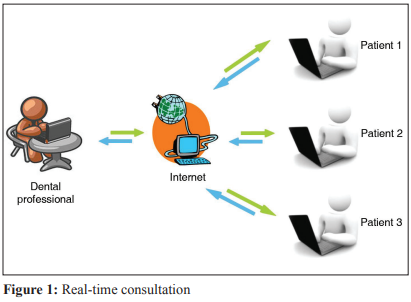
Fig. 1: Real -time consultation6
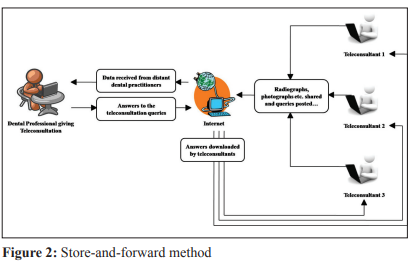
Fig. 2: Store and forward method6
2. Store and forward type of teledentistry: In this method, all information assembled and stored then relocates the information onward to consulting practitioners from different locations. The stored data includes all relevant information including the patient’s history, photographs, x-rays, MRI scanning etc.3 (Fig. 2)
TECHNOLOGICAL REQUIREMENTS
The deployment of the Internet and broadband high-speed connections remain the cornerstones of modern teledentistry. For most dental applications, store-and-forward technology provides excellent results without excessive costs for equipment or connectivity. A typical store-and forward teledentistry system consists of – a computer with substantial hard drive memory, adequate RAM, and a speedy processor, an intraoral video camera and a digital camera for the capture of pictures; a modem and an internet connection. A fax machine, a printer and a scanner may also be required in some cases.3
METHODS OF TELECONSULATION 2
Step 1: Image file transfer through modem-
A dental image management system was used in conjunction with an intraoral camera to capture color images of a patient’s mouth. These images were then transmitted over a 9600-band modem from the dental clinic. Patients were referred for periodontal surgery. After healing had been determined to be complete, the patients then reported back for suture removal and intraoral imaging. Color still images of the surgical sites were then transmitted to the periodontist who performed the surgery. In conclusion, patients were saved from visiting the hospital again. The patients uniformly felt that they had received better care and time was saved. The dentists were also comfortable in their ability to make proper decisions and diagnosis. (Fig.3)
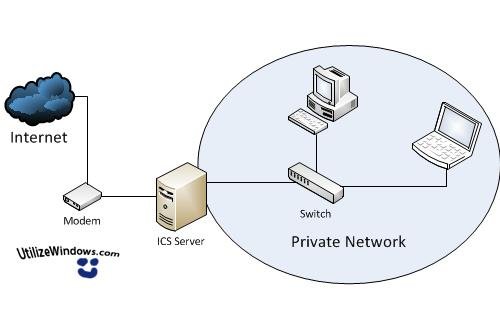
Fig. 3: Image file transfer through modem.
Step 2: File image transfer through satellite
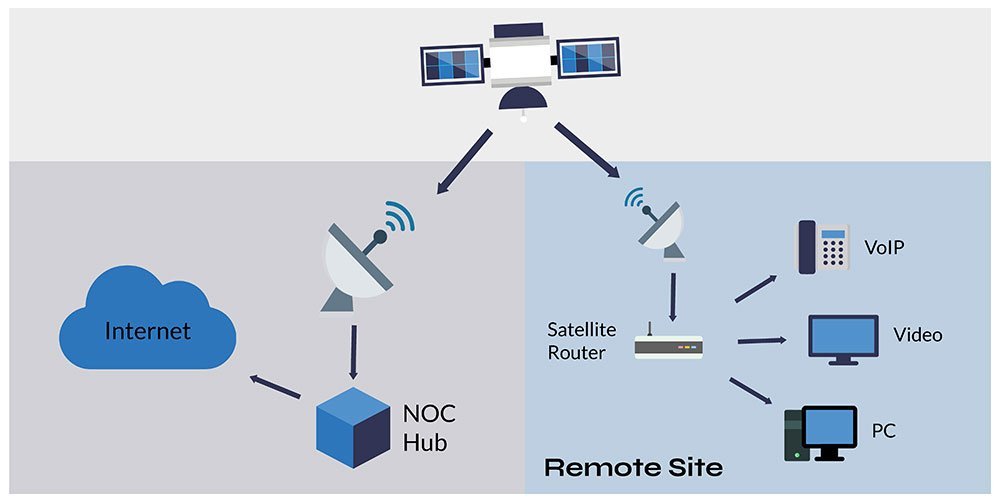
Fig. 4: File image transfer through satellite.
The second study was performed in Haiti in 1995. In this study, a video teleconferencing system was used over international maritime satellite (Inmarsat) allowing the deployed dentists to talk face to face with specialists at Walter Reed Army Medical Center in Washington. The images were obtained with a high-resolution still camera and transmitted to Walter Reed, where the specialists reviewed them. This study showed that the video quality was insufficient for dental diagnosis of most pathologic conditions.(Fig. 4)
Step 3: Integrated Services Digital Network (ISDN) based teledentistry system
Using commercially available technology, dentists transmitted radiographs, color images, and full-motion videos to remote field hospitals for diagnostic support and obtained results and prescription support by utilizing digitalized medical logistics and online clinical information. The Department of defense concluded that the ISDN based systems provide invaluable support for clinical decision making in time-critical contexts, though its major drawback is expense, both in initial purchase and equipment maintenance. However, the savings in travel and work hours lost were recouped in <2 years. (Fig.5)
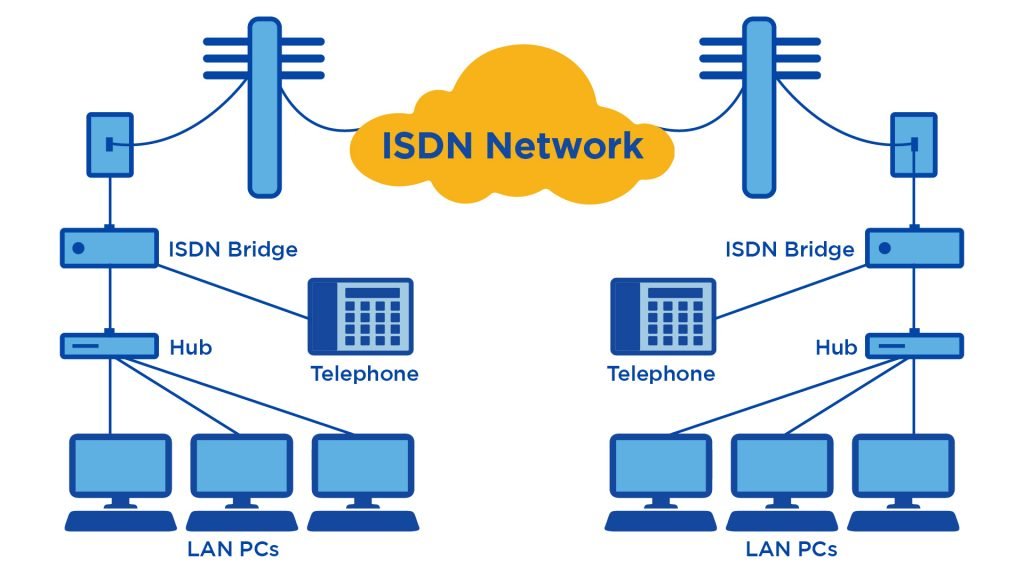
Fig. 5: Integrated Services Digital Network
Step 4: Plain Old Telephone System (POTS)
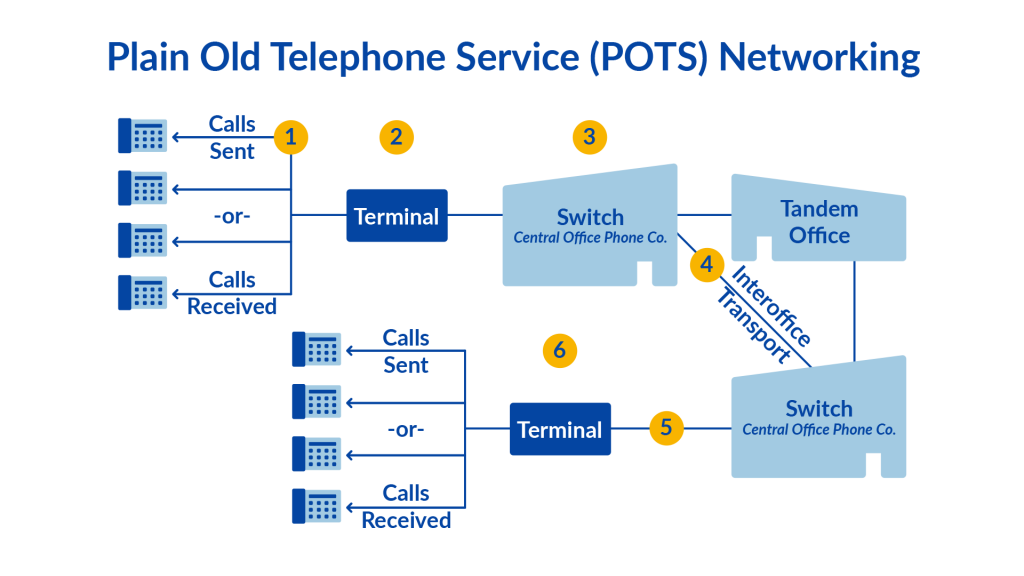
Fig. 6: Plain Old Telephone System (POTS)
The POTS-based systems consist of a desktop computer, a 28.8 kbps modem, software and hardware (Share vision PCS 3000), intraoral camera, and a document camera. An online database was developed to gather information on user satisfaction, number of consults, frequency of use, and video or audio problems occurred and avoided travel. Dental providers complete this form each time they use the system. The data collected from the use of the POTS based systems had been analyzed. The advantage of the POTS-based systems was that it was user friendly, low in cost, and easy to maintain. (Fig. 6)
Step 5: Web-based teledentistry systems
The web-based teledentistry system introduced in October, 1997 consists of a laptop, a digital camera, a web browser, and requires internet access. The referring dentist after logging into a secure server chooses a specialty (orthodontics, oral medicine, oral and maxillofacial surgery, endodontics, oral pathology, periodontics, prosthodontics, and pediatric dentistry). He then sends the patient’s details including complaint, images, and radiographs to the specialist. The data gets sent to the database and an electronic mail notifies the specialist of the pending consult, which he will access through the internet. A plug-in developed in visual C++ enables him to do image manipulations such as contrast and brightness changes of the radiographs within the web browser. The specialist after reviewing the details writes diagnosis and treatment plan which is sent through email to the referring dentist. Advantages of a web-based teledentistry consultation system include low cost, expandable to a wide range of locations, and more complete information for data analysis. (Fig. 7)
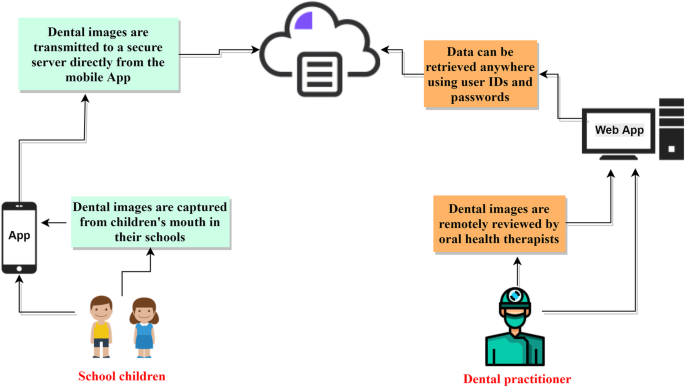
Fig. 7: Web-based teledentistry systems.
ADVANTAGES 1
Teledentistry has following advantages:
- Access to care for underserved and undertreated population
- Cost-effective
- Less time consuming
- Enhanced communication
- Early diagnosis
- E-prescription
- Aid in training dental personnel at the remote site
- Storage of data
LIMITATIONS 1
Teledentistry has following limitations:
- Treatment requires a visit to the clinic
- Technique sensitive and time consuming
- Initial investment
- Virtual examination
- Decreased accuracy
- Legal issues
- Language barrier
- Training instructors
APPLICATIONS OF TELEDENTISTRY
- INNOVATIVE TOOL FOR UNDERSERVED POPULATION
- IN DENTAL EDUCATION AND SPECIALITIES1
In most rural areas, there are many barriers to dental health care, including geographic remoteness. High altitude areas and the low lying areas which are not connected with metro cities, adverse weather and road conditions, poor public transportation, poverty and lack of health insurance, a low number of dentist relative to total population and scarcity of specialty and subspecialty dentist cause a hindrance to dental care.3
In remote areas of a country shortage of dental specialists and lack of comprehensive dental care is a big drawback. People who belong to rural communities are negatively impacted by inequalities in access and quality of health service as compared to urban areas.7
Hence, it plays an important role to provide accessibility of the specialists to the populations who live in rural areas for their basic dental needs apart from reducing time and the cost of their consultation to the people who have dental problems.6
“Oral Pathology, Medicine, Diagnosis, and Radiology”
- Oral lesions can be electronically photographed using a 50 mm macro lens and circular illumination system, and clinical data can be stored in a textual file
- Digital radiology including Intraoral Periapical Radiographs (IOPAR), panoramic radiographs, Cone-Beam Computed Tomography (CBCT), Computed Tomography (CT) and Magnetic Resonance Imaging (MRI) can be transferred to a specialist through the internet for consultation also termed as teleradiology. Images can also be transferred to the specialist for peer consultations and second opinions from remote areas, thus saving a lot of time and obtaining an accurate diagnosis.
“Oral and Maxillofacial Surgery”
- Impacted teeth can be evaluated by interpreting a radiograph and taking proper history including the age of the patient, signs, and symptoms.
- Guidance in placements of dental implants.
- Prescribing medications for oro-facial infections and abscesses.
“Periodontology”
- Patient’s education and motivation.
- Evaluation of dental implants for peri-implantitis through the obtained radiographs.
“Orthodontics”
- Minor emergencies such as rubber ligature displacement, irritation due to the orthodontic appliance can be solved by telecommunication in the field of orthodontics, thus limiting visits to the dental office.
- Peer teleconsultants, if required.
“Pedodontics and Preventive Dentistry”
- Prevention and early detection of caries.
- The method of teledentistry has been demonstrated as an excellent alternative in children afraid of dentists, reducing their fear and anxiety compared to clinical examination in real-time.
- Home application of fluoride can be shown through teledentistry.
- Traumatic injuries to the teeth reducing the time gap between injury and primary care, which ultimately increases the chance of the survival of a traumatized tooth, especially in situations like avulsion.
- The effects of nutrition on oral health can be explained audio-visually to the parents.
- Diet counselling which is the first and foremost treatment modality for Early Childhood Caries can be done from distant.
- Prevention and early detection of caries are the key factors in the suppression of this mass disease.
“Endodontics”
- Detection of caries, interpretation of periapical lesions through the obtained radiographs, prescribing medications for abscesses, preparation of crowns using Computer-aided design and computer-aided manufacturing (CAD-CAM) systems are a few of the major use of teledentistry in the field of endodontics.
“Prosthodontics”
- Communication is required between the dentist and the laboratory technicians for the fabrication of prostheses. In such cases, colored images of the patients’ teeth can be sent for shade selection, size, shape, and contours of the prosthesis to be fabricated.
- CAD-CAM systems are gaining precedence in the manufacturing of individual dental crowns, dental inlays, and onlays, over traditional hand modeling and casting of prosthetic reconstructions.
- Digital impressions where the jaws are scanned and sent as a computer file to the dental laboratory for fabrication of the various prosthesis.
- Post-insertion instructions, temporary changes in chewing habits, and speech can be explained through telecommunication, thus benefitting the patient by saving their time and cost of transportation.
Teledentistry usage is also advocated in “Forensic dentistry” as digitization of data is required in teledentistry, the data is stored and can be used retrospectively. It can thus help in solving criminal cases related to forensic dentistry. Stored data can also be used in various retrospective studies, cohort studies, and surveys.
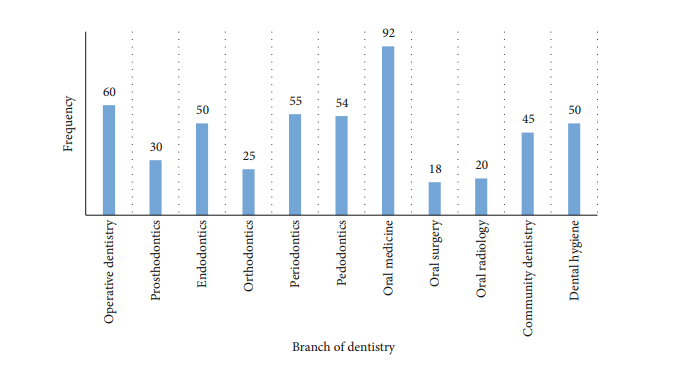
Fig.8 -Distribution of teledentistry use in different dental specialties.17
- IN SCHOOLS AND CHILD HEALTH CARE CENTRES4
- Screening for dental problems before these become emergencies.
- Helping children in managing chronic illnesses.
- Connecting children and their families to the needed health and social services.
- Providing urgent care.
- Early detection of tooth decay can prevent the child from painful and financial trauma, visits to the emergency treatment room, and ultimately, extractions of the teeth.
- DURING GLOBAL COVID-19 PANDEMIC
- DURING LOCKDOWN:7
In view of the pandemic, the government of India declared a nationwide lockdown on 24 March, 2020 with restrictions on travel and social gatherings. It was recommended to avoid visits to the hospitals, dental setups, or other medical facilities as it serves as a source of cross infection. The dental setting proved to be a significant source of transmission as most of the dental procedures involve the production of aerosols and droplets contaminated by microorganisms. This makes the dentist prone to get infected from patients and spread the infection to their families. This developed a sense of fear and anxiety in the minds of the dentists. To overcome this, new models of consultation need to be encouraged to provide minimal contact between dentists and patients.8
The COVID-19 pandemic had significantly influenced dental-care-seeking behaviour because of the fear surrounding the epidemic, people were averse to be outside and less willing to visit dental studios. Moreover, dental care was not widely available during the early phase of the pandemic, with a large number of patients expected to seek emergency dental service only when urgent care was needed. In addition, specific recommendations and lots of preventive measures against COVID-19 were undertaken in dental offices with infection control strategies. The urgent need for dental emergency care required fast delivery of the appropriate Personal Protective Equipment (PPEs). The initial shortage, distribution challenges and large interest in usage of Personal Protective Equipment (PPEs) was seen globally.14
The patient management protocols were applied to reduce the risk of infection and to prevent the spread of the cross-infection, for example, clinical triage for patient screening with a questionnaire on recent disease symptoms, body temperature measurement, avoiding crowding in the waiting room, a hand sanitizer available to patients before entering the operating rooms and the use of Personal Protective Equipment (PPEs) and oral rinses with hydrogen peroxide before the dental treatment.14
Communication for teleconsultation can be made via applications for instant messaging or video calling. Consultation via whatsapp has been a beneficial option.15
The transmission routes, treatments, and outcomes of COVID-19 have been extensively researched upon. It is clear for now that the mode of transmission is through contact in the form of droplets. The Occupational Safety and Health Administration (OSHA) has placed dental healthcare professionals in a very high exposure risk category stating that dentists work in close proximity to the patient’s oral cavity.
Dental procedures are aerosol producing, having the potential to spread infections to dental personnel and other people in the dental office. Online conversations allow the exchange of several types of data like written or voice messages for diagnostic doubts as well as therapeutic suggestions, video messages for a better evaluation of a patient’s requirements, and descriptions of problems in his own words. Surely, high-quality images are the most common means of communication in teledentistry, showing clinical examination reports, radiological investigation reports, or simple photos of lesions. Remote consultations can be performed either among dentists or between dentists and patients.
DENTIST PERCEPTION FOR TELEDENTISTRY 11
Teledentistry could potentially reduce costs, reduce unnecessary expenses incurred when traveling to hospitals. Evidence indicates that the cost associated with a teledentistry model of dental screening is lower than that associated with conventional, face-to-face dental screening in both rural and urban regions. The savings could be redirected to improve infrastructure and provide much-needed oral health services to underserved patients.
Also, it improves communications between dentists, dentist and patients’ for guidance and advice with clinical training and continuing patients’ education.
Moreover, it shortens the waiting time due to reliability of equipments as it facilitates patient confidentiality when images are sent online to the clinicians and bears potential for tampering with computer images and makes referral of new patients more efficient.
PATIENTS’ PERCEPTION FOR TELEDENTISTRY 13
In a study, it was found that patients felt satisfied that the virtual clinic met their needs and were willing to use the virtual clinic again for consultations or follow-up appointments. In comparison, some of the telephone clinic patients felt the clinic met their needs and all participants were willing to use the telephone clinic again. However, telephone clinic participants explained that they lacked the face-to-face interaction which would make the consultation more personable.
Effectiveness including increasing access to clinical services a, large majority of respondents (of telephone consultations and virtual clinic patients) strongly agreed or agreed in being able to express themselves clearly and felt they could talk to their clinician as if they met in person. Many commented that the virtual clinic was an effective form of communication and being at home made them feel at ease increasingly confident and therefore better able to absorb information, especially as a few patients had dental-related anxieties. (Fig. 9)
For virtual clinic appointments, it was seen that remote care can be beneficial, access can be difficult for the elderly, those from socioeconomically disadvantaged backgrounds or for those with physical or learning needs. Patients who could not access the internet or the virtual clinic can be offered telephone consultations.
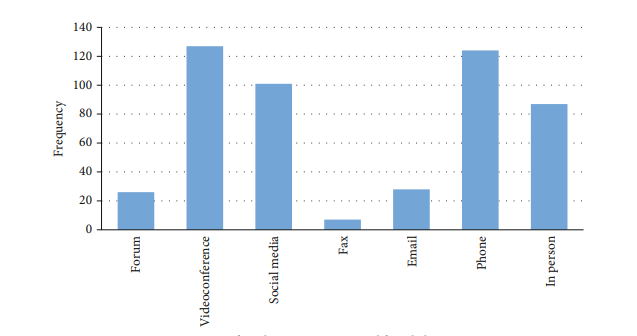
Fig.9 -Preferred teledentistry communication mode17
SCOPE OF TELEDENTISTRY IN INDIA
India is developing country and most of the population belongs to rural background where some of the basic amenities of daily routine life are missing, especially primary health education and services. Development in the modern telecommunication and information technology in our country has changed the various prospects of life in the form of knowledge and awareness. These resources can have a cumulative effect in Indian population towards the transition and transformation of teledentistry.12
Primary Health Centres (PHCs) and Community Health Centres (CHCs) can be equipped with telehealth and teledentistry infrastructure to widen the reach of speciality care, facilitate education, training and provide better services to the society.16
Students and teachers from schools and colleges at various levels and even social workers from Gram Panchayat can be educated and trained towards the importance and functioning of telehealth with connectivity to higher center and experts.12
With the success of the pilot implementation of CollabDDS (developed in India for tele-consultation, diagnosis, remote education and as a data repository. It is a remote expert dental programme served between three dental schools with the Centre for Dental Education and Research at the All India Institute of Medical Sciences in New Delhi), is planned by the Ministry of Health and Family Welfare, Government of India to roll it out to all PHCs.
A large percentage of Indian population dwells in rural areas, with limited resources in terms of education, infrastructure and most importantly, basic health care facilities. The National Rural Health Mission (NRHM), now under National Health Mission by Ministry of Health and Family Welfare, Government of India was started in 12th April, 2005 with a purpose to improve rural health care system. For the success of the teledentistry initiative, it is therefore important to partner with an Internet Service Provider (ISP), who could support this initiative by providing either free or low cost bandwidth, as a part of their Corporate Social Responsibility (CSR) program. Such programs are now mandatory for large corporate by way of a recent amendment in the Companies Act and interestingly, healthcare is one of the primary focus areas identified under the relevant Schedule of the Companies Act, 2013.
In India, currently major networks in operation are as follows:
- National Knowledge Network by National Informatics Centre (NIC)
- Integrated Services Digital Network (ISDN) by the largest public telecommunication services provider (MTNL)
- Very Small Aperture Terminal (V-SAT) by Indian Space Research Organisation (ISRO)
- State Wide Area Network (SWAN)
- National Optic Fibre Network (NOFN)
- ‘eDantSeva’ – A start of telemonitoring in dentistry is a web based interactive site and mobile app created for the National Oral Health Programme, by the Centre for Dental Education and Research supported by Ministry of Health, Government of India. ‘eDantSeva’ has many distinct features, including ‘Find a Dental Facility’ which locates and maps dental facilities around the geographical location. All 313 dental schools and 1,000 hospitals including primary and community health centres across India have been mapped and can be tracked.16
ETHICAL AND LEGAL ISSUES IN TELEDENTISTRY 1
The application of teledentistry holds some ethical and legal issues in its implication such as;
- Licensure
- Jurisdiction
- Malpractice
- Technological issues
- Privacy
- Security
- Backup
- Informed consent
- Fraud
DATA PROTECTION LAW
The concerns about the confidentiality of dental information arise from the transfer of medical histories and records as well as from general security issues of electronic information stored in computers. The practitioners of teledentistry should take utmost care to ensure that patient privacy is not compromised by unauthorized entities. However, patients should be made aware that their information is to be transmitted electronically and the possibility exists that the information will be intercepted, despite maximum efforts to maintain security. There are privacy and security issues as well as remuneration, fiscal and taxation issues associated with electronic commerce. Many of the legal issues, such as licensure, jurisdiction, and malpractice, have not yet been definitively decided by legislative or judicial branches of various governments.4
India presently does not have any specific legislation governing data protection or privacy for telemedicine or teledentistry. The relevant law dealing with data protection are part of Information Technology (IT) Act, 2000, IT Amendment Act, 2008 and the Indian Contract Act, 1872. Health information is not integrated with technology as in many other countries. However, it is not legal to prescribe any medication through any smartphone applications in India.16
However, healthcare professionals should give a disclaimer before proceeding with virtual consultation to inform patients that third?party applications possibly present may breach in privacy and all obtainable privacy modes as well as encryption should be allowed while using such technology and applications.18
RECOMMENDATIONS 3
Although face to face patient examination is still considered to be the most accurate in establishing a correct diagnosis for oral mucosal pathologies than transmitted descriptive patient data alone, some recommendations mentioned below must be considered for improvising the teledentistry experience, especially in the field of oral medicine.
- A standardized referral form should be used for oral medicine referrals by all primary health-care professionals, including medical specialists.
- Dental professionals should be encouraged to take clinical photographs of the pathological lesions of the oral cavity routinely (with the patient’s consent) as this enhances both the quality of referrals and patient clinical records alike.
- Research should be promoted to use the clinical photography for diagnosis of oral mucosal lesions using teledentistry as an alternative to face to face consultation.
- Research aimed at evaluating the cost-effectiveness of using a community-based teledentistry service for the management of oral mucosal disease, in comparison to the traditional consultant led hospital based approach, should be undertaken.
CONCLUSION
Dentistry, is a synergistic combination with telecommunications technology and therefore, the internet, has yielded a comparatively new and exciting field that has endless potential. Teledentistry has emerged as a practical solution in emergency aid, initial consultation, and expert opinion, especially for rural parts of India. The use of teledentistry as a way to enhance access to oral health services in areas with inadequate availability of general and specialty dental care.1
Dentistry forms an important part of our healthcare system, which has become severely compromised during the current pandemic of COVID-19. The need of the hour is to incorporate teledentistry into routine dental practice. If not fully replaced, at least teledentistry can complement the compromised dental system aftermath the COVID-19 pandemic.9
In a complex global context, characterized by the biggest contemporary health crisis imposed by the pandemic caused by the coronavirus with a serious political crisis, the delay in diagnosis and accumulation of needs are problems that has caused an important financial and social impact for health services and their users, as it allows the reduction of geographical barriers in a country with extensive territorial dimensions.5
A solution to the barriers of dental care like the lack and cost of transportation, time off from work and school and to save the patient’s money. Moreover it provides new opportunities for dental education by providing the primary care professionals with an easy access to efficient consultation and by helping in conducting postgraduate education and continuing dental education programmes.9
A means of avoiding person-to-person contact; as one of very risky professions in present circumstances as aerosols and droplets being the main source of transmission enhance the chance of infection for dental practitioners, while satisfying the requirement of social distancing by facilitating remote dental care, patient education, and guidance which is advocated by health care authorities across the globe.12
REFERENCES
- Baishakhi Modak, Anneysa Basu. Teledentistry: a need of the hour. International Journal of Research and Review, 2020; 7(7): 8-16.
- Abhinav Bhargava, Bhavna Sabbarwal, Amrita Jaggi, Sachin Chand, Shourya Tandon. Teledentistry: a literature review of evolution and ethicolegal aspects. Journal of Global Oral Health, 2019; 2(2): 128-133.
- Anshu Vij , Richa Sharma , Upma Jawa. A new hope - teledentistry. International Journal of Science and Research, 2021; 10(3): 174-180.
- Amitabh Kallury, Ankur Jain, Kunal Agrawal, Aishwarya Sahu, Sheena Saluja, Anurag Mahajan. Teledentistry: a boon in Indian scenario. J Orofac Res 14, 2019; 8(2): 1-3.
- Preeti Chawla Arora, Jasleen Kaur, Jasmine Kaur, Aman Arora. Teledentistry: an innovative tool for the underserved population. Digital Medicine, 2019; 5(1): 6-12.
- N. D.Jampani, R. Nutalapati, B. S. K. Dontula, R. Boyapati. Applications of teledentistry: a literature review and update. Journal of International Society of Preventive and Community Dentistry, 2011; 1(2): 37-44.
- Nazar Rana, Dhruvakumar Deepa. Teledentistry: a must in the era of patient driven dentistry. Journal of Oral Research and Review, 2015; 7(2): 77-79.
- Cristhian Madrid Troconis, Julio R. Ribon, Plinio Puello. Impact of teledentistry programs on dental service in rural areas: a systematic review. International Journal of Applied Engineering Research, 2018; 13(19):14417-14423.
- Jung-Wei Chen, Martin H. Hobdell, Kim Dunn, Kathy A. Johnson, Jiajie Zhang. Teledentistry and its use in dental education. JADA, 2003; 134(1): 342- 346.
- Suhani Ghai. Teledentistry during COVID-19 pandemic. Diabetes & Metabolic Syndrome:Clinical Research & Reviews, 2020; 14(1): 933- 935.
- Christine Bohm da Costa Felipe da Silva Peralta, Ana Lucia Schaefer Ferreira de Mello. How has teledentistry been applied in Public Dental Health services? An integrative review. Mary Ann Liebert, Inc; 1-10.
- Alla T. Alsharif, Shaima S. Al-harbi. Dentists’ self-perception on teledentistry: the changing landscape driven by technological booming in the 21st century. The Open Dentistry Journal, 2020; 14(1): 291- 297.
- Gaurav Chandra, Jitendra Rao, Kalpana Singh, Kirti Gupta. Teledentistry in India: time to deliver. Journal of Education and Ethics in Dentistry, 2012; 2(2): 61-64.
- Naomi Rahman, Shrina Nathwani and Thayalan Kandiah. Teledentistry from a patient perspective during the coronavirus pandemic. British Dental Journal, 2020; 229(3): 1- 4.
- Amar Bhochhibhoya, Rejina Shrestha. Teledentistry: a novel tool in our Arsenal to combat COVID-19. International Healthcare Research Journal, 2020; 4(4):77- 80.
- Beenish Abbas, Mehreen Wajahat, Zakia Saleem, Eisha Imran, Mehvish Sajjad, Zohaib Khurshid. Role of teledentistry in COVID-19 pandemic: a nationwide comparative analysis among dental professionals. European Journal of Dentistry, 2020;14(1): 116-122.
- OP Kharbanda, Morth, M MEd, Harsh Priya, Rajiv Balachandran, Charu Khurana. Current scenario of teledentistry in public healthcare in India. J Int Soc Telemed eHealth, 2019; 7(10): 2-8.
- Afsheen Maqsood, Muhammad Shahrukh Khan Sadiq, Daud Mirza, Naseer Ahmed, Abhishek Lal, Mohammad Khursheed Alam, Mohamad Syahrizal Bin Halim. The teledentistry, impact, current trends, and application in dentistry: a global study. BioMed Research International, 2021; 21(1): 2-9.
- Malvika Singh, Manju Jamwal. Teledentistry: role, scope and future ahead. Journal of Health and Research, 2021; 8(3): 139-142.
Disclaimer from Guident
The views and opinions expressed in articles published in Guident are solely those of the authors and do not necessarily reflect the views of the editors, the editorial board or the publisher, Ivory India. Guident does not endorse any product, technique or treatment described. Clinical content is intended for qualified dental and medical professionals and is not a substitute for individual clinical judgement. Guident, its editors and the publisher accept no liability for any consequence arising from the use of information published in the journal.
How to cite this article
Dr. Aditi Rawat, Dr. Navpreet Kaur, Dr. Manish Bhalla. Teledentistry: A Boon in Dental Care. Guident. 2022 Aug;15(9-10). Available from: https://guident.in/articles/general/teledentistry-a-boon-in-dental-care.html