
Occupational Hazards in Dentistry
Manipal College of Dental Sciences, Manipal, India, Jaipur, Bhilwara, Department of Orthodontics and Dentofacial Orthopedics
Abstract
Dental care professionals are at risk for occupational exposure to a variety of hazardous chemicals and situations. Being unaware of the potential hazards in the work environment makes them more vulnerable to injury. The following article aids in recognizing, controlling and preventing hazards in the workplace.
Keywords : occupation, hyper sensitivity, ergonomics
INTRODUCTION
Occupational hazard is defined as a risk accepted as a consequence of a particular occupation. Professionals in dentistry are exposed to many occupational hazards; their effects appear as ailments that affect the dental practitioner and tend to intensify with age. These problems include musculoskeletal conditions due to improper body posture; physical hazards from light, noise, and trauma; biological risks from irradiation and microorganisms; and chemical detrimental sources.1
A general classification of potential operator hazards in orthodontics includes the following.
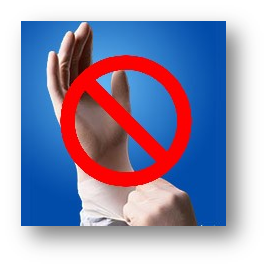
1. Health hazards impose threats to a person’s biological balance from exposure to physical factors (lights, noise, vibration, heat, trauma), chemical irritating or toxic factors (latex, monomers, sterilization and radiology fluid, aerosols during debonding), and biological factors (infections from microorganisms).
2. Other hazards include risks to the professional’s well-being, associated with physical or psychological factors such as ergonomic considerations (insufficient or inappropriate equipment, inappropriate work area design) and psychological stress (dealing with patients in general, difficult patients, employees, legal action, and work organization).
TABLE SHOWING OCCUPATIONAL HAZARDS IN DENTISTRY2
1. Stress and professional burnout
2. Allergies from various materials
- Latex hypersensitivity
- Acrylate and its compounds
- Allergic asthma
3. Hazards from physical agents
- Noise generated by dental equipment
- Radiation
4. Ergonomics
- Musculoskeletal disorders and diseases of the peripheral nervous systems
- Spine degeneration
- Lumbar or lumbosacral discopathy
- Median or cubital nerve defects
5. Percutaneous Exposure Incidents (PEI)
6. Dental Materials
- Mercury
- Developing and fixing solutions
7. Hazards due to nitrous oxide gas
8. Legal hazards
9. Overhead expenses of a dentist
BIOLOGIC FACTORS
Biologic factors include microorganisms and particles. In the dental office, the main source of infection is through interaction of the patient with the health-caregiver. This can occur from direct contact with blood, body fluids, secretions, and excretions (except sweat), regardless of blood presence, nonintact skin and mucous membranes regardless of blood presence.
Infection can occur indirectly by contact with contaminated instruments, surfaces, equipment, and materials. Contact of sensitive body areas with infected droplets expelled from infected persons at short range or inhalation of suspended microorganisms that can survive for long periods can occur in the office environment. Other possible sources of infectious contamination are dental unit waterlines, handpieces, saliva ejectors and suctions, other devices attached to air and waterlines, and radiology equipment (especially digital sensors). Impression materials and orthodontic appliances transported between the clinical area and the laboratory could be a source of infection. Microorganisms are transferred in dental impressions and on dental casts, and certain microorganisms can survive in the cast material for several days. Commissioning laboratory work to an outside facility can transmit microorganisms even farther.
Toroglou et al1, in specialty-specific studies, evaluated the contents of aerosols produced during debonding procedures in an orthodontic office. They concluded that orthodontists are exposed to high levels of aerosols and contaminants, and that debonding procedures are potentially hazardous to their health. Post exposure management is important to control and avoid further transmission of the infection. The foregoing concerns provoked the investigation of means to minimize bacterial counts in aerosols. Rinsing with antiseptic solutions before treatment was found to significantly reduce the bacterial counts in aerosols during ultrasonic scaling. Apart from microorganism contamination, a concern was recently expressed on the composition of aerosol produced during the use of rotary instruments.
Research indicated that these aerosols contain silica particles from the adhesive resin fillers and various bur material by-products. The sizes of these particles have been estimated between 2 and 30, thus falling within the hazardous-product particle range of 2.5. The concern about the small size of these particles relates to the fact that they are implicated in many diseases because they can reach the alveoli. Thus, ventilation, use of masks and aspirators, and mechanical removal of as much resin as possible before using rotary instruments are suggested.
PHYSICAL FACTORS
Contemporary orthodontics involves many potentially hazardous factors related to the general setting of practice; to specific materials and tools that expose theoperator to vision and hearing risks; to chemical substances with known allergenic, toxic, or irritating actions; to increased microbial counts and silica particles of the aerosols produced during debonding; to ergonomic considerations that might have an impact on the provider’s musculoskeletal system; and to psychological stress with proven undesirable sequelae.
Dental personnel are exposed to noise of different sound levels while working in dental clinics or laboratories. Dental laboratory machine, dental handpiece, ultrasonic scalers, amalgamators, high speed evacuation devices and other items produce sound at different levels which is appreciable.
The noise level of modern dental equipment is below 85 db and up to this point the risk of hearing loss is negligible. However, tinnitus, speech discrimin-ation in the background noise, numbness in the ear have been reported among the clinicians.
Exposure of dentists to ionizing radiation and associated cancer risk is an established risk factor. Dentists should stand behind the protective barriers and use monitoring batches. Use of glasses and protective shields can minimize or eliminate the radiations.
STRESS RELATED FACTORS
Though dentists are usually regarded as healthy, illness has been known to increase with age. Many clinical situations may give rise to stress to a dentist such as
- Anaesthetization
- Pain and fear management
- Emergency situations
- Heroic attempts at cases with questionable prognosis.
Among substance abuse most commonly reported is use of alcohol or other drugs; smoking also has a high percentage of abuse among dentist.
So a professional should attempt at adapting his/her attitude according to the mental state or personality of the patient.
ALLERGIC FACTORS
In modern orthodontic practice, adverse patient reactions to orthodontic materials are of both an irritant and a hypersensitivity nature. Although reactions of irritant origin are usually associated with direct friction between soft tissues and parts or accessories of the orthodontic appliances, hypersensitivity reactions are related to the antigenicity of some materials that results in an adverse patient response. Adverse hypersensitivity reactions are manifested most often as allergic contact dermatitis (ACD) of the face and neck; but mucosal and gingival reactions, as well as a potential general dermal and systemic reaction, can occur in unusual circumstances. The most common and problematic hypersensitivity reactions in orthodontic practice are due to the use of latex based products and to the alloy components of metal-based orthodontic appliances.3
During the processing of untreated natural latex, ammonia and other chemicals such as thiurams, carbamates, and mercaptobenzothiazoles are added as accelerators or antioxidants during the manufacture of latex-based products. These compounds are thought to function as possible allergens in the final product. In addition, distribution of some natural rubber latex products with higher latex protein content than traditional sources may result from insufficient leaching times during the manufacturing process. During production of latex-based gloves, the glove is soaked in hot water to complete the curing process. It is during this stage that protein allergens are drawn toward the heat source and toward the surface of the glove. The glove is then turned inside out before packing, resulting in the concentrated protein latex allergens being closest to the skin surface of the operator.
Common initial signs of allergic reaction among health care workers are erythema on the backs of the hands and between the fingers. Once the dermatitis extends, the allergens will have access to the bloodstream through breaks in the epithelial layer, leading to an increased production of antibodies to the allergen.
MANAGEMENT OF LATEX HYPERSENSITIVITY
• The best management of natural rubber latex hypersensitivity is the practice of avoiding contact with the product and use of alternative products made of synthetic rubber or plastic.
• Natural rubber latex gloves should be substituted with alternative ones made of other components such as nitrile, neoprene, vinyl, polyurethane, and styrene based rubbers or blends of these synthetic materials. In addition, the use of powder-free gloves will diminish the amount of aerosolized allergens.
• Although a safer alternative to help prevent hypersensitivity reactions to the latex-related materials, these non-vulcanized products may contain allergenic plasticizers, epoxy resins, and other added stabilizers and fungicides that can still trigger an allergic contact dermatitis in certain patients. For any kind of natural rubber latex hypersensitivity reaction, topical medicaments and barrier creams can potentially worsen skin symptoms and should therefore be avoided.
• More frequent office cleanings, air-duct filter changes and cleanings, and exposure to airborne natural rubber latex particles. In certain cases appropriate treatment may have to include administration of pre-treatment antihistamines. In the event of a severe type I reaction, emergency procedures such as administration of epinephrine are recommended.
PERCUTANEOUS EXPOSURE INCIDENTS (PEI)
PEI exposes the patient to blood borne pathogens such as HIV, HEPATITIS C and B. Thus, any accident should be treated regardless of the characteristics of the patient or accident site. Chemo-prophylaxis and proper evaluation of circumstances leading to the accident will give a better insight into preventing these accidents.
HAZARDS DUE TO NITROUS OXIDE GAS
Exposure occurs during administration to the patient. Operating rooms are often equipped with scavenging system but exposure can lead to impaired fertility among female dental clinicians, spontaneous abortions, neurologic problems.
LEGAL ISSUES AND OVERHEAD EXPENSES
Hazard awareness and prevention of legal risks should be made known to health care workers.
A dentist has to have a good practice to earn a living. He is under constant debt of rent, equipment and supplies, staff payment, education loan and list goes on. Mismatch between earning and debts can lead to stress and even suicidal tendencies. Thus proper earning is also very important for good living and relationship.
CONCLUSION
The identification and elimination of the foregoing risk factors should be incorporated in a standard practice management program as an integral part of orthodontic education. Professional organizations can also assist in informing practitioners of potential hazards and methods to deal with them.
REFERENCES
- Pandis N, Pandis BD, Pandis V, Eliades T. Occupational hazards in orthodontics: A review of risks and associated pathology. Am J Orthod Dentofacial Orthop 2007; 132: 280-92.
- Gambhir RS, Singh G, Sharma S, Brar R, Kakar H. Occupational Health Hazards in Current Dental Profession- A Review. The Open Occupational Health & Safety Journal, 2011; 3: 57-64.
- Leite LP, Bell RA. Adverse hypersensitivity reactions in orthodontics. Semin Orthod 2004; 10: 240–43.
Disclaimer from Guident
The views and opinions expressed in articles published in Guident are solely those of the authors and do not necessarily reflect the views of the editors, the editorial board or the publisher, Ivory India. Guident does not endorse any product, technique or treatment described. Clinical content is intended for qualified dental and medical professionals and is not a substitute for individual clinical judgement. Guident, its editors and the publisher accept no liability for any consequence arising from the use of information published in the journal.
How to cite this article
Dr. Siddharth Mehta, Dr. Anjali Mehta, Dr. SurendraLodha. Occupational Hazards in Dentistry. Guident. 2014 May;7(6). Available from: https://guident.in/articles/general/occupational-hazards-in-dentistry.html

