Meswak: More Than Just a Brushing Stick!!
Department of Conservative and Endodontics Rajiv Gandhi Dental College & Hospital Bangalore, India
ABSTRACT
The usefulness of Traditional and Alternative Medicine, in the control of oral diseases, is gaining increasing interest and the clinical investigation of these indigenous means is emerging. Alternative Medicine is accessible, affordable, culturally and socially acceptable and most people prefer it to the high priced conventional Western medicine.
Plants and natural products from time immemorial are used for their pharmacological applications namely, anti-ulcerogenic, wound healing, anti-inflammatory, antimicrobial, antioxidant properties.
The main reason for the popularity of Meswak (Miswak) is its low cost and habitual use as an oral hygiene tool. This article aims at reviewing the present and potential uses of Meswak and also enlisting its inherent properties that can be utilized in Medical and Dental Sciences.
KEY WORDS: Meswak, Chewing Sticks, Oral Hygiene.

INTRODUCTION
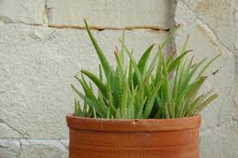
Salvadora persica is an upright evergreen small tree or shrub, seldom more than one foot in diameter reaching maximum height of three meters. The leaves are small, oval, thick and succulent with a strong smell of cress or mustard. (1)
Miswak, which is produced from the stolons and branches of S. persica is used as a substitute for ordinary tooth brushes. ‘‘Miswak’’ (synonyms in different Arabic dialects and countries include Miswaak, Misswak, Miswaki, Meswak, Meswaki, Sewak, Siwak, and Siwaki) is an Arabic word meaning tooth-cleaning stick.(1)
The reason of popularity of Meswak through the modern times is its easy availability, low cost, simplicity, and religious and traditional associations..(2)./sup>
Among at least182 plant species suitable for preparing tooth brushing sticks, Miswak is used most extensively. The use of Chewing sticks is customarily preferred in Asia, Africa, South America, and the Middle East (2) .Chewing sticks are prepared from a variety of plant species. The type of Meswak available in India is Azadirachta Indica also called as Neem.
The fresh leaves of this plant are eaten as salad and used in traditional medicine for cough, asthma, scurvy, rheumatism, piles, and other diseases. The flowers are small and fragrant, and are used as a stimulant and are mildly purgative. The berries are small and barely noticeable; they are eaten both fresh and dried as obtained from the roots of the Arak tree, and some sticks are made from its branches and bark that are used as the chewing sticks as a substitute for tooth brushes.(3)
Chewing sticks may play a role in the promotion of oral hygiene, and further evaluation of their effectiveness is warranted, as stated in the 2000 World Health Organization (WHO) Consensus Report on Oral Hygiene (WHO, 2000).(4)

Miswak Berries
HISTORICAL ASPECT
The practice of using Miswak is not new, it has been associated to various aspects in the Greek and Roman Culture and also has a mention in the literature(5). Meswak traces its use back to 3500 BC to the Babolynian times.
The use of Meswak has been particularly propelled by the emphasis of its use in Islam. Miswak and its benefits (on oral hygiene) have been mentioned in several quotations found in the compendium of the Prophet Muhammad(6).
According to Prophet Muhammad (PBUH) Meswak purifies the mouth and pleases Allah(6). In other quotes, it is said that, it cleanses and sweetens the mouth and checks its bad smell, and is a blow to the devil. They have emphasised that it strengthens the gums and improves eye-sight(6, 7).
Chewing sticks are known by different names in different cultures: ‘‘arak’’ or ‘‘miswak’’ in Arabic, ‘‘koyoji’’ in Japanese, ‘‘qesam’’ in
Hebrew, ‘‘qisa’’ in Aramaic, and ‘‘mastic’’ in Latin. Western travelers and explorers described the use of chewing sticks by men and women in the Sahara region and Sudan(1). The inhabitants of these regions would clean their teeth diligently whenever they had a chance to sit down for social gatherings.(1)
COMPOSITION
Miswak bark, leaves and stem has a high concentration of the following elements such as chlorides, salvadourea, and gypsum, organic compounds, such as pyrrolidine, pyrrole, and piperidine derivatives; glycosides, such as salvadoside and salvadoraside and flavonoids, including kaempferol, quercetin, quercetin rutin, and a quercetin glucoside. The roots and bark of the S. Persica tree are composed of 27% ash; a high ratio of alkaloids, such as salvadorine and trimethylamine.
The other major constituents and their uses are mentioned below:
1.Benzylisothiocyanate (BITC): BITC is an end-product derived from the enzymatic hydrolysis of glucosinolate present in the plant. BITC is a chemo-preventive agent that is thought to prevent cariogenic and other genotoxic compounds from reaching or reacting with target sites on the treated tissue. At a concentration of 133.3 microgm/ml, BITC was found to have virucidal activity against Herpes simplex virus 1 (12). In addition, BITC has exhibited broad-spectrum bactericidal activity and was found to inhibit the growth and acid production of Streptococcus mutans. (13)
2.Flouride: Miswak contains nearly 1.0 microgm/gm of total fluoride and was found to release significant amounts of calcium and phosphorus into water(21). Repeated chewing of S. persica miswak was found to release fresh sap, which may have an anticariogenic effect(7).
3.Silica: in meswak acts as an abrasive material to remove stains giving the teeth whiteness.
4.Sulfur: content in the ash of S. persica roots was found to be as high as 4.73% (13). Sulfur has a bactericidal effect and vitamin C was found to help in tissue healing and repair (12). Silica acts as an abrasive and was found to help in removing stains from tooth surfaces.
5.Tannins: The astringent effect of tannins may help reduce clinically detectable gingivitis. Tannins were found to inhibit the action of glucosyltransferase, thereby reducing plaque and gingivitis(12).
6.Vitamin C: helps in the healing and repair of tissues.
7.Sodium bicarbonate (NaHCOB; baking soda): present in Miswak has mild abrasive properties and is, thus, used as a dentifrice, in addition to having a mild germicidal action(13).
8.Chloride: High concentrations of chloride inhibit calculus formation and help in removing stains from the teeth. Calcium saturation of saliva inhibits demineralization and promotes remineralization of tooth enamel(13).
GENERAL CLINICAL SIGNIFICANCE:
1.Topical Medicament:
The use of aqueous extract of Miswak and Propolis proved to have improving effect on Post-operative outcome following lower third molar extraction. Both medicament used have shown good effect in reducing symptoms of pain and this is important in reducing the need for analgesic and antibiotic consumption.(10)
2. Anti- Peptic ulcer Activity: The ulcer index significantly decreased after treatment with a lyophilized decoction of S. Persica in experimental rats. Some morphological changes of parietal cells has been observed after S. persica treatment, suggesting that the cells tend to recover a moderate secretory activity. Moreover, the intracellular canaliculi show an enlarged lumen with an increase in the number and length of microvilli. S. persica decoction also possesses significant anti-inflammatory activity.(11)
3.Analgesic activity: Miswak decoction injected intra-peritoneally into mice, lower their response to chemical and thermal stimuli in the three analgesic tests. It is assumed that miswak is more effective against peripheral pain than visceral pain as it reduces the sensation particularly against thermal stimuli (which primarily conducts through dermal receptors). This may explain the traditional claim that Miswak decoction relieves oral pain by its application to oral mucosa. The effect of miswak can be antagonized by Naloxone.(13)
4.The anticonvulsant and sedative: The extract of Salvadora persica L. extended sleeping time and decreased induction time induced by sodium pentobarbital; in addition it showed protection against pentylenetetrazole induced convulsion by increasing the latency period.(14)
5.Miscelleneous: Moreover, the hypoglycemic effect, anti-platelet aggregation effect and anti-oxidative property of this herb have been studied and reported elaborately.(14)
Miswak is also supposed to play a role in de-addiction of Smokers. Dr. Rami Mohammed Diabi, has extensively researched on this aspect of the anti-addiction for smokers. (21)
DENTAL SIGNIFICANCE
1. Oral Hygiene: Chewing sticks have been used for centuries as a tooth cleaning device. One of the most commonly used types is known as the Miswak. Miswak is an oral hygiene aid and in widespread use. The World Health Organization has recommended and encouraged the use of these sticks as a tool for oral hygiene in areas where their use is customary. (4, 15)
2. Removal of Smear Layer:
The effects of aqueous extracts of chewing sticks (Salvadora persica) on the healthy and periodontally involved human dentine were evaluated with Scanning Electron Microscopy (SEM). SEM specimens from freshly extracted human premolars were treated using 50% aqueous extract of freshly prepared Miswak Solution. After soaking the healthy and periodontally diseased root dentine in Miswak extract, it was observed that there was partial removal of smear layer and occlusion of tubules in dentine specimens burnished with Miswak Solution.
It was therefore, concluded that CHX 0.2% and 50% Miswak Extract had a similar effect on dentin. Miswak extract removed more smear layer as compared to CHX. (16)
3. Root Canal Irrigant:
The alcoholic extract of Miswak has shown to have an effect equivalent to the commonly used irrigants like sodium hypochlorite and chlorhexidine. An in-vitro study conducted to compare the antimicrobial effect of alcoholic extract of Salvadora Persica with the normally used irrigants showed the same efficacy against aerobic and anaerobic bacteria recovered from teeth with necrotic pulps.
Hence it can be concluded that 15% alcoholic extract of Salvadora Persica had significant antimicrobial effect which was not significantly different from sodium hypochlorite and chlorhexidine.(17)
4. Plaque Control:
The use of Miswak Chewing Sticks has shown to have a good plaque control effect and hence reduced incidence of periodontitis.
A clinical trial study on Ethiopian school children comparing mefaka (Miswak) with conventional toothbrush, found Miswak to be as effective as the toothbrush in removing oral deposits. The study also found supervision to be important as an improper technique could lead to gingival recession. It is reported that patients using Miswak regularly show decreased gingival bleeding on probing compared with non-Miswak users.(18, 19)
5. Dental Gel: Dichloromethane component was extracted from the Miswak stems because it possesses a good antimicrobial activity, confirming the traditional claim. It showed a significant antimicrobial activity, which was comparable with standards of Chloramphenicol and Clotrimazole. This bioactive extract was formulated into dental gel using suitable gelling agent. This mucoadhesive dental gel has significant potential for treatment of periodontal diseases.(20)
COMMERCIAL ASPECT OF MISWAK:
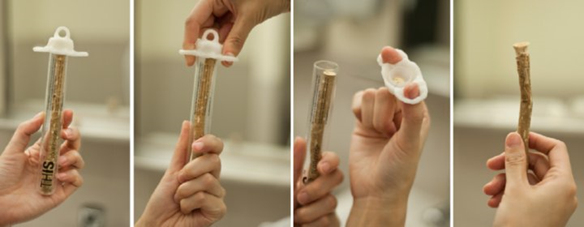
Miswak stick being used with a Device (Cigar Cutter Like Cap, designed by Lee Sadder) that is used to easily uncover/ or scrap away the bark to expose the bristles for brushing
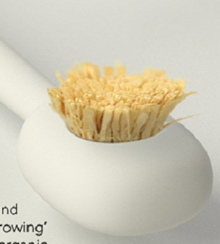
Bristles being separated and used on the tooth brush for easy cleaning
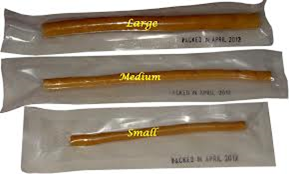
Different sizes of Miswak stick
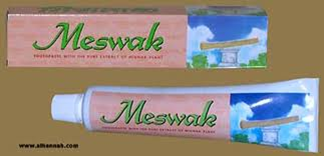
Meswak containing Tooth paste
CONCLUSION
Meswak has beneficial and worldwide use of therapeutic properties indicating its potential as an effective adaptogenic oral remedy. Moreover, its use predates the inception of Islam. It is therefore suggested that Meswak used in motivated people should be encouraged. However, further studies are needed to understand the complex pharmacological action and full phytochemical profile of the parent plant.
REFERENCES
- Bos, G., 1993. The miswak, an aspect of dental care in Islam. Med. Hist. 37 (1), 68–79.
- Elvin-Lewis, M., Hall, J., Adu-Tutu, M., Afful, Y., Asante-Appiah, K, Lieberman, D., 1980. The dental health of chewing stick users of Southern Ghana. J. Prev. Dent. 6, 151–159
- Farooqi, M., Srivastava, J., 1968. The toothbrush tree (Salvadora Persica). J. Crude Drug Res. 8, 1297–1299.
- WHO, 2000. Concensus statement on oral hygiene. Int Dent J. 50, 139.
- Wu, C., Darout, I., Skaug, N., 2001. Chewing sticks: timeless natural toothbrushes for oral cleansing. J. Periodontal. Res. 36 (5), 275– 284..Al-lafi T, Ababneh H (1995). The effect of the extract of the Miswak (chewing sticks) used in Jordan and the Middle East on oral bacteria. Int. Dent. J. 45:218-222.
- Almas K (2001).The antimicrobial effects of seven different types of Asian chewing sticks. Odontostomatol Trop. 24:17-20.
- .Mohammad A, Turner JE (1983). In vitro evaluation of Saudi Arabian toothbrush tree (Salvadora persica). Odontostomatol. Trop. 3:145 148.
- Muhammad Z (2008). Fazail- e- Amaal, Farid book Depot (Pvt) Ltd. Delhi 1(1):3-14.
- .Elvin-Lewis, M., 1980. Plants used for teeth cleaning throughout the world. J. Prev. Dent. 6, 61–70.
- .Elvin-Lewis, M., 1982. The therapeutic potential of plants used in dental folk medicine. Odontostomatol. Trop. 5 (3), 107–117.al-Bagieh, N., Idowu, A., Salako, N.O., 1994. Effect of aqueous extract of miswak on the in vitro growth of Candida albicans. Microbios 80 (323), 107–113.
- Pulverer, G, 1969. Allyl isothiocyanate: a new broad spectrum antibiotic from nasturtium. German Med. Monthly 14, 27–30.
- Gazi, M., Saini, T., Ashri, N., Lambourne, A., 1990. Meswak chewing stick versus conventional toothbrush as an oral hygiene aid. Clin. Prev. Dent. 12 (4), 19–23.
- Gazi, M., Davies, T., al-Bagieh, N., Cox, S., 1992. The immediate- and medium-term effects of Meswak on the composition of mixed saliva. J. Clin. Periodontol. 19 (2), 113–117.
- Verma Rajesh, Purohit Suresh, Bhandari Anil, Kumar Brijesh, P.Priyanka Salvadora Persica(Tooth brush Tree): A Review,Journal of Pharmacy Research 2009,2(12),1809-1812
- Nawal A.K. Al-Sabawi,Abdul Khalik K.Al Sheikh Abdal,Mahmoud Y.Taha.The Antimicrobial Activity of Salvadora Persica solution (Miswak)as root canal irrigant,(A Comperative Study) University of Sharjah of Pure & Applied Sciences,Volume 4,No.3,October 2007
- Gazi, M., Lambourne, A., Chagla, A., 1987. The antiplaque effect of toothpaste containing salvadora persica compared with chlorhexidine gluconate. Clin. Prev. Dent. 9 (6), 3–8.
- Olsson, B., 1978. Efficiency of traditional chewing sticks in oral hygiene programs among Ethiopian schoolchildren. CommunityDent. Oral Epidemiol. 6 (3), 105–109.
- P.Tatke,S.Pai,K.Singh,Development & Evaluation of dental Gel containing miswak
- Char, D., Dogao, A., Dogan, M., 1987. SEM, XRF, and EMPA evaluation of Middle Eastern toothbrush ‘‘Salvadora persica’’. J. Elect. Micro. Tech. 5, 145.
- Soliman O.Amro,Hatem E.Amin, and Mohammed Batwa ,Oral Hygiene and Periodontal Status Associated with the use of Miswak or toothbrush among Saud Adult Population, Cairo Dental Journal,(23),Part-(II),159:166,May 2007.
- Raed I .Al Sadhan Khalid Almas ,Miswak (chewing stick) :A Cultural And Scientific Heritage Saudi Dental Journal 1999;volume11.Number2;80-88.
Disclaimer from Guident
The views and opinions expressed in articles published in Guident are solely those of the authors and do not necessarily reflect the views of the editors, the editorial board or the publisher, Ivory India. Guident does not endorse any product, technique or treatment described. Clinical content is intended for qualified dental and medical professionals and is not a substitute for individual clinical judgement. Guident, its editors and the publisher accept no liability for any consequence arising from the use of information published in the journal.
How to cite this article
Dr. Puneeta Duggal. Meswak: More Than Just a Brushing Stick!!. Guident. 2013 Jun;6(8). Available from: https://guident.in/articles/general/meswak-more-than-just-a-brushing-stick.html