Lets Decode the Code in Complete Denture: A Case Report
Department of Prosthodontics and Crown & Bridge, Seema Dental College & Hospital, Rishikesh, Uttarakhand, India.
ABSTRACT
Memory of a geriatric patient may be affected by numerous diseases or conditions. Dementia, specifically Alzheimer's disease, stands out as the leading cause. Countless individuals worldwide are afflicted by this ailment. An issue of significant concern arises when individuals with dementia become disoriented and wander away, particularly if they are unaccompanied or in unfamiliar surroundings. Furthermore, if the patient is also dealing with additional medical conditions, the situation becomes even more grave. The repercussions of getting lost include potential injuries and even death. It becomes challenging to assess the medical state of an unconscious, semiconscious, or mentally disordered patient. These obstacles necessitate the implementation of a method by healthcare professionals to aid in patient identification, thereby preventing such losses resulting from compromised medical conditions, while also serving forensic purposes. Consequently, we have developed an innovative denture that contains comprehensive general and medical information about the patient, serving the purpose of identification and forensic analysis. A QR Code, encompassing all the pertinent medical and general data, was generated and incorporated into the patient's mandibular denture. The information encoded within the QR Code can be extracted using any QR Code scanning application. Thus, the objective of this denture is to consolidate crucial patient details, enabling identification and potentially saving lives during unforeseen emergencies.
KEYWORDS: Dementia, Alzheimer's disease(AD), Complete Denture, QR Code, Denture Labelling.
INTRODUCTION
Denture marking, mandated by the global dental council, is an exceptional method of identification. Marking a denture encompasses diverse techniques, contingent on the prosthesis and method employed. When scanned, this cipher discloses the personal particulars of the patient, facilitating prompt denture identification.1
Recognizing the importance of labeling dentures, this critical process serves multiple purposes. Complete dentures are predominantly utilized by an older demographic, underscoring the significance of this procedure. It is evident that a significant portion of these patients experience cognitive and motor decline, along with memory loss or dementia.2
Alzheimer's disease (AD) stands as the prevailing form of dementia, characterized by a gradual deterioration of neurological functions resulting in brain atrophy and the death of brain cells. Initially, the disease manifests through memory lapses, which progressively worsen to the point where the patient struggles with even basic tasks. Not only does this impairment affect the patients themselves, but it also poses challenges for their caregivers. Consequently, it is advisable to implement customised denture marking for individuals suffering from Alzheimer's disease, as it can alleviate issues related to the loss or misplacement of dentures.7
When such patients visit a dental clinic, it is customary for them to be accompanied by a caregiver or a family member who carries their prescription information and facilitates communication with the dentist. Unfortunately, in many instances, communication breakdowns occur between the dentist or healthcare provider and the accompanying family member. By integrating identification elements into dentures, the tasks of caregivers can be streamlined, significantly reducing the risk of denture misplacement among patients.3
Moreover, denture labeling has gained recognition in the field of forensic sciences as a viable method for identifying individuals in cases of catastrophic incidents.4-5
This case report deals the fabrication procedure of a specialized complete denture utilizing QR code technology for a medically compromised geriatric patient.
CASE REPORT
A 78 year old male patient reported to the Department of Prosthodontics, with the chief complaint of difficulty in speech and eating food since 5 months. The medical history of the patient revealed that patient is hypertensive & Type 2 diabetic since 17 years and was on antihypertensive and oral hypoglycemic drugs. He also suffered from early stage Alzheimer's disease since 2 years.
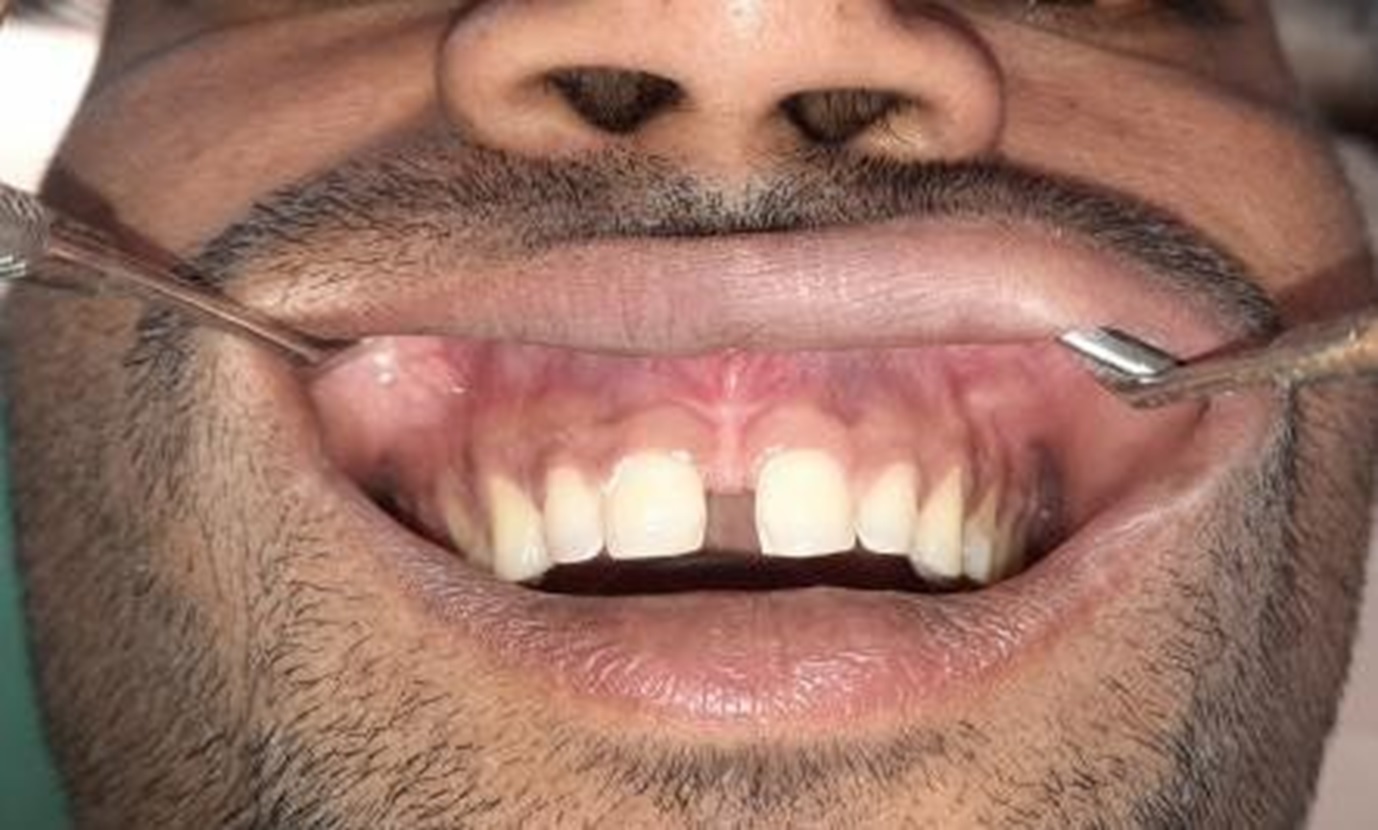
Intraoral examination revealed completely missing teeth in the maxillary & the mandibular arches, and the mandibula ridge is completely resorbed and come under the Atwood 6 classification (Fig.1).

Fig. 1: Intraoral view
CLINICAL PROCEDURE
The primary impression was made using an impression compound (Fig.2), followed by the fabrication of a custom tray and border molding (Fig.3). The final impression was made using a zinc oxide eugenol (ZOE) impression paste. Subsequently, a master cast was poured, and a denture base was fabricated. An occlusion rim was then created, followed by jaw relation and a try-in for the patient.
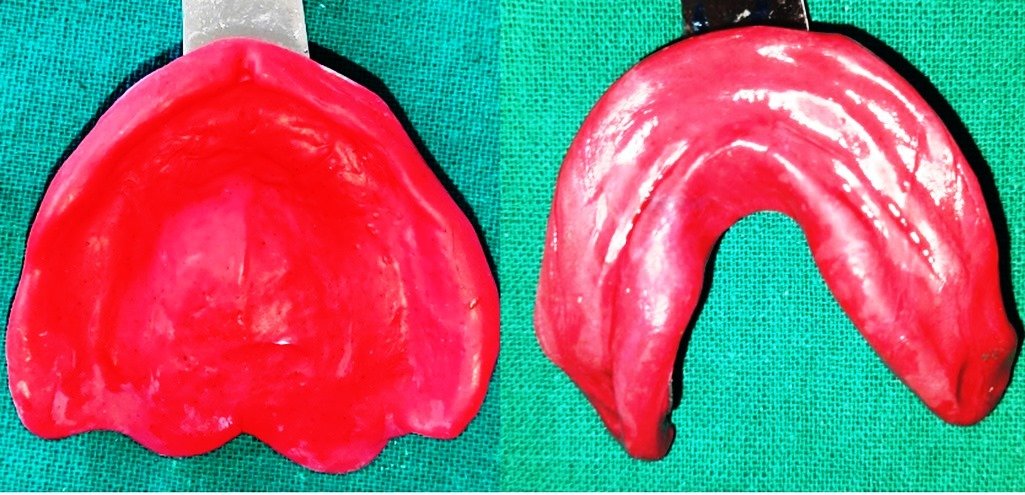
Fig. 2: Primary Maxillary & Mandible Impressio
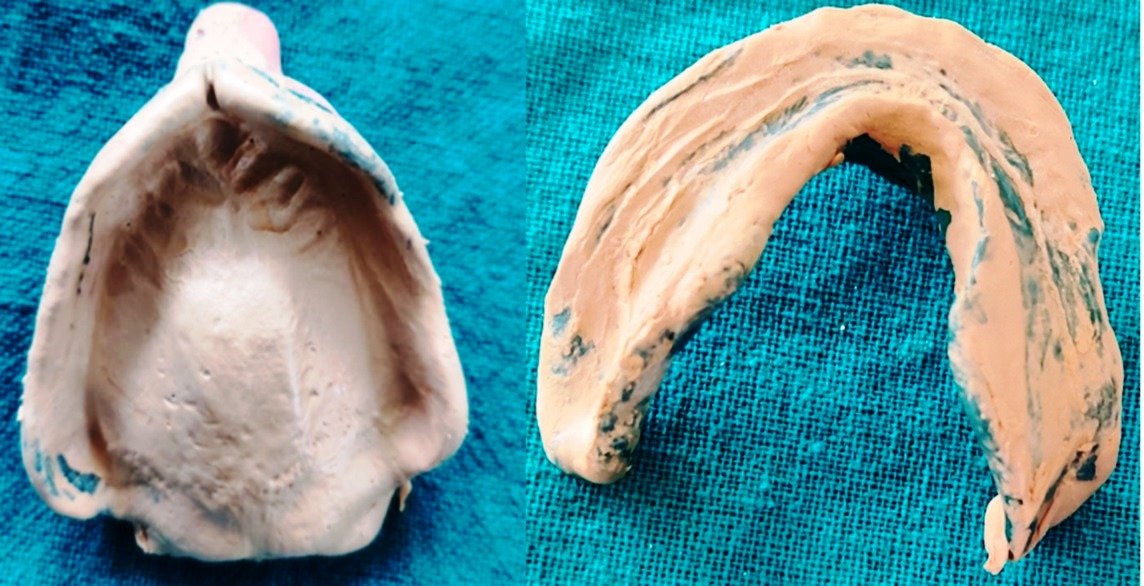
Fig. 3: Secondary Maxillary & Mandible Impression
PROCEDURE FOR DENTURE FABRICATION WITH QR CODE
To incorporate a QR code into the process, a QR code generation software produced a 20mm-sized code, which was printed on photographic paper. To protect it from monomer damage, the code was laminated. The operators selected the code type and format, enabling the option to include a PDF within the QR code. All relevant details, such as the patient's information, mandibular ridge quality, treatment provided, materials used, and doctor's information, were entered into the PDF document.
During the acrylization process, the laminated QR code was placed on the palatal surface of the denture (Fig .4). Clear acrylic was also applied to the corners of the QR code. The denture was then fabricated, finished, and polished using standard procedures (Fig.5). Following insertion into the patient's mouth, the denture underwent an inspection to ensure comfort, retention, aesthetics, and functionality (Fig.6). To verify the functionality of the QR code, a QR code scanning application was used to scan it. The application decoded the QR code, providing the result in text format (Fig.7).
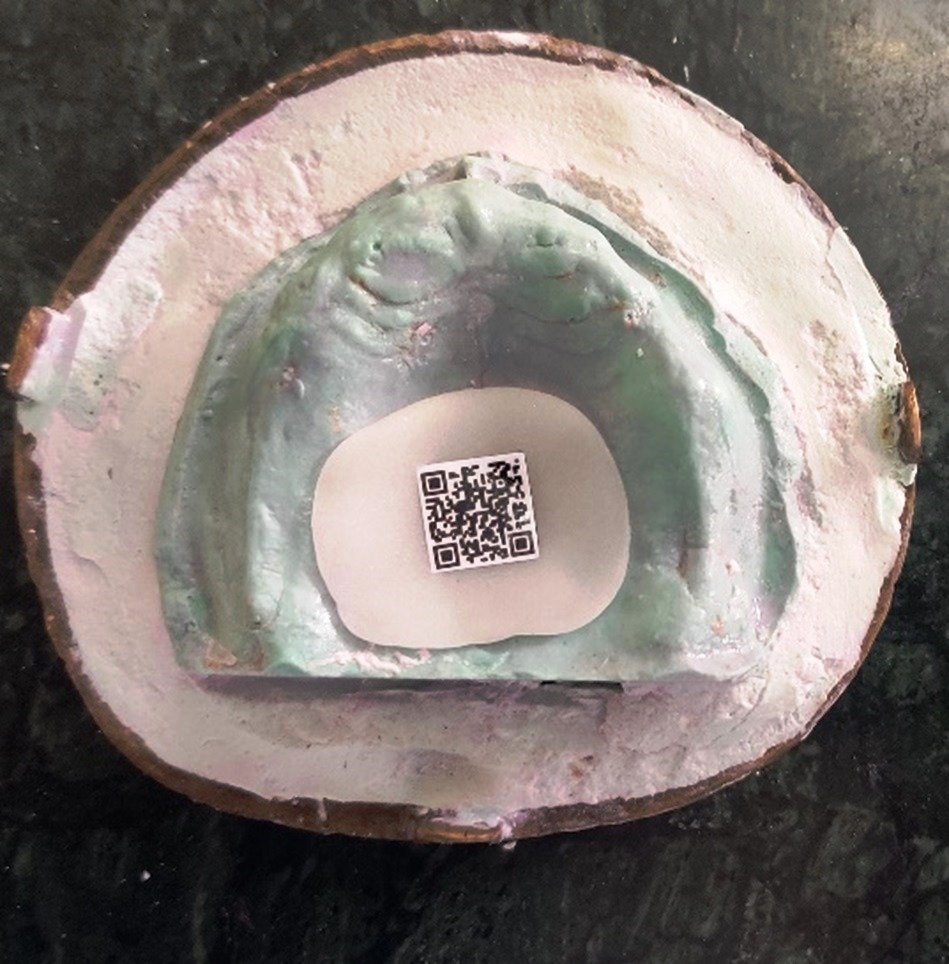
Fig. 4: QR code placed on palatal surface
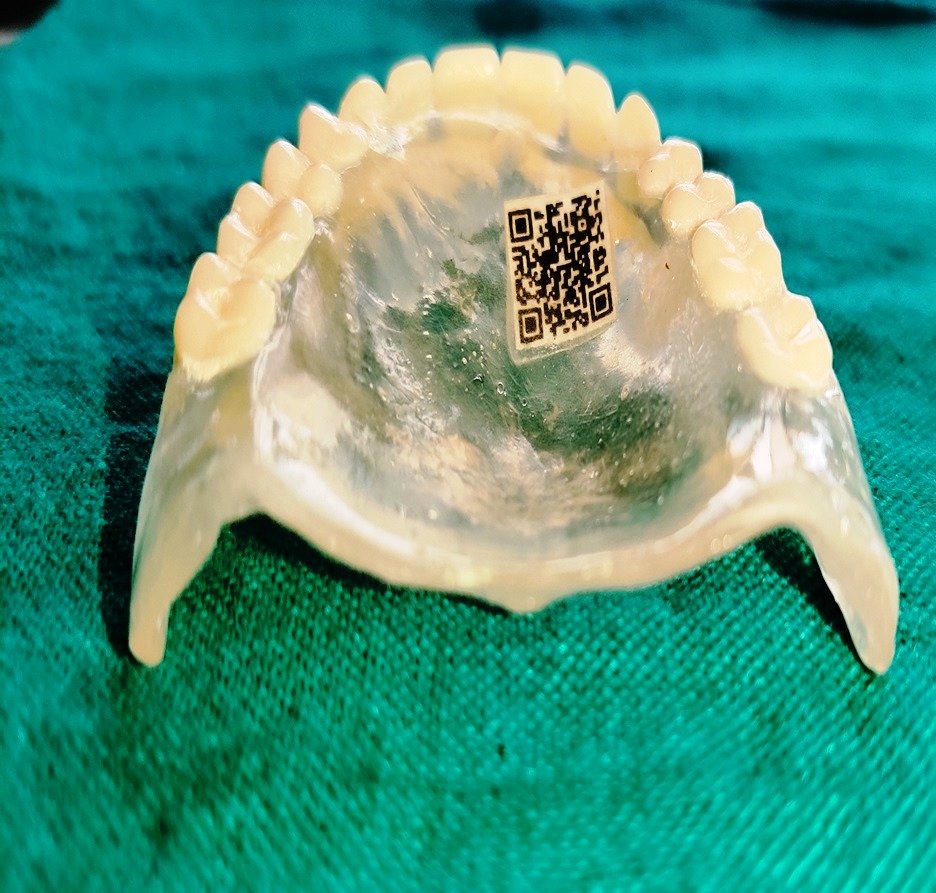
Fig. 5: Acrylicize Denture with QR code
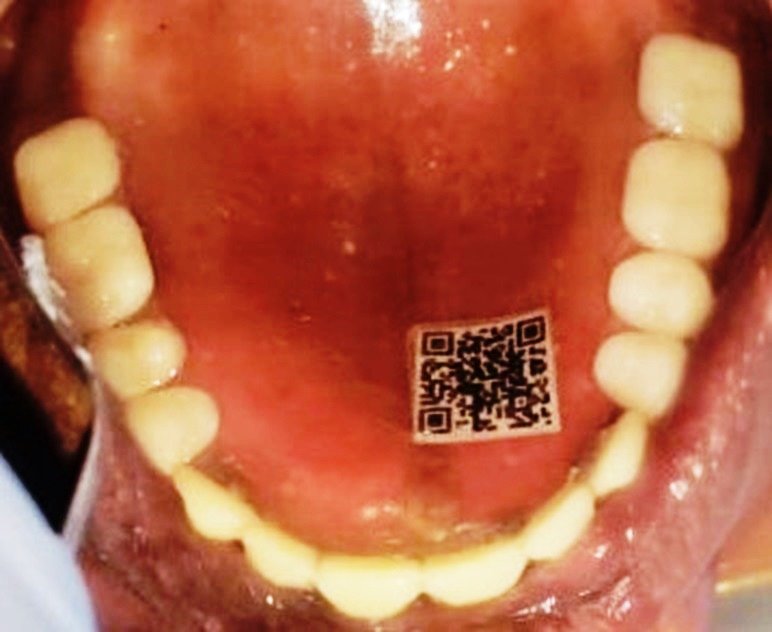
Fig. 6: Denture Insertion with QR
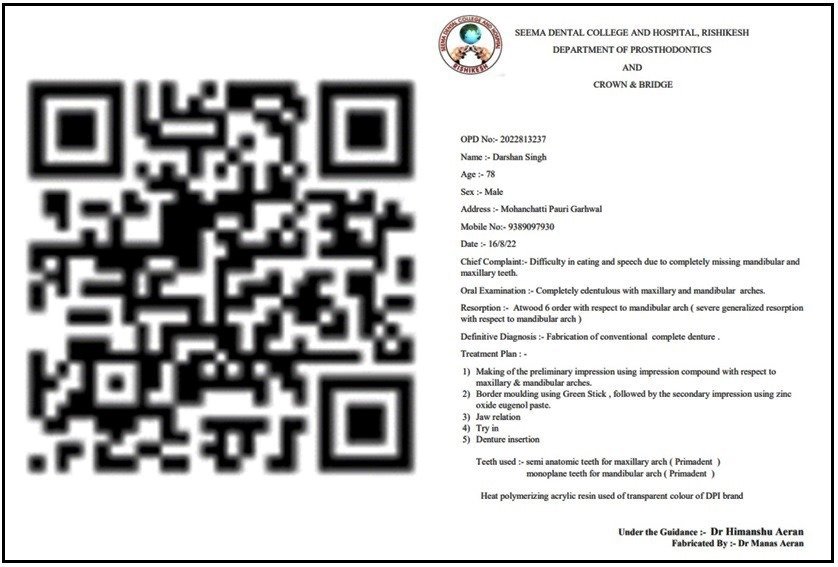
Fig. 7: QR Code & Its Scanned Information
DISCUSSION
In the present era of advancing lifestyles, patients have come to expect treatments that mimic nature as closely as possible. Alzheimer's disease, a progressive neurological disorder, leads to brain atrophy over time. Initially, patients may exhibit signs of forgetfulness, which eventually progress to the point where they struggle to perform even simple tasks.6-7 Denture marking proves highly beneficial for such patients, as it not only saves the costs associated with creating new dentures in case of loss or misplacement but also reduces the time and effort expended by patients and caregivers. In a noteworthy study, Patel and colleagues explored the integration of a patient's photograph into the complete denture of an individual suffering from Alzheimer's disease.8
Due to variations in oral health conditions across different countries, the importance of addressing the matter of denture identification remains significant. In cases where bodies are severely mutilated or unrecognized, any form of identification becomes crucial for establishing identity.9 Moreover, the effectiveness of identifying ownership of dentures in long-term care facilities is evident and well-documented. Denture marking systems offer numerous advantages, including patient identification in natural and mass disasters, prosthesis identification in geriatric institutions, retrieval of dental and medical records in emergencies such as accidents, and assistance in medico-legal cases for diagnosis and decision-making. Additionally, labeling dentures enables the convenient recording and storage of patient details within an easily accessible system.10
Within this article, the method of incorporating a laminated QR code stands out among existing denture marking methods for several reasons. QR codes have the capacity to store a large amount of information, allowing healthcare providers, who already possess smartphones, to swiftly access patient data directly within the workplace. Compared to alternative denture identification systems such as microchips or barcodes, the cost of implementing QR codes is significantly lower. In the present technique, the QR code marker can be placed not only on the palatal surface of the maxillary denture but also on the lingual flange of the mandibular denture and the buccal flange of the maxillary denture. These locations are aesthetically acceptable and remain intact during adjustments or routine relining procedures. Additionally, due to their small size, the QR code does not impede oral function or compromise the strength of the denture.11
Denture marking, despite being widely recommended by dental boards for forensic purposes, is not commonly practiced by clinicians. Denture-marking techniques are generally categorized as surface marking or inclusion methods. Surface markers, although cost-effective, can be easily erased by denture cleansers, abrasives, or antiseptic mouthwash. In contrast, surface inclusion techniques involve incorporating markers made of metallic or nonmetallic materials.12
Among the available denture marking methods, the inclusion of QR codes stands out in this article. QR codes have the capability to store a significant amount of information, allowing for quick access to patients' data using a smartphone. The denture marking in the present study focused on the palatal region of the maxillary denture, as it provided sufficient thickness and posed no technical challenges during the placement of the QR code.
CONCLUSION
Denture marking is essential for patients suffering from progressive neurological diseases, especially Alzheimer's Disease. One major concern is when persons with dementia become lost and go missing, most of the times when they are alone or in unfamiliar environments. QR codes can be especially useful in cases where patients are unconscious or unable to communicate their identity and condition. Patient identification using Quick Response (QR) codes has proven to be an effective method in situations involving natural disasters and conflicts as well. While various methods have been employed for patient identification in the past, QR codes have emerged as the most promising option due to their ability to store a large amount of information within a small size.In the case discussed, the patient expressed satisfaction with the removable denture prosthesis in terms of comfort, function, and aesthetics. Regular follow-up appointments were scheduled, and during a recall, the patient did not report any inconvenience. The laminated QR code remained intact and unaffected by saliva or denture cleansing solutions.
REFERENCES
- Jiménez RA. Denture Labe ling using QR codes. A simplified technique. Odovtos International Journal of Dental Sciences. 2018 Dec;20(3):11-5.
- Fiske J. 'Alzheimer's disease'. Br Dent J. 1990 Oct 6;169(7):188
- Bhatt, Uttkarsh & Singh, Kirti & Singh, Navroj & Kaur, Jasveen & Kumar, Manish & Sharma, Disha. (2021). Comprehensive Evaluation of Specialized Complete Dentures with Labelled QR Code in Medically Compromised Geriatric Patients: An Original Research Study.
- Barde S. A Multimodal Biometric SystemAadhar Card. i-manager's Journal on Image Processing 2018;5:1-6. 2.
- Pretty IA, Sweet D. Teeth in the determination of human identity. Br Dent J 2001;190:359-66.
- Colvenkar S, Pathipaka S, SRN Venkata Harish V, Polasi A, Vijay Kumar K: A novel denture labelling technique for human identification. Cureus. 2022, 14:e32740.
- Ali MM, Colvenkar S, Omer NS, Mysolla SR, Noureen F, mushahed Ali M. Prosthodontic Management With a Metal Denture Engraved With Laser QR Code. Cureus. 2023 Feb 1;15(2).
- Andersen K, Launer LJ, Dewey ME, et al.: Gender differences in the incidence of AD and vascular dementia. The EURODEM Studies. Neurology. 1999, 53:1992-7.
- Mohan J, Kumar CD, Simon P. "Denture marking" as an aid to forensic identification. J Indian Prosthodont Soc. 2012;12(3):131-136.
- Lose F M. Denture identification. J Prosthet Dent 1958; 8: 94.
- Ryan LD, Keller JB, Rogers DE, Schaeffer L. Clear acrylic resin T-bar used in denture identification. J Prosthet Dent. 1993 Aug;70(2):189-90.
- Gaba N, Mattoo KA, Daghiri S: Base metal denture bases - clinical indications. Am J Med Case Rep. 2022, 10:59-63.
Disclaimer from Guident
The views and opinions expressed in articles published in Guident are solely those of the authors and do not necessarily reflect the views of the editors, the editorial board or the publisher, Ivory India. Guident does not endorse any product, technique or treatment described. Clinical content is intended for qualified dental and medical professionals and is not a substitute for individual clinical judgement. Guident, its editors and the publisher accept no liability for any consequence arising from the use of information published in the journal.
How to cite this article
Dr. Himanshu Aeran, Dr. Jyotsna Seth, Dr. Manas Aeran. Lets Decode the Code in Complete Denture: A Case Report. Guident. 2023 Jul;16(8). Available from: https://guident.in/articles/prosthodontics/lets-decode-the-code-in-complete-denture-a-case-report.html